Africa Region Guide
Central Africa
Rainforest depth, river systems, and routes that reward patience
Central Africa is a high-reward lane for travelers who value nature scale, cultural depth, and slower, smarter route design.
My planning rule here is simple: pick one anchor country first, build realistic transfer buffers, and protect your recovery days. In this region, calm structure beats checklist speed every time.
Real talk: parts of this region are not suitable for regular travel right now. It’s a pity, because the culture and landscapes are extraordinary. Plan with caution and verify advisories close to departure.
Country Risk & Advisory Snapshot
Use this chart as a planning filter before you lock routes and non-refundable bookings.
| Country | Risk Level | Advisory Summary |
|---|---|---|
| São Tomé and Príncipe | Level 1 | Generally considered the safest in the region; exercise normal precautions. |
| Gabon | Level 2 | Exercise caution in Libreville and Port Gentil due to petty crime. |
| Equatorial Guinea | Level 2 | High caution due to petty crime and arbitrary enforcement of local laws. |
| Republic of the Congo | Level 2 | Major cities are safer; avoid travel alone at night or to isolated areas. |
| Cameroon | Level 3 | Significant risk of violent crime and terrorism in Far North and parts of West. |
| Burundi | Level 3 | Avoid non-essential travel due to political violence and grenade attacks. |
| Chad | Level 3 | High risk of terrorism and kidnapping; avoid all border areas. |
| Dem. Republic of the Congo | Level 4 | Extreme risk due to armed conflict, civil unrest, and kidnapping. |
| Central African Republic | Level 4 | Widespread civil unrest and military operations; highly volatile conditions. |
Heads Up: Advisory conditions can change quickly. Re-check official government advisories before departure.
The Cheat Sheet — Central Africa (60-Second Scan)
If you need the practical snapshot fast: route rhythm, timing windows, money setup, and where first-timers should begin.
Fast facts
- Region shape: rainforest belts, river corridors, and long transfer realities
- Trip style: best for nature-forward and culture-curious travelers
- Language mix: French, Portuguese, English, and widely spoken local languages
- Planning reality: transport reliability can vary route to route
- Timing logic: shoulder windows often reduce friction and fatigue
- Money setup: use local cash strategy + backup card, not card-only assumptions
Keep the itinerary tight. In Central Africa, over-ambitious movement is the fastest path to stress.
Map
Africa regional overview
Use this for lane context while building your Central Africa flow.
Currencies in Central Africa (quick reference)
- Central African CFA franc (XAF): Cameroon, Central African Republic, Chad, Republic of the Congo, Equatorial Guinea, Gabon
- Other major currencies: Congolese franc (CDF), São Tomé and Príncipe dobra (STN)
Keep one daily wallet and one backup wallet. It’s simple, fast, and low-friction in multi-currency travel.

Which Countries Make Up Central Africa?
Country list only (no risk bands in this block). Use the advisory chart above for level context. LIVE pages are linked; unpublished pages display as TBA.
Central Africa destination list
-
Central African Republic TBA
-
Dem. Republic of the Congo TBA
-
Chad TBA
-
Burundi TBA
-
Cameroon TBA
-
Republic of the Congo TBA
-
Equatorial Guinea TBA
-
Gabon TBA
-
São Tomé and Príncipe TBA
Status convention: LIVE = published and linked, TBA = not yet live.
Where I’d start first
No hype here: if I’m building a practical first loop in this lane, I bias toward smoother logistics first.
- São Tomé and Príncipe: easiest first rhythm and cleaner planning footprint
- Gabon: excellent nature-forward pacing with strong wildlife appeal
- Cameroon: varied landscapes and a useful anchor if conditions are suitable
Your first loop should optimize confidence, not coverage. Expansion is easier after one smooth run.
Starter route templates
- 10–12 days: one-country depth route
- 14–18 days: one anchor + one short extension
- 3–4 weeks: two anchors + built-in reset windows
Admin + movement reality
- Check entry requirements per passport before booking cross-border legs
- Save offline copies of visas, permits, and stay addresses
- Keep buffer days around long transfers or mixed-transport days
Smooth Central Africa trips are built on route realism, not optimism alone.
Vibe Check — How Central Africa Feels
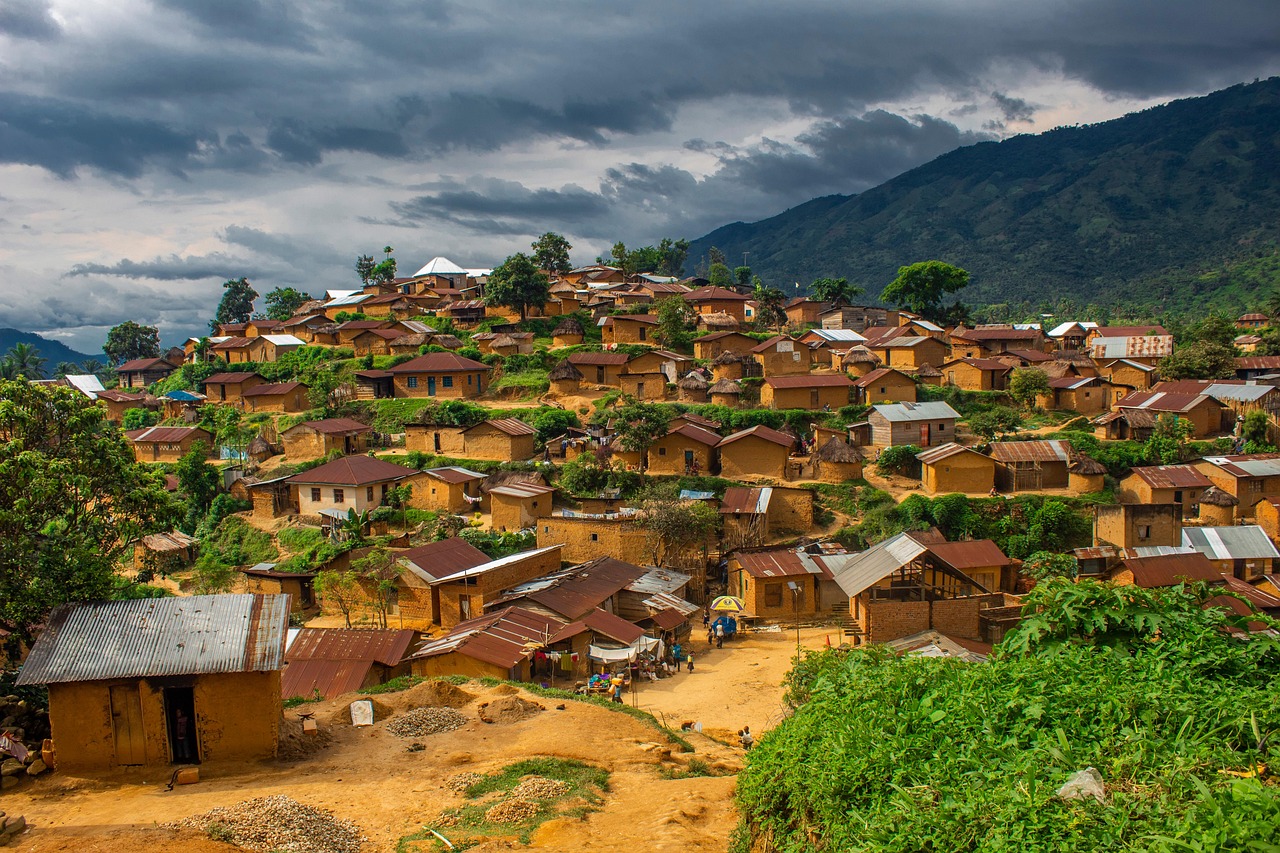
Central Africa feels layered and immersive: forest ecosystems, river movement, urban culture, and strong local identity.
The atmosphere
This lane carries serious depth: wildlife routes, rainforests, riverfront cities, and local culture that opens up when you travel at human pace.
Who it suits best
Travelers who prefer meaningful immersion over fast country-counting — especially if you enjoy nature plus culture, not just one or the other.
Rhythm that works
- Early windows: strongest for movement and field-heavy days
- Midday: use as flexibility block in hotter or humid conditions
- Evenings: best for neighborhood food and calmer social flow
Match your day to local timing and your energy stays consistent much longer.
Rob’s Pointers
Choose one daily anchor ritual in each stop — a market breakfast, a neighborhood walk, or a sunset viewpoint. That single ritual stabilizes the whole trip.
- Keep one no-rush evening every 2–3 days
- Use local recommendations for food timing, not just map ratings
- Trade one transit leg for one extra local day where possible
Street Smarts — Respectful and Grounded
You don’t need perfect local fluency. Calm awareness, respectful behavior, and steady routines get you far.
Three moves that work
- Greet first: polite openers matter in many settings
- Ask before photographing: especially people, markets, and community spaces
- Stay measured in negotiations: respectful tone usually gets better outcomes
Comfort and etiquette
- Dress with local context in mind, especially outside major metros
- Keep valuables organized and low-profile in crowded areas
- Use trusted transport options for late arrivals/departures
Respectful presence improves both safety and the quality of local interactions.
Safety — Practical Signals and Sensible Habits
Central Africa is not one single risk profile. Conditions can differ sharply by country and by sub-region.
Before departure
- Check current travel advisories for each country on your route
- Confirm vaccinations/health requirements and entry documents
- Use insurance that explicitly covers your full itinerary and activities
Don’t reuse an old itinerary blindly. Re-check safety and entry details close to departure.
On the ground
- Prefer known transport and verified pickups at night
- Keep backup card/cash separate from your daily wallet
- Share route checkpoints with someone you trust
- If a credible local host says avoid an area, take it seriously
Smart caution is not fear — it gives you more room to enjoy the trip.
Logistics Lite — Keep the Engine Clean
In Central Africa, simple systems beat complicated plans. Protect transfer days and keep your admin flow lean.
Movement basics
- Within country: confirm schedule reliability before hard-locking days
- Between countries: keep buffers around border/admin touchpoints
- Arrival routine: offline maps + local cash + pre-saved accommodation address
Low-friction setup
- Night-before checklist: docs, route, cash level, power backup
- One admin window every 3–4 days for reset and rebooking
- Keep first night in each city simple and near your transfer endpoint
The Un-Googleable Stuff — Tiny Changes, Better Trip
Most big trip wins here come from small timing choices and realistic expectations.
Timing upgrades
- Front-load important site visits and long moves early
- Use late afternoons for neighborhoods and local food lanes
- Keep one flexible block every day in case transport shifts
Connection upgrades
- Return to one familiar café/stall to build local familiarity
- Ask one real local question daily beyond directions
- Leave one evening open for an unplanned recommendation
Central Africa rewards rhythm and respect. Plan the structure, then leave breathing room.
The Gap — What People Forget to Ask
Most avoidable friction here is pacing and movement overload, not destination quality.
Common friction points
- Too many country moves for the available time
- No buffer days for schedule changes or weather windows
- Underestimating fatigue from consecutive transfer days
Fix it fast
- Overloaded plan? remove one move and add one recovery day
- Admin stress? reduce border count for this trip
- Energy crash? add a no-plan evening every 2–3 days
The best Central Africa itineraries feel intentional, not rushed — and that starts with route discipline.
Join the conversation
Planning a Central Africa route? Share your starting point and your biggest question so other travelers can learn from your journey too.