VIKING INSIDER · MOSELLE RIVER · GERMANY
Cochem: The Mosel’s Storybook Town
By Rob Wheatley — Viking Program Director & traveller
In a nutshell: Cochem, Germany, is a picturesque Moselle River town crowned by Reichsburg Castle. Come for the castle, winding lanes, Riesling wine and historic mustard mill; stay for the pleasure of doing very little beside the river. Here is how I enjoy Cochem with Viking—and why your arrival time matters.
First impressions are everything
Some places impress you. Others make you want to stay. Cochem does both, and it does them so gently that you only realise you’ve lost half a day when the light starts turning gold.
I’ll tell you the best way to meet Cochem, because I’ve done it more than once and it never gets old. When our Cities of Light itinerary brings us in early in the morning, I like to be on deck, coffee in hand, while the rest of the ship is still deciding whether to get up.
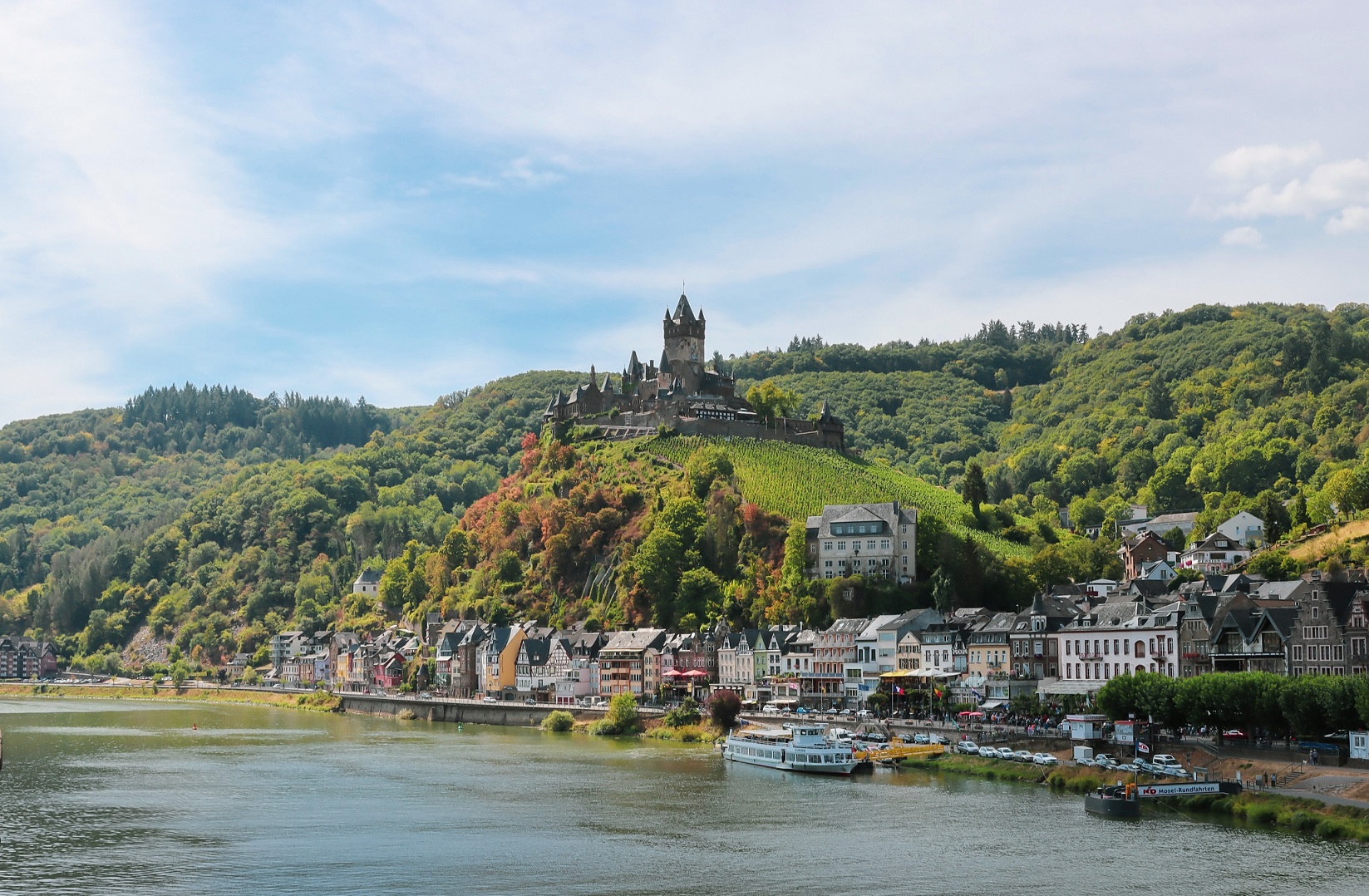
The river is wrapped in mist, and then, up on the hillside, something begins to appear. A tower first. Then a roofline. Then the whole of Reichsburg Castle slowly steps out of the veil as the mist lifts off the Mosel, like a curtain going up on the first act.
No one talks much in those moments. You just watch. It’s one of the great arrivals in all of river travel, and if you take nothing else from this guide, take that: if your sailing approaches Cochem at dawn, set the alarm.
A word about timing: Cochem is associated with both Viking’s Cities of Light and Paris to the Swiss Alps journeys. Port timings can differ between itineraries, sailing directions and individual departures. Some guests will arrive later in the day or visit on a different schedule, so that magical misty morning is an experience I have enjoyed—not a guaranteed arrival for every voyage. Check your own Viking daily programme.
The castle on the hill
The Reichsburg is staggering. There’s really no other word for it. It sits high above the town, all turrets and steep roofs, looking exactly the way a castle in a fairy tale should look. The climb up is worth it for the views over the red rooftops and the bend of the river below.
A little history makes it even better. Cochem’s castle has medieval origins, but the silhouette we admire today owes much to a 19th-century reconstruction commissioned by Berlin businessman Louis Ravené after the earlier fortress had been destroyed in the 17th century.
The result is a splendid example of the Romantic era’s fascination with medieval castles. In other words, it is part genuine medieval history and part 19th-century dream of what the Middle Ages ought to have looked like. I find that combination rather irresistible.
Castle access, tour languages and opening times vary; the walk up is steep in places. If the climb is a concern, ask about transport options and check arrangements before committing. See the official Reichsburg Cochem website for current visiting information.
Park yourself by the river
Here’s my confession: some of my favourite hours in Cochem have been spent doing absolutely nothing.
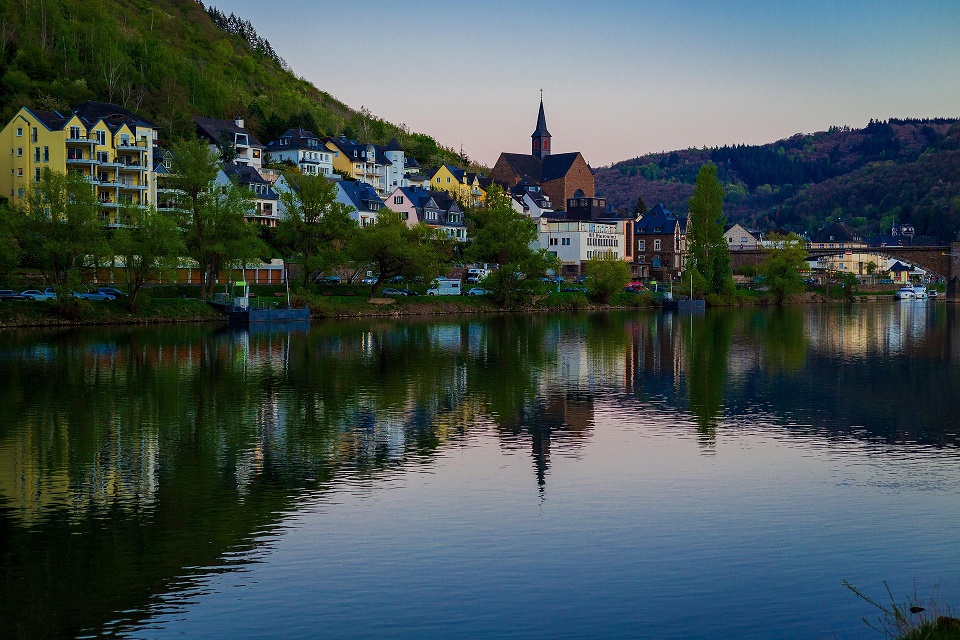
Find a spot on the grassy riverbank, sit down, and watch the Mosel go by. Boats slide past. Swans have opinions. The castle keeps watch over everything from above. It is so quaint and so inviting that you can lose a whole afternoon without noticing, and you won’t feel a flicker of guilt. Pack a little something from the bakery, and you’ve got yourself the best seat in town for the price of a pastry.
This is one of those places where I remind guests that free time is not wasted time. You do not have to fill every minute with another entrance ticket. Sometimes the whole point of travelling is to sit somewhere beautiful and allow yourself to be there.
Get lost on purpose
Now, if you’re the sort who likes investigating and discovering (and I suspect you are), put the map away for a while.
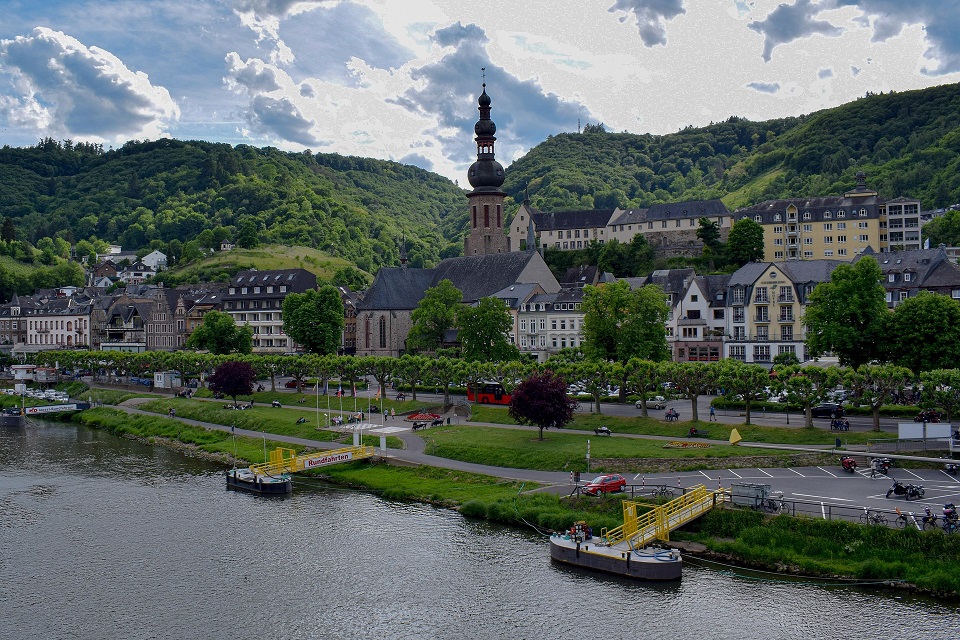
Cochem rewards the wanderer. The little shops, the cobbled alleyways, the half-timbered corners that open onto some tiny square you didn’t know was there: this is a town made for poking about.
Duck into a doorway. Follow a lane just because it looks interesting. Browse the wine shops (you’re on the Mosel, after all, and this is Riesling country). Every turn has a small surprise, and the best discoveries are always the ones you weren’t looking for.
For a useful point of orientation, find the market square and its historic buildings before wandering further. If you have limited mobility, remember that some older lanes are uneven and the routes uphill can be demanding. A delightful town does not necessarily come with delightful pavements.
The mustard mill: a must for the brave
And then there’s the mustard mill. If you love anything spicy, hot, or gloriously sharp, this is your pilgrimage. Go in, taste, sniff, and be prepared to be won over. Mustard here isn’t an afterthought squirted from a plastic bottle. It’s a craft, and the range will make you rethink what’s sitting in your fridge back home.
Cochem’s historic mustard mill is associated with traditional mustard-making methods, and it is a wonderful reminder that a town’s history lives in its food as well as its castles. Demonstrations, tastings and opening arrangements should be checked ahead of time rather than assumed.
My advice? Taste before you buy, and then buy more than you planned. Mustard makes a fine gift and lets you carry a little of Cochem home. Just warn your friends before you hand over the hot one. If you’re flying internationally, pack jars in checked baggage where necessary and check your destination’s food-import rules.
Riesling, steep slopes and the Mosel's quiet genius
Take a look at the vineyards around Cochem. Those steep slopes are not simply decoration. Winegrowing on the Mosel is a remarkable business of patience, skill and occasionally quite alarming gradients. Riesling thrives here, and local wines can have a freshness and mineral character that seem perfectly matched to a riverside afternoon.
Try a local glass if you enjoy wine, but there is no obligation to turn your visit into a tasting marathon. I would rather remember the place than spend the following morning trying to reconstruct it.
Seeing Cochem with Viking: two itineraries, different rhythms
On Cities of Light, Cochem can be one of the most atmospheric Moselle moments, particularly on a sailing where the approach happens early. On Paris to the Swiss Alps, the town is another lovely chapter in the wider journey through the Rhine and Moselle region.
However, arrival time, time ashore, excursions and docking arrangements are specific to your departure. Neither an early-morning arrival nor a particular castle or mustard-mill visit should be assumed without checking your documents and daily programme.
Planning beyond this visit? Then use my Germany travel guide to choose your next stops and build a journey that fits your time.
My recommendation is simple: if the ship arrives in daylight, get on deck to enjoy the approach.
For a shorter visit, prioritise what genuinely interests you: the castle and its views, a leisurely old-town walk, the mustard mill, or simply a bench beside the river. With more time, enjoy the luxury of combining them without rushing.
For the bigger journey, see my Paris to the Swiss Alps itinerary and Viking Cruises hub. If this is your first voyage, my First-Time Viking Cruise guide covers the practical questions before you sail.
Cochem at a glance
Romantic castles — Reichsburg Cochem and its views
Slow travel — Riverside sitting and watching the Mosel
Exploring on foot — Old-town lanes and market square
Food with personality — The historic mustard mill
Wine country — Local Mosel Riesling and vineyard scenery
Questions I hear about Cochem
Will my Viking ship arrive in Cochem early in the morning?
Not necessarily. I have enjoyed beautiful early approaches on Cities of Light sailings, but timing varies by itinerary, direction and departure. Check your specific cruise programme.
Is Reichsburg Castle the original medieval building?
Its origins are medieval, but much of the castle’s present fairy-tale appearance comes from a 19th-century reconstruction after earlier destruction.
Can I explore Cochem without climbing to the castle?
Yes. The riverside and old town offer plenty to enjoy, although some cobbled streets may be uneven. The castle ascent is a separate, more demanding option.
Is the mustard mill worth visiting?
If you enjoy local food traditions and distinctive flavours, I think it is. Confirm current opening and tasting arrangements before setting off.
Why you should go
Cochem isn’t about ticking off sights. It’s about the feeling of a place that’s genuinely glad you came. You get the drama of a castle in the mist, the calm of a river you can sit beside for hours, the thrill of discovery in the back lanes, and a mustard that wakes up your whole palate.
It’s small, it’s lovely, and it’ll steal your heart a little. Go early if your sailing allows it, stay as long as you can, and let the mist lift slowly.
Have you been to Cochem?
Tell me your favourite corner of it in the comments. I’m always collecting new ones.
Routes differ by direction. Rüdesheim features on Prague → Paris; consult your own programme.