TRAVEL FIELD NOTES · EGYPT
A Trip to Egypt: Pyramids, Culture Shock & Practical Tips
I went to Egypt expecting pharaohs. A pigeon was the first thing to challenge my worldview.
A trip to Egypt rewards realistic expectations and thoughtful planning. My first visit brought Cairo traffic, a pigeon-related misunderstanding and genuine wonder at Giza. Here is what that experience taught me, alongside practical advice on museums, timing, itineraries, costs and the official checks to make before you book.
By Rob Wheatley – Program Director & traveler.
A personal account of an earlier visit, with planning information checked October 21, 2026.
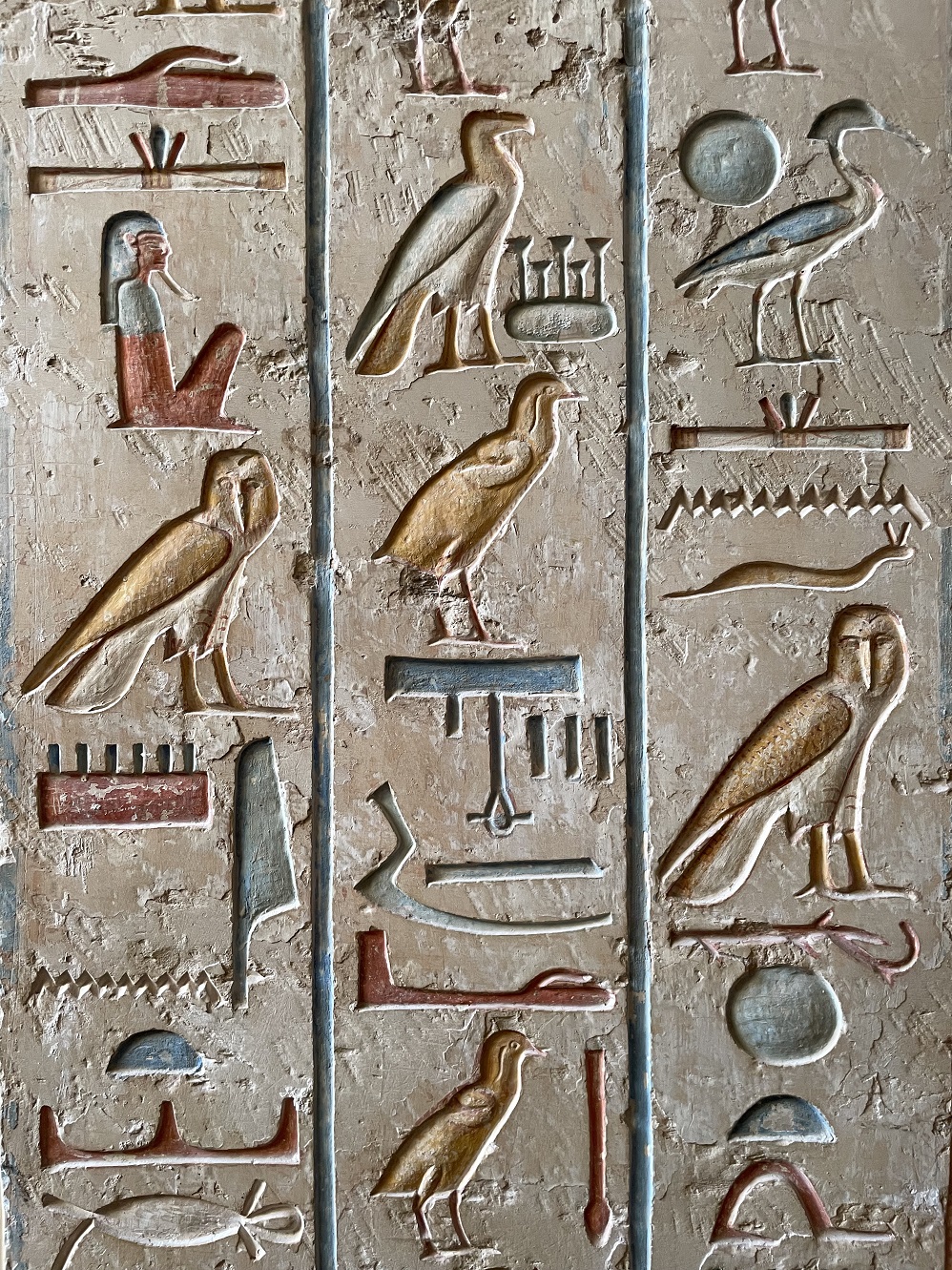
My trip to Egypt began with pigeons
Egypt had been living in my imagination long before I arrived. Documentaries had supplied the pyramids, the pharaohs and the sweeping desert views. They had somehow left out the traffic.
My first experience of Cairo began with a coach journey from Alexandria. Along the way, tall, unfamiliar towers interrupted the farmland. Naturally, we wanted to know what they were.
Pigeon towers, the driver explained.
“Oh, they like pigeons,” I said, apparently imagining an enthusiastic regional birdwatching society.
“Yeah, to eat,” came the reply from the back of the coach.
My reaction was ridiculous. I ate chicken without staging a moral inquiry, yet a different bird had suddenly become a cultural crisis. In hindsight, the interesting thing was my own inconsistency.
Cairo traffic and the disappearing holiday mood
As we approached Cairo, the coach slowed to a crawl. Meanwhile, the heat began to win its argument with the air-conditioning.
Couples started bickering. The commentary became less generous. Outside, horns sounded, vendors called and traffic moved according to a logic I had yet to understand. Inside, a busload of visitors quietly decided that the city should reorganize itself around our afternoon.
Eventually, we reached the Egyptian Museum in Tahrir Square. Once we were among the antiquities, our moods improved remarkably.
However, my girlfriend and I eventually slipped away from the group to explore at our own pace. We probably missed some valuable explanations. On the other hand, we could finally look at something without craning around somebody’s shoulder.
The useful lesson: choose a tour whose group size, pace and time at each stop suit you. A wonderful collection can still become exhausting when the format is wrong. My solo versus group travel guide can help you make that choice.
Giza: when the picture in your head meets the place
Then came Giza. The pyramids delivered the sense of wonder I had hoped for.
What surprised me was their setting. In my imagination, they stood alone in an endless desert. In reality, the archaeological plateau sits beside the expanding city, west of central Cairo. Modern life has not politely moved out of the photograph.
At the site, though, the scale and age of what stood before me pushed the day’s frustrations into the background. For a while, I was back with those childhood books and documentaries, only this time I was standing there.
For your own visit, decide in advance whether you want a guided explanation, time to wander, or both. Check which areas your ticket includes; access inside a pyramid may require a separate ticket. Also, consider confined spaces, steps and heat before choosing an interior visit.
You do not need a camel ride to make the experience complete. If you choose one, assess the animal’s condition and agree the full service and price before accepting.
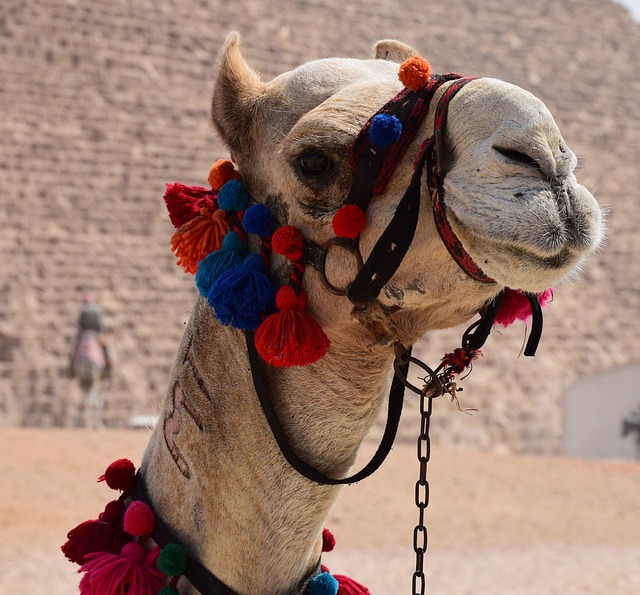
A camel ride is optional. Time to take in the place is essential.
Which Egyptian museum are you booking?
My museum story refers to the Egyptian Museum in Tahrir Square on an earlier visit. It should not be read as a recent review of the Grand Egyptian Museum.
Today, the Grand Egyptian Museum in Giza belongs in your planning conversation. Its official ticketing website lists the galleries and access included in a visit, including the Tutankhamun Galleries. Check the current ticket categories, hours and entry conditions before booking.
The Egyptian Museum in Tahrir Square and the National Museum of Egyptian Civilization are separate institutions. Therefore, a tour promising “the Egyptian museum” needs a follow-up question: which one?
My suggestion is to give your chosen museum a proper place in the day. Trying to fit several major collections between a pyramid visit and an airport transfer is a reliable way to remember very little of any of them.

Leave room for the details. Egypt’s big monuments deserve the attention, but the smaller objects can bring a visit into focus. Give yourself enough museum time to linger over whatever catches your curiosity, rather than rushing straight to the next famous exhibit.
When to take a trip to Egypt
For an itinerary built around Cairo, Luxor and Aswan, I would start by considering October through April. Cooler conditions generally make outdoor sightseeing easier than in the height of summer. However, destinations and personal heat tolerance matter.
Winter evenings can feel chilly, so pack a layer. In spring, dusty winds can affect visibility and comfort. Meanwhile, summer sightseeing inland requires much more care with timing, shade and rest. A Red Sea beach holiday has different priorities from a day among exposed temples.
Ramadan dates change each year. Check the dates for your travel year and confirm opening hours with each attraction and operator. Some daytime services and meal arrangements may change, while evenings can be lively. The old idea that everything simply closes is too broad to be useful.
A first Egypt itinerary: leave room to enjoy it
For a history-focused first visit, my planning suggestion is roughly 10–12 days if your budget and leave allow it. That is a recommendation, rather than a minimum requirement. A shorter trip works better when you reduce the number of stops.
| Time | Base | Focus |
|---|---|---|
| 3–4 days | Cairo / Giza | Pyramids, a chosen museum and time for the city |
| 2–3 days | Luxor | Temple and tomb visits at a manageable pace |
| 2–3 days | Aswan | Nile scenery and selected sights; allow extra time for Abu Simbel |
| 1–2 days | Travel / buffer | Transfers, connections and breathing room |
If a Nile cruise appeals, substitute its nights for part of the Luxor–Aswan plan. Check the actual sailing itinerary, excursion inclusions and time in port. Do not simply add a cruise on top of a schedule that is already full.
Explore Egypt with Viking: Pharaohs & Pyramids
If you would prefer an organized journey combining Cairo’s sights with time on the Nile, Viking’s 12-day Pharaohs & Pyramids cruisetour is one option to consider.
The roundtrip Cairo itinerary combines visits to the pyramids and Grand Egyptian Museum with Nile destinations including Luxor and Aswan, accompanied by expert Egyptologists. That makes it worth a look if understanding the history matters as much to you as seeing the sights.
Before choosing a departure, review the daily walking and excursion demands, ship, inclusions and optional experiences. Itineraries and excursions may vary by departure.
What should you budget for Egypt?
Some everyday purchases may feel inexpensive, but that does not make the whole trip cheap. Hotels, domestic transport, major attractions, guides and optional excursions can change the total considerably.
Instead of relying on an old daily dollar figure, price the actual trip in front of you. Check the currency, date and inclusions of every quote. In particular, ask whether “all sightseeing included” covers admission fees, special-entry tickets and guide services.
- Accommodation: compare location, taxes, breakfast and cancellation terms.
- Transport: include airport transfers, intercity journeys and local travel.
- Sightseeing: separate basic admission from optional entries and excursions.
- Daily spending: allow for meals, drinking water, tips and small purchases.
- Contingency: leave room for delays and changes.
Also, ask your operator how tipping is handled. Know who is covered by any group tipping arrangement before adding individual tips. For the wider planning process, use my world travel budget guide.
Before you book: entry, safety and the small print
Start with the current advice for your nationality and route. A memorable experience on my earlier visit cannot tell you whether a particular journey is suitable today.
Read the U.S. State Department’s Egypt advice, including its regional restrictions, if you are traveling on a U.S. passport. Other travelers should also consult their own government. Check again before departure, because conditions and guidance can change.
For eligible travelers using the official Egypt e-Visa portal, the portal specifies a passport valid for at least six months from arrival and says to create an application at least seven days before departure. Confirm eligibility and requirements for your own passport; do not assume a rule applies to every nationality.
Next, compare cancellation terms and check what your travel insurance covers for your destination and activities. My visas and entry guidance is a starting point; official sources govern the actual requirements.
Egypt travel tips I would use on a return visit
- Plan around heat and traffic. Leave generous transfer time and avoid packing every hour.
- Agree prices before accepting services. Clarify the full cost of rides, photographs or informal assistance.
- Be selective with guides. Ask about credentials, group size, shopping stops and the exact itinerary.
- Dress for the setting. Lightweight clothing that covers shoulders and knees is a useful starting point for cultural visits; follow the rules at religious sites.
- Ask before photographing people. Respect a refusal and obey restrictions around security personnel and installations.
- Check physical demands. Ask specifically about steps, uneven surfaces, walking distances and access if mobility is a concern.
- Take discomfort seriously. Curiosity does not require accepting harassment or unsafe arrangements. Leave, seek help or change the plan when necessary.
Above all, build in pauses. The aim is to remember Egypt, rather than the sensation of permanently catching up. That is the thinking behind slow travel, even on a fairly short holiday.
The thing Egypt taught me about travel
Looking back, the most uncomfortable discovery was how quickly I judged what I did not understand.
I wanted a different country, but I also wanted it to operate in familiar ways. Apparently, my ideal adventure involved ancient wonders and a reassuringly recognizable traffic system.
That does not mean every frustration was imaginary. Heat, crowds and a long coach journey were real. However, I was adding another layer by treating unfamiliarity as a fault.
If I return, I hope to arrive with better preparation and fewer demands on the place to resemble home. Egypt gave me the pyramids. It also gave me a rather useful look at myself.
For more on that side of travel, read why we travel and explore the destination guides for your next journey.
Plan your next step
Questions about a first trip to Egypt
Is Egypt a good choice for a first visit?
It can be rewarding if its history and culture interest you and the current advice supports your route. Choose a pace and level of assistance that suit you, rather than copying a crowded itinerary.
How many days should I spend in Egypt?
My suggestion for Cairo, Luxor and Aswan is around 10–12 days, including travel time. With a week or less, reduce the number of stops. A beach-focused trip will need a different plan.
Do I need a guide in Egypt?
You do not need a guide for every moment of a holiday. However, a well-chosen guide can add context at archaeological sites and simplify logistics. Check credentials, group size and inclusions before booking.
Is the Grand Egyptian Museum the same as the Egyptian Museum?
No. The Grand Egyptian Museum is in Giza; the Egyptian Museum is in Tahrir Square in Cairo. Check the exact institution named in your tour and book the appropriate ticket.
Is Egypt safe to visit right now?
Use your government’s current advisory and read its regional details before deciding. Assess your actual route, transport and circumstances, then recheck before departure. An old travel story cannot establish present-day safety.
What surprised you most about Egypt? Was it something you saw, something you misunderstood, or a moment that changed your expectations? Share your story in the comments below.