TRAVEL FIELD NOTES · HONG KONG
Hong Kong Travel Guide: Get Lost With a Smile
I was supposed to be travelling from Johannesburg to Vancouver. Naturally, I went via Hong Kong. There was an airport landing I wanted to try.
By Rob Wheatley – Program Director & traveler.
Kai Tak memories from an earlier era; practical information checked October 21, 2026.

This Hong Kong travel guide combines my unforgettable Kai Tak arrival with practical advice for a first visit today. Explore both sides of the harbour, choose a useful base, understand transport and Octopus, and leave time for neighbourhoods and food. The skyline is the introduction; the city deserves a closer look.
My Hong Kong trip began with a very deliberate detour
Most people planning a journey from Johannesburg to Vancouver look for a sensible connection. I went looking for an airport landing.
I was working as a Cruise Director, heading for an Alaskan season sailing out of Vancouver. However, there was something I wanted to experience before it disappeared: an arrival at Hong Kong’s Kai Tak Airport.
Pilot friends from South African Airways had helped give that approach an almost mythical status in my imagination. My fascination with flying did the rest. So I asked the cruise line’s travel department to send me east, via Hong Kong.
They indulged me. Geography quietly objected, but the booking was made.
A view rather closer than expected
After a long flight, we approached on a misty morning. I remember lights appearing as we banked sharply right and descended. Then buildings seemed to flash past at astonishingly close range, with laundry hanging from balconies.
It was a strange mixture of fear and fascination. I had arranged an enormous detour to experience this. At that particular moment, I was very aware that I had got what I asked for.
That was my introduction to Hong Kong: a city that made an impression before I had even collected my luggage.
A historical note: Kai Tak was replaced by the airport at Chek Lap Kok in July 1998. My memory belongs to that earlier era; today’s airport arrival is a different experience.
Fortunately, you do not need an aviation obsession to enjoy the city. A little curiosity will do.
Start with the harbour, then look beyond it
Hong Kong’s skyline is the obvious introduction. Yet the city becomes more interesting when you give its streets, food and neighbourhoods the same attention as its towers.
For a first visit, get a basic sense of the geography. Hong Kong Island lies on one side of Victoria Harbour; Kowloon is on the other. Beyond the central urban areas are the New Territories and outlying islands, with very different possibilities for a day out.
My suggestion is to begin with a harbour crossing and a waterfront walk. That gives you a feel for the city before you start collecting attractions.
Then choose a neighbourhood and spend some time there. A market, a café and a few ordinary streets can tell you more than another hurried photograph of a building you have already seen on your phone.
Where to stay in Hong Kong
I would choose a base around the things you want to do and the transport you will actually use. Being near a useful station usually matters more than having a famous district name on the booking.
| Area to compare | Why consider it? | Check before booking |
|---|---|---|
| Central / Sheung Wan | Hong Kong Island sightseeing, food and useful transport connections | Hills, station exits, room size and the final walk with luggage |
| Tsim Sha Tsui / Jordan | A Kowloon base for the waterfront, food and urban exploring | The exact location, noise and access to the routes you need |
| Mong Kok / Yau Ma Tei | Busy streets, markets and a different neighbourhood focus | Whether the pace and surroundings suit your idea of a comfortable base |
| Elsewhere in the territory | A particular attraction, quieter setting or different trip focus | The time and cost of repeatedly travelling to your main priorities |
Look closely at room photographs and dimensions. Also, ask about steps or lifts if mobility is a concern. A short distance on a map does not tell you what the walk or building entrance is like.
Getting around: MTR, Octopus and the ferry
Hong Kong is well suited to a trip built around public transport. The useful trick is to understand what you are paying for, rather than assume one card covers everything.
MTR and the airport journey
Use the official MTR Airport Express information to compare the train with the rest of your arrival plan. The rail journey is only one part of getting to your hotel: include the onward connection, luggage and walking.
Once in the city, check the station exit as well as the station name. A little attention at that stage can save an unnecessarily long walk.
Octopus is useful, but it is not an unlimited pass
Octopus is a payment tool used across many transport services and businesses. Ordinary stored-value travel is charged as you use it; buying a card does not buy unlimited rides.
Check the card version, purchase or deposit arrangements, topping-up methods and any phone compatibility before choosing. The official Octopus visitor information explains options for arriving passengers. Also, check payment acceptance for the specific service you intend to use.
Take the harbour crossing seriously—as part of the pleasure
The Star Ferry links Tsim Sha Tsui with Central and Wan Chai. Consult the official routes, fares and timetable for your crossing.
A scheduled ferry trip and a sightseeing cruise are different purchases. Either may suit you, but you do not need a private charter simply to experience the harbour from the water.
The Peak and the waterfront: two views worth allowing time for
The Peak gives you a different perspective on the city, particularly when the visibility cooperates. However, a famous view is still subject to weather. If the skyline is hidden, consider moving the visit rather than paying for a photograph of cloud.
Check the current Peak Tram arrangements and compare what any ticket package includes. The tram ride and paid viewing attractions are separate parts of the decision; buy the experience you want.
At harbour level, give yourself time to watch the changing light. The Tsim Sha Tsui waterfront is a useful first-visit choice, and a relaxed walk can be enjoyable without an elaborate booking.
If you want to see A Symphony of Lights, the official show information currently lists an 8pm start and free public viewing. Check announcements before going, because weather and other circumstances can suspend the show.
I would treat it as part of an evening by the harbour, rather than build the whole trip around it. The skyline is allowed to be impressive without performing on cue.
Eat your way into the city
Food was one of the things that made Hong Kong click for me. There is a pleasure in being somewhere that can turn breakfast into a reason to get out of bed.
I remember Australia Dairy Company as part of that earlier experience. It is a memory from my visits, rather than a fresh restaurant review. If you seek out a particular place, check its current hours and arrangements before making a special journey.
More broadly, leave room for dim sum, a Hong Kong-style café breakfast or a meal chosen because something looks interesting rather than because it appeared on a top-ten list.
Ask for help if you do not understand a menu. Also, be clear about allergies or dietary requirements: a photograph and a hopeful guess are not the same thing as an ingredient check.
For me, eating locally is part of getting to know a place. My food tourism guide has more ways to approach that with curiosity and a reasonable appetite.
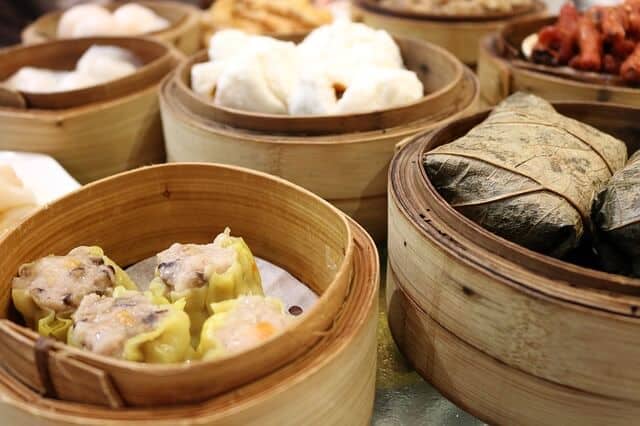
Give lunch a proper place in the day. A meal can be part of understanding a city, rather than something squeezed between two attractions. Ask questions, check ingredients and leave enough time to enjoy it.
Markets and neighbourhoods: the Hong Kong I enjoyed wandering
I enjoyed Temple Street on earlier visits—the browsing, the movement and the sense that several different evenings were happening at once. It is a good reminder that a city’s appeal is not limited to its best-known view.
For your own visit, compare areas such as Yau Ma Tei, Mong Kok and Sham Shui Po in Kowloon, or Sheung Wan and Central on Hong Kong Island. Choose one or two that interest you, then leave enough time to walk and stop.
Market atmosphere changes by time of day. Check current opening patterns if a particular market is a priority, and remember that a neighbourhood is more than a shopping attraction.
If nightlife appeals, Lan Kwai Fong is one option to research. However, an enjoyable evening does not require the “arrive at sunset, leave at sunrise” strategy. I have tested enough ambitious nights out to recommend knowing the route home.
Keep the phrase “get lost with a smile” in its proper place. Wander because you have time and feel comfortable—not because you have forgotten your hotel address, ignored a warning or missed the last connection.
There is more than Hong Kong Island
The harbour does not mark the edge of the trip. With another day available, consider a Lantau outing, an outlying-island visit or a suitable countryside walk.
These are different choices, not three extras to squeeze between breakfast and your flight. Decide what appeals, check the journey and allow time at the destination.
For a boat outing, distinguish between a scheduled ferry, a sightseeing cruise and a private charter. Ask about the route, duration, meeting point, weather policy and full price. A photograph of a traditional-style vessel tells you very little about what is included.
The Hong Kong Tourism Board is a useful starting point for current ideas and visitor updates. For an outdoor plan, check the forecast and route conditions again close to departure.
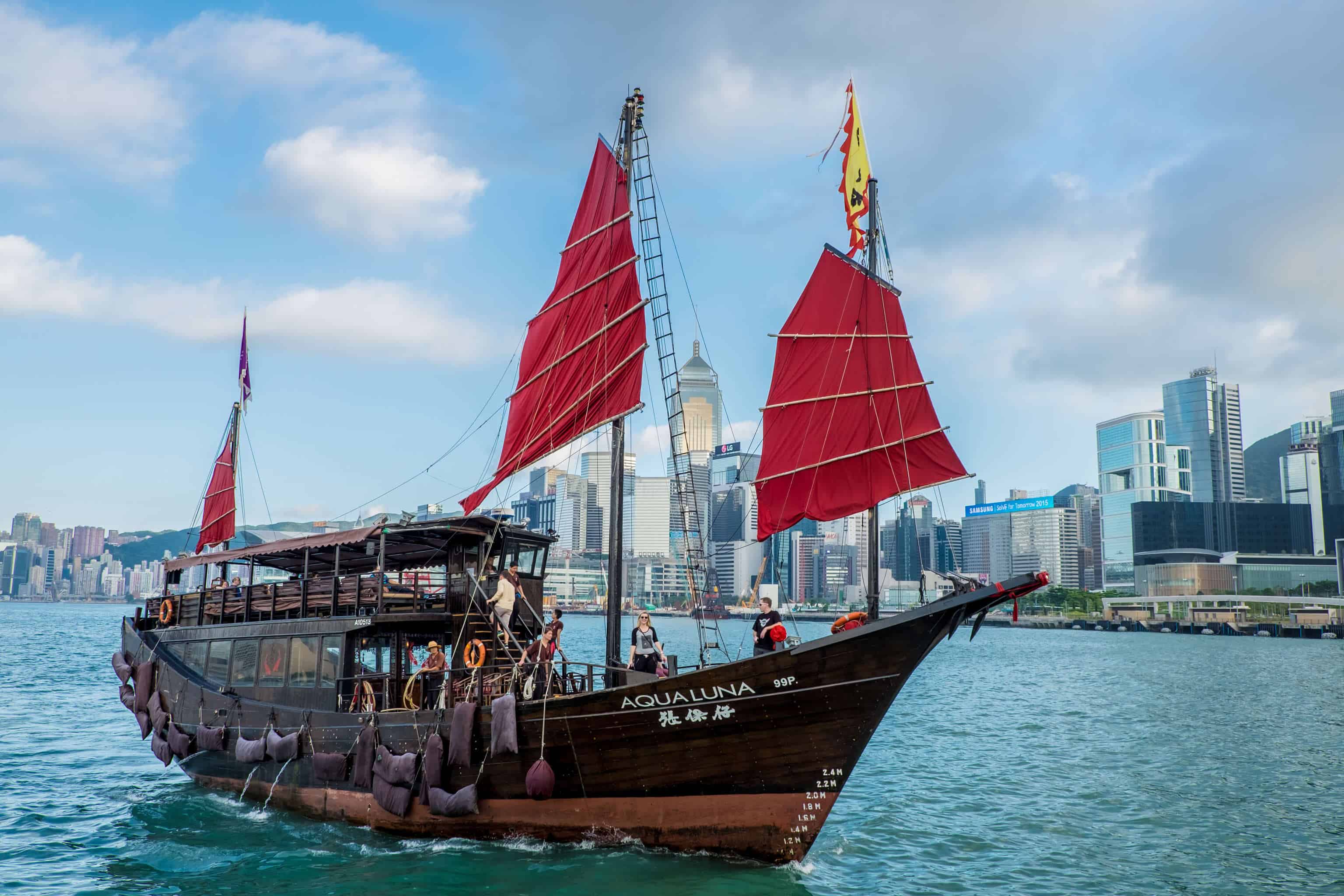
There is more than one way to see the harbour. Compare a regular ferry crossing with a dedicated sightseeing trip. Check the route and inclusions before deciding whether the extra cost adds something you want.
A first Hong Kong itinerary: give it three or four days
My suggestion is three or four full days for a first visit, if your wider trip allows it. A shorter stopover can still be worthwhile; it simply needs fewer ambitions.
| Day | Main focus | Leave room for |
|---|---|---|
| 1 | A harbour crossing and waterfront orientation | Arrival recovery, food and a first neighbourhood walk |
| 2 | Hong Kong Island: Central or Sheung Wan, with the Peak if conditions suit | A café stop and a slower evening |
| 3 | A Kowloon neighbourhood, market area and a meal you are curious about | Browsing without a list of compulsory purchases |
| 4, if available | One Lantau, outlying-island or countryside outing | The journey, weather changes and a sensible return buffer |
Move the outdoor days when the forecast calls for it. If you only have a day, I would focus on the harbour, one neighbourhood and a good meal. For a short stopover, work backwards from the airport deadline. Slower travel is useful even when the visit itself is brief.
When to visit Hong Kong
For a visit built around walking and sightseeing, I would start by comparing November and December. The Hong Kong Observatory’s climate guide describes these months as generally comfortable, with pleasant breezes and sunshine.
March and April can be milder but humid or foggy. May through August are generally hot and humid, with showers and thunderstorms. Tropical cyclones can affect Hong Kong from May to November, most commonly from July to September.
Those are climate patterns, not a forecast for your dates. Check the Observatory’s current warnings and follow local instructions when severe weather affects transport or attractions.
Also, check holidays and major events before booking. Dates, demand and the particular hotel can change the price; “shoulder season” is not a discount code.
What should you budget for Hong Kong?
Hong Kong can accommodate very different spending habits. However, accommodation is worth pricing early, especially when space, location and comfort matter to you.
Build your total in Hong Kong dollars (HKD), then convert it for comparison with your home budget. This avoids confusing a local quote with a figure in U.S. dollars.
- Accommodation: compare the final charge, room size, taxes, cancellation terms and location.
- Transport: include the airport journey, local travel and any island outings.
- Food: allow for a realistic mix of simple meals and the places you want to try.
- Sightseeing: separate free walks and harbour views from paid attractions or tours.
- Extras: leave room for shopping, drinks and a change of plan.
My preference is to choose the things I care about before adding optional spending. My travel budget guide explains how to make that calculation.
Before you go: entry rules and practical checks
Check the requirements for your own passport through the Hong Kong Immigration Department. Visa-free eligibility and the permitted visit period depend on nationality and travel document.
If you are combining Hong Kong with mainland China or Macao, check the arrangements for every part of the journey separately. Do not assume permission for one destination covers another.
Also, read your government’s current travel advice and local-law guidance before departure. My earlier visits explain why I like Hong Kong; they cannot establish today’s conditions for your trip.
Save your accommodation address, keep a usable map and plan mobile connectivity. For arrival day, a simple transfer and an unhurried meal are perfectly respectable achievements. My travel logistics guide can help with the details.
The detour was worth it
I went to Hong Kong because I wanted a landing. What stayed with me was the city.
The approach to Kai Tak belongs to the past, but the curiosity that took me there is still useful. Follow something that interests you. Cross the harbour. Try the breakfast. Walk a little further when you have time.
You do not need to recreate somebody else’s entire list to have a worthwhile visit. A few plans and enough room to notice things will serve you well.
And if your route looks slightly peculiar on a map, I am probably not the person to judge. For more ideas, browse the destination guides or explore why we travel.
Questions about visiting Hong Kong
How many days do you need in Hong Kong?
I suggest three or four full days for a first visit if possible. A shorter stopover can still work well when you focus on the harbour, one neighbourhood and a few personal priorities.
Is it better to stay on Hong Kong Island or in Kowloon?
Either can work. Compare the exact accommodation location with your planned journeys. Central and Sheung Wan suit many Island-focused outings; Tsim Sha Tsui and Jordan are useful Kowloon options. Check station access, room size and walking conditions.
Do I need an Octopus card?
It can be a convenient payment option, but it is not a compulsory sightseeing pass or an unlimited-travel ticket. Compare the available versions and payment methods for your intended journeys.
Can I still land at Kai Tak Airport?
No. My arrival story is historical. Airport operations moved from Kai Tak to Chek Lap Kok in July 1998. Use current airport and transport information to plan your own arrival.
When is the best time to visit Hong Kong?
For walking and sightseeing, November and December are worth comparing. Weather varies, and summer can be hot, humid and affected by storms. Check the forecast, warnings, holidays and events for your dates.
Is A Symphony of Lights free?
The official show information lists free public viewing and an 8pm start. Check current announcements and weather-related suspensions before making plans.
Do I need a visa for Hong Kong?
Requirements depend on your nationality and travel document. Check the Hong Kong Immigration Department’s current rules. If your trip also includes mainland China or Macao, check those arrangements separately.
What was your first Hong Kong impression?
Was it the harbour, the food, a market or an arrival you still remember? Share your experience below—and tell a first-time visitor what you would make time for.
Find your next stop
Keep exploring
Plan your world travel
Build a trip around your curiosity, time and budget.