IRELAND · A DUBLIN INTRODUCTION
Dublin: Come for the Craic, Stay for the City
A city break with history, good food and a little room for whatever happens next.
By Rob Wheatley – Program Director & traveler.
Rebuilt and researched 22 October 2026

The short version: Dublin is a rewarding introduction to Ireland, with history, museums, food and pub culture beyond its famous nightlife. This guide helps you choose a manageable city break, plan transport and accommodation, recognise the downsides, and continue into the Republic of Ireland, Northern Ireland and the wider region.
Dublin deserves more than a drinks menu
In Dublin, “just one pint” is a work of fiction. Everyone involved knows it, and nobody minds.
The better surprise is how much there is to enjoy before anybody reaches for a glass.
This guide starts with the city as I remember it: a landmark that kept me from getting lost, a street with more history than I expected, and a neighbourhood where the atmosphere was half the attraction. Then it helps you build a city break that doesn’t turn into another frantic sightseeing competition.
My advice is simple. Give Dublin two or three full days if you can. That’s a recommendation, not a claim that you’ll finish the place. Pick a couple of paid highlights, leave room for the free ones, and protect lunch like it’s a national monument.
When you’re ready to leave the city, my Republic of Ireland destination guide will help you build the wider journey. Dublin is the introduction to Ireland, not a substitute for it.
Find your bearings, then listen to the street
O’Connell Street was my anchor. In a new city, one recognisable route makes everything feel less complicated, especially when your phone insists on rotating the map every time you turn around.
On one visit, I stood listening to a guide explain the street. Suddenly the monuments stopped being things I walked past. That’s what a good guide does. They give you a reason to look again.
A warning, though. A handy landmark is not automatically a good hotel location. Check the map, check your arrival stop, and judge the actual street where you’ll be sleeping.
For a first wander, link O’Connell Street to the Liffey, cross towards Trinity, and drift into the streets around Grafton Street. Add St Stephen’s Green if you need a quiet moment. Keep it loose. Weather, crossings and your own legs will have opinions.
If you’d rather have someone else do the explaining, my solo versus group travel guide will help you decide where a guide earns their fee.
Temple Bar: enjoy the atmosphere, keep your judgement
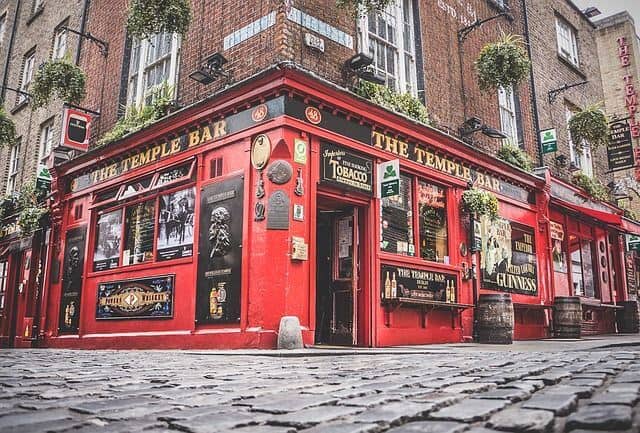
Temple Bar is a neighbourhood, not just the famous red-fronted pub in a thousand photographs. I enjoyed its energy. The voices, the music, the feeling of a night getting started: it all added up.
But it comes with trade-offs. A busy nightlife area means noise, queues, and a bill you should read before ordering another round. Have a look. It doesn’t have to become your entire Dublin.
Go earlier if you want the streets without the late night. Or compare venues elsewhere and choose for the music, food or conversation you actually want. Check whether a performance is scheduled rather than assuming every pub produces a traditional session on demand.
And book your room for sleep as well as location. A bedroom directly above the fun is charming at nine in the evening and a different story at two in the morning.
Choose your culture: books, collections or a brand with a view
Dublin offers plenty to do that isn’t a pub crawl. Choose by what interests you, not by what’s declared compulsory.
Trinity and the Book of Kells
If manuscripts, craftsmanship and historic interiors are your thing, look at the official Book of Kells Experience. Book the ticket you actually want and read what it includes. Trinity currently says most Long Room books have been removed for its redevelopment project, except the first four bays as you enter. So don’t book on the strength of an old photo of fully stocked shelves.
The free collections
The National Museum of Ireland is free, and so is the National Gallery’s permanent collection. Pick a site that appeals, then check opening hours, access and any closures. Free entry is a reason to look, not an obligation to inspect every cabinet.
Guinness
I was enthusiastic about the Storehouse in my original article, and I still understand the draw: brand history, clever design and a view over Dublin. But the standard Storehouse Experience is a self-guided attraction. The separate brewery experiences are different products, so compare the inclusions before assuming your ticket takes you onto the production floor.
For more ways to connect a place with what you eat and drink, try my food tourism article.
Eat beyond the nearest tourist menu
My old Dublin notes are full of breakfasts, cake and a shepherd’s pie remembered with great affection. My research priorities, you’ll notice, were impeccable.
But a meal I loved years ago is a memory, not a restaurant inspection. I won’t send you across town on the strength of an old menu. Build food into how you explore today.
Start with a café or bakery near your first stop. Make lunch a deliberate choice: a pub kitchen, seafood, a market-style meal, or one of the city’s many international options. Compare menus before you sit down, especially on heavily visited streets.
For dinner, choose somewhere you can easily get back from. And if you’re planning an evening performance, ask about kitchen hours. An open bar does not mean an open kitchen.
You needn’t drink to enjoy a pub meal or the music. Nor do you have to order the most “Irish” thing on the menu at every sitting. A city’s food culture includes the people who live there now.
A two-day Dublin plan with room to enjoy it
Treat this as a structure, not a timetable. Check opening days and book any timed attraction first.
- First morning: Get your bearings around O’Connell Street and the Liffey, then take a guided walk or carry on solo.
- First afternoon: Trinity if you’ve booked, or a museum or gallery. Leave space for lunch and a park pause.
- First evening: Look around Temple Bar, then choose dinner and music to suit your mood and budget.
- Second morning: One main paid attraction, such as the Storehouse, or another collection.
- Second afternoon: Give a neighbourhood, bookshop or café some unhurried attention.
- An extra day: Stay in the city or pick one realistic excursion. Do not try to sample the entire country.
For that extra day, compare car, train and tour options against your interests. If your plans already feel crowded, another day in Dublin may be the better choice.
Getting around, choosing a bed and counting the cost
Walk where it makes sense
A central visit can mix walking with buses, Luas trams and rail. Check distances against your energy and access needs. “Walkable” is not a promise about every route.
Compare ordinary Leap fares with the Leap Visitor Card for the journeys you’ll actually make. The visitor product covers specified public transport services, not every operator. Dublin Express, for one, says it doesn’t accept Leap Cards. Check your airport service separately.
Choose the street, not just the postcode
Accommodation can eat a big chunk of your budget. Compare the total room price, cancellation terms, likely noise and the route home. A cheaper room is poor value if every evening ends with an expensive transfer.
Before booking, read my guide to reading hotel reviews. Look for repeated, recent comments about sleep, cleanliness and location, not one dramatic complaint.
For decisions beyond the city, my travel logistics guide helps connect the moving parts. And keep tickets, airport travel, meals and accommodation in one budget, rather than mentally charging each to a different holiday.
The side of Dublin the postcard leaves out
Affection for a city should not require selective eyesight. Dublin can be expensive, popular places get crowded, nightlife can be rowdy and rain can change the shape of your afternoon.
There is also crime. The US State Department’s Ireland advice, checked on 22 October 2026, rates the country Level 1: exercise normal precautions. Nevertheless, it warns about petty crime in tourist locations and notes that some thefts can involve violence.
Keep your bag closed, avoid leaving a phone on a café table and arrange a sensible route home. If a confrontation develops, prioritise getting away and seeking help. These precautions reduce some risks; they cannot guarantee safety, and responsibility for crime belongs to the offender.
For assistance after a crime, see Tourist SOS. In an emergency, call 112 or 999.
Meanwhile, uneven paving, steps and busy crossings can matter as much as distance. Check individual venues’ access information, and use my accessible travel guide to prepare specific questions.
Let Dublin open the door to the rest of Ireland
Once the city has introduced itself, decide what you want next. A coastal journey, smaller towns and a longer stay in one region require a different plan from another city afternoon.
- Explore the Republic: the Republic of Ireland guide covers bases, seasons, transport and wider trip choices.
- Continue north: the Northern Ireland guide introduces Belfast, the coast and practical differences. Check the entry requirements for your passport before crossing jurisdictions.
- Compare nearby destinations: browse the British Isles regional hub and Northern Europe hub.
- Build a bigger journey: start with Plan Your World Travel, then choose places that fit the time and energy you have.
My advice is to keep the curiosity and lose the urge to collect everything. Dublin can give you history, a good meal and a lively evening. However, it becomes more memorable when you leave enough room to notice which of those things you actually came for.
Dublin travel questions
How many days should I spend in Dublin?
Two or three full days is my suggested starting point for a first city break. Add time if you prefer a slower pace or want an excursion. It is a recommendation, not a fixed requirement.
Do I need a car in Dublin?
For a central city break, I would usually plan around walking and public transport. Compare a car separately for the wider Ireland route, including parking and collection arrangements.
Is Temple Bar worth visiting?
It can be, especially if you enjoy a lively atmosphere. However, check prices, expect noise and explore elsewhere too. Staying nearby and sleeping directly over nightlife are different decisions.
Can I use one ticket for every airport bus?
No. Check the exact operator and ticket product. The Leap Visitor Card covers specified services; Dublin Express says it does not accept Leap Cards.
Where should I go after Dublin?
Use the Republic of Ireland guide to choose a region and realistic bases. For a journey north, consult the Northern Ireland guide and check the applicable entry requirements.
What made Dublin memorable for you?
Was it a museum, a conversation, a meal or a pub you only meant to stay in for ten minutes? Share your experience below.
About Rob: I’m Rob Wheatley, a Program Director, former ocean Cruise Director and lifelong traveller. This article draws on my earlier Dublin notes, with practical information researched again in October 2026. Memories are presented as memories; current visitor arrangements should be checked with the linked operators.