Europe Region Guide
British Isles Travel Guide
This British Isles travel guide helps you choose between Britain, Ireland and island journeys. First decide which experiences matter most, then build a route with time to enjoy them. Compare bases, seasons and transport before booking, and leave room for a slower day rather than filling every gap with another transfer.
Big history, sharp humour, moody coastlines — and cities that know how to do a proper weekend.
The British Isles are a short-hop cluster of countries and islands that travel surprisingly differently from one another. One day you’re in a neighbourhood that feels like its own universe; the next you’re on a cliff path wondering if “sunbreak” is a real weather category.
This hub is about the feel + the practical shape of the region — what links it, what doesn’t, and how to plan it without turning your trip into a constant repacking exercise.
The Cheat Sheet — The British Isles (60-Second Scan)
If you’re skimming on your phone between platforms (or while pretending the drizzle is “atmospheric”), here’s the quick snapshot.
- What it is (how I’m using it): Great Britain + Ireland plus the nearby islands you realistically link into those trips. Britannica
- Currencies: GBP (£) in the UK & nearby islands; EUR (€) in the Republic of Ireland
- Best time to visit: May–Sept for longer days; Oct–Apr for city breaks, pubs, and fewer crowds
- Emergency: UK uses 999 / 112; Ireland uses 112 / 999
- Travel style: Train-forward, walkable cities, weather-flexible plans, and “small towns done properly”
Don’t plan this region like Mediterranean Europe. Build in weather slack, keep your days modular, and you’ll enjoy it more.
Map
British Isles overview
A simple anchor so “UK / Ireland / islands” doesn’t get tangled.
This page keeps the planning simple — not because geography is simple, but because your trip should be.
Starter Routes That Don’t Feel Like Punishment
These are “good first drafts” — balanced, realistic, and friendly to weather chaos. Swap cities as needed, but keep the rhythm: one base + one reset.
Classic
London + a coast/countryside reset
Use London as your engine, then disappear somewhere green or salty for a few nights. The contrast is the point.
- Base: London (4–6 nights)
- Reset: South Coast / Cotswolds / Cornwall / Northumberland (3–5 nights)
- Best for: first-timers who want “iconic + human-scale”
Storybook
Edinburgh + Highlands-lite
You get big history, then wide-open scenery. Also: the day length up north in summer feels like cheating.
- Base: Edinburgh (3–5 nights)
- Reset: a small town + hikes (3–5 nights)
- Best for: walkers, photographers, “I want air” people
Easy-mode
Dublin + one slow corner
Dublin is social and compact. Then you pick a coastal stretch and let your days breathe.
- Base: Dublin (2–4 nights)
- Reset: West coast / small city + countryside (4–6 nights)
- Best for: short trips that still feel “full”
If you can’t explain your route in one sentence, it’s probably too many moves. Keep the storyline simple — your memories will get richer.
What’s Included in “The British Isles” on This Site?
For this hub, I’m using “The British Isles” the way travellers tend to use it: as a handy “all the nearby islands I might realistically link together” bucket. Britannica describes it as Great Britain + Ireland plus a whole constellation of smaller islands — and notes the Channel Islands are sometimes included. So I’m including them here too, purely for planning sanity (and because islands have a way of sneaking into your itinerary the moment you start looking at ferry times). Britannica definition
Countries & key islands include
Currencies
Simple juggle: GBP in the UK & nearby islands, EUR in the Republic of Ireland.
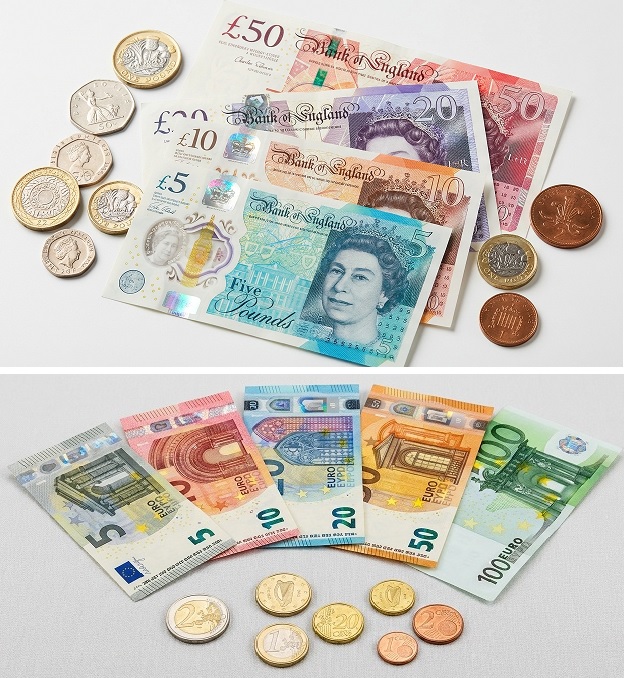
Money reality: you’ll mainly juggle GBP and EUR.
Tiny terminology heads-up (said with a gentle smile): people use these labels differently, and that’s where travel conversations can go to die. I’m not here to referee it — I’m here to help you plan a trip that doesn’t accidentally turn into a geography exam. The simple mental shortcut: the UK is a political union; the British Isles is a geographic grouping (with edge cases). Britannica
Note: This hub is orientation. The country/island pages are where we get properly specific (costs, seasons, cities, routes, and the “what I’d actually do” details).
On the ground
How it flows
Trains, ferries, pub rhythm, and the small habits that make it click.
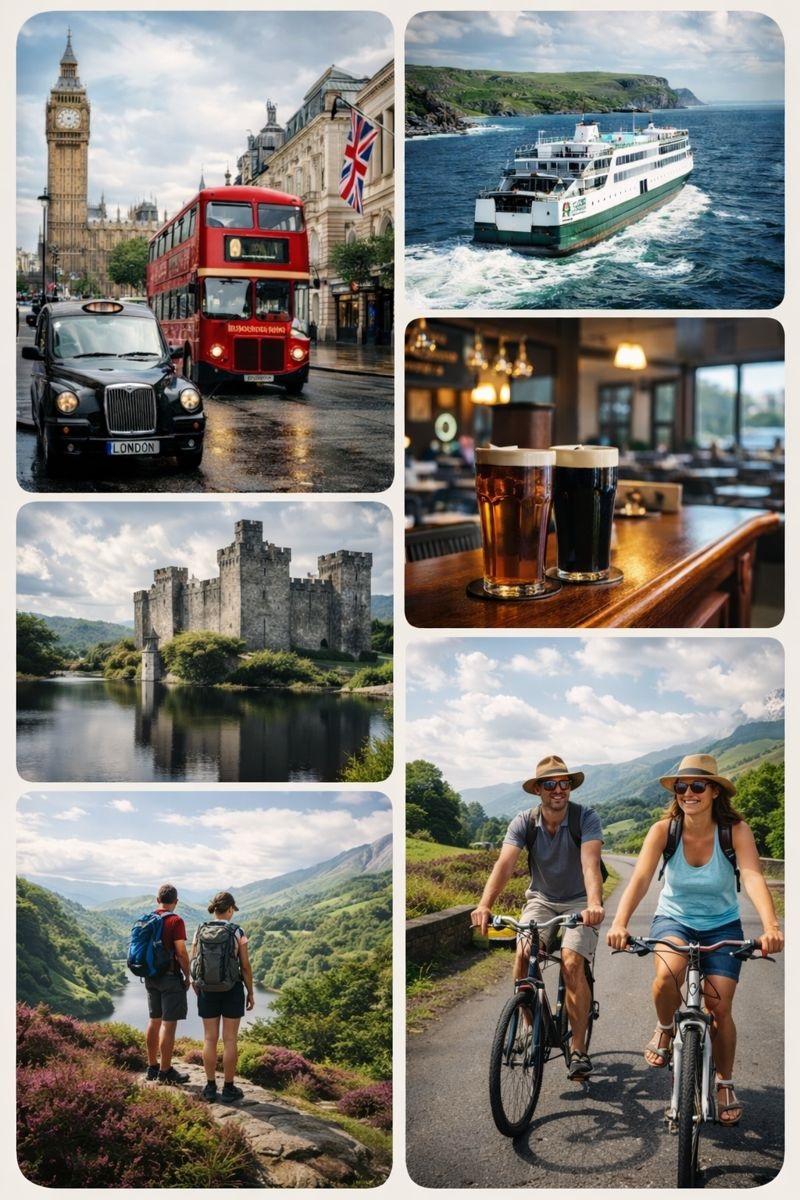
Think “walkable base + coastal reset” — then add ferries only when you’ve got the breathing room.
Vibe Check — How The British Isles Feel
The shared thread: strong local identity, great storytelling, and landscapes that hit harder than you expect.
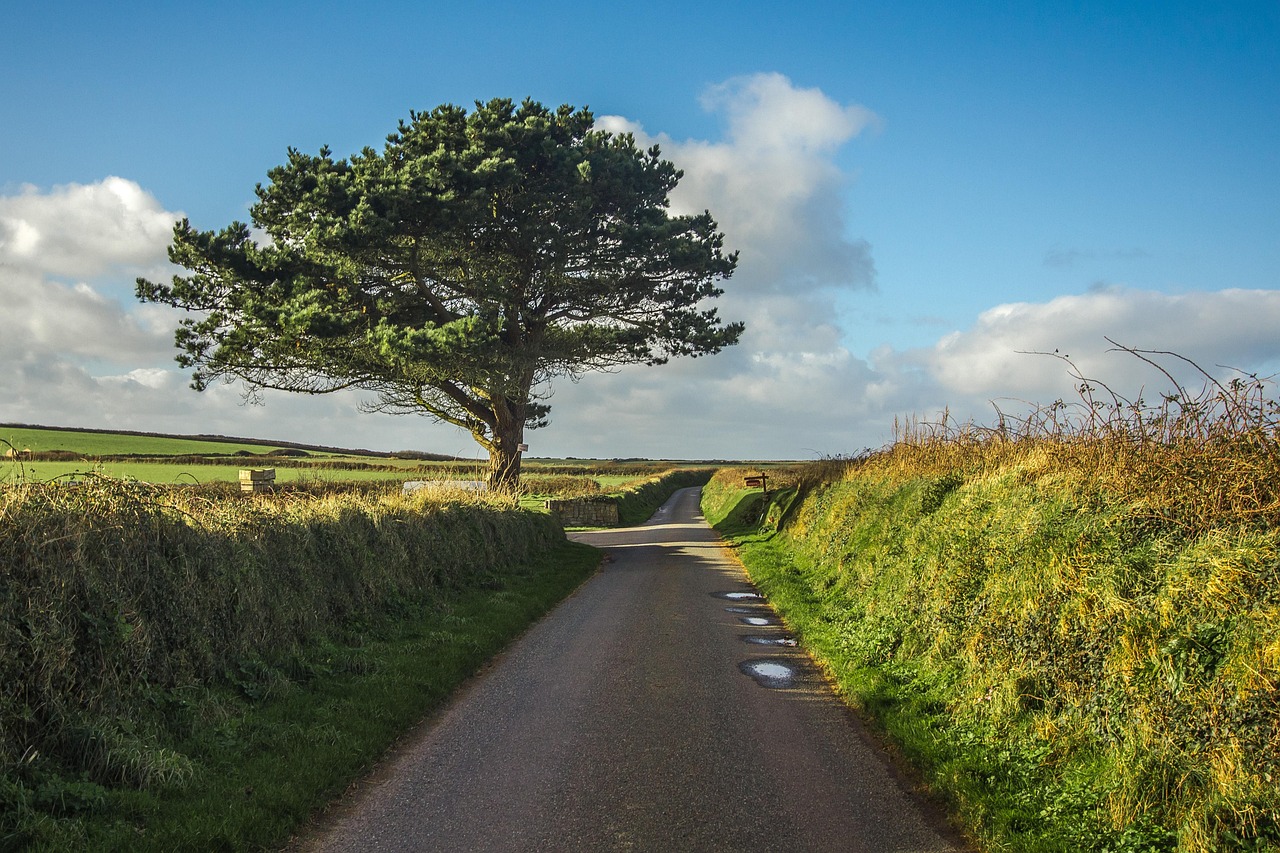
The atmosphere
Expect contrasts: polished city neighbourhoods, scruffy seaside towns, postcard villages, and pockets of wild coastline where your plans suddenly become “walk until hungry.”
Humour & social style
Banter is cultural glue. People can sound blunt, but it’s often warmth in disguise. If you’re polite, self-aware, and not too loud about it, you’ll do fine.
Who it’s best for
Travellers who like history with texture, cities you can walk for hours, and nature that’s accessible without being overly “adventure-coded.”
The “best” day here is often a simple one: a museum, a long lunch, a coastal walk, then somewhere warm with soup (or pie) while the weather argues with itself outside.
Street Smarts — How to Blend In Without Trying Too Hard
No cosplay required. A few small moves will make everything smoother.
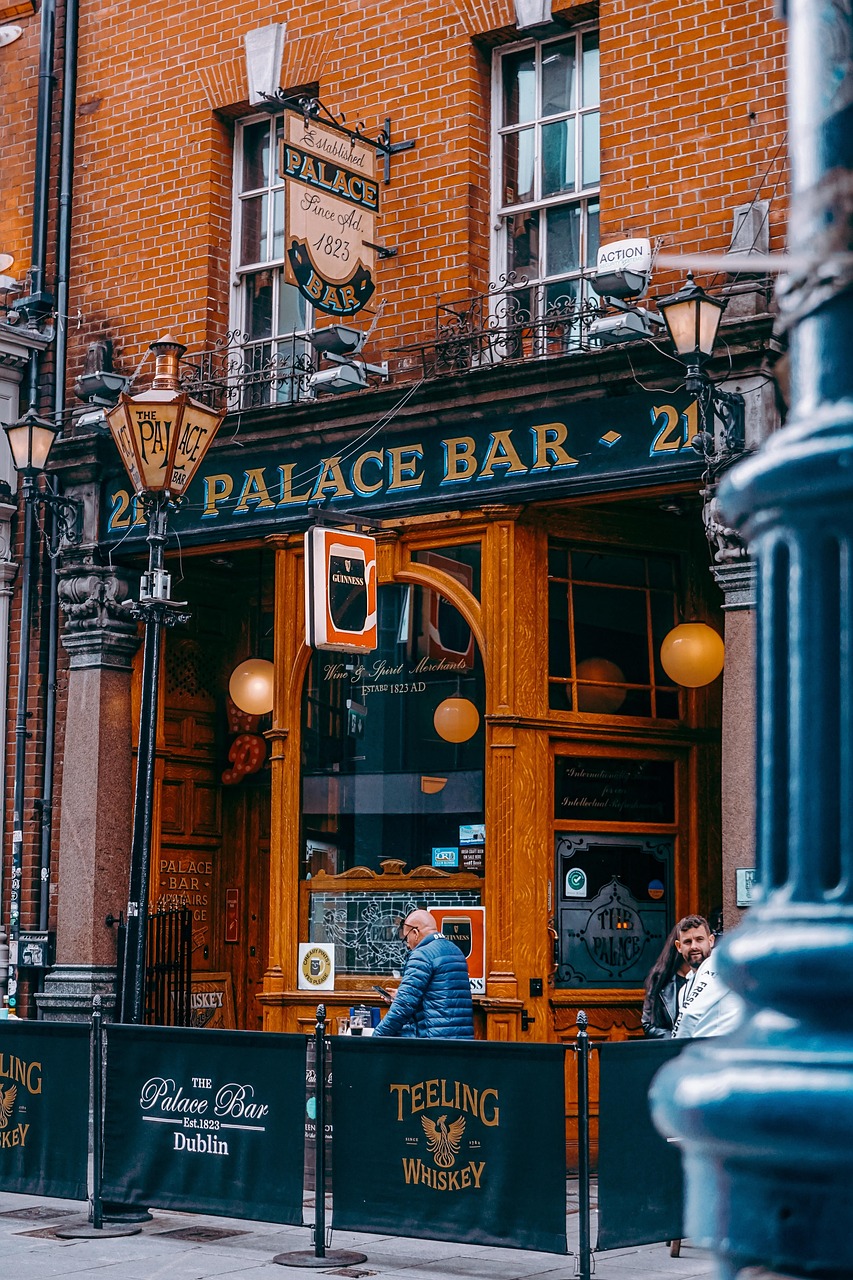
The fastest way to have a bad day here is arguing with the weather or the timetable. Keep your plan flexible, book key legs, and let the rest breathe.
Quick moves that help
- Queueing is sacred: if there’s a line, join it. Even if it’s subtle. Especially if it’s subtle.
- Pub ordering (basic): in many pubs you order at the bar, not at the table. Be ready, be quick, say please/thanks.
- Regional pride is real: don’t treat England/Scotland/Wales/Ireland like interchangeable “UK vibes.” Learn the basics and listen more than you talk.
- “How are you?” isn’t always a question: often it’s just a greeting. “Fine, thanks — you?” is perfect at the checkout.
- Indoor voice wins: a little restraint reads as respectful here. You’ll get warmer interactions when you match the room.
- Weather talk is normal: it’s not small talk filler — it’s a shared reality check before you all go outside again.
Note: If someone teases you a bit, it’s usually a good sign. If they’re truly annoyed, you’ll feel the temperature drop immediately.
Logistics Lite — The Easy Stuff You’ll Appreciate
The British Isles are simple to travel once you accept the main rule: the fastest route is not always the calmest one.
Borders & admin
The UK and Ireland are separate states with different currencies and systems. Build your plan around that early, and everything else is easy.
Visas and travel documentsGetting around
Trains do the heavy lifting in Great Britain. Ferries unlock islands. In peak season, book the “must-do” legs first — then let your days stay flexible.
Logistics & transitPower, data, and basics
- Power: Type G plugs are the norm across the UK, Ireland, and the nearby islands.
- Connectivity: Strong coverage; eSIMs work well for visitors.
- Weather: Layering beats “one big coat.” Always.
The Un-Googleable Stuff — What You Only Notice After a While
Not the checklist. The small levers that change the feel of a day.

Weather is the schedule
The best days here are built like playlists: you’ve got a plan, but you’re happy to remix it depending on light, wind, and rain.
Small towns hit hard
Big cities get the hype, but the emotional “I’ll remember this” moments often happen in smaller places — especially on the coast.
The British Isles reward a slower travel brain: shorter distances, fewer bases, more wandering.
And yes — the “proper” version of this region is often the least glamorous one: a local market, a long walk, a warm pub, and an early night.
The Gap — Things Most Travelers Don’t Think to Ask
Not warnings. Just avoidable friction.
The sneaky friction points
- Distances look small — time isn’t: narrow roads, roundabouts, speed cameras, and village traffic add up fast. Build buffer into “easy” travel days.
- Peak season is sneaky: the popular islands and coastal routes can sell out early. If there’s one ferry or train you must take, book it.
- “City centre” parking is a trap: if you’re driving, use Park & Ride where available or park outside and take public transport in.
- “Tea” can mean dinner: in parts of Northern England and Scotland, “tea” often means the evening meal — not the drink.
- Weather can steal your best view: keep one “weather window” day open for the coast/cliffs/scenic drive.
Fewer moves, better trip. The region is dense with experiences — no need to sprint.
How to Use This Region Page
This page gives you the broad emotional + logistical picture. Each country/island page goes deeper — costs, seasons, cities, and the practical “what I’d do first” details. Think of this as orientation, not the instruction manual.
If you’re choosing where to begin: pick one major city base (London / Edinburgh / Dublin) + one coast or countryside base, then add an island if you want a proper reset.
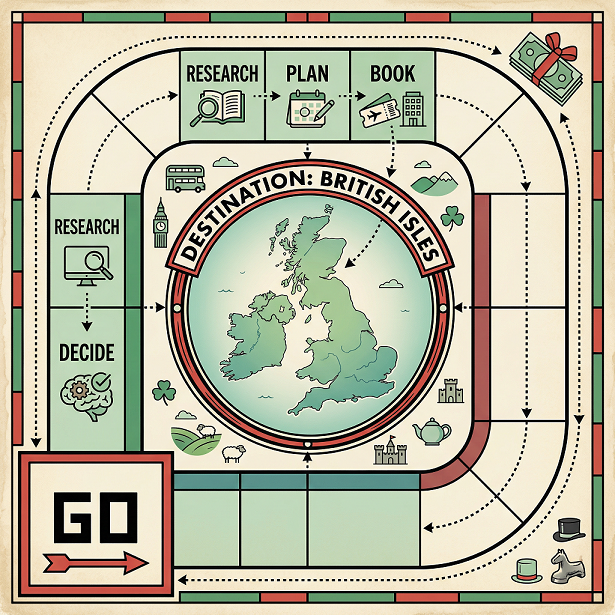
Plan your next step
Compare the Europe travel hub, then use the trip-planning guide to work through dates, connections and budget.
For UK travel planning, check VisitBritain’s visitor information. The Republic of Ireland has its own entry arrangements; check these for your passport and route.
Join the conversation
Have you done the British Isles slowly — or are you planning your first trip? Drop your route, your favourite small town, or your “this surprised me” moment below so the next traveller can steal your good ideas.