NORTHERN IRELAND, WHERE THE COAST LOOKS LIKE A LEGEND (AND THE TEA ISN’T A SUGGESTION)
Northern Ireland Travel Guide: Big Coast Energy, Small Distances, Smart Loop Days
This Northern Ireland travel guide helps you choose between Belfast, coastal scenery and a manageable route. First decide which experiences matter most, then build a route with time to enjoy them. Compare bases, seasons and transport before booking, and leave room for a slower day rather than filling every gap with another transfer.
Northern Ireland is compact in the best way: you can get a proper city hit, a wild coastline day,
and a “quiet village / pub / walk” reset — without turning your trip into constant packing and driving.
The secret is simple: base well, then run your days as loops.
It’s part of the United Kingdom, so you’ll use GBP (£), drive on the left,
and see speed limits in mph. Also: you can be at the sea in under an hour from Belfast,
which is basically unfair (in a good way).
My Northern Ireland rule: pick your “feel” first. If you want energy and variety, base in Belfast.
If you want coast, base on the north coast and commit to fewer moves.
Either way, the wins here are rarely the “big attractions” alone — it’s the in-between moments:
a harbour at dusk, a bakery detour, a short cliff walk, a warm booth with rain tapping the window.
If you only read one part, read this. Northern Ireland is small enough to feel easy — and rich enough to punish overplanning.
Best first move: Choose a base (Belfast for variety, north coast for sea-and-walk days) and keep trips loop-shaped.
When it “clicks”: You stop trying to “cover everything” and give one coastline stretch a whole afternoon.
Money truth: Northern Ireland uses GBP (£). If you cross into the Republic for a day, you’ll switch to EUR (€).
Driving reality: Left-hand driving + mph. Distances are short, but roads (and photo stops) make days longer than you think.
Low-stress win: One “anchor” per day (causeway / castle / museum / walk), then ordinary joy (tea, bakery, pub, harbour bench).
Classic mistake: Doing Belfast like a checklist, then sprinting the coast. Pick one: city depth or coast depth — and add a sprinkle of the other.
Key Takeaway
Northern Ireland rewards a calm formula: one base, one big day, one soft day, repeat.
60-Second Fit Check
Ideal trip length: 4–7 days (one base), 8–12 days if you want a second base without rushing.
Best energy level: Medium — it’s best when you mix “do” days with “sit and feel human” days.
First-timer friendly: Yes — especially if you pick one base and keep day loops tight.
Budget vibe: Mid, with seasonal spikes (summer weekends + school holidays = higher stays).
My simple rule: If your plan needs perfect weather to work, it’s not a Northern Ireland plan yet.
Reality Check
The “best” day is often the day you leave a gap and let the place surprise you.
The Northern Ireland That Clicks: Causeway Coast Loops (Stay Long Enough to Feel the Drama)
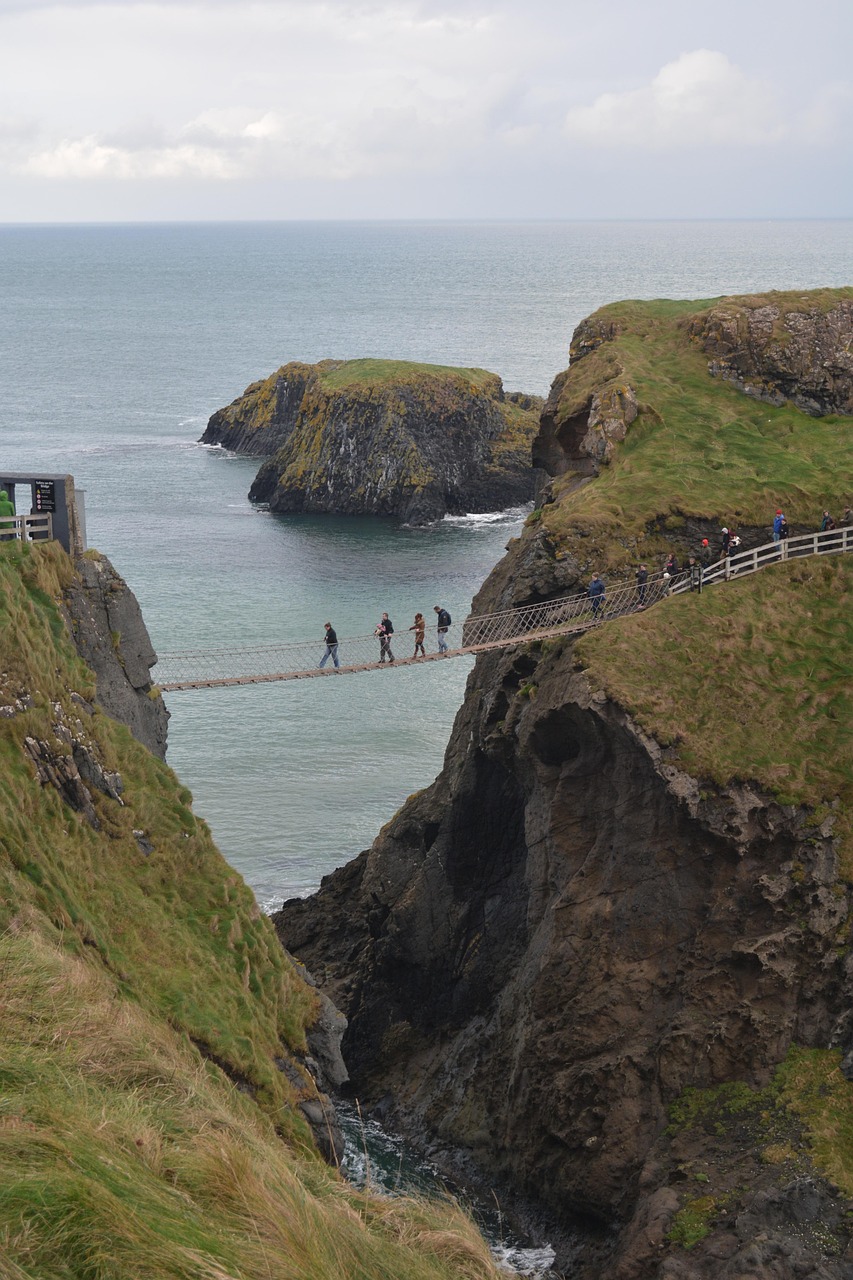
If you want Northern Ireland to hit you in the chest a little (in the best way), give the north coast a proper day — not a rushed drive-by.
The Causeway Coast is a mix of raw Atlantic views, cliff paths, and those “how is this real?” moments that don’t photograph as well as they feel.
The obvious headline is Giant’s Causeway — yes, it’s famous, and yes, it’s worth it —
but the magic is the rhythm: a short walk, a slow lunch, another viewpoint, and time to stand still without checking the clock.
Also: be kind to the place. “Leave no trace” here isn’t a slogan; it’s survival.
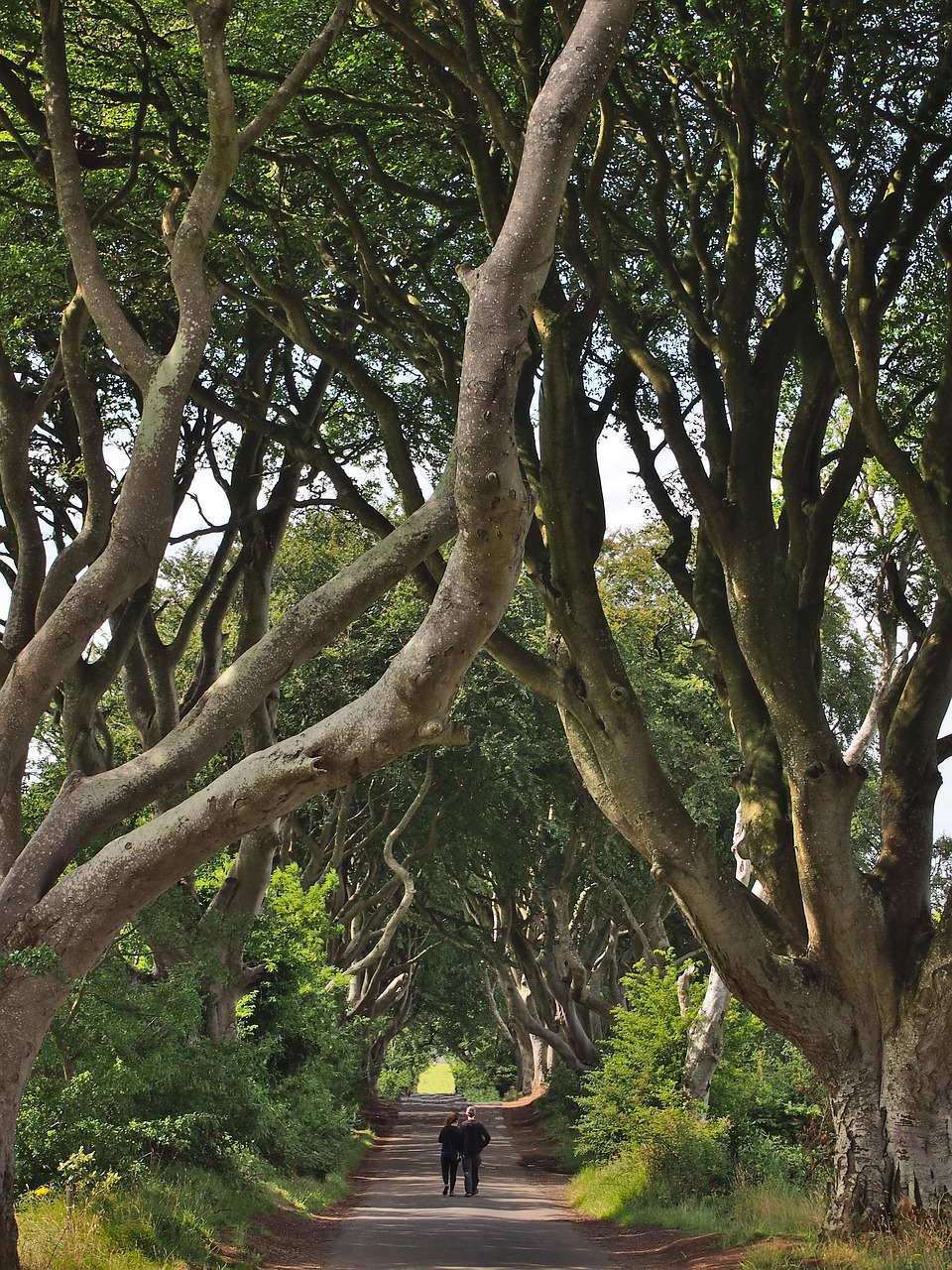
If you’re tempted by the Dark Hedges, know it’s pedestrianised (no vehicles) — which is good for the trees and the experience.
Plan it as a quick stop, then let the coast do the heavy lifting.
What I’d do
Base on the north coast for 2–3 nights if you can. If you’re Belfast-based, do one big coast day, start early,
and keep the afternoon flexible for detours.
Vibe Check: What Kind of Northern Ireland Are You Actually Here For?
Decide how you want your days to feel first. Northern Ireland can do a lot — but it’s best when you stop trying to do every version of it.
Belfast base (culture + food + easy escapes)
You want museums, neighbourhoods, live music, and a city that still lets you reach coast and countryside quickly.
Belfast works brilliantly if you keep day trips selective.
Plan like: one “big” city day + one coast day + one softer local day.
Coast + walking (sea air therapy)
You want cliff paths, viewpoints, harbours, and that “my brain finally shut up” feeling.
The north coast delivers — as long as you give it time.
Plan like: base near the coast and do loops, not sprints.
Lakes + slow towns (quiet beauty)
You want gentle scenery, unrushed meals, and days where “the plan” is a walk, a chat, and a warm place to sit.
Inland Northern Ireland can be wonderfully calm.
Plan like: one anchor, then let the day breathe.
Northern Ireland in Four Seasons: Same Map, Totally Different Mood
The weather is famously changeable, but it’s also part of the atmosphere. Pack for layers and plan for flexibility.
Spring
Longer light returns, coastal walks feel fresh, and prices are often kinder than peak summer.
Bring a windproof layer and you’re golden.
Summer
Best odds for calmer weather and late sunsets — but also busier roads and higher accommodation costs.
Book your base early if you’re set on weekends.
Autumn
My favourite “soft drama” season: moody skies, fewer crowds, and that cosy-after-a-walk feeling
that Northern Ireland does so well.
Winter
Short daylight and wilder weather — but quieter attractions, lower crowds, and peak “pub + fireplace” energy.
Plan your days tighter and start earlier.
Keep in Mind
Build one “weather-flex” day on purpose (museum / food crawl / short viewpoints). That’s how you stay calm when the Atlantic has opinions.
Street Smarts: Small Rules That Save Big Stress
Drive left + mph. If you’re new to it, your first roundabout will feel personal. Take it slow.
Short distances still eat time. Coastal roads, tractors, photo stops, parking — build buffers.
Border reality: Crossing into the Republic can be easy, but always carry ID and check your entry rules.
Dark Hedges: It’s pedestrianised (no vehicles). Plan it as a quick stop, not a whole-day mission.
Parking in popular spots: Arrive earlier than you think — or accept a longer walk (which is often nicer anyway).
What I’d do
Start earlier than I want to on coast days, do the “serious” walk first, then let the afternoon be flexible.
Northern Ireland is better when you still have energy after lunch.
Travel like locals: simple routes, early starts, and a little buffer so the day stays yours.
Logistics Lite
Northern Ireland is easy once you handle the modern basics up front: entry rules, money, power, “how to move,” and driving fine print.
Entry rules (UK) & the ETA era
Northern Ireland is part of the United Kingdom, so UK entry rules apply.
Depending on your passport, you may need a visa, and some visa-free visitors may need an Electronic Travel Authorisation (ETA).
Always confirm your requirements close to departure.
Northern Ireland uses British pounds (GBP £). Cards/contactless are common.
If you do a day trip into the Republic, you’ll switch to EUR (€) — so keep a small plan for that.
Getting around: city public transport + car for “the good stuff”
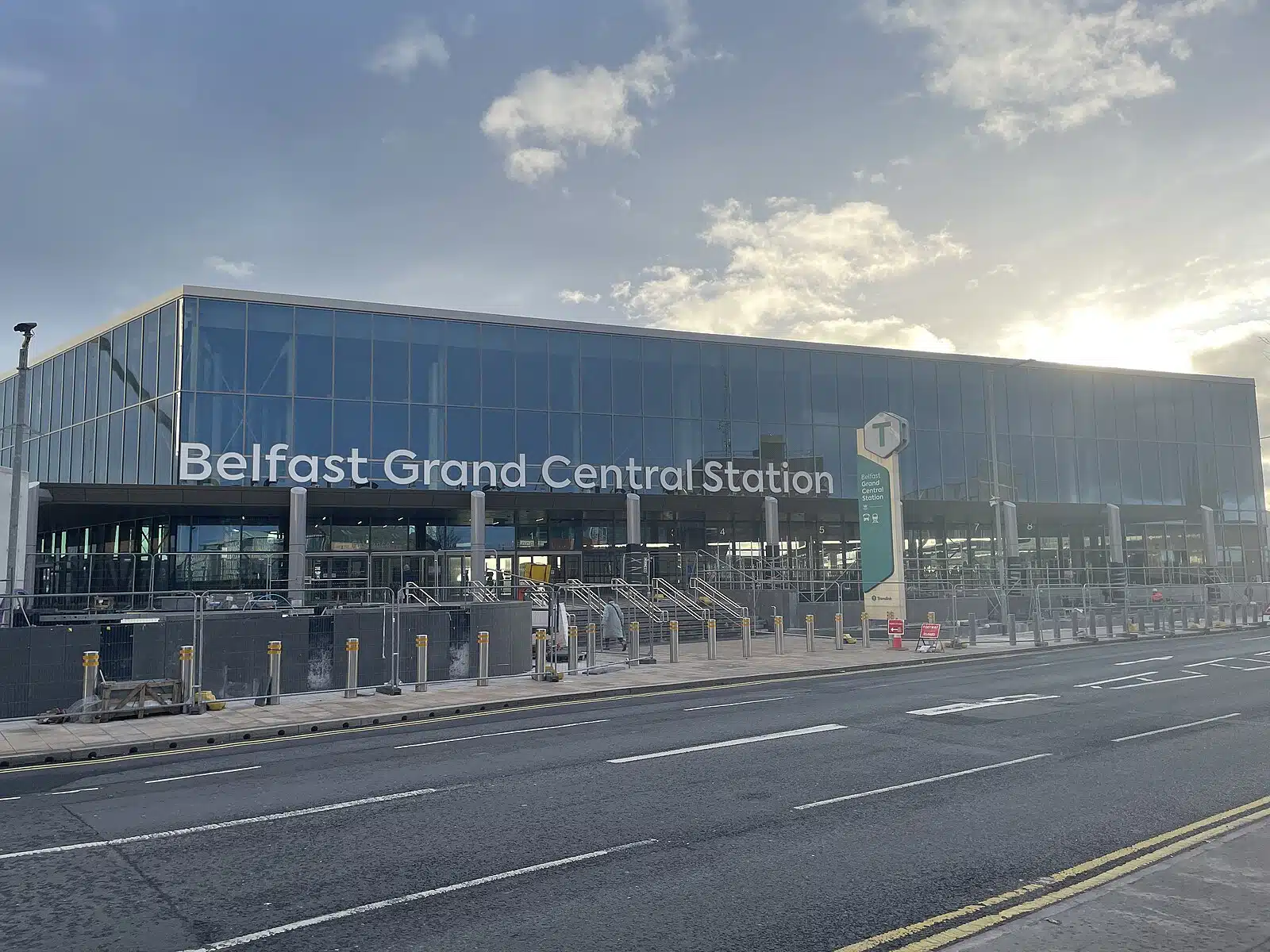
Belfast and some corridors are doable by public transport, but coastlines and smaller towns are easier with a car.
If you’re car-free, choose a base with strong transport links and keep day trips realistic.
Driving: calm routes, clear limits, and the alcohol line
Driving is often the easiest way to see Northern Ireland — but build buffers, respect narrow roads,
and don’t treat your day like a stopwatch.
Northern Ireland’s drink-drive limits match England & Wales (not Scotland), so be conservative if you’re driving.
The best coast day is the day you aren’t stressed about getting “everything” done before dark.
Base Plans: 3 Simple Ways To Build A Northern Ireland Trip That Still Feels Good at 3pm
Pick one. You can sprinkle day trips later — the goal is a trip where you’re not constantly packing, paying, and recovering.
Plan A: Belfast base (4–7 days)
Base: Belfast (4–7 nights).
Do: 1–2 city days + 1 big coast loop + 1 softer local day.
Rule: Your coast day starts early. Your next day is slower by design.
Why it works
You get variety without turning the trip into constant moving.
Plan B: North coast base (3–6 days)
Base: North coast (3–6 nights).
Do: One “headline” day + two gentle loop days (harbours, short walks, viewpoints).
Rule: One anchor per day. Anything extra is a bonus.
Who this is for
If you want sea air and drama without driving half the day.
Plan C: Two-base sampler (7–10 days)
Base 1: Belfast (3–4 nights).
Base 2: North coast (3–5 nights).
Rule: Transfer day is a soft day — no hero itinerary layered on top.
The win
You see contrast without the “hotel check-in fatigue” spiral.
In Northern Ireland, your budget is often decided by your pace — and your timing.
Costs & Pace: What Actually Moves The Needle in Northern Ireland
Northern Ireland gets “expensive” the same way many places do: last-minute stays, peak weekends,
and plans that force convenience purchases (parking panic, rushed meals, extra driving).
The good news: you can fix most of it with a calmer structure.
Timing: Summer weekends and school holidays push accommodation up fast.
Base count: Fewer bases = fewer transfers = fewer “oops” costs (and less fatigue).
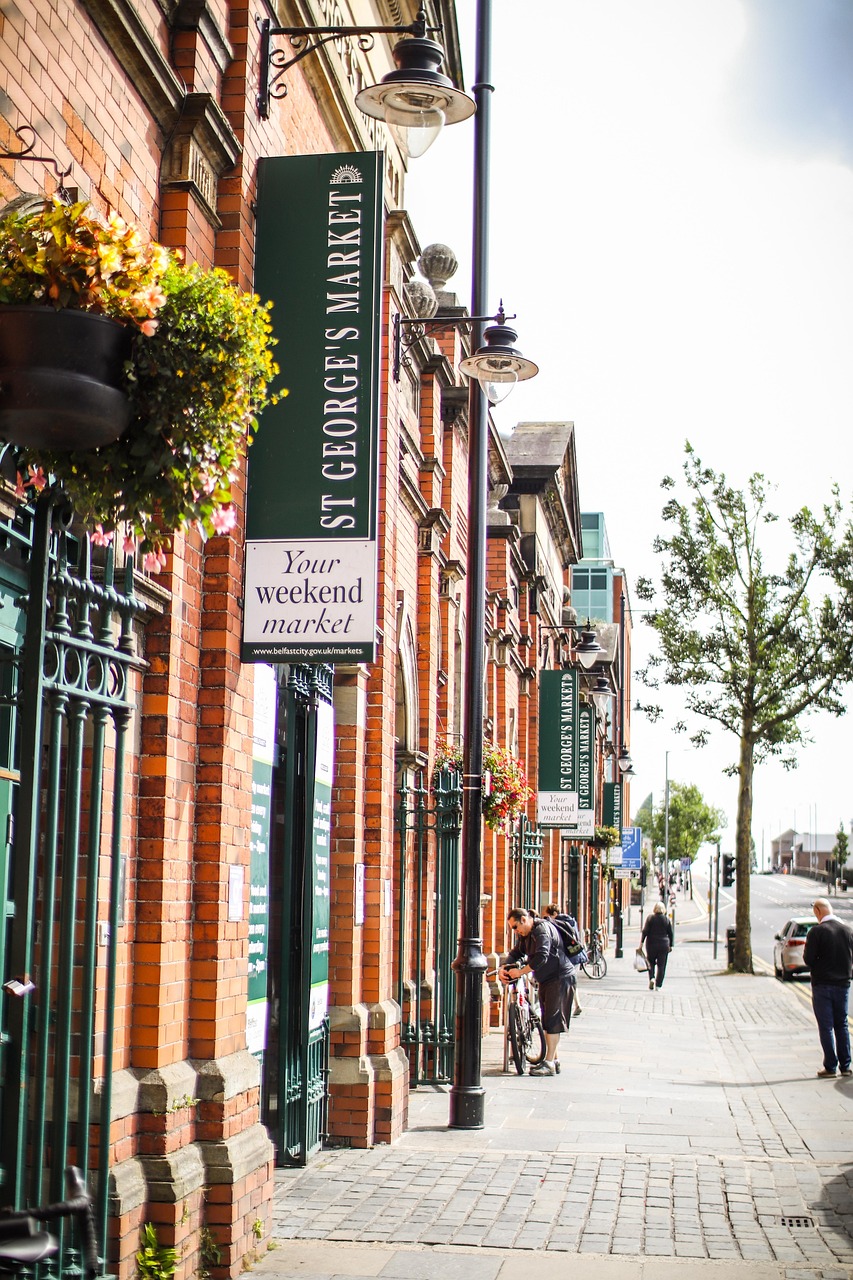
Food strategy: One proper meal + one bakery/market meal beats endless snack spending.
Car strategy: A car unlocks the coast, but over-driving turns your trip into fuel + fatigue.
Weather flexibility: One indoor fallback plan prevents “we wasted a day” spending spirals.
Straight Talk
Northern Ireland doesn’t get expensive because it’s Northern Ireland.
It gets expensive when your schedule forces you to buy speed, peak timing, and last-minute decisions.
🏙️ City + one major sight (or a longer coast loop)
1:30 PM
🥪 Quick lunch
3:00 – 6:00 PM
🚗 Day-loop drive (viewpoints + short walks)
8:00 PM
🍽️ Dinner + dessert, slightly tired but happy
Example spend: £160–280/day
Energy:
Intensive
5+ anchors
6:30 AM
☕ Early start + long driving day
8:30 AM – 1:30 PM
📸 Multiple stops + “keep moving” mode
2:00 PM
🍕 Grab-and-go lunch
3:00 – 7:00 PM
🌧️ More miles, more weather stress, less actual enjoyment
9:00 PM+
🌙 You “see” it… but you don’t really feel it
Example spend: £280–440/day
Energy:
Prices are illustrative (GBP) to show the relationship between pace and spend — not a quote.
Un-Googleable Northern Ireland: Tiny Choices That Change The Whole Trip
These aren’t “hidden gems.” They’re the small behaviours that make Northern Ireland feel like a place you’re in — not just passing through.
Do one harbour loop at dusk
Not midday. Dusk. When the light softens and the day-trippers fade.
Northern Ireland is very good at this kind of quiet magic.
Make one “weather-flex” day a feature, not a failure
Museum + café crawl + neighbourhood walk. If the wind goes sideways, you still win.
That’s how you avoid panic-spending.
Treat the famous spot like an anchor, not the whole day
See the big thing, then build the day around how you want to feel: slow lunch, short walk, one more viewpoint.
The “whole trip” happens in the breathing room.
Pick a local ritual and repeat it
Same coffee spot, same evening walk, same pub booth.
Familiarity is what makes a short trip feel like you lived there, not just visited.
Gap Analysis: Is Northern Ireland Right For Your Kind Of Trip?
Northern Ireland is brilliant — and it’s not one-size-fits-all. Here’s the honest part (with fixes, not judgement).
You’ll love it if…
You like coastlines, short walks, and dramatic scenery without needing huge travel days.
You enjoy city culture with easy escapes (Belfast is strong for this).
You’re happy doing less per day — but doing it properly.
You can pack layers and stay flexible when the weather shifts.
Plan around it if…
You need guaranteed sun (solution: summer timing + plan soft indoor backups anyway).
You hate driving (solution: base in Belfast and use public transport for selective days).
You’re trying to “collect the map” (solution: pick one base and go deeper).
Reality Check
The best Northern Ireland trips aren’t the busiest ones. They’re the ones where you still have room to notice things.
Northern Ireland FAQs
Quick answers to the stuff people actually worry about.
Do I need a car in Northern Ireland?+
Not strictly — but it depends on your plan. Belfast works well without a car, and some corridors are doable by public transport.
For coastlines and smaller towns, a car makes the trip much easier. If you stay car-free, base smart and keep day trips realistic.
What’s the best time to visit Northern Ireland?+
Late spring through early autumn is easiest for longer days. Summer has the best odds for calmer weather but also bigger crowds.
Autumn can be a brilliant “moody but cozy” sweet spot.
What currency is used in Northern Ireland?+
Northern Ireland uses British pounds (GBP). If you cross into the Republic of Ireland for a day, you’ll use euros (EUR).
What plug adapter do I need?+
The UK uses Type G plugs and 230V/50Hz electricity. A UK Type G adapter keeps you sorted.
What emergency numbers should I save?+
Save 999 or 112 for emergencies and 101 for police non-emergency.
Do I need an ETA for Northern Ireland?+
Northern Ireland follows UK entry rules. Depending on your nationality, you may need a visa or an Electronic Travel Authorisation (ETA).
Always check close to departure on official UK guidance.
Join the conversation
Are you planning Northern Ireland for Belfast energy, coast-and-walk days, or a slower inland reset?
Share your draft route and what you’re unsure about — and if you’ve got practical tips that helped you,
drop them below so the next traveler can build a calmer, smarter trip.
Join the conversation
Are you planning Northern Ireland for Belfast energy, coast-and-walk days, or a slower inland reset? Share your draft route and what you’re unsure about — and if you’ve got practical tips that helped you, drop them below so the next traveler can build a calmer, smarter trip.