Rome After Sign-Off: No Schedule, Just Us
A recollection from my ocean Cruise Director years: Civitavecchia to Rome, with nobody else’s holiday to organise.
Rome after a cruise meant freedom from the ship’s timetable. In this recollection from my ocean Cruise Director years, a sign-off at Civitavecchia became three days of coffee, food, wandering and invented rules. The story comes with current practical notes to help you plan your own stay ashore.
Planning beyond this visit? Then use my Italy travel guide to choose your next stops and build a journey that fits your time.
By Rob Wheatley – Program Director & traveler.
From the archives: before my Viking river-cruise years.
Practical information checked 22 October 2026

Too loud for the hour
It was too loud for the hour. That laugh, carrying across Civitavecchia’s working waterfront at dawn, startled a man unloading crates. A woman at the fish stall looked up and decided, on no evidence, that she liked us.
I had been on ships with you for a while by then. By then, I knew how you worked. You were the reason a boring gangway embarkation waiting for guests, became an argument about which biscuit was objectively superior. With you, even the deck at 03:00am was funny. There was a version of me everyone else on board knew—competent, quiet, did the job—and there was the version that existed only in your orbit, the one who did impressions of the bosun and couldn’t stop turning harmless things into competitions.
You animated my company. That was the plainest way I knew to say it. Because you were there, I was more myself than when you weren’t.
That laugh was Jo’s
This was years before my work as a Program Director on Viking river ships. Back then, I was a Cruise Director on ocean-going cruise ships. This is a recollection of one particular sign-off, when we, two members of the crew, stepped ashore at Civitavecchia and gave ourselves a few days in Rome.
I looked after the schedule, the announcements and a room full of guests a good time: on a microphone, in a tie, smiling as though it were the first time I’d ever said, “Good evening, ladies and gentlemen.”
Guests thought they knew me. Crew knew the man who said “I’ll sort it” when the shore-excursion bus didn’t come back, and then sorted it.
That man was real. He just wasn’t all of me.
Meanwhile, Jo was in the production cast. Brunette. Green eyes. And those eyes didn’t settle—they darted. You could see the arithmetic happening behind them: some small misadventure, a plan that didn’t exist yet and was already, in her head, fully formed and very funny.
I knew that look. I’d lost arguments to that look.
After all, my working life revolved around helping other people have a good time. With her, I remembered how to have one myself.
05:58. Civitavecchia.
Passengers were still asleep as we came down the crew stairs with two bags each, past the laundry and the galley preparing breakfast.
At that hour, however, the ship was enormous and quiet, the way a theatre is quiet after the audience leaves. After years aboard, I knew that quiet rather well.
Civitavecchia wasn’t beautiful in the way brochures promised. It was a working town around a working harbour: cranes, containers, a fort watching the water. Farther along the quay, a ferry was loading trucks with a sound like a dropped toolbox.
By then, the formalities were behind us. Somewhere in the Pursers office sat a sheet with two names, a stamp and a signature from a grumpy officer who was feeling the early morning.
Signed off. A phrase that sounded like a medical discharge or a divorce. For us, it meant the ship would sail without us, and the next few days would be our own idea.
Jo looked up with the grin that always arrived a half-second before the laugh.
“We’re unemployed.”
“We’re on leave.”
“We’re unemployed,” she said again, delighted—and there it was. That laugh across the waterfront. The man unloading crates turned to see what was funny.
Nothing was funny. That was the joke.
Into town, then onto the train
We’d been on: every show, every announcement, day after day. This wasn’t a port call with a gangway deadline attached. It was the first morning in a long while that belonged entirely to us.
Before catching the train, we passed a bar already full of men in work clothes standing at the counter.
Naturally, Jo slowed down. She looked at it the way a dog looks at a door.
“Two minutes,” I said.
“Four,” she said.
It was four. The espresso felt like the best thing that had ever happened to either of us, and neither said so. She raised her eyebrows over the cup. I raised mine back. Whole conversation.
Afterwards, a regional train: unglamorous, inexpensive in my memory, and exactly what we need. We took a window pair facing backwards and watched the sea slide out of the frame. Harbour, industrial edge, then fields and umbrella pines.
Eventually, Jo fell asleep against the window somewhere past Ladispoli. Mouth open. Entirely undignified for a woman who can hold a stage. I took a photograph. It would serve as leverage for months.
Planning Rome after a cruise: get the transfer right
Our remembered morning is not a current timetable. For your own trip, work from the ship’s actual disembarkation arrangements and the train service on your date.
| Decision | Check | Why it matters |
|---|---|---|
| Leaving the berth | The ship’s instructions and permitted port transport | The port is large; the relevant exit is not automatically beside the station |
| Reaching the station | Port shuttle, station connection or suitable transfer | Walking time depends on where the shuttle leaves you and your luggage |
| Choosing a train | Service, destination station, ticket rules and disruptions | A regional train and a reserved service need different planning |
| Reaching the hotel | Luggage storage, check-in time and the final journey | Arrival in Rome is not the same as arrival in your room |
Use Port Mobility’s official shuttle information and Trenitalia’s Civitavecchia Portlink guidance. Check the train operator’s live journey planner for times, fares and ticket instructions. Do not build a timed Rome booking around an optimistic guess about when the ship will release you.
If you are returning to a ship that day, this is a different trip. Set a return buffer around the ship’s all-aboard time. Our freedom came from staying ashore.
She woke up in Rome before she opened her eyes
As we approached Rome, the light changed. Warmer, more golden, the sort of light that lies about how late it is. Then she opened her eyes and said, quietly, with none of the play in it:
“It doesn’t look real.”
“It’s real.”
“Like a film set.”
“It’s real. And we’re unemployed.”
And so there it was again, down the carriage.
At Termini, Rome supplied noise, stone and heat already rising off the pavement. Meanwhile, Jo stopped and turned slowly, taking it in. I’d seen her in corridors after a double show, in crew bars, in costume at the back of a theatre. This was different: somewhere we had chosen for ourselves.
Then she spotted a bar.
“Standing.”
“It’s twenty-eight degrees.”
“We’re standing. If we sit, we’re tourists. If we stand, we’re commuting.”
I strongly suspected she had invented this nine seconds earlier and already decided it was ancient law. I followed her in anyway. Thimble of coffee. Technically at liberty. Completely on leave.
She was already talking with her hands, plans multiplying faster than I could write them down. The green eyes were darting. Something was being conjured.
Four rules for enjoying Rome together
The useful thing about Jo’s games is that they give us something to do with each other, rather than simply another photograph to collect. You can borrow them. Of course, you are also allowed to sit down.
| Rule | How to play | Keep it enjoyable |
|---|---|---|
| The Standing Rule | Have a coffee at the bar; first to sit buys the next round | Check the menu: counter and table prices can differ. Comfort overrules the game. |
| The Left-Turn Lottery | Take turns choosing a different street in a neighbourhood | Use public routes, keep your bearings and abandon the rule when tired or uncomfortable. |
| One Dish, Two Verdicts | Compare the same dish over different meals using absurd categories | Spread the tastings out. Three carbonaras in one lunch are a separate challenge. |
| The Last Light Rule | Stop somewhere suitable at sunset and rank the light out loud | Step out of the way, respect closing times, then disagree amicably. |
The point is attention, not competition. If the rule stops being fun, retire it. A holiday should not require an appeals committee.
Day one: the noise, then a slower afternoon
Our first day took its shape from coffee, the Pantheon and the streets in between. Rome is generous with places where a modest wander turns into a reason to stop.
The Pantheon is worth more than an exterior photograph. If you want to go inside, use the official museum information for ticketing and access, including changes around religious services. Even so, a spontaneous afternoon can still contain one deliberate booking.
Later came Trastevere and the Left-Turn Lottery. “By accident” is a lovely way to describe arriving somewhere good, although a saved hotel address and a map make the accident easier to enjoy.
However, Trastevere is popular, not a secret Rome has kept for you. Give its streets time without demanding solitude, and remember that people live behind those doors. A good evening does not need to become a loud one beneath somebody’s bedroom.
Day two: an argument worth having
Testaccio supplied the morning, and carbonara supplied the argument. Naturally, the categories were ours: pepper aggression, sauce cling, guilt. Nothing a restaurant inspector would recognise, which improves the discussion considerably.
For your own visit, check Testaccio Market’s official opening information. Because it is a working market, individual stalls and food counters may keep their own hours. After all, a plan for a leisurely lunch still needs somewhere serving lunch.
After lunch, the Aventine keyhole: strangers taking turns to lean towards a door and finding the dome of St Peter’s framed beyond the garden. Ridiculous, and rather wonderful.
Rome’s tourism office explains the view. Expect company, respect the entrance and give the next person a turn. It is an actual doorway, not a private appointment with a photographer.
Gianicolo is a possibility for the last light if the journey and your energy allow it. However, the Aventine and Gianicolo are separate hills; romance does not flatten the walk between them. There is no shame in choosing one or using suitable transport.
For more ways to build a journey around meals, see my food tourism guide.
Day three: the small stuff
 Monti doorways. One long lunch that does considerable damage to the afternoon. Trevi later, to check whether the fountain remembers us.
Looking back, those are the pleasures that stay with me. Not because the monuments don’t matter, but because there is room between them for a conversation that doesn’t begin with “What time do we have to be back?”
For a visit today, check Trevi’s access arrangements. Since February 2026, tourists and non-residents generally need a €2 ticket for the close-up basin area during specified hours, with exemptions. The wider piazza view is a different matter. Our memory of wandering over is not a promise about access now.
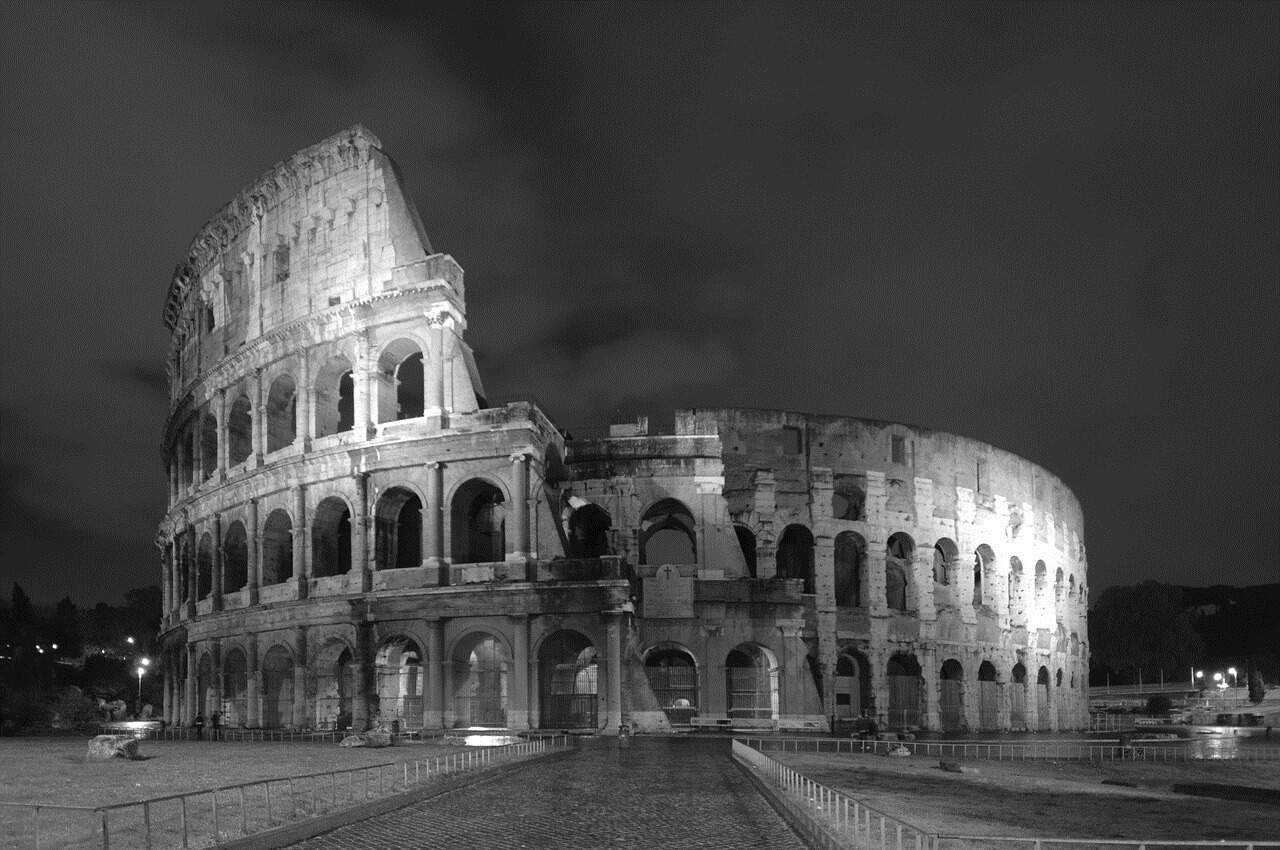
If the Colosseum or Vatican Museums are your priority, put them into the plan deliberately rather than adding them to this day as an afterthought. Use the Colosseum’s official booking information and Vatican Museums’ visitor guidance. Choose what to leave out as well as what to book.
Three days in Rome after a cruise: a flexible shape
These are suggestions, not a timed route or a claim that every place fits comfortably into every day. Therefore, count the arrival day honestly and adjust for reservations, weather and your own legs.
| Day | Main idea | Leave space for |
|---|---|---|
| Arrival and day one | Transfer, hotel luggage arrangements, a central wander and the Pantheon if planned | Delays, a meal and the discovery that you are tired |
| Day two | Testaccio food and the Aventine | Market hours, hills and a genuinely unhurried lunch |
| Day three | Monti, Trevi and something you chose after arriving | A major reserved attraction instead, if that matters more to you |
For public transport, consult ATAC’s ticket guidance and its Tap & Go instructions. Check the coverage of the product you buy; a city ticket is not automatically a cruise-port or airport ticket.
Likewise, choose accommodation by the actual street, access, noise and your route with luggage. My hotel review guide helps with that. For the rest of the country, continue to the Italy guide and Vatican destination page.
The part without the golden light
Rome can be hot, crowded and expensive around famous addresses. In addition, cobblestones, steps and long walks can make a pretty route demanding. Ask specific accessibility questions, plan water and rest stops, and do not mistake an empty-looking photograph for an empty attraction.
Keep bags closed and valuables secure at stations, on crowded transport and around major sights. Use licensed transport, check prices before ordering and keep an eye on your belongings during a café stop. The UK’s Italy travel advice discusses theft and distraction risks; consult your own government’s current guidance too.
Finally, budget for the complete stay: room, local taxes, transfers, meals, tickets and departure arrangements. Three days can be a lovely extension to a cruise, but they do not materialise free of logistics simply because the ship has sailed.
Our holiday felt free because we had finished a contract. Your version may need more advance arrangements, especially with children, mobility needs, significant luggage or a flight to catch. Make the boring parts dependable, then let the enjoyable parts breathe.
Rome after a cruise: a few useful questions
Is Civitavecchia in Rome?
It is a separate port town. Allow for the journey out of the port, the onward train or road transfer and the final trip to your accommodation.
Can I copy your train time and fare?
No. Instead, the story recalls an earlier trip. Check the service, ticket rules and fare for your actual date, including how you will reach the station.
Is this suitable for a same-day port visit?
This story is about staying ashore after signing off. A port call needs a return plan and a substantial buffer before all-aboard time. Do not treat our open-ended stay as a shore-excursion timetable.
Are three days enough?
Enough for a satisfying first stay with a few priorities. They are not enough for everything. Account for the transfer, arrival fatigue and the time needed for any major booked visits.
The part I want on the record
I know how to give a room full of people a good night. I’d spent years doing it, and I was good at it, and it was a performance.
She didn’t need a microphone. Nor did she need a schedule. Within hours of stepping ashore, she’d invented a law about standing and was working on the next one.
We got off a ship at Civitavecchia with our bags, our leave and no detailed itinerary to obey. Rome gave us somewhere to be. Jo gave the days their particular shape.
We signed off at Civitavecchia. The ship went on without us. The rest of the day was ours—and it was the best thing we ever did with a form.
For more room to travel this way, try Slow Travel or Mindful Travel. You don’t have to have worked on a ship to appreciate a day that finally belongs to you.
Have you ever stepped off a ship—or finished a job—and felt the whole day become yours again?