VATICAN CITY, WHERE 2,000 YEARS OF FAITH AND ART CONVERGE IN 0.17 SQUARE MILES
Vatican City Travel Guide: Sistine Chapel, St. Peter's,
Renaissance Masterpieces & Papal Power Done Right
Vatican City is the world's smallest country that contains civilization's greatest hits: Michelangelo's Sistine Chapel ceiling makes grown adults cry, St. Peter's Basilica rewrites your understanding of architecture, and the Vatican Museums house art collections so vast you'd need 12 years to see everything for one minute each. Add Swiss Guards in Renaissance uniforms, papal blessings in St. Peter's Square, and enough Renaissance/Baroque masterpieces to rival entire countries.
My Vatican approach is simple: book tickets 2–3 months ahead, arrive at opening time to avoid crowds, and accept that you can't see everything in one visit. This isn't a museum you rush through — it's a 500-year curated collection of humanity's greatest artistic achievements compressed into a city smaller than a shopping mall.
Also, just so we're clear: Vatican Museums see 30,000+ visitors daily in summer (lines hit 3+ hours without reservations), dress codes are strictly enforced (covered shoulders/knees or you're denied entry), and the Sistine Chapel bans all photos/talking. But if you want Michelangelo, Raphael, Caravaggio, Bernini, and Bramante's masterpieces in their intended context — religious power visualized through art — Vatican City delivers without compromise.
In a Nutshell (60-Second Scan)
If you only read one part, read this. Vatican City is the world's smallest country (0.17 sq mi) that packs more artistic genius per square foot than anywhere on Earth — it's Renaissance power distilled into architecture, frescoes, and sculpture.
- Best first move: Book Vatican Museums + Sistine Chapel tickets 2–3 months ahead (skip-the-line mandatory), arrive at 9 AM opening to beat crowds, plan 3–4 hours minimum.
- When it clicks: When you stand in the Sistine Chapel staring at Michelangelo's ceiling (painted lying on scaffolding for 4 years) and realize this was a papal flex — "we hired the greatest artist alive to paint our ceiling."
- Money truth: Vatican Museums €17 (book ahead +€5 online), St. Peter's Basilica FREE, dome climb €10. Budget €50–80 total including lunch nearby. Main cost is time, not money.
- Easy win: Vatican Museums → Sistine Chapel → St. Peter's Basilica in one 4–5 hour visit captures the essence. Add dome climb (551 steps) for Rome panoramas.
- Classic mistake: Arriving midday without reservations = 3+ hour lines. Not respecting dress code = denied entry (shoulders/knees covered, no hats). Trying to photograph in Sistine Chapel = guards yelling "NO PHOTO!"
- Quiet flex: Vatican City has its own postal service, railway station, radio station, and Swiss Guard army (110 soldiers). It's a functioning micro-nation inside Rome with diplomatic relations worldwide.
Vatican success requires one thing: advance planning. Book tickets 2–3 months ahead, arrive at opening (9 AM), respect dress codes (bring a scarf for shoulders), and accept you'll see highlights, not everything. You can rush through in 3 hours or spend a full day — both work if you prioritize Sistine Chapel and St. Peter's Basilica.
60-Second Fit Check
- Ideal trip length: Half day minimum (4–5 hours for museums + basilica), full day ideal (6–8 hours with lunch, gardens, leisurely pace). Usually combined with Rome visit.
- Best energy level: Medium-high — Vatican requires walking (museums are 7 km of galleries), standing (Sistine Chapel), climbing (dome = 551 steps, no elevator to top). Build in breaks.
- First-timer friendly: Very — clear signage, audio guides available, English common, security everywhere. But crowd management and reservations are essential.
- Budget vibe: Low-to-mid range — museums €17–22, basilica free, dome €10. Food nearby mid-range (touristy area). Main expense is Rome accommodation.
- My simple rule: If you visit Rome, you visit Vatican. They're inseparable — Vatican is technically independent but geographically/functionally part of Rome.
Vatican City became independent in 1929 (Lateran Treaty) and is the world's smallest country at 0.17 square miles (0.44 km²) with ~800 residents. It's smaller than Monaco, has its own currency (Vatican Euro coins), and issues its own passports. The Pope is an absolute monarch — it's the world's last absolute monarchy in Europe. You can walk the entire perimeter in 40 minutes.
The Vatican That Clicks: Museums → Sistine → St. Peter's Flow
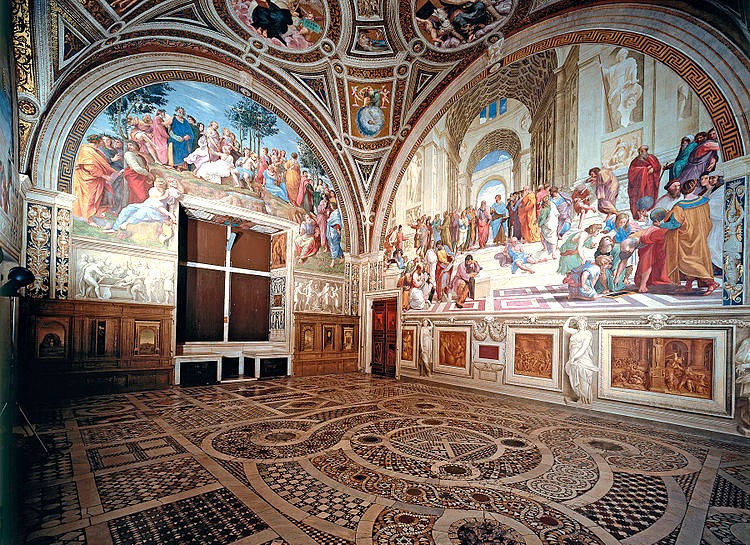
If you want Vatican to feel like more than a crowded museum marathon, build your visit around the sacred trinity: Vatican Museums (Raphael Rooms, Gallery of Maps, ancient sculptures), Sistine Chapel (Michelangelo's ceiling — the finale that justifies everything), and St. Peter's Basilica (Bernini's baldachin, Michelangelo's Pietà, the dome climb). Everything else — Vatican Gardens, Vatican Necropolis, papal audiences — is spectacular but secondary unless you have multiple visits or special access.
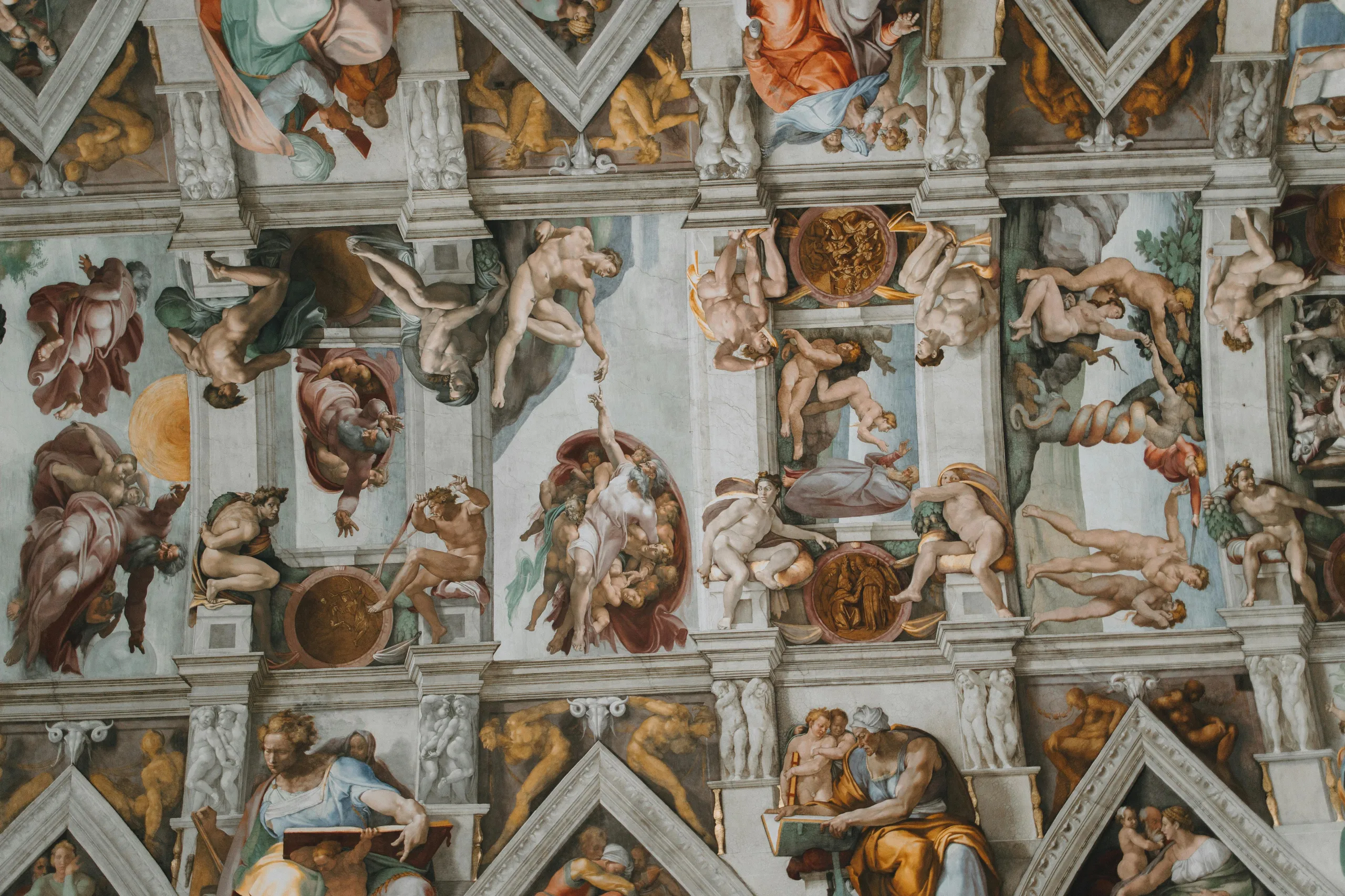
Here's what changes when you nail this flow: the chaos disappears. Vatican Museums are designed as a one-way route that culminates in the Sistine Chapel — you follow the crowds through Gallery of Maps (120-meter corridor of painted Italian regions), Raphael Rooms (Julius II's apartments with *School of Athens* fresco), and ancient sculpture courts. Then you enter the Sistine Chapel and the noise stops — 5,000+ square feet of Michelangelo frescoes covering every surface. The Creation of Adam. The Last Judgment. Four years of genius compressed into ceiling panels that redefined Western art.
From Sistine Chapel, most visitors exit directly into St. Peter's Basilica (if you take the right door — crucial routing tip). St. Peter's is free but demands respect — it's Christianity's most important church, built over 120 years by Bramante, Michelangelo, Bernini. Michelangelo's *Pietà* (behind glass after vandalism), Bernini's 29-meter-tall bronze baldachin over the altar, and the dome (136 meters high) that dominates Rome's skyline. Climb 551 steps for 360° views — exhausting but transformative.
9:00 AM: Enter Vatican Museums (pre-booked ticket, first entry slot). 9:00–11:30 AM: Museums route (Raphael Rooms, Gallery of Maps, Pinacoteca art gallery, ancient sculptures). 11:30 AM–12:00 PM: Sistine Chapel (sit, stare, absorb — guards enforce silence). 12:00–1:00 PM: St. Peter's Basilica (Pietà, main altar, papal tombs). 1:00–2:00 PM: Dome climb (551 steps, allow 45–60 min round-trip). 2:00 PM: Lunch in Prati neighborhood (10 min walk, better value than tourist traps around Vatican walls).
Vibe Check: What Kind of Vatican Are You Actually Here For?
Vatican has different faces depending on your priorities. Decide your primary motivation first, then build around it.
The Art Vatican (Museums, Sistine Chapel, Renaissance masters)
You want Michelangelo's Sistine Chapel ceiling, Raphael's *School of Athens*, Caravaggio's *Entombment*, ancient Greek/Roman sculptures (Laocoön, Apollo Belvedere), and that "walking through 2,000 years of art history" feeling. Vatican Museums hold 70,000+ works (only 20,000 displayed) spanning Egyptian, Etruscan, Greek, Roman, medieval, Renaissance, Baroque, and modern art. Spring/fall/winter best (fewer crowds, cooler temps indoors).
Plan like: Full museum visit + audio guide + 4–5 hours minimum + early entry.
The Faith Vatican (St. Peter's, papal events, spiritual pilgrimage)
You want St. Peter's Basilica majesty, Michelangelo's *Pietà*, papal tombs in the crypts, Wednesday papal audiences (10:30 AM in St. Peter's Square when Pope is in Rome), and that "center of Catholic faith" pilgrimage feeling. This is Christianity's Vatican — built on the traditional burial site of St. Peter, first Pope. Mass times daily, papal blessings Sundays at noon. Any season works (faith doesn't take holidays), but Easter/Christmas are peak spiritual moments.
Plan like: St. Peter's focus + papal events + crypt visit + respectful attire.
The Architecture Vatican (Dome, Bernini, Bramante, Michelangelo)
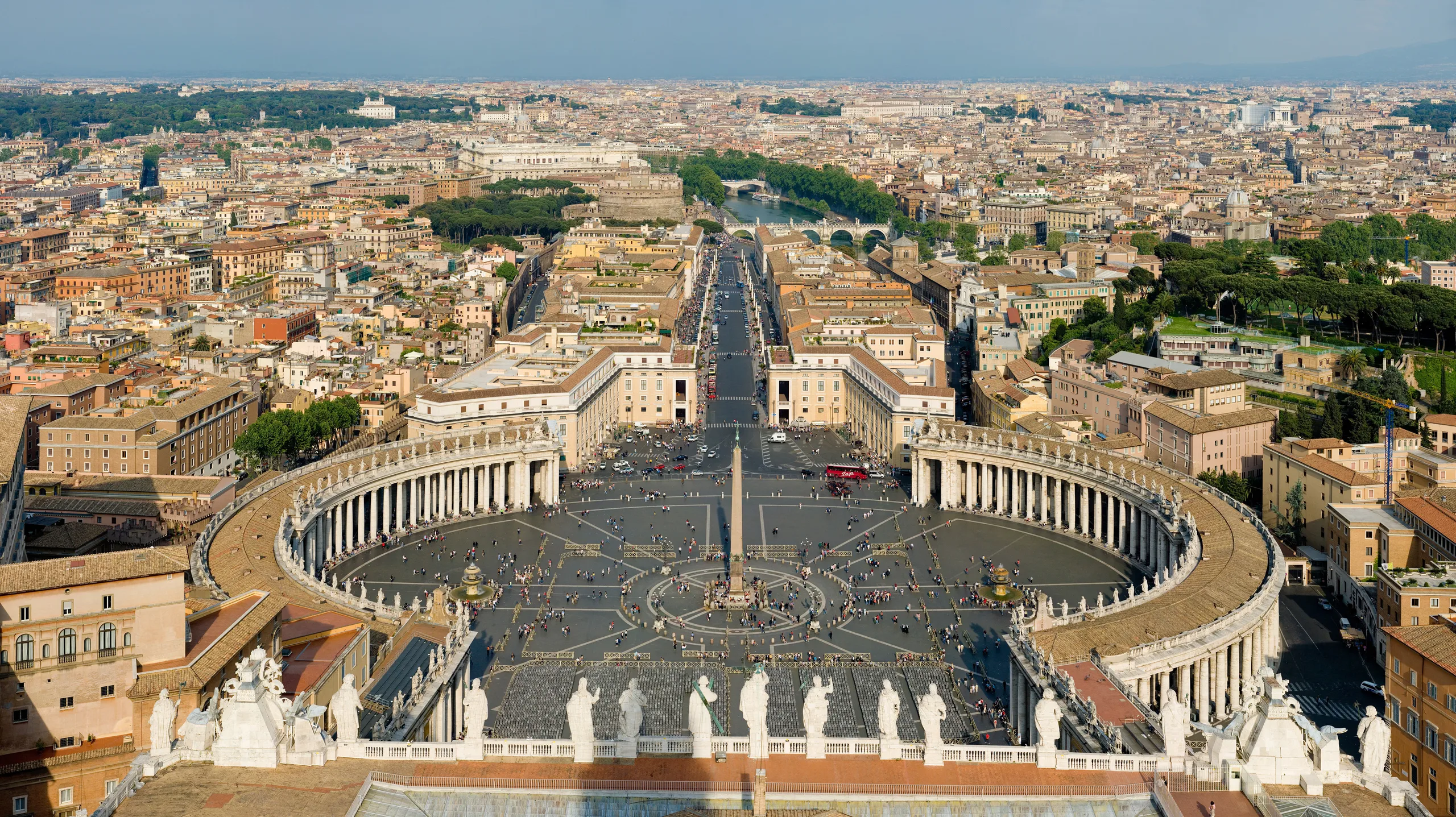
You want St. Peter's dome climb (136 meters high, 551 steps, Michelangelo's architectural masterpiece), Bernini's colonnade embracing St. Peter's Square (284 columns, optical illusion from center disk), basilica engineering genius (120 years to build, world's largest church interior), and that "Renaissance architecture as power statement" feeling. The dome alone took 22 years. Clear weather essential for dome views (check forecast), best in morning light or late afternoon golden hour.
Plan like: Dome climb + colonnade appreciation + architectural details + photo opportunities.
Vatican in Four Seasons: Same Museums, Wildly Different Crowds
Vatican's seasons aren't about weather (you're mostly indoors) — they're about crowd density, line lengths, and tourist chaos levels. Choose strategically.
🌸 Spring (March–May): Perfect Weather, Rising Crowds
- Weather: 12–22°C outdoors (pleasant for St. Peter's Square/gardens). Museums climate-controlled year-round.
- Crowds: Moderate March, high April–May. Easter Week (March/April) brings massive pilgrim crowds + 100,000+ for papal Easter Mass. Book 3+ months ahead.
- Prices: Museum tickets same year-round (€17 base), but tour groups increase. Hotels nearby spike Easter week.
- Pros: Beautiful outdoor weather for St. Peter's Square, gardens bloom, comfortable dome climb, longer daylight, Easter ceremonies (if that's your focus).
- Cons: Easter Week chaos (St. Peter's Square packed, security delays, papal events block access), April–May crowds build, advance booking essential.
- Best for: First-timers wanting mild weather, Easter pilgrims, those combining Vatican with Rome spring tourism.
☀️ Summer (June–August): Peak Heat, Peak Crowds, Peak Exhaustion
- Weather: 28–35°C+ outdoors (brutal midday). Museums air-conditioned but crowded heat makes it stuffy. Dome climb = sauna.
- Crowds: Very high — 30,000+ daily visitors, 3+ hour lines without skip-the-line tickets. Sistine Chapel packed shoulder-to-shoulder. August slightly less crowded (Italians on vacation).
- Prices: Same museum entry but tours/guides charge premium. Nearby Rome accommodation 40–60% more expensive.
- Pros: Longest daylight (sunset after 9 PM June), summer papal events, Vatican Gardens accessible (book ahead), museums open later some evenings.
- Cons: Extreme crowds (exhausting, not contemplative), brutal heat outdoors (St. Peter's Square has zero shade), long security lines, Sistine Chapel becomes unbearable (body heat + no AC).
- Best for: Those with no choice (school vacation families), people who thrive in crowds, heat-tolerant visitors, evening museum goers.
🍂 Autumn (September–November): Second Golden Season
- Weather: 18–26°C (Sep), 10–18°C (Nov). Perfect outdoor temps, cooler indoors means more comfortable museum browsing.
- Crowds: High September (families + retirees), moderate October, low November. Post-October crowds drop significantly — best value season.
- Prices: Museum tickets same, but Rome hotels drop 30–40% after mid-September. November bargain time.
- Pros: Comfortable weather for everything, fewer summer tourists after September, manageable Sistine Chapel crowds, October perfect balance weather/crowds, November near-empty.
- Cons: September still busy/expensive, November shorter days (sunset ~5 PM), occasional rain (mostly outdoors issue), some papal events paused.
- Best for: Budget travelers (Nov), art lovers wanting space to appreciate works, photographers (autumn light), mature travelers avoiding summer chaos.
❄️ Winter (December–February): Empty Museums, Cold Outdoors, Christmas Magic
- Weather: 8–15°C (Rome temps). Museums heated/comfortable. St. Peter's Square cold/windy. Dome climb chilly but views clear.
- Crowds: Very low except Christmas week (Dec 20–Jan 6) when pilgrims arrive for papal Christmas/New Year. January–February = quietest Vatican all year.
- Prices: Lowest Rome accommodation (40–50% off summer). Museum entry same but tour groups minimal. Exceptional value.
- Pros: Near-empty museums (walk straight to Sistine Chapel), Christmas in Vatican (Midnight Mass, papal blessings, nativity scene in St. Peter's Square), comfortable art viewing, authentic spiritual vibe.
- Cons: Cold outdoor waits (security lines), shorter museum hours, Christmas week crowds rival summer, dress codes harder (need layers that cover shoulders/knees).
- Best for: Art purists wanting empty galleries, Christmas/New Year pilgrims, budget travelers, museum lovers who hate crowds, photographers (winter light dramatic).
Vatican is indoors-focused so weather matters less than crowds. Late September through October and January–February are objectively best times — perfect crowd-to-comfort ratio. Summer is brutal (heat + crowds = misery). Christmas week magical but chaotic. Spring pleasant but Easter Week insane. Winter gives you the museums you dreamed about — near-empty, contemplative, transformative.
Street Smarts: Small Vatican Rules That Save Big Stress
- Vatican is extremely safe — but pickpockets work the crowds outside walls and in museum queues. Use anti-theft bags, front pockets only, stay alert at security checks.
- Emergency in Vatican: 112 (connects to Italian emergency services). Vatican Gendarmerie: +39 06 6982 (Vatican police).
- Dress code is STRICTLY enforced. Shoulders and knees must be covered (both men and women). Shorts, miniskirts, tank tops, see-through clothing = denied entry (no refunds). Bring a scarf/shawl.
- Book museums 2–3 months ahead. Official site: biglietteriamusei.vatican.va — avoid third-party resellers (marked-up prices, scams). Skip-the-line is €5 extra, worth every cent.
- Sistine Chapel rules: NO photos, NO videos, NO talking. Guards enforce silence constantly ("Silenzio!"). Violate rules = escorted out. Just stare at the ceiling — it's worth it.
- St. Peter's Basilica is FREE but has separate security line from museums. Dome climb costs €10 (elevator partway + 320 steps) or €8 (551 steps total). No claustrophobia-friendly — passages narrow.
- Wednesday papal audiences (10:30 AM) require free tickets (papal.va website, book weeks ahead when Pope in Rome). Arrive 2+ hours early for good seats. Dress modestly.
- Vatican has no restaurants. Only museum café (overpriced, mediocre). Exit and eat in Prati neighborhood (10 min walk) for better value/quality. Re-entry not allowed.
- Museum route is one-way. You can't backtrack once past certain points. Miss something = tough luck. Follow signs to Sistine Chapel (finale).
- Bathroom breaks matter. Museums have facilities but long walks between. St. Peter's Basilica bathrooms outside (around left colonnade). Plan accordingly.
- Photography rules vary. Museums allow photos (no flash), Sistine Chapel bans all photography (enforced aggressively), St. Peter's Basilica allows photos (no flash near art/altars).
Vatican operates on religious/institutional logic, not tourist convenience. Dress codes aren't suggestions — they're church rules (you're entering sacred spaces). Line-cutting schemes don't work (security is serious). Summer crowds are genuinely overwhelming — 30,000 people in climate-controlled corridors = stuffy, sweaty chaos. Sistine Chapel photography ban exists because flash damaged frescoes after restoration. Respect the rules or visit elsewhere. Vatican rewards preparation, patience, and humility.
Logistics Lite
Vatican becomes effortless when you handle the basics: entry rules, getting there, tickets, dress codes, and timing.
Entry rules & Vatican independence
Vatican City is an independent sovereign nation (since 1929 Lateran Treaty), but there's no passport control — you walk in from Rome. If you can enter Italy (Schengen rules), you can enter Vatican. Museums check tickets at entrance, St. Peter's Basilica is free public access. Security screening required for both (like airport security).
Dress code is non-negotiable: Shoulders and knees covered (both genders), no hats inside, no see-through/ripped clothing. Enforcement is strict — violators denied entry with no refunds.
Getting there from Rome
Vatican is inside Rome, easily accessible: Metro Line A to Ottaviano-S. Pietro (5 min walk to museums), or Cipro-Musei Vaticani (closer to museum entrance). Buses 49, 492, 990 stop near Vatican walls. Taxis/Uber work but traffic heavy. Walking from central Rome ~30 min.
Two separate entrances: Vatican Museums (north side, Viale Vaticano entrance — book tickets here), St. Peter's Basilica (St. Peter's Square — free, separate security). They connect internally through Sistine Chapel exit.
Tickets & reservations (critical)
Vatican Museums + Sistine Chapel: €17 base entry + €5 online reservation = €22 total. Book at biglietteriamusei.vatican.va (official site only). Morning slots (9–10 AM) best for crowds. Last Sunday of month FREE entry but expect 3+ hour waits (museums open 9 AM–2 PM, last entry 12:30 PM).
St. Peter's Basilica: FREE entry (no tickets needed). Dome climb €10 (elevator partway) or €8 (stairs only), buy at entrance. Papal audiences: Free tickets at vatican.va (weeks ahead), Wednesdays 10:30 AM when Pope in Rome.
Hours & timing strategy
Vatican Museums: Mon–Sat 9 AM–6 PM (last entry 4 PM). Closed Sundays except last Sunday/month (free entry, chaos). Closed Catholic holidays (check calendar). Arrive at 9 AM opening — crowds triple by 10:30 AM.
St. Peter's Basilica: Daily 7 AM–7 PM (Apr–Sep), 7 AM–6:30 PM (Oct–Mar). Closed during papal events. Dome: 8 AM–5 PM (summer), 8 AM–4:30 PM (winter). Morning light best for photography.
Money & facilities
Vatican uses Euro (€). Museums accept cards (Visa/Mastercard). Vatican Post Office in museums sells unique Vatican stamps (collector items). Museum café overpriced (€8 panini, €4 coffee) — eat outside Vatican walls for better value.
Facilities: Museums have bathrooms, water fountains, cloakroom (free, mandatory for large bags), gift shops (religious items, art books). St. Peter's bathrooms outside (left colonnade). No luggage storage.
Combining Vatican with Rome
Vatican is part of Rome logistically — most visitors stay in Rome hotels (Prati neighborhood closest, 10 min walk). Typical itinerary: Morning Vatican (4–5 hours), afternoon/evening Rome sights (Colosseum, Forum, Trastevere). Or dedicate full day to Vatican (museums + basilica + gardens if booked).
Vatican + Rome passes: Roma Pass doesn't include Vatican (separate entity). Some tour companies bundle Vatican + Colosseum for discounts, but DIY cheaper if planned ahead.
Costs & Pace: What Actually Moves the Needle at Vatican
Vatican is low-cost high-impact — museums affordable (€17–22), basilica free, main investment is time and advance planning.
Let's be honest: Vatican's admission costs are remarkably reasonable for what you get (70,000+ artworks, Sistine Chapel, world-class collections). Your spending is minimal compared to transportation, accommodation, and food. However, time is your major currency: Museums demand 3–5 hours minimum, St. Peter's Basilica 1–2 hours, dome climb 45–60 minutes. Rush it and you'll resent the crowds. Allow proper time and it transforms.
- Core costs: Vatican Museums + Sistine €17–22 (advance booking essential), St. Peter's Basilica FREE, Dome climb €8–10, Audio guide €7 (museums, worth it).
- Optional add-ons: Vatican Gardens tour €37 (2 hours, book ahead), Vatican Necropolis tour €14 (St. Peter's tomb excavations, book months ahead), Papal audience FREE (ticket required).
- Food strategy: Museum café overpriced (skip). Exit Vatican walls, walk to Prati neighborhood (Via Cola di Rienzo, 10 min) — pizza €5–8, sit-down lunch €15–25, café €2–3.
- Time strategy: Museums early entry (9 AM) saves 1–2 hours of line waiting. St. Peter's afternoon (post-lunch) often calmer. Dome climb morning for best light/photos.
- Guided tours: Group tours €40–70 (skip lines, expert guides, 3 hours), private tours €200–400+ (custom pace, deep knowledge). DIY + audio guide €24 total (cheapest but requires research).
- Total realistic budget: Museums €22 + Dome €10 + Lunch €15–25 + Audio guide €7 = €54–64 per person. Add guided tour = €90–130 total.
Vatican's value proposition is extraordinary — €22 gets you Michelangelo's Sistine Chapel ceiling, Raphael Rooms, ancient Greek/Roman sculptures, and Gallery of Maps that most museums would charge triple for. The "cost" is crowds and time, not money. Book advance tickets (€5 extra saves 2–3 hours of line hell), arrive at opening (9 AM crucial), bring water/snacks (museum café terrible), and accept you'll walk 7+ km through galleries. Main expense is Rome accommodation — Prati neighborhood (€80–150/night) puts Vatican on your doorstep.
🇻🇦 Vatican Visit Pace Comparison
How your approach shapes your experience (and your exhaustion level)
Costs shown are illustrative (EUR / €) for museums + basilica + food. USD conversions ~$1 = €0.92 (Feb 2026). Exhaustion bars reflect museum fatigue + walking + crowd stress. Marathon pace = checked box but missed magic.
Un-Googleable Vatican: Tiny Choices That Change the Whole Experience
These aren't "hidden rooms." They're the small behaviors that make Vatican feel spiritual, not transactional.
Stand at the center disk in St. Peter's Square for Bernini's optical illusion
Between the obelisk and each fountain, white marble disks mark "sacred geometry" spots. Stand on either disk and look at Bernini's colonnade — the four rows of columns perfectly align into ONE visible row (optical illusion Bernini designed). Tourists rush past, but locals know this spot. It's a 30-second moment that reveals Renaissance architectural genius. Early morning (7–8 AM) before crowds = you get the square almost alone for this.
Enter the Sistine Chapel, turn left, sit on the bench against the wall
Everyone enters, stares straight up at ceiling center (*Creation of Adam*), necks cramped, then leaves. But the real transformation: sit on the side benches (left or right wall), lean back, let your eyes adjust. Michelangelo painted this for viewers lying on their backs — sitting recreates that perspective. Spend 20 minutes. Watch light change. Notice details guides skip. Guards enforce silence — use it. This turns Sistine from Instagram stop to spiritual reset.
Visit the Vatican Necropolis under St. Peter's (book 3+ months ahead)
Below St. Peter's Basilica lies a 2,000-year-old Roman necropolis (city of the dead) with St. Peter's traditional tomb. Tours (€14, 90 min, book at scavi.va) take 12 people max through excavated burial streets, pagan tombs, early Christian graffiti, and the shrine marking Peter's burial site. This is Vatican's origin story — they built the world's greatest church directly over a graveyard because tradition placed Peter here. It's eerie, profound, and rarely mentioned in guidebooks.
Skip the museum café, exit to Prati for Roman street food
Vatican museum café is overpriced prison food (€8 sad panini, €4 espresso). Instead: exit museums, walk 10 minutes to Via Cola di Rienzo in Prati neighborhood. Romans eat here — *supplì* (fried rice balls €2), *pizza al taglio* (€5–8 slice), proper espresso at bar (€1.20 standing). *Bonci Pizzarium* (Via della Meloria 43) has Rome's best gourmet pizza by weight. This 20-minute detour saves money and feeds you properly. Re-entry not allowed, so go after museums.
Attend Wednesday papal audience even if you're not Catholic
Every Wednesday (when Pope in Rome), papal general audience happens 10:30 AM in St. Peter's Square (summer) or Paul VI Audience Hall (winter). Free tickets at vatican.va (book 2–3 weeks ahead). It's not Mass — it's multilingual papal address, blessings, choir, Swiss Guards ceremony. Arrive 2 hours early for decent seats. Even non-religious visitors find it moving — 100,000 people gathering in Renaissance square while Pope addresses crowd in 7 languages. It's Vatican as living institution, not museum.
Understand what "IHS" means everywhere (it's not Jesus's initials)
Vatican is covered in "IHS" symbols (St. Peter's altar, Pope's vestments, everywhere). Tourists think it means "Jesus's initials." Wrong — it's Iesus Hominum Salvator (Jesus, Savior of Mankind) in Latin, OR a Latinization of Greek IΗΣ (first three letters of Jesus in Greek: ΙΗΣΟΥΣ). Renaissance Popes used IHS as Jesuit symbol. Knowing this transforms Vatican from "pretty church" to understanding: every artistic choice communicated theological/political messages to illiterate masses. Vatican is propaganda architecture at its finest.
Gap Analysis: Is Vatican Right for Your Kind of Trip?
Vatican is extraordinary — but it's not for everyone. Here's the honest assessment (with solutions, not judgment).
You'll love it if…
- You want Renaissance art masterpieces in their original religious/political context (not sterile museum walls).
- You appreciate architecture as power statement — St. Peter's dome took 120 years and bankrupted the Church to build.
- Michelangelo's Sistine Chapel ceiling is bucket-list mandatory — you've seen photos, now see the real 5,000 sq ft of genius.
- You're comfortable in crowds (summer = shoulder-to-shoulder in galleries) if you book advance tickets and arrive early.
- You respect religious spaces — Vatican is functioning church first, museum second. Dress codes and behavior rules matter.
- You value quality over quantity — Vatican's ~3–5 hour visit contains more artistic genius than many countries' entire museums.
- You're combining with Rome trip (Vatican is inside Rome, perfect half-day addition to Colosseum/Forum/Trastevere itinerary).
- You enjoy art history — knowing backstories (Michelangelo painted Sistine ceiling lying on scaffolding, hated it) enriches experience.
- You can follow rules (no photos in Sistine, dress codes, one-way routes) without feeling constrained.
- You want Renaissance art masterpieces in their original religious/political context (not sterile museum walls).
- You appreciate architecture as power statement — St. Peter's dome took 120 years and bankrupted the Church to build.
- Michelangelo's Sistine Chapel ceiling is bucket-list mandatory — you've seen photos, now see the real 5,000 sq ft of genius.
- You're comfortable in crowds (summer = shoulder-to-shoulder in galleries) if you book advance tickets and arrive early.
- You respect religious spaces — Vatican is functioning church first, museum second. Dress codes and behavior rules matter.
- You value quality over quantity — Vatican's ~3–5 hour visit contains more artistic genius than many countries' entire museums.
- You're combining with Rome trip (Vatican is inside Rome, perfect half-day addition to Colosseum/Forum/Trastevere itinerary).
- You can follow rules (no photos in Sistine, dress codes, one-way routes) without feeling constrained.
- You're fascinated by the intersection of religion, politics, and art — the Vatican Museums showcase how the Church wielded cultural power for centuries.
- You're willing to climb 551 steps to the dome's top — the panoramic view over Rome is breathtaking and less crowded than expected.
- You understand this is a marathon, not a sprint — the museum route is 4+ miles of walking through 54 galleries before reaching the Sistine Chapel.
Plan around it if…
- You hate crowds (solution: visit November–February when museums near-empty, or book first entry 9 AM slot always).
- You have mobility issues (solution: museums offer wheelchairs, elevators available but some areas stairs-only; dome climb = 551 steps, not accessible).
- You're claustrophobic (solution: skip dome climb — narrow spiral staircases; museums generally open but Sistine packed in summer).
- You're anti-religious/uncomfortable in churches (solution: Vatican is inherently religious space — secular art appreciation possible but Catholic context unavoidable).
- You hate dress codes (solution: bring scarf/shawl for shoulders, wear knee-length shorts minimum — or don't visit, rules are strict).
- You need everything spontaneous/unplanned (solution: Vatican requires advance booking or suffer 3+ hour lines — embrace planning or skip it).
- You're on extreme budget (solution: €22 museums affordable, but surrounding area tourist-trap prices — eat in Prati neighborhood 10 min walk).
- You want "undiscovered" travel (solution: Vatican is the opposite — 6+ million visitors annually, peak tourism destination. Accept crowds or visit off-season).
Vatican is best for travelers who value artistic/historical significance over convenience and concentrated greatness over quantity. If Sistine Chapel ceiling is bucket-list essential, Vatican delivers that moment profoundly. If you need spacious, uncrowded, spontaneous museum browsing, visit in winter or choose different sites. Vatican rewards advance planning, early arrival, rule-following, and cultural respect more than any other Rome attraction. Come prepared or come frustrated — there's no middle ground.
Vatican City FAQs
Quick answers to the questions everyone actually worries about before visiting Vatican.
How long do I need at Vatican City?
Minimum 3–4 hours for museums + Sistine Chapel + St. Peter's Basilica highlights. Ideal 5–6 hours for comfortable pace (add dome climb, leisurely gallery browsing, lunch break). Full day (8 hours) possible if adding Vatican Gardens tour, Necropolis, or deep art study. Rule: Rushing Vatican = regret. Quality visit needs 4+ hours minimum. Most visitors combine with Rome afternoon sights.
Do I need tickets in advance?
YES — absolutely essential. Without advance tickets, expect 2–3 hour lines (longer in summer). Museums capacity-controlled. Book at biglietteriamusei.vatican.va (official site) 2–3 months ahead, especially April–October. €17 entry + €5 online reservation = €22 total. Skip-the-line €5 saves hours of standing. St. Peter's Basilica free (no advance tickets), but expect 30–60 min security line peak times.
What's the dress code at Vatican?
STRICTLY ENFORCED: Shoulders and knees must be covered (both men and women). No shorts above knee, no miniskirts, no tank tops, no see-through clothing, no hats inside buildings. Violations = denied entry with no refunds. Bring lightweight scarf/shawl for shoulders (even in summer). Guards at entrances enforce — they will turn you away. Religious site rules, not tourist convenience. This applies to museums AND St. Peter's Basilica.
Can I take photos in Vatican Museums and Sistine Chapel?
Museums: YES, photos allowed (no flash, no tripods, no commercial use). Sistine Chapel: ABSOLUTELY NO photos or videos — strictly banned, guards enforce aggressively ("Silenzio! No photo!"). Violators escorted out. Ban exists because flash damaged frescoes after restoration. St. Peter's Basilica: YES, photos allowed (no flash near art, be respectful during Mass). Just stare at Sistine ceiling with your eyes — it's worth full attention anyway.
When is the best time to visit Vatican?
Best: January–February or late October–November — lowest crowds, comfortable museum browsing, near-empty Sistine Chapel. Museums climate-controlled (weather irrelevant). Time of day: 9 AM opening crucial — first entry slot avoids mid-morning crowd surge. Summer (June–August) = 30,000+ daily visitors, oppressive crowds, 35°C+ heat outdoors. Easter Week (March/April) = 100,000+ pilgrims, avoid unless attending papal events. Late September–October good balance (moderate crowds, comfortable temps).
Is Vatican City safe for tourists?
Extremely safe inside Vatican — constant security, Vatican Gendarmerie police everywhere, metal detectors at all entrances. Main concern: pickpockets OUTSIDE Vatican walls in surrounding Rome streets and metro, especially crowds near entrances. Use anti-theft bags, front pockets only, stay alert in queues. Inside Vatican = safest place in Rome. Emergency: 112 (Italian services), Vatican Gendarmerie +39 06 6982. Women solo travelers report feeling very safe.
Can I attend a papal event or Mass?
YES — several options: Wednesday papal audiences (10:30 AM when Pope in Rome) — free tickets at vatican.va (book 2–3 weeks ahead), arrive 2+ hours early for seats. Sunday Angelus (noon, St. Peter's Square) — no tickets, free public event, Pope blesses crowd. Daily Mass in St. Peter's Basilica (multiple times, check schedule). Papal Mass tickets (Christmas, Easter) extremely limited — apply months ahead through diocese or Vatican. Dress modestly, arrive early, expect crowds but moving experience.
How do I get from Vatican Museums to St. Peter's Basilica?
EASY — from Sistine Chapel, take the **right exit door** (marked "to St. Peter's Basilica") — this door connects directly into basilica (skip security line). Most tourists miss this and exit to street, then wait 30–60 min in basilica security line. Key: Look for right-side exit after exiting Sistine, follow signs "Basilica di San Pietro." If you exit to Viale Vaticano street by mistake, walk around Vatican walls 10 min to St. Peter's Square entrance (separate security).
Is the dome climb at St. Peter's worth it?
YES IF: You're comfortable with heights, narrow spaces, and 551 steps (or 320 steps after elevator). 360° Rome views from 136-meter summit are spectacular — best in city. Morning light ideal for photos. €10 (elevator partway) or €8 (stairs only). Allow 45–60 min round-trip. NOT worth it if: claustrophobic (spiral staircases narrow), mobility issues (no elevator to top), limited time (skip if rushed), bad weather (views obscured). Clear morning = go. Rest of day = optional based on energy.
Do I need a guide or can I explore Vatican on my own?
BOTH WORK: Guided tours (€40–70 group, €200–400 private) provide expert context, skip lines, highlight masterpieces, explain symbolism (Sistine ceiling stories, Raphael techniques). Worth it for first-timers wanting deeper understanding. DIY + audio guide (€7 museums rental) works perfectly — museums well-signed, audio guide excellent, allows personal pace. DIY cheaper (€22 entry + €7 audio = €29 vs €60+ tours) but requires reading/research. Hybrid: Book skip-line ticket yourself, hire guide at entrance (€50–100, negotiate), or use free Vatican app.
Join the conversation
Are you visiting Vatican for Michelangelo's Sistine Chapel, St. Peter's Basilica architecture, Raphael Rooms, or papal events? Share what you're most excited (or nervous) about — and if you've got practical tips (especially crowd-dodging strategies, ticket booking hacks, or must-see artworks beyond the obvious), help the next visitor experience Vatican smarter.