TRAVEL FIELD NOTES · MALTA
Malta Travel Guide: Knights, Intrigue & Island Time
In 1530, Emperor Charles V gave an entire island to a band of warrior monks. The rent? One Maltese falcon, delivered once a year. I’ve paid more than that for a parking spot in London.
By Rob Wheatley – Program Director & traveler.
History and practical information checked October 21, 2026.
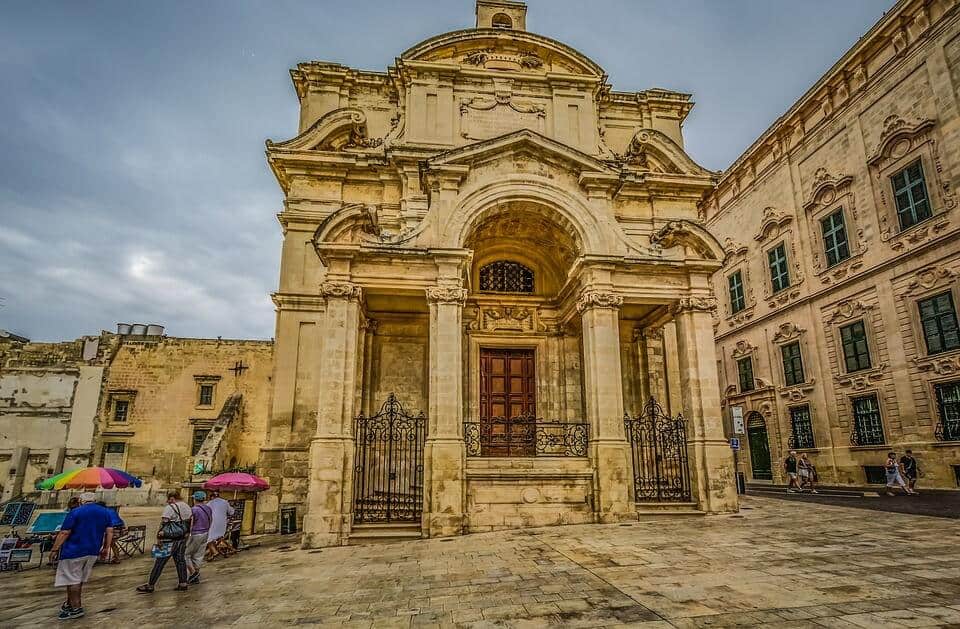
This Malta travel guide connects the Knights’ extraordinary falcon tribute with the places you can explore today. Start with Valletta and the Three Cities, compare Mdina, prehistoric sites and island outings, then plan your base, transport and time. A few well-chosen visits beat racing around the archipelago.
Valletta · Mdina · Gozo & Comino · Where to stay · Itinerary
An island for a bird. There was, naturally, some fine print
Those “warrior monks” were the Knights of St John, a religious order with military and hospital traditions. More precisely, the grant covered Malta, Gozo and Tripoli, and the annual falcon was a symbolic tribute to the Viceroy of Sicily. There were rather more responsibilities than feeding the bird.
The University of Malta’s historical study sets out the arrangement. However, you do not need a degree in Mediterranean diplomacy to enjoy what followed: fortified harbours, churches, palaces and enough intrigue to make a quiet afternoon unlikely.
This Malta travel guide starts with the Knights, then helps you choose what to see, where to stay and how much you can comfortably fit into a visit.
Why Malta has so much history in so little space
Malta lies south of Sicily, on sea routes that made it strategically valuable long before anyone thought of selling a sunset cruise. Consequently, its story extends well beyond the Knights.
Prehistoric temples, Roman remains, the legacy of Arab rule, the Order of St John and the British period all belong in the picture. Yet Malta is also a living country, with its own language, food and daily routines. Calling it an open-air museum is tempting; remembering that people live in the exhibits is useful.
For the Knights’ story, start around the Grand Harbour. The Ottoman siege of 1565 preceded the founding of Valletta in 1566, as UNESCO’s account of the city explains. In other words, Valletta is a planned fortified Renaissance capital, rather than a settlement that simply wandered into existence.
My advice is to follow one thread at a time. A harbour view makes more sense after a little history; a church becomes more interesting when you know whose money and ambition helped build it.
Valletta: start with the harbour, then look inside
For a first visit, I would give Valletta a generous part of a day. Begin with the Grand Harbour view from Upper Barrakka Gardens, then make room for streets, a museum or church and an unhurried meal.
St John’s Co-Cathedral is an obvious choice if art and the Knights interest you. In particular, Caravaggio’s The Beheading of St John the Baptist gives you a reason to look beyond the city’s exterior. Check the co-cathedral’s official website for tickets, visitor hours and dress requirements.
However, do not turn Valletta into a timed march from doorway to doorway. Its slopes and steps can make a modest-looking route more demanding than the map suggests. Choose your main visit, then let the streets supply the rest.
If you are arriving by cruise ship, confirm your berth and the route into town. Also, work backwards from all aboard before adding an excursion elsewhere. A small island can still produce a very long final hour.
The Three Cities: Malta across the water
Across the Grand Harbour, the Three Cities offer another way into the island’s story. Their names can look confusing because you will encounter both Maltese and alternative historic names:
- Birgu is also called Vittoriosa.
- Isla is also called Senglea.
- Bormla is also called Cospicua.
For example, Birgu gives you narrow streets and the setting of Fort St Angelo. Instead of trying to cover all three equally, choose a manageable route and one interior visit that interests you.
Check the official transport information for the relevant harbour ferry or bus connection. Then confirm the return as carefully as the outward journey, especially if a ship is waiting.
Mdina and Rabat: a different kind of afternoon
Mdina, Malta’s old capital, changes the pace. Inside its walls, the pleasure is in following a lane, noticing a doorway and finding a viewpoint without needing every turn to produce an attraction.
Although it is known as the Silent City, that is a name rather than a promise that you will have it to yourself. Visit with reasonable expectations and respect the people whose homes are behind those impressive doors.
Nearby Rabat adds a different layer, with heritage sites worth considering if you want more than a circuit of Mdina’s walls. However, choose according to your interests and opening times rather than adding everything simply because it is close.
I would pair the two in a longer stay. For a short cruise call, meanwhile, check whether the travel and return margin leave enough time to enjoy the outing.
Before the Knights: temples and an underground world
The Knights are late arrivals compared with Malta’s prehistoric sites. For a different perspective, investigate Ħaġar Qim and Mnajdra, whose megalithic structures take the story back thousands of years.
Use Heritage Malta’s official site directory to check access, tickets and what the visit involves. Also, allow for the ground conditions and weather when planning an outdoor archaeological stop.
The Ħal Saflieni Hypogeum is a separate underground prehistoric site, not another name for the temples. If it matters to your trip, investigate it early: Heritage Malta strongly recommends advance booking. Check the visitor restrictions and suitability before purchasing.
As a result, I would build an itinerary around a confirmed Hypogeum booking rather than hope to squeeze it in after lunch.
Gozo and Comino: give each a reason to be in the plan
Gozo deserves consideration as a destination in its own right. For a first outing, you might focus on Victoria and its Citadel, or choose a landscape or heritage visit that particularly appeals. However, a ferry crossing does not remove the need for transport after you land.
Compare the Gozo Channel service between Ċirkewwa and Mġarr with the passenger service offered by Gozo Highspeed. Choose the route that fits your starting point, then verify current schedules, operating conditions and onward travel.
Comino’s Blue Lagoon is a different proposition: a popular coastal outing that needs practical planning. Check the official VisitMalta page and follow its booking link for current landing requirements. A boat ticket and a timed landing reservation are different things; confirm what your operator includes.
Finally, look at sea conditions, shade, drinking water and boarding demands. Turquoise water is appealing, but it cannot explain your return arrangements for you.
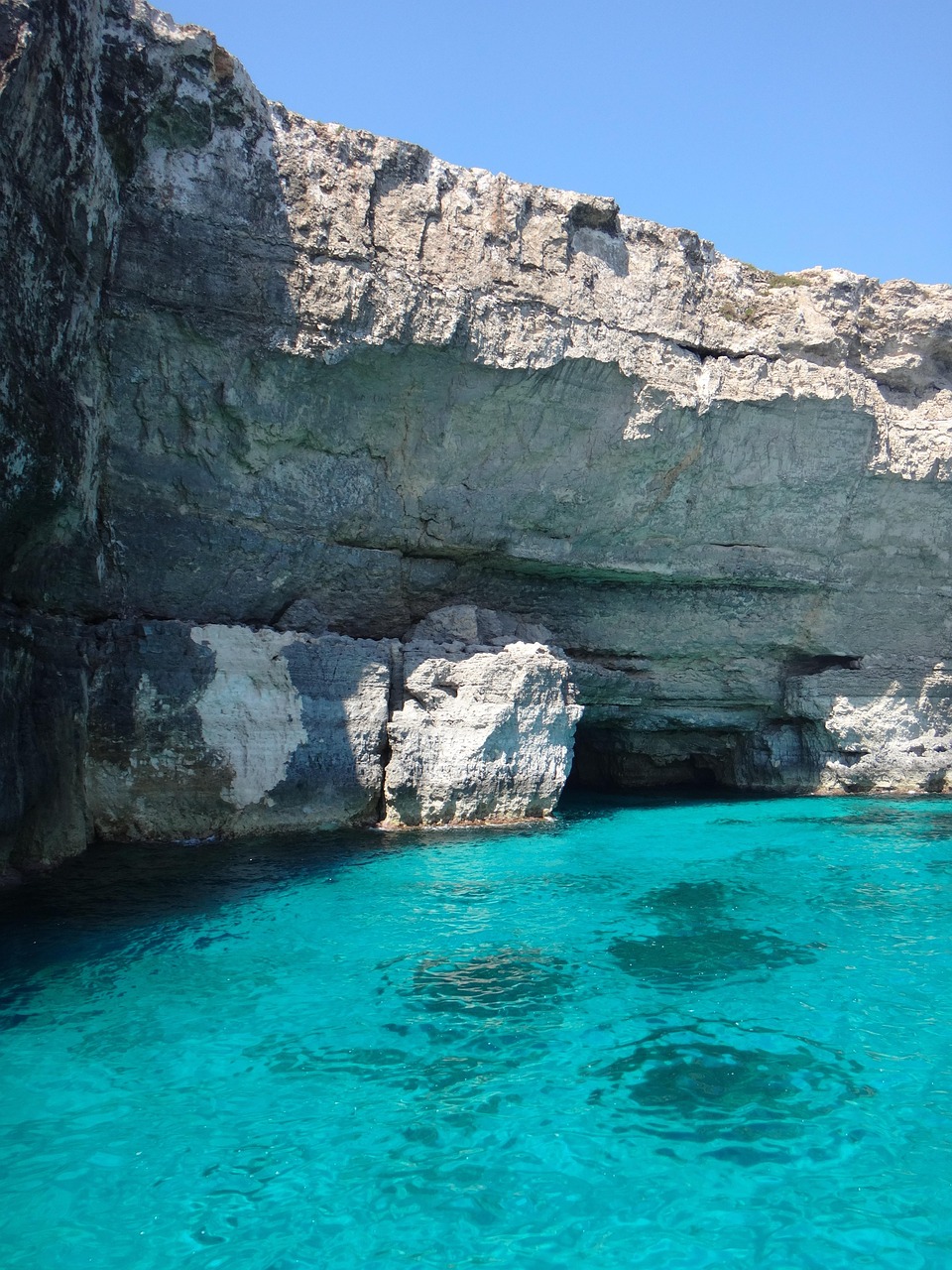
Leave room for the coast
A coastal outing can change the rhythm of a history-filled stay. However, choose the experience as carefully as the photograph: check the route, sea conditions, boarding requirements and return arrangements.
Then leave enough time to enjoy being there. The water does not become bluer because you have three more stops to fit in.
Where to stay in Malta: choose the evenings too
Your base affects how the whole holiday feels. Therefore, compare the journeys you will make and the evenings you want, as well as the room photographs.
| Area | Why consider it? | Check carefully |
|---|---|---|
| Valletta | Historic streets and a city-focused stay | Steps, luggage access, room location and evening noise |
| Sliema | Seafront walks and a range of accommodation | The exact location and your ferry or bus connections |
| St Julian’s | Restaurants and nightlife options | Distance from nightlife if sleep is a priority |
| Mellieħa / northern Malta | A stay planned around northern beaches and outings | Travel time to Valletta and other sightseeing |
| Gozo | More time on the second island | Your arrival, local transport and onward departure |
For mobility needs, ask about the entire route from drop-off to bedroom. A hotel lift is helpful, but it says little about the hill outside.
Getting around Malta: small does not mean instant
You can plan a Malta holiday without hiring a car. Start with Malta Public Transport’s journey planner, fares and service alerts, then compare buses with harbour ferries, taxis or a suitable tour.
However, avoid assuming a visitor pass covers every service. Check the current conditions for your chosen card, including airport and ferry journeys, before deciding it saves money.
For car hire, remember that Malta drives on the left. Also, weigh parking, traffic, insurance and your accommodation’s location against the convenience of reaching your chosen outings.
My preference would be to compare actual journeys first. If most of your time is in Valletta and around the harbour, a car may add work. Conversely, a more spread-out itinerary may justify one.
For a fixed return time, leave a margin. My travel logistics guide explains how to plan connections without giving every minute a job.
A cruise day, three days or longer?
For a first short stay, three full days can give you a useful introduction. Nevertheless, that is a planning suggestion, not a challenge to see the entire country.
| Time available | Suggested focus | Leave room for |
|---|---|---|
| One cruise call | Valletta and one main interior visit; add a harbour outing only if time allows | Your ship’s return arrangements |
| First full day | Valletta, with a museum or St John’s | A meal and time to wander |
| Second full day | Mdina and Rabat, or a booked prehistoric site | Transport and the visit itself |
| Third full day | The Three Cities, a coastal outing or Gozo if connections fit | The journey rather than another rushed stop |
| Longer stay | Gozo overnight, more heritage or beach time | A day you can adjust after arrival |
If your main interest is history, give it the time. Alternatively, if the sea is the point of the holiday, choose fewer museums. Neither version needs to apologise to the other.
Planning beyond this visit? Then use my Malta travel guide to choose your next stops and build a journey that fits your time.
Pastizzi, a harbour lunch and time off from sieges
Eventually, even the most enthusiastic history lover needs something that did not happen in 1565. Fortunately, Malta gives you plenty of reasons to sit down.
Try pastizzi, savoury pastries commonly filled with ricotta or peas, and investigate local breads and ftira. Meanwhile, seafood, rabbit dishes and the island’s Mediterranean influences give you other directions to explore. VisitMalta’s food guide is a useful introduction.
Marsaxlokk is another place to consider for a harbour walk and a meal. However, choose the restaurant by its menu and appeal rather than assuming every waterfront table provides the same experience.
For me, food belongs in the itinerary, not in whatever time survives it. My food tourism guide has more ideas for making meals part of the discovery.
When to visit—and what to budget
For walking and sightseeing, I would begin by comparing spring and autumn dates. Summer can be hot and busy, so arrange outdoor visits, water and rest accordingly. However, no season guarantees a particular day’s weather.
Winter can still suit a history-focused trip, although rain, wind and sea conditions may affect plans. Instead of dismissing it outright, compare your priorities with what is open and operating.
Likewise, check the official events calendar for festas and other celebrations during your actual dates. They do not all belong to one convenient tourist season.
For costs, price accommodation for your dates, then add meals, transport, admissions and any boat outings. Also, check local charges and cancellation terms. The old daily allowances are no longer a sensible basis for a booking.
Malta uses the euro. For entry requirements and any transit conditions, consult current official guidance for your nationality; my travel planning guide helps organise those checks.
The falcon was cheap. Your time is valuable
What interests me about Malta is how much a small place can hold: prehistoric builders, warrior monks, harbour defences, art, food and ordinary life continuing around it all.
Therefore, choose a few things you actually want to understand. Give Valletta time, look across the harbour and resist treating Gozo as a box you can tick from the ferry.
The Knights had centuries to leave their mark. You probably have a few days. Fortunately, enjoying Malta does not require matching their schedule—or finding a falcon before checkout.
Questions about visiting Malta
How many days do you need in Malta?
Three full days can provide a useful introduction to Valletta and selected outings. However, allow longer for Gozo, beaches and a slower pace. A cruise call needs a much narrower plan.
Where should I stay for my first visit?
Compare Valletta for a historic city stay, Sliema for a seafront base, and other areas against your planned outings. Also, check noise, steps, transport and the precise location of the property.
Can I visit Malta without a car?
Yes. Buses, harbour ferries, taxis and tours can support a car-free holiday. However, check the actual connections for your base and leave extra time for journeys with a fixed deadline.
Are the Three Cities all called Vittoriosa?
No. Birgu is also called Vittoriosa, Isla is also called Senglea, and Bormla is also called Cospicua. Together they are known as the Three Cities.
Do I need to book the Hypogeum ahead?
Heritage Malta strongly recommends booking early. Therefore, check availability and visitor restrictions before planning the rest of the day around it.
Does a Blue Lagoon boat ticket include landing access?
Do not assume so. Check current official landing requirements and confirm whether your operator arranges any required timed reservation. Also, verify the return journey and cancellation terms.
Did the Knights really pay a falcon each year?
Yes. The 1530 grant to the Order of St John included an annual falcon tribute to the Viceroy of Sicily. However, the wider arrangement involved territories and responsibilities beyond a simple island rental.
Which Malta would you come for?
The Knights, the ancient sites, the harbour towns or a few days by the sea? Tell me what appeals—or share the place you would send a first-time visitor.
Plan your Malta visit
Keep exploring
Plan your world travel
Build a trip around your interests, time and budget.