Viking River Cruises: The River Product Explained Properly
Viking River Cruises are for travellers who want calm ships, close-up destinations, good daily rhythm and culture without the floating circus. This is the river product viewed with clear eyes: what works beautifully, what first-timers miss, and how to decide whether it suits the way you like to travel.
What This Guide Covers
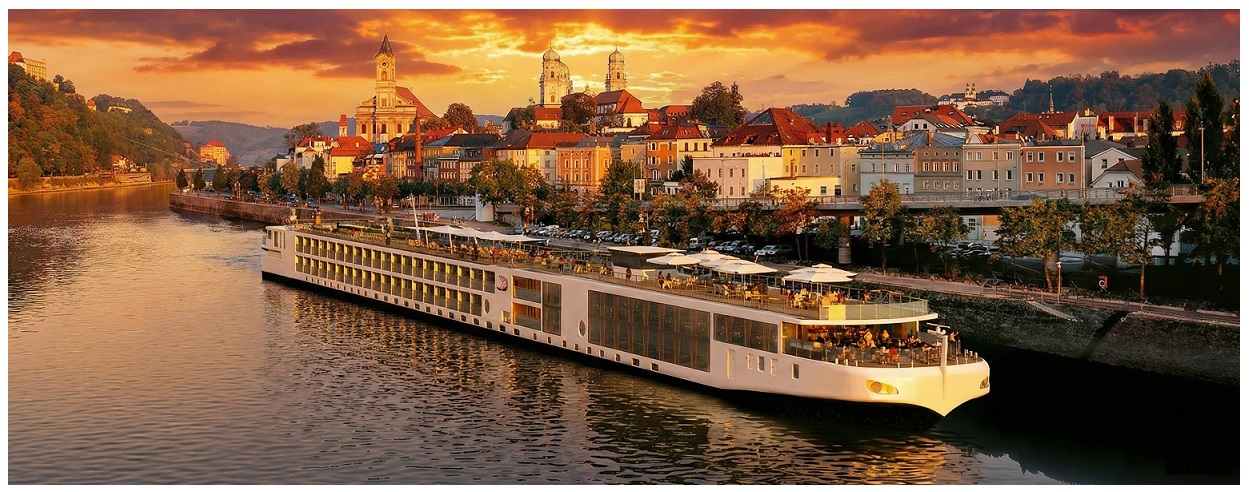
Viking River Cruises are best understood as small-ship, destination-first journeys for adults who want comfort, culture, scenery and a calmer pace. The ship is important, yes, but the river is the theatre. The best days happen when the town, the water, the food, the guide and the evening briefing all join hands.
That sounds romantic. It often is. However, river cruising is also practical: locks, bridges, gangways, cobblestones, water levels, coach transfers and cabin choice all matter. Ignore those details and you may blame the product for something you simply did not understand before booking.
Choose Viking River Cruises if you want a polished, adult, culturally curious way to move through Europe, Asia, Egypt or the Mississippi without packing and unpacking every second day. Choose carefully if mobility is a concern, if nightlife matters, or if you dislike guided structure.
The River Page Belongs Separate From the Viking Hub
The Viking Cruises Insider Hub introduces the whole Viking world. This page does something more specific. It looks at the river product properly — not as a paragraph inside a general cruise page, but as a travel style with its own rhythm, joys, limitations and quiet little traps.
I’m going to be fond of the product here, because I am fond of it. I’ve worked in this world and watched many guests fall into the river rhythm with surprising speed. Still, fondness is not the same as blind praise. A good guide should help you book the right trip, not just cheerfully push you toward the nearest “Reserve Now” button like a caffeinated brochure.
What Viking River Cruises Actually Are
Viking River Cruises are not ocean cruises with fewer decks. They are closer to a moving boutique hotel that follows the old trade routes, wine routes, imperial routes and working waterways of a region. On a river cruise, the destination is not something you sail toward. It is beside you most of the time.
That is the magic. You can be drinking coffee while Germany slides past the window, or walking into a town that would have taken far more effort to reach independently. However, the same intimacy that makes river cruising beautiful also makes it less flexible than ocean cruising. Rivers have locks, bridges, water levels and tight docking spaces. The romance is real, but so is the engineering.
The route feels close
You are often moving through the landscape, not past it. Vineyards, villages, church towers, castles and working riverbanks become part of the day.
Unpack once
The practical pleasure is underrated. You see several places without dragging luggage through stations, taxis and hotel lobbies.
You must like structure
The day has a rhythm: briefings, tours, meal times, sailing times. Lovely if you enjoy ease. Irritating if you want complete independence.
The Viking Longship Idea: Calm, Consistent and Very Deliberate
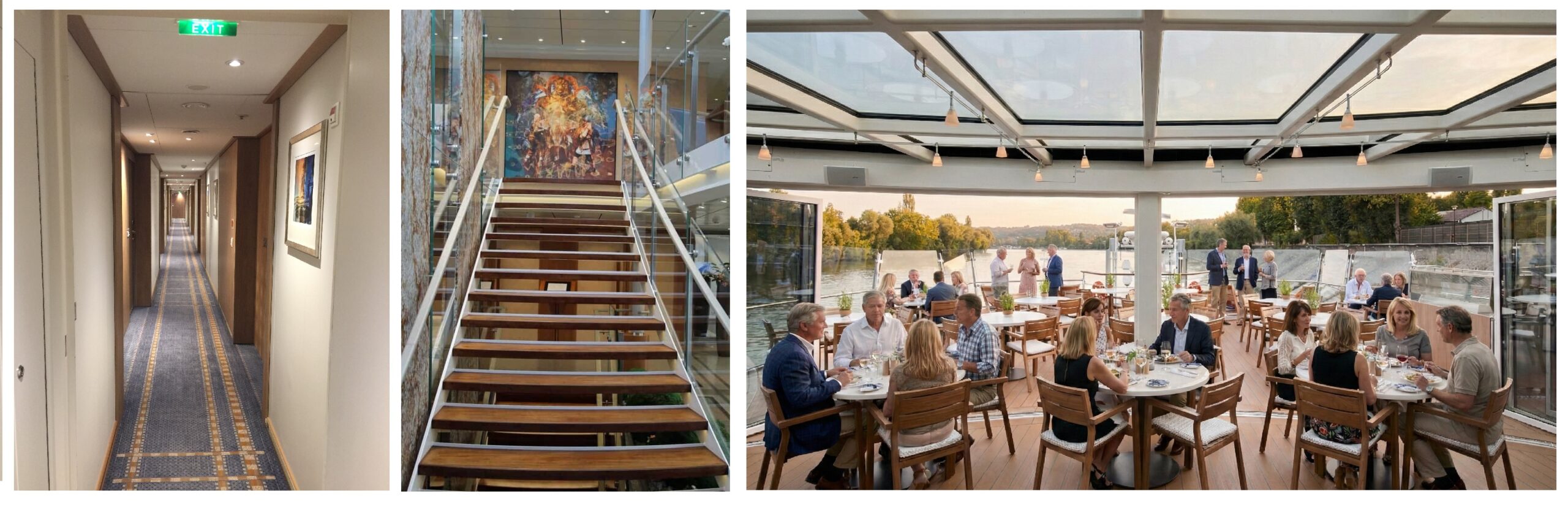
Many European Viking River Cruises use the familiar Viking Longship design. The point is consistency. Once you know the ship, you can relax into the journey quickly. The lounge, restaurant, reception, Aquavit Terrace and Sun Deck all become part of a simple onboard geography.
The Longship design is not trying to impress you with ten restaurants, neon carpets or a shopping promenade. Thank goodness. Its job is to keep you comfortable, fed, informed and close to the river. If ocean ships are sometimes floating resorts, Longships are better understood as elegant river tools.
On the classic European Longships, Viking lists 190 guests in 95 outside staterooms. The fleet design includes Standard Staterooms, French Balcony Staterooms, Veranda Staterooms, Veranda Suites and Explorer Suites. The exact ship matters, though, because not every Viking river region uses the same vessel type.
Rob’s insider lens
The predictability is the point. Guests often settle faster on Viking because the ships are calm and legible. You are not wandering through a floating shopping centre wondering where someone hid breakfast.
Europe Is the Classic Start, But It Is Not the Whole River Story
Most first-time guests think of Viking River Cruises through Europe: Rhine castles, Danube capitals, French vineyards, Dutch tulips, Christmas markets, the Douro, the Seine, the Rhône, the Main and the Moselle. That is understandable. Europe is where the modern Viking river identity became famous.
However, Viking’s river product reaches further than Europe. Viking also lists river journeys in Asia, Egypt and on the Mississippi. The feeling remains recognisably Viking — adult, structured, destination-led — but the vessels, touring style, climate and cultural rhythm can change quite dramatically by region.
Europe
Best for first-timers who want historic towns, castles, vineyards, cathedrals, Christmas markets, museums and easy cultural variety in a short distance.
Asia & Egypt
Best for travellers who want a stronger cultural contrast, iconic sites and a more destination-intensive experience where local context matters deeply.
Mississippi
Best for travellers interested in American river culture, music, regional history and the slower story of a river that shaped a continent.
A Typical Day on Viking River Cruises
A river day usually has a pleasing shape. You wake in or near a port, have breakfast, then head out for an included orientation tour or walking experience. Later, you may have free time, an optional excursion, scenic sailing, a talk, a port briefing, dinner and a quieter evening onboard.
This is where Viking River Cruises either fit you beautifully or begin to annoy you. If you like early starts, organised movement and useful context, the rhythm feels easy. If you want late-night entertainment, long sea days, big shows and ten dining venues, this may feel too tidy.
| Time of day | What often happens | Rob’s plain-English note |
|---|---|---|
| Morning | Breakfast, then an included guided walk, panoramic drive or town orientation. | Take the included tour seriously. It often gives you the lay of the land for later exploring. |
| Midday | Lunch onboard or ashore, followed by free time or an optional excursion. | This is where independent travellers can breathe a little. |
| Afternoon | Scenic sailing, locks, local talks, cooking moments, or simply watching the banks drift past. | Do not overbook every minute. Some of the river’s best theatre happens quietly. |
| Evening | Port briefing, dinner, lounge music, conversation, early night if the day has been full. | River evenings are not dead. They are just not trying to win a karaoke war. |
What’s Included on Viking River Cruises — and What Usually Costs Extra
Viking River Cruises include a useful amount in the fare, and that is part of the appeal. The point is not that every possible cost disappears. It does not. The point is that many daily irritations are reduced: meals, Wi-Fi, beer and wine with onboard lunch and dinner, bottled water, specialty coffees and teas, port taxes and at least one shore excursion in every port of call are part of Viking’s published inclusive value.
Still, do not hear “included” and switch off your brain. Optional excursions, gratuities, premium drinks, extensions, independent hotel nights, shopping and some transfer arrangements can still affect the final spend. This is where a little grown-up budgeting saves a lot of muttering later.
- One complimentary shore excursion in every port of call.
- Free Wi-Fi, with speed depending on location and conditions.
- All onboard meals, including regional dishes and familiar classics.
- Beer, wine and soft drinks with onboard lunch and dinner.
- Specialty coffees, teas and bottled water.
- Enrichment talks and destination performances where offered.
- Port taxes and fees.
- Optional excursions that go deeper than the included orientation.
- Premium drinks and broader beverage packages.
- Gratuities or prepaid service charges, depending on market and itinerary.
- Pre- and post-cruise extensions.
- Independent meals ashore, shopping and personal extras.
- Transfers if they are not included with your booking arrangement.
The Included Tour Is Often the Doorway, Not the Whole House
One complimentary excursion in every port is one of the major reasons people like Viking River Cruises. However, first-timers should understand what that included tour usually does. It often gives you orientation, local context and a safe first look. It may not be the deepest, strangest, most niche version of the destination.
That is not a criticism. It is a useful distinction. Use the included tour to understand the place. Then decide whether you want free time, a museum, a café, a walk, or one of the optional excursions that goes further into food, history, music, wine, art, countryside or specialist interests.
Rob’s rule
Do not book every optional excursion because you fear missing out. A river cruise needs breathing space. Otherwise, you come home with photographs, swollen feet and no memory of actually sitting by the river.
Cabins and Decks: Where a Small Choice Can Change the Trip
Cabin choice on Viking River Cruises is not only about budget. It is about how you use the ship. Some guests are perfectly happy in a Standard Stateroom because they spend most of the day ashore or in public spaces. Others want a French balcony or veranda because watching the river privately is part of their joy.
Be honest about yourself. If you like quiet morning coffee in your room, view matters. If you are rarely in the cabin, spend the money elsewhere. If mobility is a concern, location near the central lobby can matter more than a prettier category name.
| Cabin type | Why choose it | What to think about |
|---|---|---|
| Standard Stateroom | Good value, especially if you are out most of the day. | Window height and view can be less romantic than the brochure mood in your head. |
| French Balcony | Fresh air and river connection without a sit-out balcony. | You can open the doors, but you are not sitting outside on a private veranda. |
| Veranda Stateroom | Private outdoor space for scenic sailing and quiet moments. | When ships are docked side-by-side, your balcony view may briefly become another ship. |
| Suite | More space, better separation and a more residential feel. | Lovely if budget allows, but not essential for enjoying the river product. |
Mobility on a River Cruise: Please Read This Before You Book
This is one of the most important sections on the page. Viking River Cruises can be wonderful for older travellers, but river cruising is not automatically easy for every body. You may deal with gangways, stairs, cobblestones, uneven pavement, old town centres, low bridges, coach steps and ships docked side-by-side.
If walking is difficult, do not rely on hopeful phrases like “I’ll manage.” Be precise before booking. Ask about elevator access on your specific ship, distance from cabin to lobby, stairs to the Sun Deck, walking levels on included tours, coach access, tendering or gangway arrangements, and what support is realistic in each port.
What Brochures Do Not Always Explain Loudly Enough
River cruising is beautiful because it is close to real geography. That also means it is affected by real geography. Water levels, bridge clearance, lock timing, port congestion and local docking rules can all shape the day. Most guests are fine when they know this in advance. The trouble begins when someone expects river cruising to behave like an ocean ship with a smaller hat.
Ships may dock side-by-side
In busy river ports, vessels sometimes raft together. You may walk through another ship, and your window or balcony view may temporarily face another stateroom. Close the curtains before wandering around in your underwear. That is not a joke. Well, not entirely.
Water levels can change plans
Low or high water can affect navigation. The response may be adjusted timing, coach transfers, altered ports or, in rare cases, more substantial itinerary changes. This is river travel, not a railway line with better curtains.
Locks and bridges matter
The ship may wait for lock traffic or lower deck structures for bridge clearance. These moments are part of the river world. Some are fascinating. Some are simply logistics in motion.
The Sun Deck is not always open
On some stretches, low bridges or operational needs can limit Sun Deck access. If your dream is “I will sit up there every afternoon,” understand that rivers have opinions too.
What to Wear on Viking River Cruises
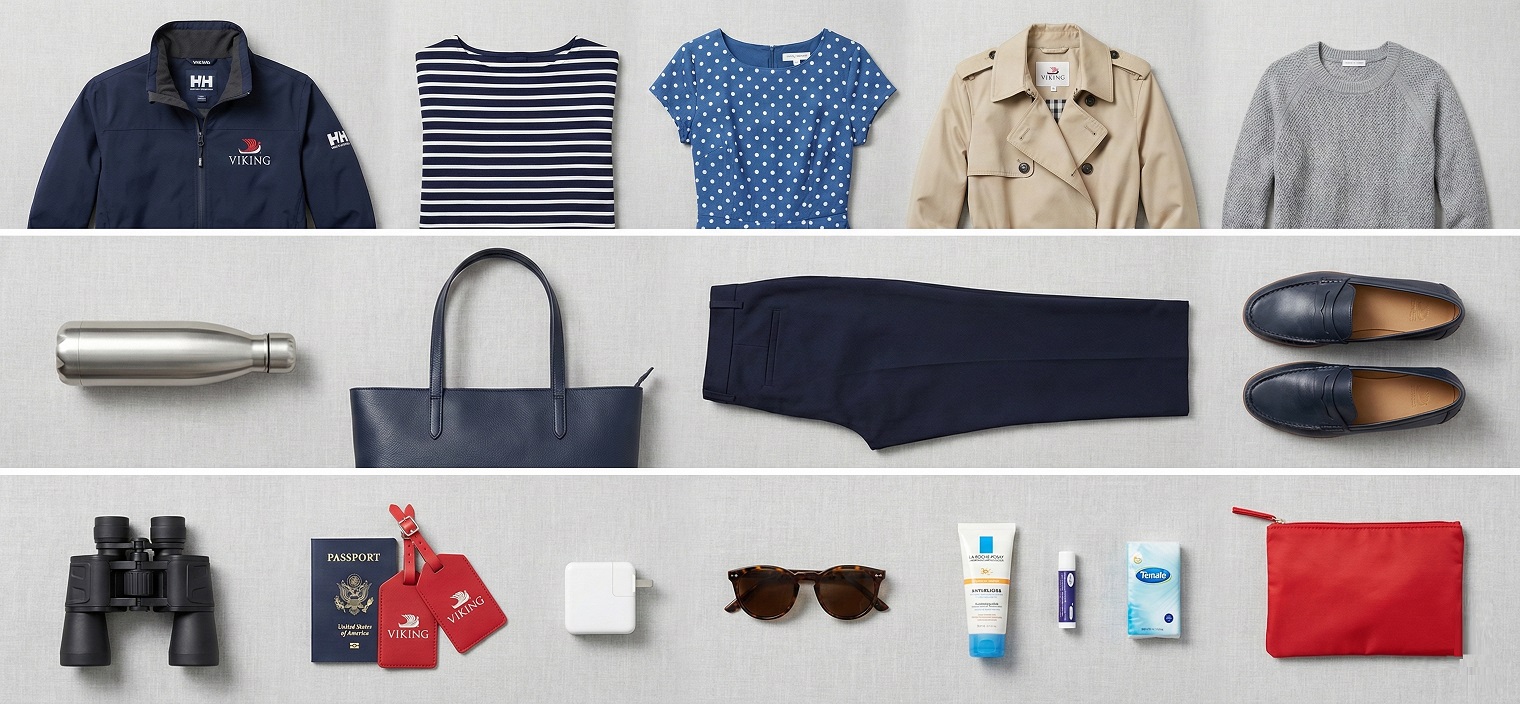
Pack for movement, weather and understated evenings. Viking River Cruises are not formal in the old ocean-liner sense. You do not need theatrical cruise costumes, tuxedos or ball gowns. You do need comfortable walking shoes, smart layers, a rain jacket, a neat dinner outfit and clothes that can behave in a church, museum, winery or chilly morning.
The best river wardrobe is boring in the most useful way: pieces that mix, dry reasonably fast, layer well and do not scream “I packed for a floating fashion emergency.” Leave some luggage space. Europe has shops. Also, your suitcase does not need to experience personal growth.
Who Viking River Cruises Are Really For
Viking River Cruises suit travellers who want culture without chaos, comfort without glitter, and structure without being treated like luggage. They work especially well for adults who enjoy history, architecture, food, wine, scenery, guided context and the gentle pleasure of returning to the same cabin each night.
Likely a strong match if you...
- Prefer calm adult travel over family-focused entertainment.
- Enjoy history, culture, landscapes and local context.
- Like the idea of unpacking once while seeing several towns or cities.
- Want included orientation tours but still value free time.
- Enjoy conversation, scenery and slower evenings.
- Are happy with smart-casual rather than formal dress.
Probably not your best fit if you...
- Want casinos, big shows, late-night nightlife or waterparks.
- Dislike guided tours, port briefings or organised schedules.
- Need a ship with many dining venues and big resort facilities.
- Expect every river day to be fully independent.
- Have significant mobility concerns but do not want to plan around them.
- Are choosing only by the cheapest fare on the screen.
How I Would Choose a First Viking River Cruise
I would start with the river and season before getting lost in cabin categories. The Rhine is a classic first choice if you want castles, scenery and a very “European river cruise” feel. The Danube gives you capital cities, music, history and a broader Central European sweep. France is wonderful if food, wine and regional character pull you. The Douro is slower, warm, vineyard-heavy and visually distinctive.
Then I would check the practical layer: flight ease, start and end cities, walking level, water-level season, cabin location and how much free time the itinerary gives you. A great Viking River Cruises choice is not just the prettiest route. It is the prettiest route that fits your body, curiosity, budget and patience.
Viking River Cruises: Questions First-Timers Ask
Are Viking River Cruises adults-only?
Yes. Viking’s published “What Viking Is Not” positioning includes no children under 18. That adult-only policy is one of the main reasons the ships feel calm and grown-up.
Are Viking River Cruises all-inclusive?
Not fully all-inclusive in the luxury sense. Viking includes a lot — meals, Wi-Fi, beer and wine with onboard lunch and dinner, bottled water, port taxes and at least one shore excursion in each port — but optional excursions, gratuities, premium drinks and personal extras can still add cost.
Is a Viking River cruise good for a first-time cruiser?
Often, yes — especially if you dislike the idea of large ocean ships. River cruising is smaller, calmer and more destination-led. However, first-timers should understand the walking, docking, stairs and water-level realities before booking.
Which is better for a first Viking river cruise: Rhine or Danube?
Both are strong first choices. The Rhine is excellent for castles, wine towns and scenic sailing. The Danube is excellent for cities, music, imperial history and Central European culture. Choose by the places you most want to wake up near, not by what strangers on the internet shout loudest.
Do I need a balcony on Viking River Cruises?
No, but you may enjoy one. A balcony is lovely during scenic sailing, but river ships also have excellent public viewing areas. Remember that in busy ports, side-by-side docking can limit private views temporarily.
What is the dress code on Viking River Cruises?
Think practical by day and smart-casual by evening. Comfortable walking shoes matter far more than formalwear. Viking is not built around tuxedo nights or ball gowns.
Are Viking River Cruises suitable for limited mobility?
They can be, but only with careful planning. Ask detailed questions before booking: elevator access, cabin location, stairs, gangways, walking levels and excursion difficulty. Do not assume river cruising is automatically easy because the ship is smaller.
Sources Worth Checking Before You Book
Use this guide as a practical starting point, then verify the details for your exact sailing. Viking policies, offers and inclusions can vary by market, ship and itinerary.
Continue the Viking Series
Join the Conversation
Have you booked your first Viking River cruise, or are you still doing the quiet sofa-research stage with tea and twelve browser tabs open? Ask your question below. The best reader questions often become the next useful guide in this Viking series.