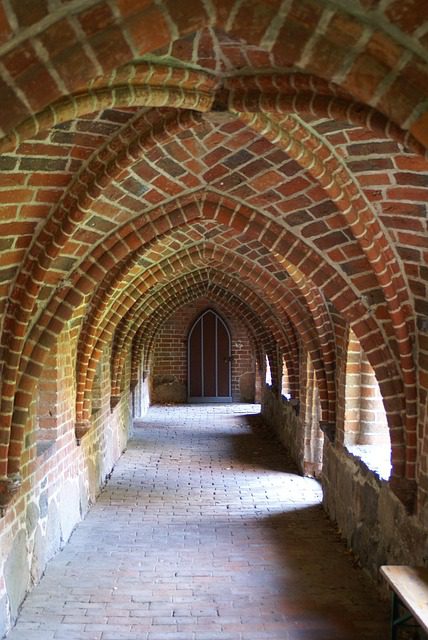
Affordable Accommodation: From House-Sitting to Monastery Stays
Affordable accommodation should leave your holiday budget breathing, rather than needing a lie-down before you’ve found the bed.
A borrowed home, a college room or a quiet convent can make an interesting alternative. The trick is knowing what you’re signing up for before the suitcase arrives.
Originally published 25 April 2025 · Updated 17 October 2026
There is a particular kind of travel disappointment that begins with “from €39” and ends with a cleaning fee, a service fee and a taxi ride that could have financed a small expedition.
I’m all for spending less on a bed. I’m considerably less enthusiastic about spending the savings getting to it, or discovering that my bargain comes with a dog who needs more daily exercise than I do.
Still, looking beyond the usual hotel search can open up some excellent possibilities. You might find a quiet guesthouse, a lived-in neighbourhood or a kitchen that makes a longer trip affordable. You might also find yourself observing an evening curfew. Best to know which version of the adventure you’re buying.
Here are eight options worth considering, with the practical details that the dreamy photographs tend to leave out.
Which affordable accommodation suits your trip?
Start with your travel style. A house-sit can work for someone happy to settle in; it is a poor match for a traveller who wants to disappear on spontaneous overnight excursions. A basic room with no duties may be the better bargain.
| Option | Best fit | Costs or commitments to check |
|---|---|---|
| House-sitting | Flexible dates; genuine enthusiasm for pet care | Membership, travel, daily duties and backup nights |
| Monastery guesthouse | A quiet base with predictable house rules | Room rate, meals, curfew and access |
| Home exchange | Travellers able and willing to host | Membership, cleaning and home arrangements |
| University room | A short city stay during available dates | Bathroom type, bedding and reception hours |
| Longer rental | Several weeks in one place | Total price, utilities and cancellation commitment |
| Work exchange | People who want the tasks and cultural exchange | Hours, duties, meals, membership and permissions |
| Hospitality network | Travellers who enjoy spending time with hosts | Platform access, sleeping arrangement and availability |
| Camping or simple cabin | Outdoor travellers with suitable equipment | Gear, transport, weather and facilities |
1. House-sitting: a home, with responsibilities attached
A house-sit can give you a comfortable base while the owner is away. Through TrustedHousesitters, members exchange home and pet care for a place to stay, after purchasing an annual membership. That is different from paid professional sitting.
So the room may have no nightly charge, but “free accommodation” is only part of the story. You still have travel costs, membership costs and a commitment to somebody’s animals and home.
Before applying, read the platform’s household-task guidance and ask about feeding, walks, medication, cleaning and how long pets can be left alone. Then have a video conversation with the owner.
A dog is not an accessory to your city break. If it needs you home by lunchtime, your itinerary needs to accommodate that.
2. Monastery stays: peaceful does not mean free
Some monastery and convent guesthouses welcome ordinary travellers as paying guests. Others are retreats with their own purpose and expectations. Read the individual property’s terms rather than treating all religious accommodation as one product.
Monastery Stays explains that its listed guesthouses welcome people of different backgrounds without requiring participation in religious activities. It also explains that some properties have curfews.
That closing time matters. The reception desk may not be staffed all night, and your late dinner is unlikely to persuade anyone to abandon the house rules.
- Check the actual room price and any local visitor tax; don’t assume a small donation buys a bed.
- Confirm whether the bathroom is ensuite or private elsewhere.
- Ask about steps, lifts, cooling, Wi-Fi and breakfast.
- Match arrival and departure times to the property’s opening hours.
If you want a quiet base, lovely. If you want to return at 2 a.m. carrying a kebab and several new friends, reconsider.
3. Home exchanges: use the home you already have
Home exchange can suit people who have a home they are permitted to offer and are comfortable hosting other members. It can also give families useful space and a kitchen.
On HomeExchange, arrangements can be reciprocal or use GuestPoints, so matching homes does not always require matching travel dates. Membership and availability still need to be factored in.
Before committing, check whether your tenancy or building rules permit the arrangement, ask your insurer what applies, and agree on cleaning, keys, utilities and any pet care. Photograph the home accurately. “Cosy” should describe its atmosphere, rather than conceal the absence of somewhere to put your knees.
Exchange is built on trust and clear expectations. It is not an automatic entitlement to somebody’s Paris apartment because you’ve uploaded a pleasing photograph of your kettle.
4. University rooms: the degree is optional
You do not have to be a student to book through UniversityRooms. Some institutions make rooms available to visitors when they are not needed for students or other bookings.
Availability follows the institution’s calendar, which varies by place. Don’t assume June to August is the universal bargain season, or that booking a bedroom gives you access to libraries and campus facilities.
Check the room type, bathroom, bedding, kitchen access, breakfast and check-in process. A simple campus room can be a sensible city base. However, the words “historic college” do not guarantee an ensuite bathroom, air-conditioning or a lift.
5. Longer rentals: let staying put do some of the work
Spending several weeks in one place can make it easier to compare longer-stay offers and spread one-off costs over more nights. A kitchen may also reduce your food spending, provided you actually use it. Buying groceries and then eating out every evening is a surprisingly popular budgeting technique.
Some hosts offer weekly or monthly discounts. They are neither automatic nor proof that you have found the best deal. Compare the final booking totals for several date ranges and properties.
Airbnb applies a long-term cancellation policy to home reservations of 28 nights or more. Read the terms before chasing a lower nightly rate; a discounted month is not much use if your plans change and the unused nights remain payable.
For a direct rental, establish who you are dealing with, what is included and how the payment is protected. Avoid a large advance transfer simply because a stranger promises a discount. A budget spreadsheet cannot retrieve money from a vanished landlord.
This option pairs naturally with slow travel: fewer moves, more time to find your feet.
6. Work exchanges: choose the work as carefully as the bed
A work exchange can be rewarding if you want to take part in the host’s daily life. It is a poor solution if all you want is a cheap room and uninterrupted sightseeing.
Workaway’s guidance describes a typical exchange as around four to five hours of help per day, five days a week, for food and accommodation. Individual arrangements need checking. That is a substantial part of your week, rather than a quick favour before breakfast.
WWOOF focuses on learning about organic farming and sustainable living, with hosts providing meals and accommodation. Check the relevant organisation’s membership requirements.
Get the tasks, hours, days off, meals, room and transport arrangements in writing. Ask what happens if either side wants to end the stay early.
7. Hospitality networks: you are a guest, not a customer
Couchsurfing and similar communities centre on hospitality and meeting people. Hosting is not guaranteed, and the sleeping space might be a couch, a spare room or something you need to clarify before arriving.
Couchsurfing prohibits charging for accommodation as a condition of hosting. However, platform access can involve a contribution, so check the current account terms.
Read references, discuss the arrangements, share the address with someone you trust and keep enough money for alternative accommodation. You can politely decline or leave if something feels wrong.
Offer considerate company and respect the household. But hospitality does not oblige you to entertain anyone, accept unwanted attention or surrender your boundaries. Saving on a bed should never cost you that.
8. Camping and cabins: add up the equipment first
Camping can be economical when you already have suitable gear and affordable transport. If you need to buy a tent, hire a car and acquire half an outdoor shop for a two-night stay, the arithmetic may take a different turn.
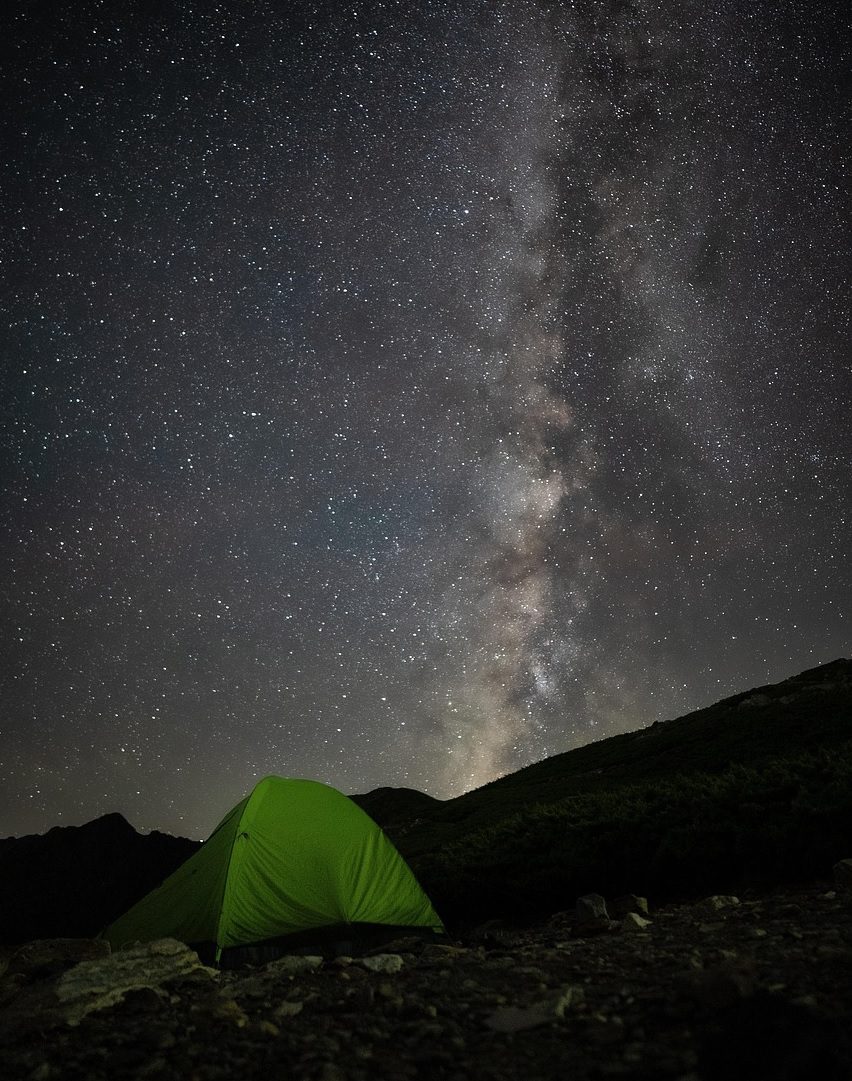
Check legal campsite access, toilets, showers, drinking water, power and arrival instructions. Ask about local gear hire rather than assuming a particular retailer offers rentals wherever you happen to be.
Simple cabins and unusual public-land rentals can also be worth investigating. In the United States, Recreation.gov lists places such as Spruce Mountain Fire Lookout, where guests need to bring some supplies. Inspect access and facilities carefully.
Glamping, houseboats and lighthouses can be memorable, too. They are accommodation styles, though, rather than reliable indicators of a low price. Sometimes the novelty is precisely what you are paying for.
A sleeper train can help—but compare the whole journey
A genuine overnight sleeper can combine transport with a bed. ÖBB Nightjet offers sleeping-car accommodation; check the actual route, date and compartment before booking.
Compare the sleeper fare with daytime transport plus a room. Include station transfers, departure times, luggage arrangements and whether you will get enough sleep to enjoy the next day.
A seat on a night train is not the same as a bed. Nor is every scenic train a sleeper. Buy the product you need, rather than the romantic version your imagination has already boarded.
The real accommodation cost: do the boring sum
The cheapest listing can become the most expensive day. Add the room, compulsory charges and extra transport, then subtract only savings you realistically expect to make.
When the cheaper room costs more
Illustrative example only: these are invented amounts to show the calculation, not quoted accommodation prices.
The “cheaper” room costs €8 more each day. Over seven nights, that is €56—and you also spend more time travelling.
For membership-based stays, spread the fee over nights you have actually arranged, rather than an optimistic year of imaginary bookings. With exchanges, consider your time and responsibilities separately; not every cost appears on a receipt.
You can put accommodation into the wider plan using our guide to how much it costs to travel the world.
Six questions before you book or agree to a stay
- What is the full cost? Include fees, taxes, cleaning, utilities, membership and transport.
- What am I committing to? Confirm duties, quiet hours, curfews, minimum nights and cancellation terms.
- Can I get there comfortably? Check arrival times, public transport, steps and luggage access.
- Does the room meet my needs? Ask about the bathroom, bed, heating or cooling, kitchen and Wi-Fi.
- What do recent guests say? Look for specific, consistent accounts and clarify any gaps.
- What is my backup? Keep written confirmation, contact details and funds for a replacement stay.
My advice is to try one unfamiliar option on a manageable trip. You do not need to turn every night into an accommodation experiment. Sometimes the humble guesthouse with a decent shower is the most inspired choice you will make all week.
Affordable accommodation: quick answers
Some exchanges have no nightly accommodation charge, but membership, travel and other expenses remain. You also commit to agreed home and pet-care duties. Compare the whole arrangement, not just the room price.
Not necessarily. Monastery Stays says its listed guesthouses welcome people of different backgrounds without requiring religious participation. Other monasteries and retreats may have different policies, so check the specific property.
No. Rates and inclusions vary. Compare the total price with other rooms for the same dates and location, and check whether the house rules suit your plans.
Yes, where rooms are offered to visitors. UniversityRooms accepts non-student bookings. Availability and facilities vary by institution and date.
Do not assume it is. The answer depends on the destination, your nationality and what the arrangement involves. Check the relevant immigration authority before agreeing to tasks or making bookings.
There is no universal winner. A longer rental may suit someone who wants independence; a house-sit may suit an experienced pet carer; a guesthouse may offer better flexibility. Match the costs and commitments to your travel rhythm.
Found an unusual stay that was worth it?
A monastery, a borrowed home, a college room—or a bargain that turned out to be anything but? Tell us what it cost, what you loved and what you would check next time.
Next: more practical ways to travel cheaply, or build a long-term travel budget around your accommodation choices.
Source note: platform guidance and booking policies checked 11 October 2026. Prices, availability and individual property terms can change; check the current offer before committing.