Europe Region Guide
Eastern Europe
This Eastern Europe travel guide helps you compare Poland, Czechia, Slovakia, Hungary, Romania, Bulgaria and Moldova. Start with one connected route, then add a slower town or countryside stay. Country guides, practical checks and official travel-advice links help you explore the options without turning the journey into a race between capitals.
Big story cities, thermal baths, mountain edges — and value that still feels… suspiciously good
Region page
City breaks + nature swaps
Local currencies (mostly)
Great rail + bus networks
By Rob Wheatley – Program Director & traveler
Reviewed 25 October 2026
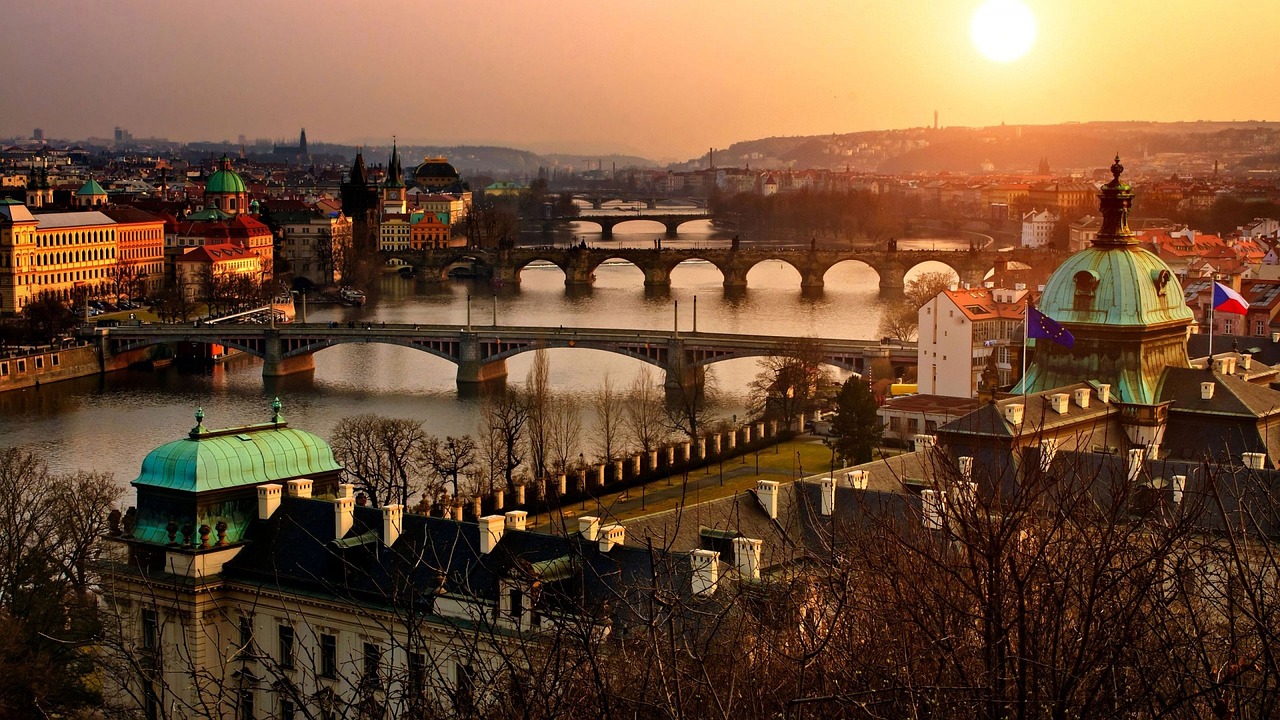
Trip dashboard
Best: May–Jun
Also great: Sept
Winter: markets + baths
Plugs: C/E/F (mostly)
Currencies: PLN/CZK/EUR/HUF/RON (+MDL)
Heads Up: A few countries in this region are currently shown as Suspended / TBA due to conflict, restrictions, and rapid changes on the ground. They remain listed for completeness, with links to current official U.S. travel advice instead of destination guides.
Finding your pace in Eastern Europe
Eastern Europe is where Europe gets punchier: architecture with attitude, food that means business, and nights that stretch later than you planned (somehow, always).
This hub covers the “Central-East to Black Sea” travel lane — think Poland to Bulgaria, with the classic city loop options (Prague–Vienna–Budapest vibes, but often cheaper and less frantic). Note: the Baltics are covered separately on this site, so you won’t see Estonia/Latvia/Lithuania listed here.
The Cheat Sheet — Eastern Europe (60-Second Scan)
If you’re skimming this on your phone while someone nearby argues about dumplings like it’s a sport, here’s your quick snapshot.
- Currencies: A mix. Expect PLN (Poland), CZK (Czechia), EUR (Slovakia and Bulgaria), HUF (Hungary), RON (Romania), and MDL (Moldova).
- Power: Check the socket type and voltage for your destination and devices before packing an adapter.
- Best time to visit: May–June and September for “good weather + human crowds.” Winter is great for markets, cafés, and thermal bath culture.
- Getting around: Trains are strong on classic routes; buses fill the gaps and are often the best value.
- Costs: Generally better value than Western Europe — but capital cities can still spike (especially weekends).
- Language: Tourist centers are easy; outside them, a translation app + polite hello goes a long way.
- Cash vs card: Cards are common, but keep some cash for smaller towns, markets, and “surprise” fees (bathhouse lockers, public toilets, etc.).
- Safety: Mostly straightforward city safety rules: watch pockets in crowds, and don’t leave phones on café tables like you’re tempting fate.
Reality Check
Rather than trying to collect eight capitals in ten days, choose an anchor city and a slower second base. Then compare the actual connection, because a workable route matters more than a crowded list.
Map
Eastern Europe overview
A clean anchor so the region boundaries don’t blur.
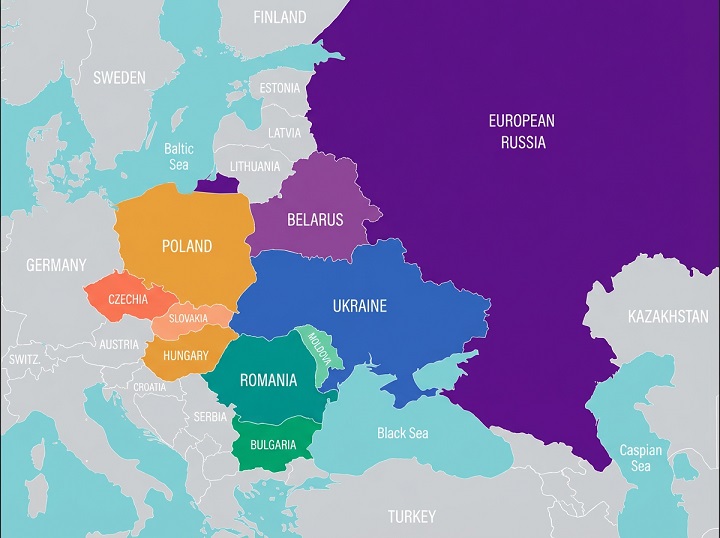
Use this map as your “grouping logic” before you stitch together routes.
Which Countries Make Up Eastern Europe?
On this site, Eastern Europe = the practical travel lane below (Baltics handled separately). Countries with suspended guide coverage remain listed below. Instead of a destination guide, each has a clearly labelled link to official U.S. travel advice.
Country guides
Key Point
If you want a simple “Eastern Europe starter loop,” think in contrasts: one storybook city (Prague/Kraków-ish vibe), one river capital (Budapest-style), and one nature or coast swing (mountains, lakes, Black Sea).
Limited coverage (shorter / snapshot)
Suspended guide coverage — official advice
Ukraine Suspended
Belarus Suspended
Russia Suspended
Note: Suspended refers to guide coverage on this site, not an official advisory category. Read the linked government advice before considering travel; travellers from other countries should also consult their own government.
On the ground
How it flows
The rhythm that makes routes feel easy, not exhausting.
Eastern Europe is brilliant for “two-speed” travel: cities that keep you busy all day, then a calm reset somewhere slower — a spa town, a mountain base, a lake region, or a small historic town where evenings are just… normal and human.
The planning trick is simple: build your route around one long train/bus corridor (so you’re not constantly backtracking), then use short hops for variety. Less transit stress, more actual travel life.
Before you connect the dots
- Choose your first country guide from the links alongside.
- Then check the actual connection between your chosen bases.
- Finally, leave time for a slower stop along the way.
The magic is often in the in-between: platforms, pastry stops, and those “why does this street look like a movie?” moments.
Eastern Europe itinerary ideas
Use these as starting points, then check the actual services and divide your nights. For example, two connected bases can give you more time to explore than a list of distant highlights.
| Route idea | Trip shape | Before you choose |
|---|---|---|
| Kraków–Prague | Two contrasting city bases | Check the actual journey and avoid squeezing it between late arrivals and early departures. |
| Prague–Bratislava–Budapest | A Central European city corridor | Compare services for your dates and divide nights around what you want to see. |
| One Romanian or Bulgarian region | Cities with countryside time | Choose a smaller area first, because cross-country transfers can consume a day. |
Vibe Check — How Eastern Europe Feels
It’s not one vibe. It’s a set of moods — gothic and grand one day, brutalist and beautiful the next, then suddenly you’re in a forest that looks enchanted.
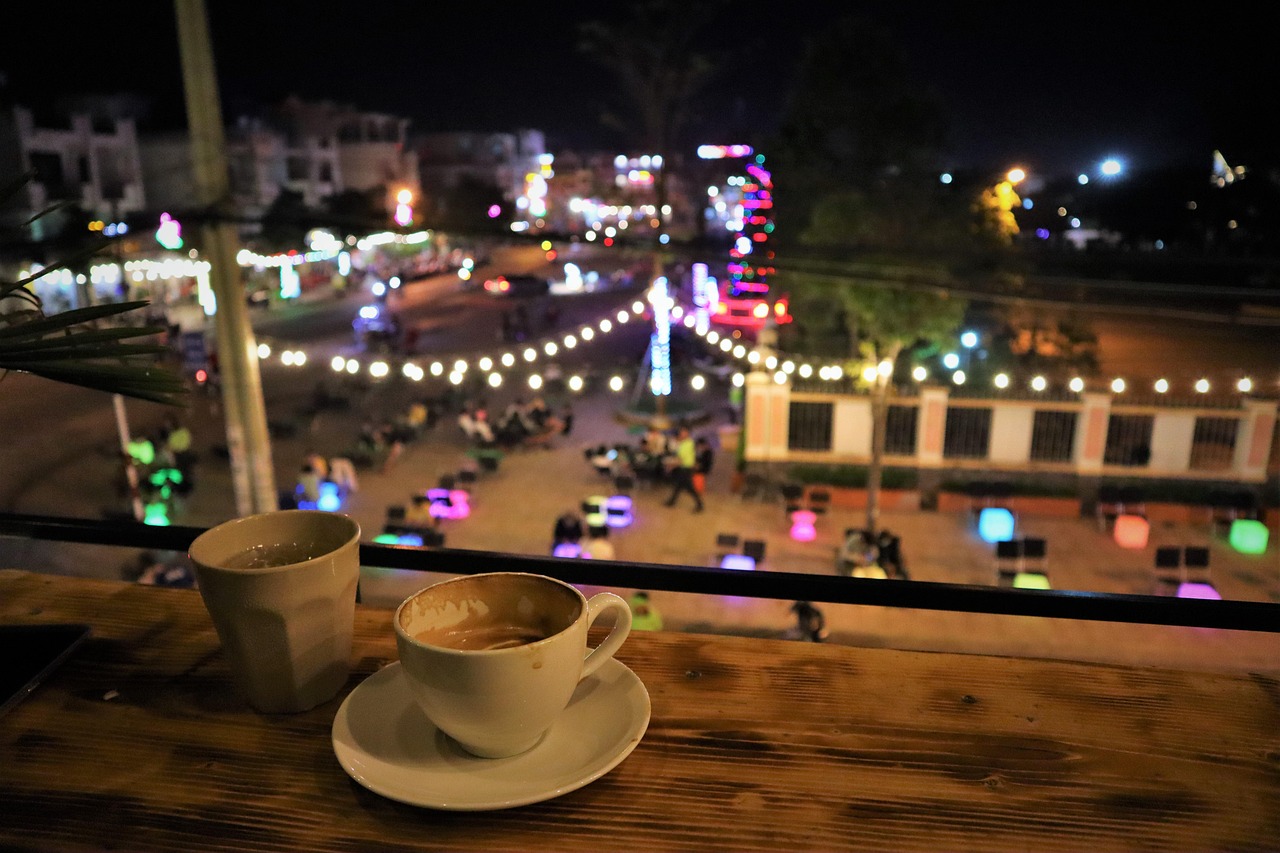
The atmosphere
Expect cities with layers — medieval cores, imperial leftovers, communist-era edges, and modern creative scenes all sharing the same map. It can feel intense in the best way: richer history, sharper contrasts, and more personality per block.
Food is hearty, not shy
For food inspiration, explore regional soups, dumplings, baking and café traditions. Then follow your own appetite, because every country offers more variety than a single hearty stereotype. Cake, admittedly, still makes a persuasive argument.
Who it’s best for
Travelers who love walkable cities, good value, strong culture, and trips that feel “real” — not curated. Also perfect if you like mixing a city break with a slow reset (baths, mountains, lakes, countryside).
Good to Know
Weekends can spike prices in the obvious hotspots. If you can, land mid-week and let the place build around you.
Street Smarts — How to Travel Smoothly (and Look Less Lost)
This region is easy, but it rewards simple awareness: tickets, validation rules, and “quiet local habits” you’ll notice after day two.
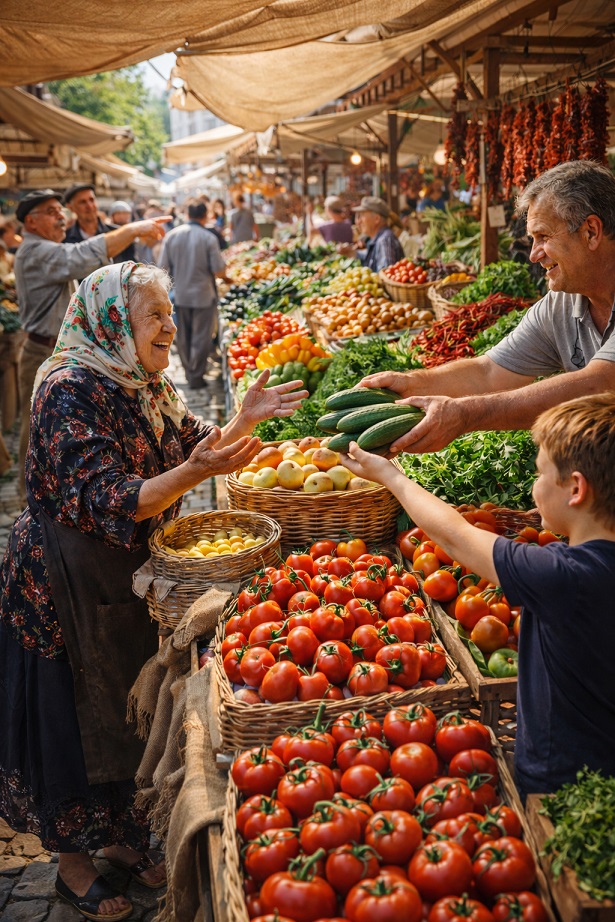
Straight Talk
The easiest mistake is treating transport rules like they’re “optional suggestions.” Some systems are strict: validation, zones, and fines. Take 30 seconds to learn the rule and you’ll never think about it again.
Tickets & validation
Before boarding, read the operator’s ticket instructions. Some tickets need validation, while others work differently. If the rule is unclear, ask staff rather than relying only on what another passenger appears to do.
Cash for small stuff
Before relying on a card for every small payment, check the local arrangements. Also keep a backup payment method separate, so one failed transaction does not become the afternoon’s main event.
Night safety
For city evenings, plan the return journey and keep valuables secure. However, general street habits do not replace current country-specific travel advice. Read the official guidance before choosing a destination.
Bathhouse etiquette
If you’re doing thermal baths, read the local rules (caps, showers, towel zones). It’s easy — and it avoids that awkward “am I doing this wrong?” feeling.
Logistics Lite — The Stuff That Makes Planning Feel Easy
Some city corridors connect conveniently, while other journeys take much longer than the map suggests. Therefore, compare actual services before choosing the next base.
Borders & entry reality
This region is a mix of systems and arrangements. Don’t guess — check current entry rules before you stitch together a multi-country route. If you’re doing longer trips, keep a simple notes app log for border crossings and nights.
Getting around
Compare rail, bus and flight options door to door for each transfer. Then check reservations, luggage and arrival times with the operator. An overnight service can suit some routes, but confirm the actual accommodation before booking.
Money & payment habits
- ATM tip: Decline “dynamic currency conversion” when offered — pay in local currency.
- Cards: Widely accepted in cities; less reliable in smaller towns.
- Budget style: Mid-range travel can feel genuinely comfortable here.
- Safety: Keep your card tap limits sensible, and carry a backup payment method.
The Un-Googleable Stuff — The Little Levers That Make a Day “Work”
Not the headline attractions — the habits and micro-moments that make the trip feel like a temporary life.

Evenings are where the city becomes itself
When you have energy after dinner, consider a neighbourhood walk or a café instead of another scheduled activity. Alternatively, leave the evening empty: a holiday does not need to account for every minute.
The “one ritual” trick
Pick one daily ritual and repeat it: a morning pastry stop, a park loop, a bath session, a sunset viewpoint. It turns a trip into a rhythm — and you stop feeling like you’re just passing through.
The Deal
Eastern Europe rewards curiosity and patience. Slow down just a little — and the region stops being “cheap Europe” and becomes “best Europe.”
Small planning secret
Your best “budget upgrade” is timing: do the famous stuff early, then spend your best energy on neighborhoods, cafés, and small museums late afternoon. Same place. Better experience.
The Gap — Things Most Travelers Don’t Think to Ask
Not warnings — just the small frictions you can avoid if you know what’s coming.
City hopping can blur the experience
Although capital-hopping is tempting, repeated transfers can consume the journey. Instead, add a slower base and give yourself time to recognise the streets around your accommodation.
Winter is beautiful… and real
Because daylight affects the shape of a winter day, check it before choosing outdoor activities. Then use museums, cafés or a suitable bath visit as part of the plan rather than a last-minute rescue.
Public holidays + closures
In some places, Sundays feel quieter and some shops close earlier than you expect. It’s not a disaster — it’s a cue to slow down.
Bottom Line
For a manageable route, begin with one connected corridor and a slower second base. Then add another stop only if the actual travel days leave enough time to enjoy it.
How to Use This Region Page
This page is your orientation: the vibe, the route logic, and the “what changes where” overview. Each country page goes deeper — costs, seasons, cities, and the practical details that make planning feel simple.
If you want a fast win: choose one anchor city, add one slower reset (spa town / mountains / lakes), then keep the rest as short hops. Your trip will feel relaxed and rich — not like an airport simulator.
Official checks before you book
First confirm entry requirements for your passport and every country in the route. Then check the operator’s current timetable and any required seat reservations. For a U.S. departure, count long-haul travel days separately from the nights available for exploring.
These links provide the current details behind the planning advice. Meanwhile, the country guides help you decide which places belong in your trip.
Eastern Europe planning questions
Poland, Czechia, Slovakia, Hungary, Romania and Bulgaria have country guides, while Moldova has an introductory snapshot. Meanwhile, Ukraine, Belarus and Russia have clearly labelled official travel-advice links instead of destination guides.
No. This site groups Estonia, Latvia and Lithuania with Northern Europe. Use the neighbouring hub link if a Baltic route is what you have in mind.
No. Compare actual accommodation, transport and activity prices for your dates. In particular, a popular city weekend can cost more than the regional label suggests.
It describes guide coverage on this website, not an official government advisory category. Consult the linked government advice for Ukraine, Belarus and Russia, and also check guidance from your own country before considering travel.
Join the conversation
Choosing a route through Eastern Europe? Tell me your travel month, interests and available nights. Then we can focus on the choice that is holding up your plans.