ROMANIA, WHEN YOU WANT REAL EUROPEAN DRAMA — NOT THE DISNEY VERSION
Romania Travel Guide: Castles, Carpathians
& Storybook Towns Done Right
This Romania travel guide helps you choose between Bucharest, Transylvania and the Carpathians. First decide which experiences matter most, then build a route with time to enjoy them. Compare bases, seasons and transport before booking, and leave room for a slower day rather than filling every gap with another transfer.
Romania is one of those countries that can feel like a legend and a surprise at the same time: café energy in Bucharest, medieval towns that still look hand-painted, mountain roads through the Carpathians, and the Danube Delta where “quiet” becomes a whole lifestyle. And yet, it’s also easy to visit Romania “wrong”… by chasing Dracula clichés, rushing Transylvania, or treating the countryside like a filler day.
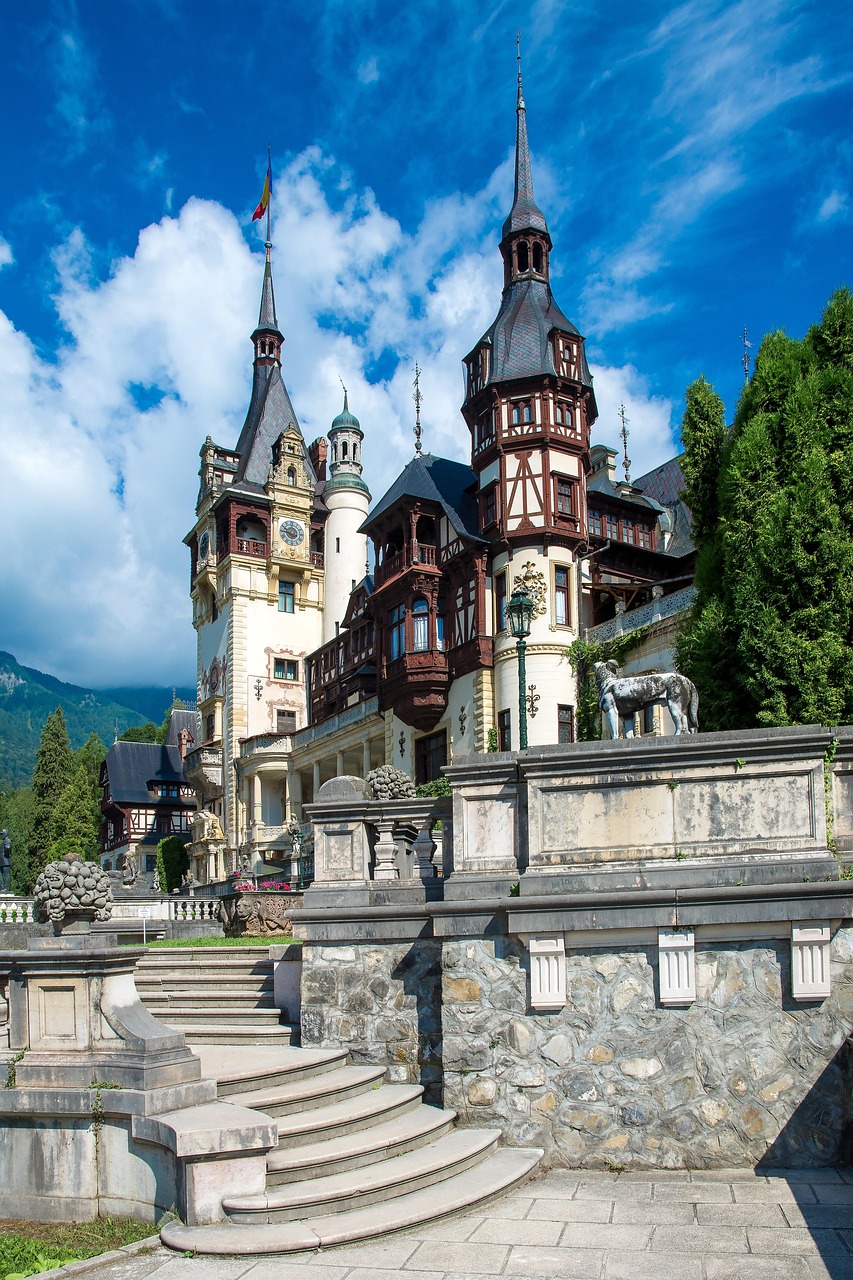
My Romania approach is simple and layered: build your trip around three moods. First, Bucharest for the urban rhythm (neighborhood cafés, parks, markets, museums). Second, Transylvania for the classic Romania storybook arc (Sibiu, Brașov, Sighișoara, castles, fortified churches). Third, wild Romania for the reset (Carpathian hikes, Maramureș villages, or the Danube Delta). When you travel like that, Romania stops being “a spooky castle stop” and becomes one of the richest trips in Europe.
Also — and this matters — Romania rewards travelers who slow down. The best moments aren’t always the headline sights. Instead, they’re the morning bakery runs, the small-town squares at dusk, and the road-trip detours that turn into your favorite memories.
In a Nutshell (60-Second Scan)
If you only read one part, read this. Romania is easy to love once you plan it as moods — not as a checklist.
- Best first move: Choose two bases: Bucharest + one Transylvania town (Brașov or Sibiu).
- When it clicks: When you realize Romania is not a “Dracula country” — it’s a mountains + towns + villages country.
- Money truth: Romania is strong value, but taxis + rushed routing are what quietly inflate your spend.
- Easy win: Do Transylvania as a loop (Sibiu ↔ Sighișoara ↔ Brașov) instead of day-tripping everything from one spot.
- Classic mistake: “Bucharest 1 night + Bran Castle + leave.” You’ll get a headline photo, but not Romania.
- Quiet flex: Add one “wild” layer: Carpathian hike day, Maramureș village night, or Danube Delta slow boat.
Romania rewards one simple formula: one city base + one Transylvania base + one wild day. Everything else is optional spice.
60-Second Fit Check
- Ideal trip length: 7–10 days (sweet spot), 5–6 days (tight), 2+ weeks if adding Delta + Maramureș/Bucovina.
- Best energy level: Medium — you’ll do walking towns + some travel days + optional hiking.
- First-timer friendly: Yes — especially with a two-base plan and booked trains/buses.
- Budget vibe: Budget to mid-range heaven; comfort is achievable without luxury pricing.
- My simple rule: If Transylvania is only a day trip, you’re missing the magic hour (dusk + dinner + quiet streets).
Romania isn’t trying to be a polished tourist machine — and that’s the charm. Plan with a little slack, and you’ll get the best version of the country.
The Romania That Clicks: Bucharest → Transylvania → Wild Romania
If you want Romania to feel like a story (not a rushed highlight reel), build around a clean triangle: Bucharest (city rhythm), Transylvania (towns, history, castles), and one “wild layer” (the Carpathians, Maramureș, or the Danube Delta).
Here’s what changes when you do this: your trip gets texture. Bucharest gives you the modern Romania — cafés, parks, markets, creative neighborhoods. Transylvania gives you the “postcard Romania” — squares, towers, cobblestones, and that golden light on old walls. And wild Romania gives you the deep exhale: mountains, villages, wetlands, slower meals, and quiet.
The practical benefit is distance. These three zones form a natural loop that doesn't waste your days on backtracking. Bucharest to Brașov is under three hours by train. Brașov to the mountains is a short hop. From Transylvania, you can branch north to Maramureș or swing east toward the delta, then circle back to Bucharest. The geography actually works in your favor — unlike other European countries where the "must-sees" are scattered across opposite corners.Honestly, that blend is Romania’s superpower. It’s not one thing. It’s three or four things — and the variety keeps the trip exciting without burning you out.
- Days 1–2: Bucharest (Old Town edges, parks, markets, museums, coffee).
- Days 3–6: Transylvania base (Brașov or Sibiu) + day loops (Sighișoara, fortified churches, a castle day).
- Day 7: “Wild” day (Carpathian hike / scenic drive / Danube Delta mini-boat day).
- Day 8: Buffer + fly out (or add one more slow town night).
Vibe Check: What Kind of Romania Are You Actually Here For?
Romania has multiple personalities. Decide your primary mood first, then layer the others.
The City Romania (Bucharest energy, cafés, museums)
You want neighborhoods, food, parks, and a modern European city vibe with a distinctly Romanian edge. Bucharest is underrated — and it’s the best “context layer” for everything you’ll see next.
Plan like: 2–3 nights + neighborhood wandering + one museum anchor.
The Storybook Romania (Transylvania towns, castles, squares)
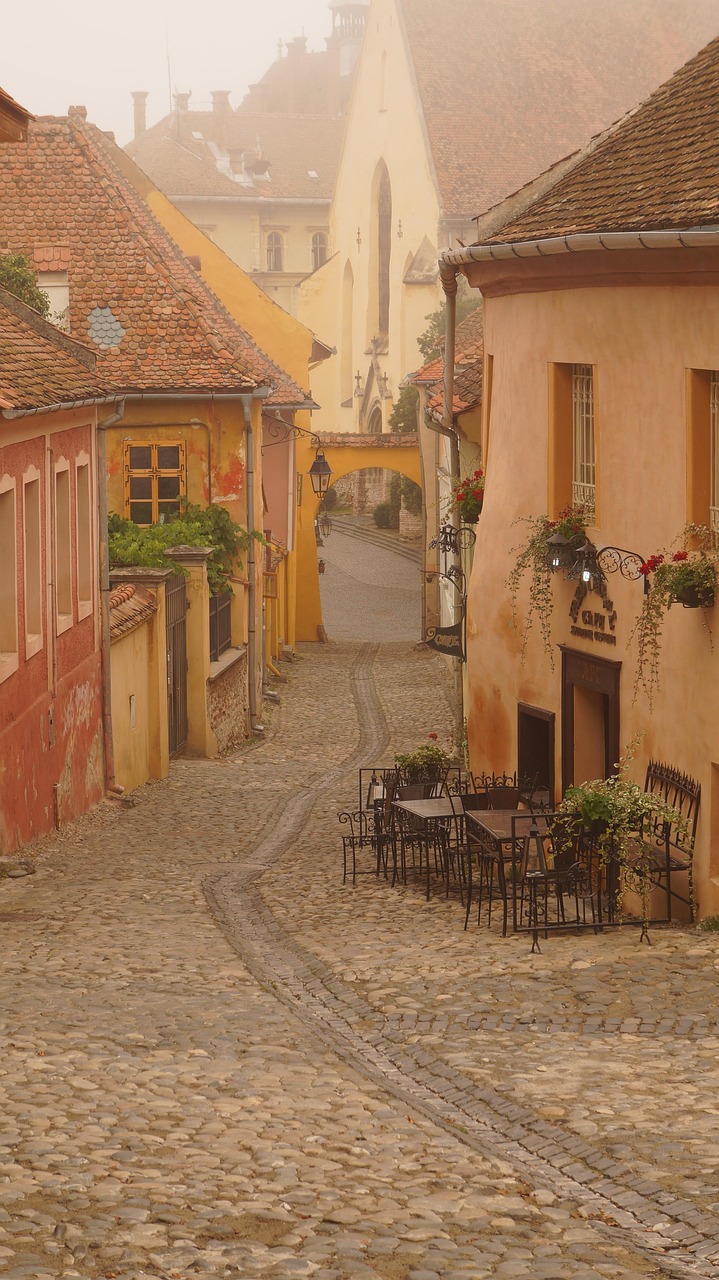
You want cobblestones, towers, pastel facades, churches, and dinners that run long. Transylvania is the classic arc — and it’s best done slowly from one smart base.
Plan like: 4–6 nights in Brașov or Sibiu + loops, not sprints.
The Wild Romania (Carpathians, villages, Danube Delta)
You want mountains, forests, wildlife, traditional villages, and quiet. Romania’s outdoors is the “reset button” that makes the whole trip feel deep — not just scenic.
Plan like: 1–3 nights outside cities + one slow day with no agenda.
Romania in Four Seasons: Same Country, Totally Different Mood
- Spring (April–May): Fresh towns, green hills, comfortable walking temps. Great value, fewer crowds, and a “new season” feeling everywhere.
- Summer (June–August): Best for mountain hiking, road trips, and long evenings in town squares. Book popular Transylvania stays ahead.
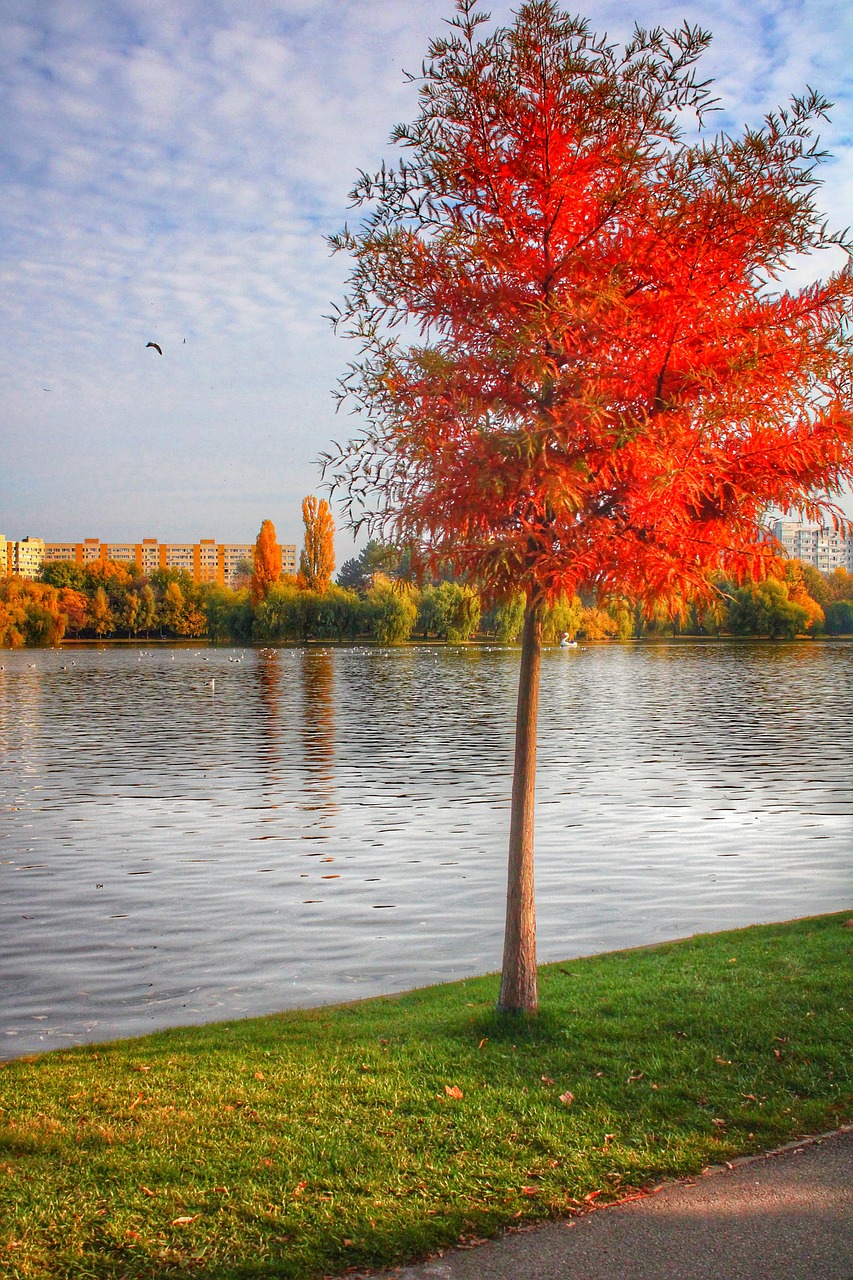
- Autumn (September–October): My favorite for color — forests glow, towns feel calmer, and the whole country gets cinematic light.
- Winter (November–March): Cold, festive, cozy. Great for Christmas markets, snowy mountain towns, and low prices — but plan for shorter daylight.
Romania spans lowlands, mountains, and wetlands — so weather changes fast. Pack layers year-round, and keep one “rain/slow day” in your routing so you don’t feel trapped.
Street Smarts: Small Romania Rules That Save Big Stress
- Cash still matters. Cards work in cities, but small towns, rural stays, and markets often prefer cash. Keep some lei on you.
- Language reality: English is common in tourist areas and among younger people, less so rurally. A friendly hello + thank you goes far.
- Don’t over-index on “Dracula.” Treat it like one optional stop, not the trip identity — Romania has far better stories.
- Give yourself dusk. Transylvania towns are best in the evening when day-trippers leave and the squares calm down.
- Trains can be slower than you expect. They’re scenic and affordable, but build buffer time and don’t stack tight connections.
- Wildlife is real. In mountain areas, follow local guidance (especially around bears). Be smart, not dramatic.
- Tipping: Commonly 10% in restaurants if service was good; round up in casual spots.
- Smoke rules vary. Many places enforce indoor restrictions, but you’ll still encounter more casual attitudes than Western Europe.
Romania runs on rhythm, not rush. If you build a trip that allows long dinners and unplanned detours, you’ll get the best version of the country.
Logistics Lite
Romania gets easy when you lock the basics: entry rules, money, power, emergency numbers, and how you’ll move.
Entry rules & the Schengen reality
Romania is a full member of the Schengen Area. For most visa-exempt visitors (US, UK, Canada, Australia, etc.), the common rule is 90 days within any 180-day period across the Schengen zone. Always confirm your personal situation based on nationality and travel history.
Visas and travel documentsBorder tech changes (EES / ETIAS)
For border procedures and any travel authorisation applying on your dates, check the official EU EES and ETIAS website. Then verify the requirements for your passport before departure.
Money (RON) & everyday pricing
Romania uses the Romanian leu (RON). In big cities, cards are common; in smaller towns, cash helps. Romania is usually excellent value for accommodation, food, and local transport — your main “price levers” are pace and routing (too many long transfer days = more spend).
Power + emergencies + the “save this now” list
Romania uses Type C and F plugs, 230V / 50Hz. Mobile coverage is strong in cities; mountains and remote areas can be patchy (download offline maps).
- EU emergency (all services): 112
Getting around: trains for towns, car for “wild Romania”
Between major cities: trains and buses are affordable; travel times can be slower than you expect. Transylvania towns: doable by train/bus if you plan carefully. Mountains/villages/Delta: a car or guided day is often the simplest unlock.
Driving: scenic, doable, and better with slack
Romania can be an incredible road-trip country — but don’t plan aggressive distances. Roads vary, wildlife can be active at dawn/dusk in mountain areas, and city driving takes patience. The win is freedom: villages, viewpoints, and “accidental” stops you’ll never get via day tours.
Build buffer time into your route. Romania’s best travel days have one anchor and a lot of room for detours.
Base Plans: 3 Simple Ways To Build a Romania Trip That Still Feels Good at Day 7
Pick one. Romania is big enough to overwhelm — so your base plan is what keeps it calm.
Plan A: Two-base classic (Bucharest + Transylvania)
- Why: Balanced, easy, first-timer friendly.
- Do: 2–3 nights Bucharest → 4–6 nights Brașov or Sibiu (loops from there).
- Rule: Sleep at least one night in the “pretty towns,” not just day-trip them.
First-timers, couples, solo travelers, and anyone who wants “max Romania” with minimal stress.
Plan B: Transylvania loop (town-hopping done right)
- Why: You get variety without backtracking.
- Do: Sibiu (2) → Sighișoara (1) → Brașov (3) → optional castle/fortified church day.
- Rule: Keep travel days short so evenings stay yours.
Romania feels like a story arc — not a ping-pong route.
Plan C: Deep Romania (wild layer included)
- Why: You get the Romania most tourists don’t reach.
- Do: Add 2–4 nights in the mountains, Maramureș villages, or the Danube Delta.
- Rule: Don’t over-pack the schedule — the point is slow.
You’ll come home feeling like you met Romania — not just photographed it.
Costs & Pace: What Actually Moves the Needle in Romania
Romania is generally excellent value — but your budget is dictated more by pace and choices than by the country itself. Rush routing (tight transfers, too many taxis, “one-night stands” in every town) creates hidden spend. Meanwhile, a two-base plan, local cafés, and a few supermarket picnic lunches keeps Romania feeling easy on the wallet.
- Accommodation strategy: Budget stays often feel like a bargain; mid-range is where Romania shines for comfort.
- Food strategy: Local restaurants + bakeries + markets = big quality for low cost.
- Transport strategy: Trains/buses are affordable; cars add freedom but increase costs (fuel, parking, occasional toll/vignette fees).
- Activity costs: Town wandering is mostly free; castles/museums are usually modestly priced; guided day tours vary.
- Daily average (illustrative): Budget 200–320 RON/day, mid-range 350–600 RON/day, comfortable 650–950 RON/day.
Romania doesn’t get expensive unless you travel like you’re late for a meeting. Slow it down, and the value becomes obvious.
🇷🇴 Romania Daily Rhythm Comparison
How your pace shapes your day (and your spend)
Prices are illustrative (RON) to show the relationship between pace and spend — not a quote.
Un-Googleable Romania: Tiny Choices That Change the Whole Trip
These aren’t “hidden gems.” They’re the small behaviors that make Romania feel like a real discovery.
Stay in a town overnight (don’t just day-trip it)
Romania’s towns are at their best at dusk: lights turn warm, squares empty out, and dinner becomes an event. One overnight in Sibiu, Brașov, or Sighișoara does more for your trip than another rushed sight.
Eat the “everyday Romania” meal: soup + bread + something slow-cooked
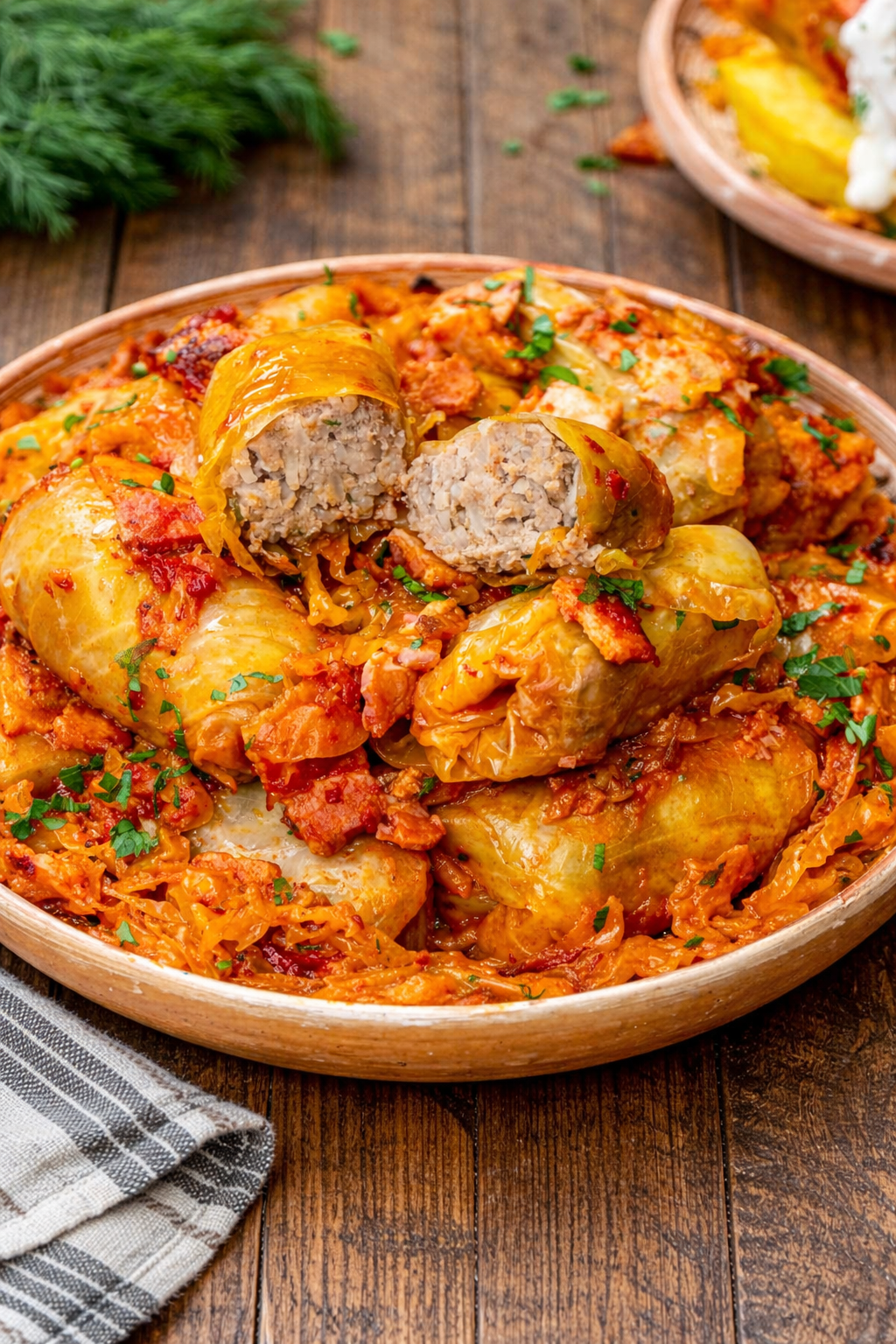
Skip the tourist menus. Find a local restaurant and order a Romanian soup (ciorbă) and a comfort main. It’s not fancy — it’s grounding — and it’s how you meet the country.
Do one morning market run
Markets are where Romania feels alive: fruit, cheeses, breads, local honey, small conversations. You’ll eat well and you’ll remember it longer than a “top 10” attraction.
Pick one “fortified” stop (church/town walls) and linger
Romania’s history shows up in defensive architecture. The move is to sit for 20 minutes: look at the walls, watch people, and let it be quiet.
Treat Bran Castle as optional — and choose one deeper castle day
Bran can be fun if you frame it correctly (a stop, not the identity). If you want the “wow,” choose one castle day you actually care about and go early.
Schedule one “wild layer” day with no strict plan
Romania’s mountains, villages, and wetlands work best when you aren’t chasing the clock. Leave space for a viewpoint detour, a slow lunch, or a short hike you didn’t know you needed.
Gap Analysis: Is Romania Right for Your Kind of Trip?
Romania is incredible — but it’s not for everyone. Here’s the honest part (with fixes, not judgment).
You’ll love it if…
- You like destinations that feel real and not over-packaged.
- You enjoy mixing towns + nature + culture in one trip.
- You like road-trip energy (or at least scenic transit days).
- You care about atmosphere more than “famous sights.”
- You want value without sacrificing comfort.
- You don't mind that "opening hours" are more like suggestions.
- You're okay with a country that's still figuring out its own tourism identity.
- You get a kick out of stumbling into festivals or traditions you've never heard of.
Plan around it if…
- You need perfect transport speed (solution: build slack and don’t stack tight connections).
- You want ultra-polished tourist services everywhere (solution: choose the right bases and book key stays early).
- You hate driving variability (solution: use two bases + planned day tours for the “wild” layer).
- You dislike unpredictable weather (solution: pack layers and keep one flexible day).
Romania is best for travelers who value texture over polish. If you can be flexible, the payoff is huge.
Romania FAQs
Quick answers to the stuff people actually worry about.
Is Romania safe for tourists?
Generally, yes. Use normal city precautions (watch your belongings in busy areas), be careful with late-night taxis, and follow local guidance in mountain/wildlife areas. Most trips are trouble-free.
Do people speak English in Romania?
In Bucharest and major tourist areas, English is common (especially among younger people). In rural areas, it can be less consistent — but you can still manage with patience, gestures, and offline translation.
How many days do I need for Romania?
Minimum 5–6 days for Bucharest + a Transylvania base. Ideal is 7–10 days to add a “wild layer” day. Two weeks is perfect if you want the Delta or Maramureș/Bucovina depth.
Is Romania expensive?
Usually not. Romania is often excellent value compared to Western Europe. Your biggest cost drivers are pace, long-distance transfers, and whether you add car rental or private tours.
What’s the best way to get around Romania?
For cities and major towns: trains/buses can work well with planning. For mountains, villages, and more remote areas: a car (or a guided day) unlocks the best experiences.
When is the best time to visit Romania?
May–June and September–October are sweet spots: good weather, fewer crowds, beautiful light. July–August is great for hiking but busier. December can be magical if you want festive winter vibes.
Do I need cash in Romania?
In cities, cards are widely used. Still, having cash (lei) is helpful for markets, small towns, and rural stays. Keep a small buffer so you’re never stressed.
What should I eat in Romania?
Try Romanian soups (ciorbă), slow-cooked comfort dishes, bakery breads, local cheeses, and whatever the market vendors are proud of that day. Romania’s food is better than its reputation.
Plan your next step
Compare the Europe travel hub and the Eastern Europe guides, then use the trip-planning guide to work through dates, connections and budget.
Join the conversation
Are you building Romania as a Bucharest + Transylvania trip, a mountain-heavy adventure, or a “deep Romania” slow travel loop? Share your rough itinerary and what you’re most curious about — and if you’ve got practical tips (small towns, food spots, calm routes), help the next traveler experience Romania beyond the clichés.