Romania · Destination guide
Bucharest: Rough Edges, Good Coffee and Questionable Bedtimes
Bucharest’s rough edges are part of what interests me. Grand façades, communist concrete and buildings that look as though the renovation committee went for lunch in 1987 and never came back. Then someone opens a lovely coffee shop downstairs. Somehow, it works.
The Old Town, Lipscani, is the obvious place to start. Once a crumbling quarter, it’s now full of cocktail bars, terraces, live music and restaurants spilling into the lanes. Come evening, the sensible plan for an early night starts looking rather negotiable.
By Rob Wheatley · Traveller and Viking Program Director
Explore the Romania destination guide →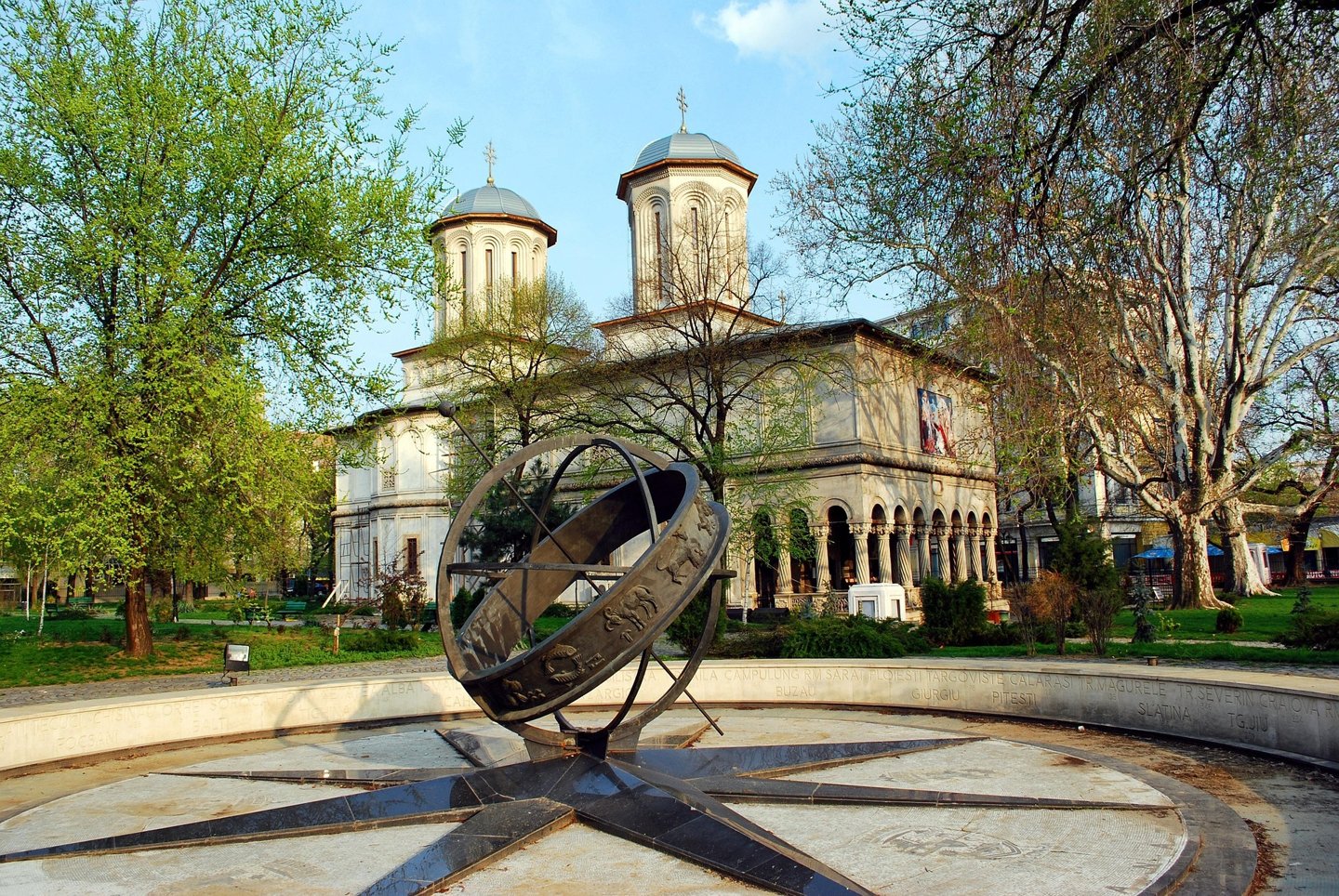
Trendy, with room to breathe
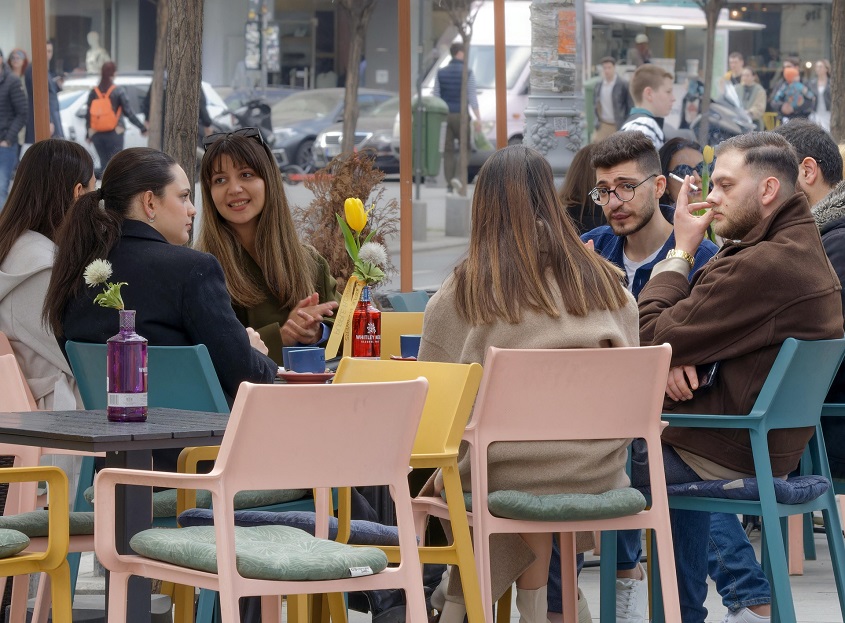
But I wouldn’t make the mistake of treating Bucharest as one long bar crawl. There’s specialty coffee worth sitting down for, street art brightening apartment blocks and food that goes well beyond the traditional sarmale. A young tech and startup crowd adds to the sense that things are happening here, even if some of the buildings haven’t received the memo.
Then there’s Cărturești Carusel, a bookshop in a restored historic building. Beautiful, airy and now something of an Instagram pilgrimage. I do like the idea that somewhere among all that posing, somebody might actually buy a book.
Don’t expect Vienna’s polish or Prague’s picture-postcard consistency. Bucharest can give you Belle Époque elegance and decades of neglect on the same street. The traffic adds its own lively interpretation of urban planning. Yet that mixture is part of the appeal: faded glamour, rough edges and fresh ambition, all jostling for space.
Your money generally stretches further here than in much of Western Europe, too. Helpful for sightseeing. Potentially less helpful for that early night.
I’d call it trendy with room to breathe. Give it a little time beyond the obvious sights. You may find the city you weren’t expecting is the one you end up liking.
Bucharest at a glance
- My priority
- The Old Town and time to look beyond it, with one substantial museum or palace visit.
- If time is short
- Keep a coherent walking area and a café stop rather than spend the day crossing the city.
- Book ahead
- The Palace of the Parliament requires planning, security screening and an accepted original identity document.
- For river guests
- Bucharest is a land stay with a road transfer to or from the ship. Confirm your hotel and pickup arrangements.
The palace that ate a neighbourhood
Bucharest was once called Little Paris. Then Ceaușescu decided that the city needed a building on a rather different scale.
During the 1980s redevelopment, a vast area around Uranus Hill was demolished to make way for the new political-administrative centre. Homes and historic streets disappeared. The Palace of the Parliament is impressive, but the empty space required to create it is part of its history too.
Anca Petrescu was the chief architect, leading an enormous collective undertaking. Construction began in 1984. Marble, timber, crystal and a workforce measured in tens of thousands went into a project that was still far from finished when Ceaușescu fell in 1989.
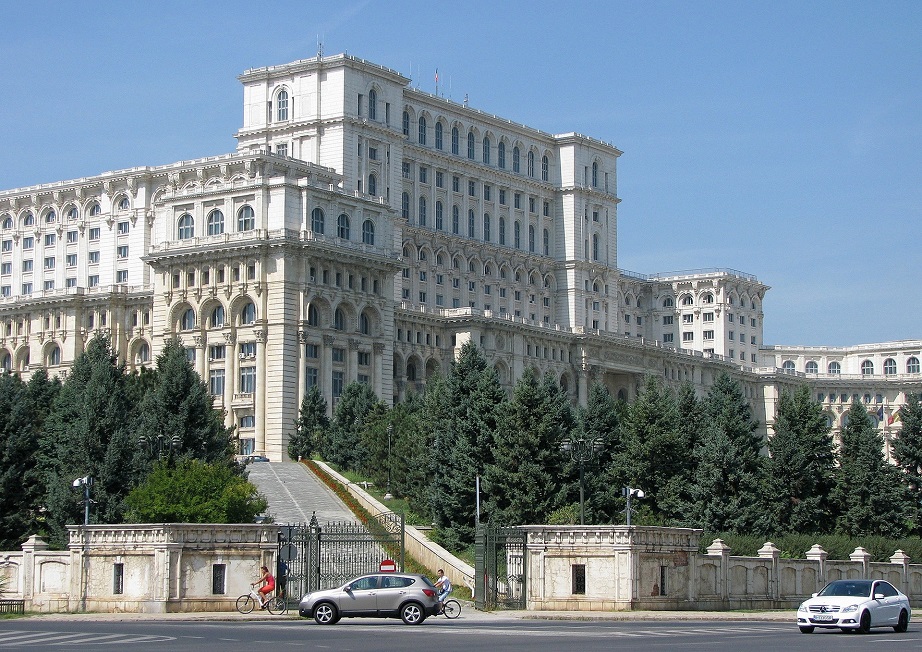
Guinness describes it as believed to be the world’s heaviest building. It is the sort of record you can almost feel from the pavement. Even the official materials inventory lists 2,800 chandeliers. Somebody, somewhere, had quite a lighting order to process.
Today it houses Romania’s Parliament among other institutions. A building conceived to project one man’s power now accommodates elected chambers. Architecture does occasionally develop a sense of irony.
Visiting the palace: bring the right document
If the interior matters to you, arrange the visit before turning up at the perimeter fence. Use the official visitor service to check availability, the current booking process, entrance and tour route. Different tours and temporary closures can change what you see.
The published rules require an accepted valid identity document in its original physical form, such as a passport or national identity card. A driving licence is not accepted. Check the current rules directly, arrive ahead of your appointment and allow for security screening.
I’d keep this as the day’s main fixed appointment. The building is large, and so is the potential for going to the wrong entrance with precisely the wrong amount of spare time.
The prince who put Bucharest on the map
Bucharest’s earliest surviving written mention dates to 20 September 1459, in a charter issued by Vlad III, better known as Vlad the Impaler. The city museum identifies it as the first documentary evidence of the city’s name.
Yes, that Vlad: the historical ruler whose name became attached to a very successful fictional count. The real man belonged to the violent politics of Wallachia, not a nightly search for a convenient neck.
The distinction is worth keeping. A first surviving document is not the same as a founding ceremony, and a city’s past is not explained by a vampire souvenir. Bucharest grew through trade, political power and successive waves of building and rebuilding.
I’d enjoy the legend, then give the actual city a chance. It has managed to produce quite enough improbable stories without supernatural help.
Lipscani, coffee and a book you might actually read
Walk the Old Town in daylight as well as after dark. The same lanes can offer different experiences: building details and browsing earlier, terraces and music later. Choose the atmosphere you want rather than assume one visit represents all of it.
Cărturești Carusel is at 55 Strada Lipscani. The bookseller reopened the restored landmark as a bookshop in February 2015. Check the current opening hours and take your time inside; it is a shop, not a compulsory photo opportunity with shelving attached.
For coffee or dinner, look at a menu before sitting down and let your interests guide the choice. The busiest terrace is not automatically serving the food you most want. If you are staying overnight and value sleep, check the hotel’s relationship to the nightlife streets before booking. “Central” can acquire a very musical meaning at one in the morning.
A workable day, with room around it
For one day, I’d combine an Old Town walk with a booked major visit and a proper break. If you choose the palace, allow transport and security time. If your interests lie elsewhere, give a museum or a quieter neighbourhood that attention instead.
With two days, separate the largest visits and leave room for the city between them. Grand boulevards, Orthodox churches, courtyards and ordinary street life make more sense when they are not just things glimpsed through a moving window.
Check routes and crossing points, and allow for traffic when travelling to an appointment or the airport. For access needs, ask about the actual entrance and visitor route. A building can be beautiful, central and still contain a decidedly inconvenient staircase.
Make Bucharest a city break in its own right
Time: Two full days give you the old centre, a booked palace visit and room beyond the headline sights. Three days are better for museums and neighbourhoods. Stay near the area you want to explore, checking night noise before choosing a room above the Old Town’s entertainment.
Arrival and travel: Airport rail reaches Gara de Nord, which is another journey from many central hotels. Check Metrorex and STB for current local transport. Traffic makes a flexible transfer allowance more useful than an optimistic map estimate.
When and what to eat: My preference is late spring or early autumn for walking. In summer, shift more of the exploring to morning and evening. Try sarmale—stuffed cabbage rolls—if you want a Romanian classic, but leave room for the contemporary cooking and coffee scene too. Bucharest has no obligation to keep its menu in the past.
For river cruise guests
Visiting with Viking?
Bucharest is the land endpoint of Passage to Eastern Europe. You transfer by road between the city and the ship; the itinerary title does not mean the vessel docks in Bucharest.
Included programme: Viking’s published 2027 schedule lists Bucharest & the Village Museum. The sequence depends on direction, with a hotel stay and transfer included in the published itinerary.
Optional, at additional cost: the published programme also lists Bucharest & the Palace of Parliament. Palace interior access is not automatically part of the included city excursion. Check your sailing’s exact programme and required identity documents.
Confirm the hotel, pickup location, luggage arrangements and transfer time before making independent bookings. On departure day, plan around checkout and the airport transfer rather than rely on a sightseeing slot that exists only if everything runs early.
Checked against Viking’s published 2027 programmes on 7 November 2026. Your booked sailing confirms availability, inclusions and timing. I work for Viking; this is my own practical guidance.
Explore Passage to Eastern Europe →Explore more along the lower Danube
Planning sources
Historical and visitor details checked 7 November 2026. The city impressions above are my editorial observations. Check current reservations, opening hours and your sailing’s programme.
- Romanian Parliament visitor service: building history and construction
- Official palace booking and identity-document requirements
- Guinness World Records: heaviest-building claim
- Bucharest City Museum: Vlad’s 1459 charter
- Cărturești: Carusel’s opening and restoration · current bookshop details
- Viking: Bucharest programme
Did Bucharest surprise you?
A favourite café, a building you could not quite believe or an early night that failed to happen? Share your tip or ask a question about planning your stay.
Join the conversation below ↓