SLOVAKIA, WHERE CENTRAL EUROPE'S MOUNTAINS MEET MEDIEVAL MAGIC
Slovakia Travel Guide: High Tatras, Medieval Castles
& Bratislava Done Right
This Slovakia travel guide helps you choose between Bratislava, the High Tatras and historic castles. First decide which experiences matter most, then build a route with time to enjoy them. Compare bases, seasons and transport before booking, and leave room for a slower day rather than filling every gap with another transfer.
Slovakia is Central Europe's secret weapon: dramatic alpine peaks in the High Tatras, sprawling medieval castles, charming Bratislava at the Danube's edge, and authentic folk culture that hasn't been Disney-fied for tourists. And yet, it's also one of the easiest countries to visit "wrong"… because it's tempting to treat Bratislava as a Vienna day trip, skip the mountains entirely, or rush through Slovakia like it's just "budget Czech Republic."
Choose a route with room to breathe
My Slovakia approach is layered: begin with Bratislava, then compare the High Tatras with the historic towns and castles you want to explore. However, treat those as choices rather than three compulsory zones. Before adding another base, check the journey. A smaller route can still give you plenty of contrast.
Also, you do not have to be a dedicated hiker to enjoy Slovakia. First, decide whether you want city walks, mountain scenery or historic towns. Then choose outings that suit your interests and access needs. Leave enough time between them to enjoy somewhere beyond its best-known view.
In a Nutshell (60-Second Scan)
If you only read one part, read this. Slovakia is easy to love once you stop treating it like Prague's budget neighbor.
- Best first move: Give Bratislava 2 full days (Old Town, castle, Danube, UFO Bridge), then head to the mountains.
- When it clicks: When you realize Slovakia has more castles per capita than almost any European country (180+ ruins and fortresses).
- Money truth: Slovakia is exceptional value — cheaper than neighboring Austria and Czech Republic, with similar quality.
- Easy win: Take a day trip from Bratislava to Devín Castle or the Small Carpathians wine region.
- Classic mistake: Vienna day-tripping Bratislava only. You'll see the capital's surface, but miss Slovakia's soul in the mountains and castles.
- Quiet flex: High Tatras hiking feels like the Alps at a fraction of the cost and crowds — alpine lakes, cable cars, and mountain huts without the Swiss prices.
Slovakia rewards a simple formula: one capital base + one mountain escape + one castle day. Everything else builds from there.
60-Second Fit Check
- Ideal trip length: 4–6 days (good), 7–10 days (sweet spot), 2+ weeks if doing full Central Europe route.
- Best energy level: Medium-high — Slovakia has city culture, mountain hiking, and castle exploration that reward active movement.
- First-timer friendly: Very — especially if you start in Bratislava and work eastward toward the Tatras.
- Budget vibe: Budget to mid-range paradise (excellent hostels, affordable guesthouses, reasonable mountain lodges).
- My simple rule: If you're only doing Bratislava, you're missing 80% of what makes Slovakia unforgettable.
Slovakia is home to Europe's highest wooden church (Hervartov), the world's oldest working astronomical clock (Bardejov), and the geographical center of Europe (near Kremnické Bane) — plus 9 UNESCO World Heritage Sites.
The Slovakia That Clicks: The Bratislava-Tatras-Castle Triangle
For a first trip, compare Bratislava, the High Tatras and a chosen castle visit. Then decide which combination fits your available days. However, do not assume every castle lies conveniently between your bases. The map offers possibilities; the timetable decides how comfortably they fit.
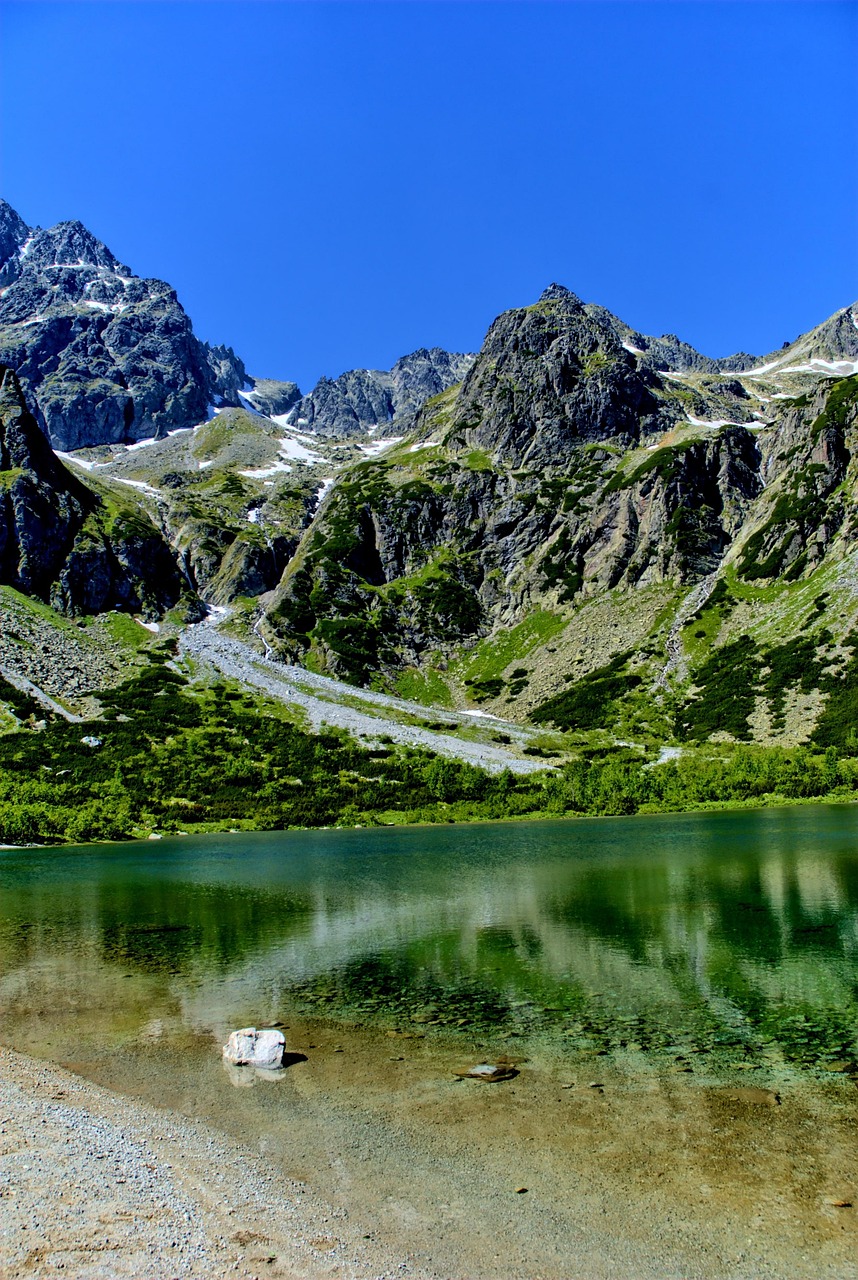
Here's what changes when you do this: the rhythm shifts. In Bratislava, you get the urban energy — cobblestone streets, riverside cafés, quirky communist-era architecture mixed with baroque palaces. In the High Tatras, you get nature's drama — jagged peaks, glacier-carved valleys, emerald alpine lakes, and hiking trails that rival the Alps. Meanwhile, the castle belt brings medieval atmosphere — sprawling ruins, fairy-tale towers, and panoramic views that make you understand why Slovakia was the frontier of empires.
For variety, put a quieter day between your bigger visits. Then a city stay, mountain base or historic town can each offer a different rhythm. However, keep the transfers manageable. An impressive itinerary is less useful if you spend most of it preparing to leave.
- Begin with days 1–2 in Bratislava deep dive (Old Town, UFO Bridge, Devin Castle day trip).
- Then spend days 3–5 at a High Tatras base (Starý Smokovec or Tatranská Lomnica) — hike to Štrbské Pleso lake, cable car to Lomnický štít peak.
- Finally, consider a castle loop for days 6–7 (Spiš Castle, Levoča town, Bojnice) + return to Bratislava for flight.
Vibe Check: What Kind of Slovakia Are You Actually Here For?
Slovakia has distinct personalities depending on where you go. Decide your primary mood first, then layer in the others.
The Urban Slovakia (Bratislava cafés, Danube views, nightlife)
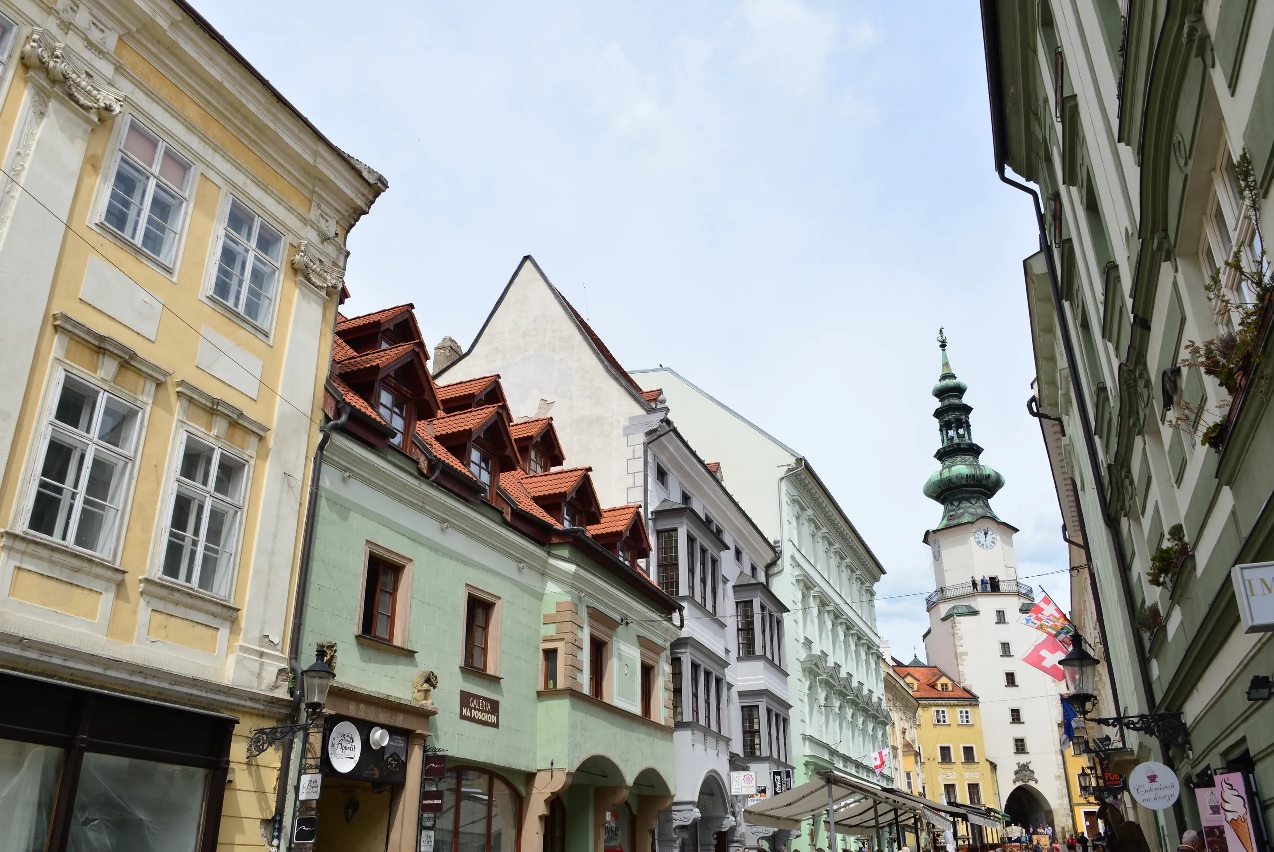
You want compact city energy, Danube sunsets, quirky architecture (communist brutalism meets baroque), and that "underrated European capital" feeling. Bratislava delivers this beautifully — especially if you explore beyond the Old Town's main square.
Plan like: 2 nights minimum + UFO Bridge sunset + Devin Castle day trip.
The Mountain Slovakia (High Tatras, alpine lakes, hiking trails)
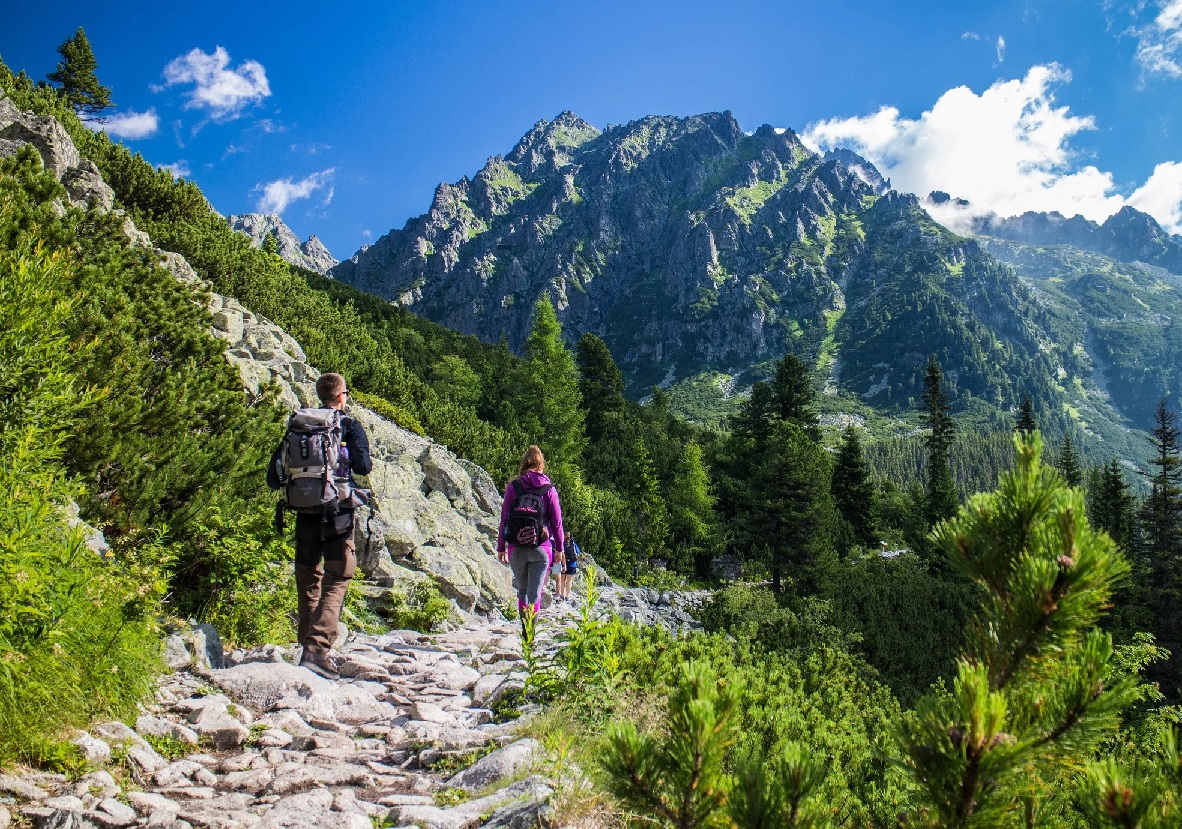
You want nature, dramatic peaks, and that "Alps on a budget" feeling. The High Tatras are Slovakia's natural crown — year-round beauty with summer hiking, winter skiing, and alpine villages that feel like Switzerland at half the price.
Plan like: 3–4 nights Tatras base + flexible weather plans + cable car shortcuts if needed.
The Medieval Slovakia (castles, UNESCO towns, folk culture)
You want fortress ruins, medieval town squares, wooden churches, and folk traditions that haven't been sanitized for tourists. The castle belt (Spiš, Orava, Bojnice) and towns like Levoča, Bardejov, and Banská Štiavnica are Slovakia's historical heart.
Plan like: car rental essential + 2–3 castle days + overnight in historic towns.
Slovakia in Four Seasons: Same Country, Wildly Different Experience
- Spring (April–May): Best for wildflower meadows, melting snow in the Tatras, and comfortable hiking temps. Shoulder-season pricing, fewer crowds, but some high-altitude trails still closed.
- Summer (June–August): Peak hiking season — warm weather, all trails open, longest daylight hours, and vibrant festival culture. Book Tatras accommodation ahead; castles get busy on weekends.
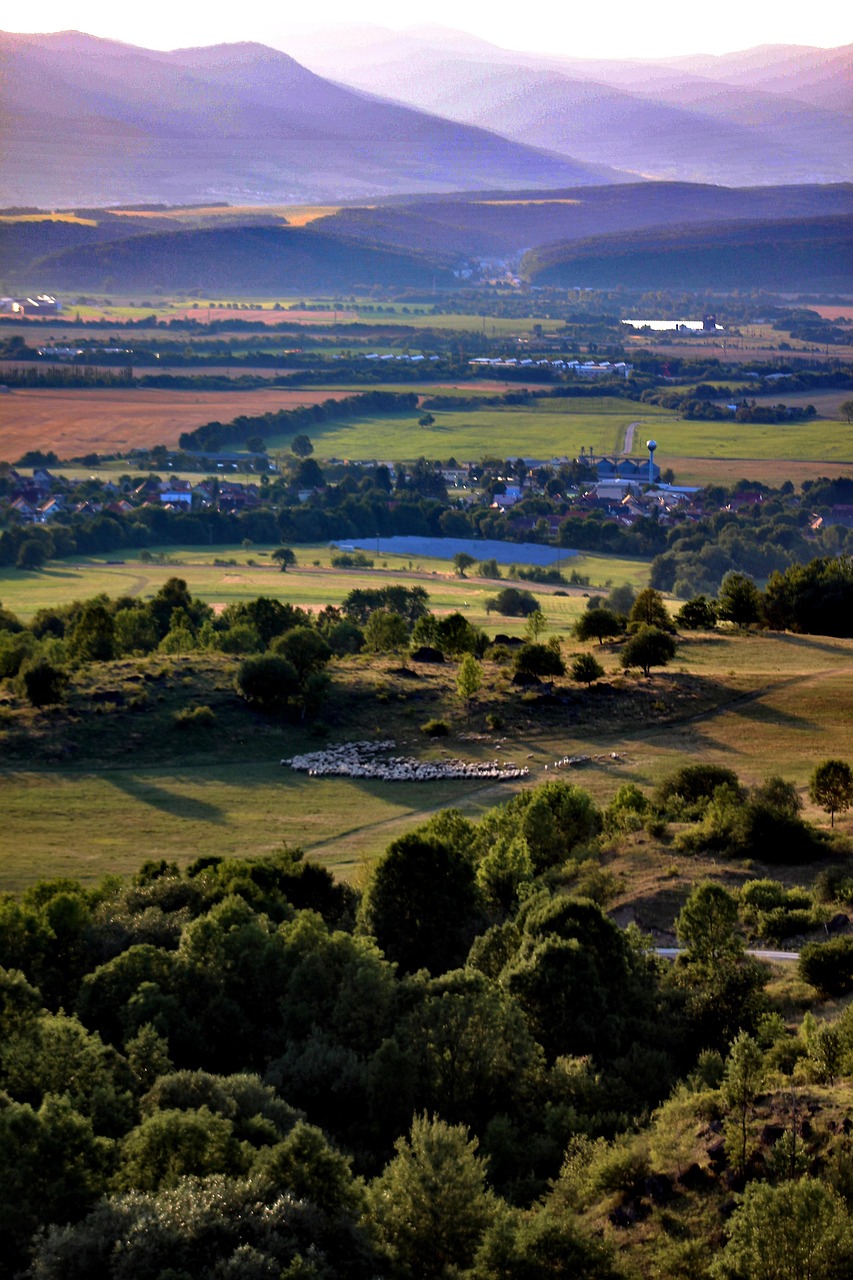
- Autumn (September–October): My favorite for photography, forest colors in the mountains, and moody castle ruins. Still comfortable hiking temps, fewer tourists, and harvest-season food (mushroom dishes everywhere!).
- Winter (December–March): Ski season in the Tatras — excellent value compared to Western European resorts. Christmas markets in Bratislava, frozen castle landscapes, and thermal spa culture. Not for hikers, but magical if you embrace winter sports.
Slovakia's weather is continental — hot summers (25–30°C), cold winters (–5 to –15°C in mountains). Mountain weather changes fast: pack layers year-round, always carry rain gear for Tatras hikes, and check avalanche forecasts in winter.
Street Smarts: Small Slovakia Rules That Save Big Stress
Language, money and getting around
- English works in Bratislava and tourist zones, less elsewhere. Learn basic Slovak phrases for rural areas — "ďakujem" (thank you) and "dobrý deň" (good day) open doors.
- Slovakia uses euros, but cash is still king. Many mountain huts, small restaurants, and rural guesthouses prefer cash. Carry €50–100 in notes.
- Bratislava Old Town is tourist-central. The real local energy is across the river in Petržalka, or in neighborhoods like Eurovea waterfront and Sad Janka Kráľa park.
- Public transport in Bratislava is excellent. Trams and buses are cheap (€0.70–1.20 per ride), clean, and punctual. Buy tickets at machines or via app.
Mountain days and everyday details
- High Tatras require mountain respect. Weather changes fast, trails can be steep and exposed, and rescue services charge fees. Bring proper boots, layers, and check forecasts.
- Slovaks are reserved but warm once engaged. Don't mistake initial quietness for unfriendliness — genuine hospitality emerges slowly.
- Restaurant service can feel slow. It's not rude — Slovak dining culture is leisurely. Flag down servers when ready to pay; tipping 10% is standard.
- Supermarkets are budget gold. Tesco, Billa, Kaufland are everywhere — stock up for mountain picnics and save serious money.
Before visiting smaller towns, check the transport and services you intend to use. Then keep useful addresses and booking details available offline. Also, ask politely which language works for a conversation. Preparation leaves more room to enjoy the discoveries along the way.
Logistics Lite
Slovakia becomes effortless when you handle the modern basics up front: entry rules, border tech, money, power, and "how to move."
Entry rules & the Schengen reality
Slovakia is part of the Schengen Area and the European Union. For most visitors from visa-exempt countries (US, UK, Canada, Australia, etc.), you can stay up to 90 days within any 180-day period across the entire Schengen zone without a visa. Always confirm your personal situation based on nationality and travel history.
Visas and travel documentsBorder tech changes (EES / ETIAS)
For border procedures and any travel authorisation applying on your dates, check the official EU EES and ETIAS website. Then verify the requirements for your passport before departure.
Money (euro) & everyday pricing
Slovakia uses the euro (€) since 2009. Prices are very reasonable: hostel beds €10–18, mid-range hotels €40–70, restaurant meals €8–15, beer €2–4, groceries cheap. Mountain huts and thermal spas add to costs, but overall Slovakia offers excellent value.
Power + emergencies + the "save this now" list
Slovakia uses Type C and E plugs (European standard), 230V / 50Hz. Pack a universal adapter if coming from outside Europe. Mobile coverage is excellent nationwide (Orange, Telekom, O2 are the main carriers).
- General emergency: 112
- Police: 158
- Ambulance: 155
- Fire: 150
- Mountain rescue: 18300
Getting around: Bratislava is walkable; mountains need wheels
First, compare public transport for your city stays and intercity journeys. Then check the connections from your chosen mountain base or historic town. For more remote stops, compare a car with tours or other available services. However, choose from the actual route rather than assuming every countryside visit requires a rental.
Driving: Good roads, watch for speed cameras & wildlife
Slovakia's roads are generally good on main routes (highways well-maintained). Drive on the right side. Speed limits: 50 km/h urban, 90 km/h rural, 130 km/h highways. Highway vignette (toll sticker) required — buy at borders or gas stations (€10 for 10 days). Watch for deer and wildlife, especially at dawn/dusk. Winter tires mandatory November–March.
International driving permits recommended (though EU/EEA licenses accepted). Zero-tolerance alcohol limit (0.0% BAC). Police are strict — speed cameras common on highways.
Base Plans: 3 Simple Ways To Build a Slovakia Trip That Still Feels Good at Day 5
Pick one. Slovakia is compact enough to explore deeply — so your "base plan" shapes whether you go deep on urban, mountain, or balanced variety.
Plan A: Bratislava-centered hub (culture-heavy)
- Why: You maximize Bratislava's cafés, Danube walks, and nightlife — plus easy day trips (Devin Castle, wine region, even Vienna).
- Do: 3–4 nights in Bratislava, day trips by bus/train/car, evening returns to city comforts.
- Rule: Explore beyond Old Town — Eurovea waterfront, Sad Janka Kráľa park, Petržalka neighborhoods are where locals live.
City lovers, short-break travelers, and anyone combining Slovakia with Vienna/Budapest.
Plan B: Mountain loop (nature + castles)
- Why: You unlock Slovakia's best landscapes — High Tatras peaks, alpine lakes, medieval castles, and thermal spa towns.
- Do: Rent car in Bratislava → High Tatras (3 nights) → castle belt (Spiš, Levoča, Bojnice) → back to Bratislava.
- Rule: Don't overpack your days. Mountain weather is unpredictable — build in flex time.
You see the Slovakia that 90% of tourists miss — and it's the most memorable version.
Plan C: Balanced hybrid (city + mountains)
- Why: You get Bratislava's urban energy plus Tatras mountain magic without constant packing/unpacking.
- Do: 2 nights Bratislava → 3 nights High Tatras → 1 night Levoča or Banská Štiavnica → fly out.
- Rule: Use Bratislava as your cultural anchor, then add mountain "bookends" for nature variety.
You get Danube sunsets, alpine hikes, castle ruins — no FOMO, no burnout.
Costs & Pace: What Actually Moves the Needle in Slovakia
Before setting a daily budget, compare accommodation, transport and activities for your dates. Then add meals and a little unallocated spending. However, check the complete cost of a base before calling it a bargain. A cheaper room is less useful if reaching everything takes another hour.
- Accommodation strategy: Hostels €10–18/night, pensions €25–50, mid-range hotels €40–70, mountain huts €15–30/person.
- Food strategy: Supermarket picnics €5/day, casual kolibas €8–12/meal, mid-range restaurants €12–20, fine dining €30+.
- Transport strategy: Public transport pennies, buses €5–15 between cities, car rental €25–40/day (adds fuel + tolls).
- Activity costs: Most castles €5–10 entry, Tatras cable cars €15–25, thermal spas €10–20, guided tours €20–50.
- Daily average: Budget €25–40/day, mid-range €50–80/day, comfortable €90–130/day.
For everyday savings, compare menus and self-catering options, then choose what suits your holiday. Also, count the cost of repeated moves. A longer stay can leave more time and money for the experiences that made you want to visit.
🇸🇰 Slovakia Daily Rhythm Comparison
How your pace shapes your day (and your spend)
Relaxed
Moderate
Intensive
Prices are illustrative (€) to show the relationship between pace and spend — not a quote.
Un-Googleable Slovakia: Tiny Choices That Change the Whole Trip
These aren't "hidden gems." They're the small behaviors that make Slovakia feel like a discovery, not a checklist.
Eat bryndzové halušky (potato dumplings with sheep cheese) at least once
This is Slovakia's national dish — not fancy, not pretty, but deeply Slovak. Order it at any traditional koliba (tavern). The sheep cheese is tangy, the bacon crispy, the dumplings hearty. It's comfort food that tells Slovakia's pastoral story.
Catch sunset from UFO Bridge observation deck
For the UFO observation deck, first check current tickets and opening arrangements. Then choose a time that fits the rest of your day. However, leave yourself a weather alternative rather than making one sunset the entire reason for the outing.
Take the electric train along the High Tatras base
For a High Tatras stay, compare the electric railway connections with the villages and outings you want. Then check the timetable and suitable tickets. Also, allow time at each stop rather than turning the train into a way to collect every station.
Visit Spiš Castle at opening time (8am) before tour buses arrive
Before visiting Spiš Castle, check official opening and access information for your date. Then allow time for the site and the journey. However, do not build the day around a promise that arriving early means having it to yourself.
Stop in Levoča town for lunch on your castle road trip
Levoča is a perfectly preserved medieval town (UNESCO site) with a stunning main square and the tallest Gothic altar in the world (St. James Church). It's on the way between Tatras and Spiš Castle — stop for lunch, explore the square, and soak in the medieval atmosphere that hasn't been theme-parked.
Learn one Slovak phrase: "Dobrú chuť" (bon appétit)
Slovaks say "dobrú chuť" (DOH-broo khoot) before meals — it's their equivalent of "enjoy your meal." Use it at restaurants or mountain huts and you'll earn instant smiles. Slovaks are proud of their language (it's similar to Czech but distinct) and appreciate any effort.
Gap Analysis: Is Slovakia Right for Your Kind of Trip?
Slovakia is criminally underrated — but it's not for everyone. Here's the honest part (with fixes, not judgment).
You'll love it if…
- Mountain scenery, historic towns and city walks all appeal to you.
- Rather than moving every day, a few well-chosen bases suit your pace.
- For variety, combining Bratislava with another region sounds inviting.
- Also, time to understand a place interests you as much as its best-known photograph.
Plan around it if…
- Weather: Before choosing dates, compare conditions for the particular activities you want.
- Services: Check transport and opening arrangements, then plan rural stays around what is available.
- Language: Also, keep useful addresses and translations available offline.
- Connections: First, count the complete journey between bases rather than judging distance alone.
If Slovakia’s cities, mountain scenery and historic towns appeal, choose the combination that fits your interests. Then leave time for ordinary streets, meals and unplanned pauses. However, be realistic about distances and your preferred pace. You do not have to cover every region to enjoy the country.
Slovakia FAQs
Quick answers to the stuff people actually worry about.
Is Slovakia safe for tourists?
Yes, Slovakia is very safe. Bratislava has standard city precautions (watch belongings in crowded areas), but violent crime against tourists is extremely rare. The countryside and mountains are even safer. Use common sense and you'll be fine.
Do people speak English in Slovakia?
In Bratislava and major tourist areas (High Tatras resorts), yes — most young people and service workers speak decent English. In rural areas and small towns, English is less common. Learning basic Slovak phrases helps. Overall, you'll manage fine in tourist zones.
How many days do I need for Slovakia?
First, decide how many bases you want. A shorter stay can focus on Bratislava, while more time lets you add another region. Then count transfer days honestly. However, leave enough time at each stop to do more than arrive, unpack and prepare to move on.
Is Slovakia expensive?
Before deciding whether Slovakia fits your budget, compare actual rooms and transport for your dates. Then add the activities you want. Also, check what each booking includes so smaller extras do not quietly become the largest surprise.
What's the best way to get around Slovakia?
First, compare city transport and intercity connections for your route. Then check the particular services from your mountain or countryside base. If a car would improve access, compare the complete rental cost with other options. However, avoid keeping one for days when it mainly needs parking.
When is the best time to visit Slovakia?
First, choose the activities and regions that matter to you. Then compare conditions, opening arrangements and transport for your dates. Also, leave flexibility around outdoor plans rather than choosing a month on a promise of perfect weather or empty attractions.
What should I eat in Slovakia?
Try: bryndzové halušky (potato dumplings with sheep cheese and bacon — national dish), kapustnica (sauerkraut soup), pirohy (Slovak pierogi), kofola (Slovak cola), Slovak beer (Zlatý Bažant, Šariš), and anything with wild mushrooms. Hit traditional kolibas (taverns) for authentic meals.
Can I use credit cards everywhere?
In Bratislava and larger towns, yes — cards are widely accepted. However, mountain huts, small restaurants, rural guesthouses, and some castles prefer cash. Carry €50–100 in notes at all times. ATMs are common and reliable; bank fees usually reasonable.
Plan your next step
Compare the Europe travel hub and the Eastern Europe guides, then use the trip-planning guide to work through dates, connections and budget.
Join the conversation
Are you visiting Slovakia as part of a Central Europe loop, a standalone mountain adventure, or a quick escape from Vienna? Share your rough itinerary and what you're most curious about — and if you've got practical tips (especially hidden gems or budget hacks), help the next traveler discover Slovakia beyond the obvious.