Home › Destinations › Czechia
CZECHIA • CASTLES, CAFÉS & A LITTLE ROOM TO WANDER
Czechia Travel Guide: Prague, Castle Towns & Life Beyond the Postcard
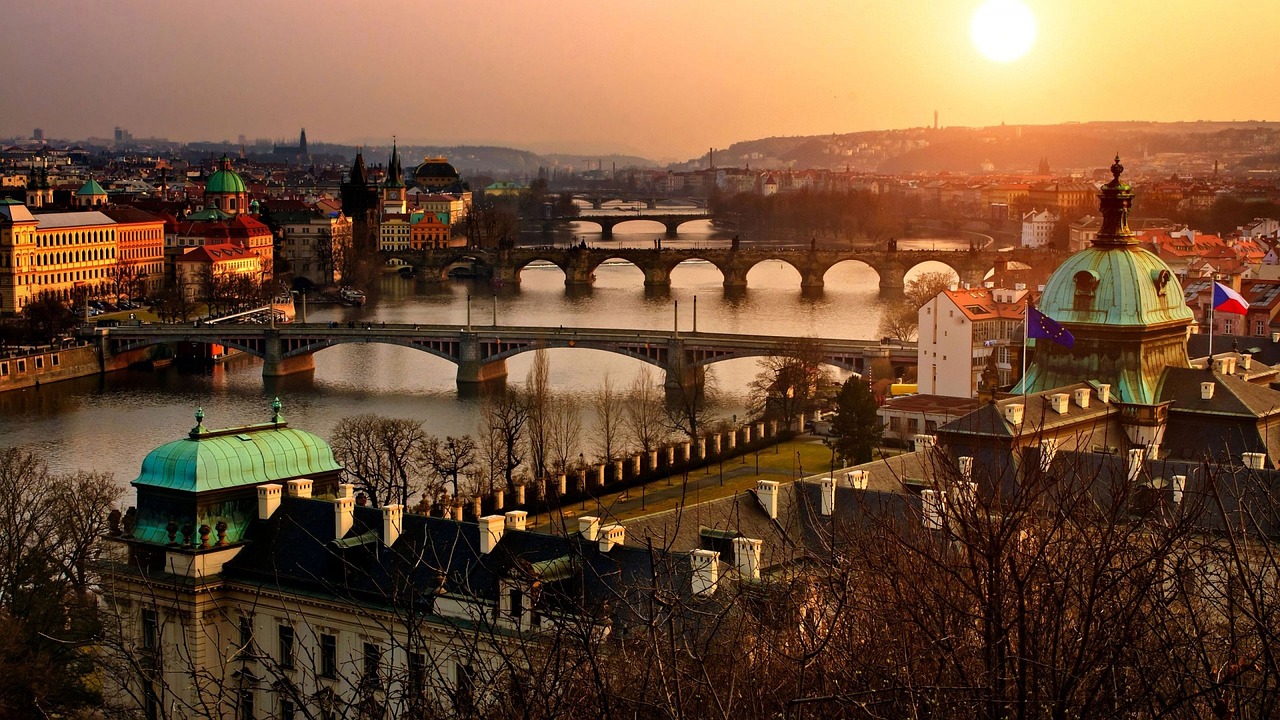
Prague is very good at making you look up. The trick is remembering to look beyond it.
This Czechia travel guide helps you choose between Prague, castle towns, Moravian cities and countryside stays. Start with three or four nights in the capital, then add one contrasting base. Spring and autumn suit sightseeing; trains and buses make many routes practical without a car. Spend Czech koruna, and check seasonal openings.
My advice? Give the famous bridge its moment, then give the rest of the country a chance. A week with two well-chosen bases beats a heroic attempt to collect every castle before Friday.
By Rob Wheatley – Program Director & traveler
Reviewed 25 October 2026 · Currency: CZK (Kč)
My starting formula
Prague + one contrasting base + a day with very little scheduled.
In a Nutshell: Your 60-Second Scan
The useful bits
- First visit: allow five to seven nights for Prague and one second base.
- Best starting point: Prague for architecture, history and an easy city introduction.
- Change the mood: Český Krumlov for a small historic town; Brno for another city; Mikulov for wine-country scenery.
- Timing: consider May, June or September for a mix of sightseeing and outdoor time.
The reality check
- Currency: Czech koruna, not the euro.
- Geography: Czechia is in Central Europe; the Czech Republic is the same country.
- Car: usually unnecessary for a city-based itinerary.
- Effort: expect cobbles, hills and stairs around historic sights.
- Classic mistake: filling every Prague day with a trip elsewhere.
Key takeaway: Choose your second base for contrast. After Prague, another packed sightseeing checklist may be less useful than a smaller town, a countryside walk or an evening you can enjoy without watching the clock.
The Czechia That Clicks: A Capital + a Contrast
Prague deserves proper time. Start with Old Town and the river, then give the castle district a separate day. Afterwards, add a neighbourhood walk or a museum that actually interests you. You do not need to visit every grand building simply because it has survived several centuries.
For the next chapter, decide what you want more of. Choose Český Krumlov for winding lanes and a castle above the Vltava. Alternatively, head towards Brno and South Moravia for city life followed by vineyards and smaller towns. These are different routes, so choose one before booking hotels.
With only four nights, I would stay in Prague and consider one day trip. With seven, I would divide the time between Prague and one other base. Ten nights allow a broader journey, provided the connections work. Transfer days still count as holiday days, even when the map looks reassuringly small.
Vibe Check: Which Czechia Is Yours?
History with a city pulse
Choose Prague, then consider Brno or Olomouc. Build days around architecture, museums and cafés, with space between the big sights. However, give each city its own purpose rather than repeating the same sightseeing routine.
Good fit: curious walkers who enjoy an urban base.
Castle towns & slower evenings
Look at Český Krumlov and South Bohemia. Stay overnight if you want to explore at different times of day. Before booking, check the exact castle tour you want; attractive exteriors do not guarantee every interior will be open.
Good fit: travellers who prefer a smaller setting.
Fresh air & wine-country days
Consider Mikulov and South Moravia, or investigate walking routes in Bohemian Paradise. Then match your base to the trails or villages you want to reach. Countryside transport takes more planning than a city-to-city train.
Good fit: travellers happy to trade a few landmarks for time outdoors.
Where to Go in Czechia: Choose Your Next Chapter
The best places to visit in the Czech Republic depend on the kind of days you want. Use this shortlist to make a decision, rather than turning it into an obligation.
Prague: start with depth
Old Town, Charles Bridge, Lesser Town and the castle district make a strong introduction. Meanwhile, a walk away from the busiest streets gives your eyes a rest from souvenir windows. Allow three or four nights as a useful first planning target.
Explore Prague with Rob · Official Prague visitor information
Český Krumlov: stay for the evening
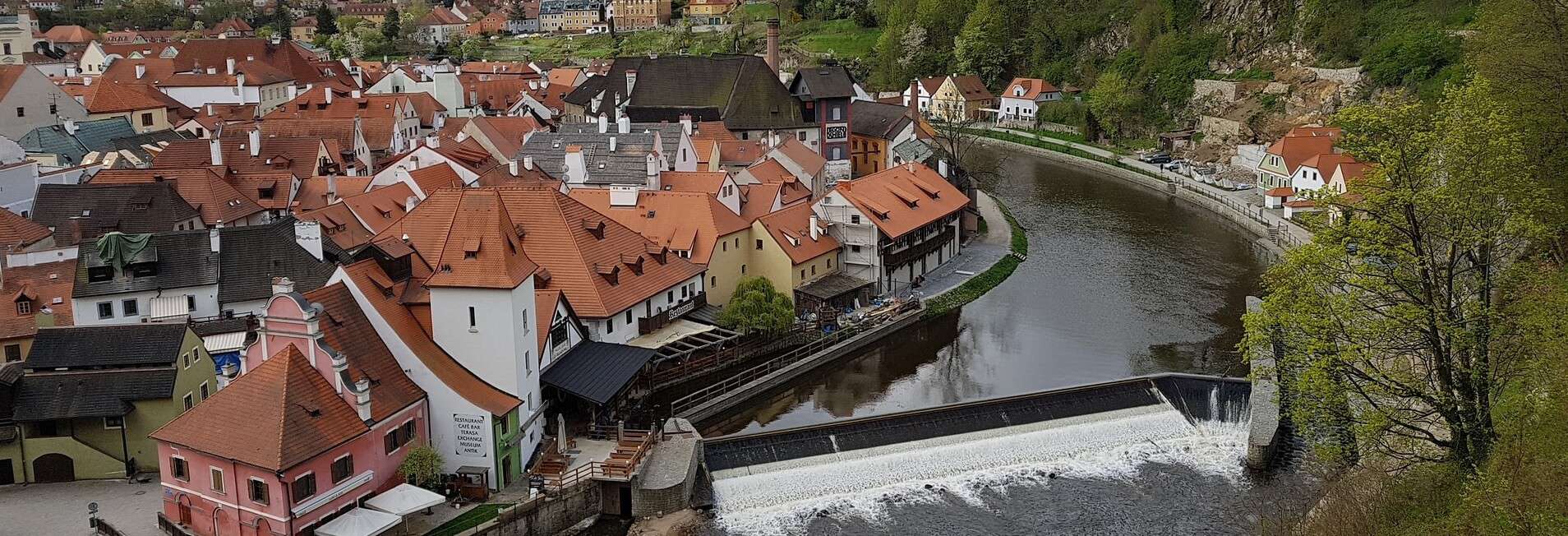
A river bend, tightly packed historic streets and a castle above the rooftops explain the appeal. I would consider two nights rather than treating it as a long excursion from Prague. Check the return journey before committing to a day trip.
Brno & Olomouc: another city perspective
Brno makes sense when you want a second urban base, especially before exploring Moravia. Olomouc offers another option for historic squares and heritage. However, a short trip does not need both. Pick the one that best fits your route.
Mikulov, spa towns or a walk
Mikulov sits among South Moravian vineyards. For a different mood, consider Karlovy Vary and a stay centred on spa-town walks. Alternatively, research Bohemian Paradise for sandstone landscapes and walking. Each deserves its own transport and seasonal checks.
Czechia in Four Seasons: Choose the Days You Want
Spring • March–May
Spring suits city walks and the return of greener landscapes. However, March and May are different propositions: pack layers and check attraction calendars. If a particular castle interior is essential, confirm its opening dates before choosing your week.
Summer • June–August
Longer days give you more room for outdoor plans. Popular historic centres can also be busy, so schedule the major sights early and leave afternoons flexible. Book accommodation around your priorities instead of hoping peak-season availability will organise itself.
Autumn • September–November
September is worth considering for a city-and-countryside itinerary. Later autumn calls for warmer layers, shorter walking plans and more indoor alternatives. Also check the last operating dates of any seasonal tours. A quieter town is lovely; a closed door is less useful.
Winter • December–February
Think cafés, museums, performances and short daylight rather than an ambitious outdoor circuit. Festive periods can be busy, so do not assume winter means low prices. Meanwhile, icy surfaces can make cobbled streets more demanding.
My choice: I would start by comparing late May and September, then let the trip’s main activity decide. For seasonal context, see VisitCzechia’s off-season advice.
Street Smarts: Small Choices That Save Big Irritation
Pay attention to the currency
Keep spending in CZK so prices remain easy to compare. If a terminal offers a home-currency conversion, read the rate and fees before accepting. Also check your own card’s charges. A convenient button is not automatically a good deal.
Treat tickets as part of the journey
Buying a Prague transport ticket is only the first step. Paper tickets that require validation must be stamped correctly. With PID Lítačka, activate early and wait until the ticket is valid before boarding or entering the metro’s paid area.
Keep your belongings close
Busy sightseeing areas and crowded transport deserve ordinary care. Keep bags closed and avoid leaving a phone on the café table nearest the street. For current safety information, consult the U.S. State Department’s Czechia advice.
Let your knees have a holiday too
Check lift access, steps and the walk from the nearest stop before reserving a historic hotel. “Central” does not mean flat. Similarly, an accessible station does not guarantee an easy route through every castle or old-town street.
Logistics Lite: The Practical Czechia Travel Guide
Entry requirements: check your own passport
For U.S. citizens, short tourist visits generally fall under the Schengen visa exemption of up to 90 days in any 180-day period. That allowance covers the Schengen Area together; crossing from Germany or Austria does not start a fresh Czech allowance. Other nationalities may need a visa.
Before booking, check passport validity, your purpose of stay and the requirements applying on your travel dates. Use the Czech consulate’s guidance and the EU’s official EES and ETIAS website. For a practical way to organise the wider paperwork, see my guide to visas and entry requirements.
Getting around: city days and country days differ
Start intercity planning with Czech Railways and compare the precise journey with available coach services. Check the departure station, arrival stop and onward walk. A slightly longer direct service may be easier than a theoretically faster connection with an awkward change.
In Prague, use Prague Integrated Transport (PID) for routes, fares and ticket rules. The PID Lítačka app helps with journey planning and tickets. However, a purchased app ticket is not valid immediately upon activation: wait until its displayed validity begins. Check eligibility and proof requirements before relying on an age discount.
For a city-based trip, I would usually skip the rental car. For several small villages or walking locations, compare one first. Include parking, insurance and any driving requirements in the decision, then make sure whoever is driving can enjoy the day too.
Money, connection and useful checks
The currency is the Czech koruna, written CZK or Kč. Cards are widely accepted, although a modest cash reserve is useful. For the basics, consult VisitCzechia’s practical travel information.
Also check your mobile plan’s roaming terms rather than assuming a European trip is included. Download tickets and essential addresses before leaving reliable Wi-Fi. Finally, save 112 for emergencies and keep your insurer’s assistance details somewhere you can reach without searching through an inbox.
Base Plans: Three Czechia Itineraries That Make Sense
These are suggested night allocations, not packages or promised connection times. First check arrival and departure points; then adjust the balance around your interests.
Plan A • Four nights, one base
All four nights: Prague. Give Old Town and the river one day, the castle district another, and leave the remaining time for a museum, neighbourhood or one carefully chosen excursion. Kutná Hora is one possibility to research.
Best for: a city break with room to enjoy it.
Plan B • Seven nights, two chapters
Four nights Prague + two nights Český Krumlov + one final Prague night if your flight requires the return. Alternatively, use three nights in Brno after Prague when your onward route suits Moravia.
Best for: a first Czechia trip with a clear change of scene.
Plan C • Ten nights, a broader view
Four nights Prague + three nights Brno + two nights Mikulov + one night near departure. Keep this route only if the actual connections suit you. Otherwise, add those Mikulov nights to Brno and research an excursion.
Best for: city culture followed by a slower Moravian chapter.
Before a flight: I prefer to be in the departure city the night before. That removes one avoidable source of stress, particularly when the flight is expensive and the alternative involves several connections.
Costs & Pace: Spend Where It Improves Your Day
Czechia does not have one daily price. Accommodation dates, room standards and location can change the total more than small savings on lunch. Therefore, price your actual week before deciding the country is either “cheap” or “expensive”.
Keep costs controlled
Choose one or two bases, compare accommodation beside useful transport and limit paid attractions to the ones you want. Then check whether a pass genuinely beats buying those admissions individually.
Pay for comfort deliberately
A lift, quieter room or easier station transfer may be worth more than a prestigious address. Similarly, a guided visit can be money well spent when the subject interests you. Buy a better experience, rather than a longer checklist.
A rhythm that leaves you some energy
Morning: one major sight or a longer walk. Afternoon: lunch, a café and a smaller discovery. Evening: dinner or a performance you chose because you wanted it. If the day already contains a transfer, remove something instead of squeezing everything closer together.
For the bigger picture, use my guide to travelling on a budget and price the Czech portion separately. The sensible budget is the one built from your dates and habits.
The Small Czechia Moments Worth Leaving Room For
Return to one place twice
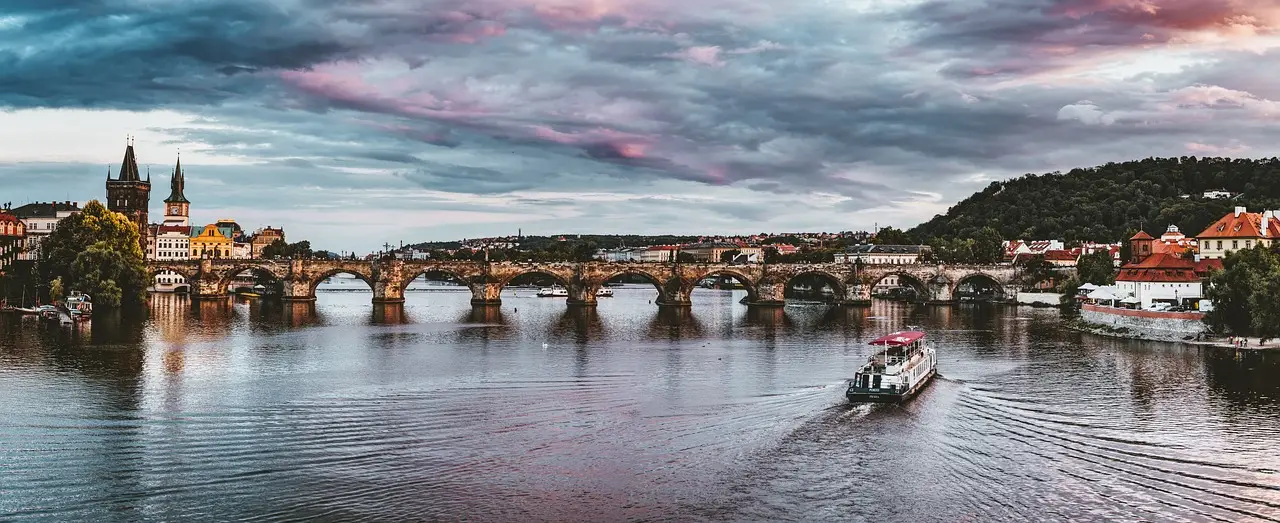
See a favourite river view in the morning, then return later. The point is not to prove you have covered new ground. Familiarity gives you a chance to notice something your first visit missed.
Make lunch a pause
Ask what is available, look at the menu before sitting down and choose somewhere you actually want to spend time. A meal can be part of the travel day rather than the task that delays your next attraction.
Give the smaller base an evening
If you choose a town outside Prague, stay long enough to experience more than the arrival and departure stops. An overnight stay gives you another chance at the same streets, different light and a less hurried dinner.
Leave one choice until you arrive
Book the scarce experience that matters. However, leave some ordinary hours unclaimed. A promising lane or a conversation can change the afternoon. That is considerably harder when every quarter-hour already has a job.
Gap Analysis: Is Czechia Right for Your Trip?
You will probably enjoy it if…
You like historic cities, small-town atmosphere and a journey that can mix culture with slower days. It also suits travellers who enjoy exploring on foot but appreciate having public transport available for longer stretches.
Plan more carefully if…
You need step-free access, want every castle interior open in winter or dislike busy historic centres. Czechia can still work, but the particular hotel, season and route matter. Choose those details before committing to the postcard.
Czechia FAQs
Is Czechia the same as the Czech Republic?
Yes. Czechia is the short country name; Czech Republic is the formal name. Both refer to the same country in Central Europe.
How many days do you need in Czechia?
For a first visit, I suggest five to seven nights. Spend three or four in Prague and use the remaining time for one contrasting base. With fewer nights, staying in Prague may be more enjoyable than adding another hotel move.
Does Czechia use the euro?
The official currency is the Czech koruna (CZK or Kč). Some businesses may accept euros, but check the conversion. Keeping prices in CZK makes spending easier to compare.
When is the best time to visit Czechia?
For sightseeing and some outdoor time, I would compare late spring and September first. However, the right dates depend on your priorities. Check seasonal attraction openings, and allow for colder weather and shorter daylight in winter.
Do I need a car in Czechia?
Usually not for Prague and a second city linked by public transport. For smaller villages or several walking locations, a car may help. Compare the actual connections and parking before deciding.
Should I choose Brno or Český Krumlov?
Choose Brno when you want a second city or a route into Moravia. Český Krumlov is a smaller historic setting that works well as an overnight stay. Your next destination and transport connections should help settle the choice.
Can U.S. citizens visit without a visa?
For short tourist visits, U.S. citizens generally use the Schengen visa exemption, subject to the shared limit of 90 days in any 180-day period. Check current official entry and passport requirements before travelling; longer stays or work have different rules.
Keep Exploring
Start with my Prague guide, compare the Europe destinations hub, or return to all destinations. The Eastern Europe collection is another browsing route on this site; geographically, Czechia is in Central Europe.
A question for fellow travellers: Would your next chapter be a castle town, another city or a few days among the vineyards? Tell me what you are planning.
Your Czechia route
Start with the capital, then choose a change of scene.