POLAND, WHEN YOU WANT EUROPEAN DEPTH WITHOUT EUROPEAN ATTITUDE
Poland Travel Guide: Kraków Charm, Baltic Coast
& Mountains Done Right
This Poland travel guide helps you choose between Kraków, Warsaw, the Baltic coast and mountain stays. First decide which experiences matter most, then build a route with time to enjoy them. Compare bases, seasons and transport before booking, and leave room for a slower day rather than filling every gap with another transfer.
Poland is one of those countries that can feel “easy” on paper — and still surprise you in real life. It’s got storybook old towns, modern cities that rebuilt themselves, beaches that don’t feel like a tourist conveyor belt, and mountains that deliver proper reset energy. But it’s also easy to do Poland “wrong”… by trying to see everything in four days, living on day trips, or treating it like a quick stop between Germany and the Baltics.
Build your trip around three moods
My Poland approach is simple: build your trip around three moods. First, a heritage base (usually Kraków) for the old-world magic and day trips. Second, a “present tense” city dose (Warsaw or Wrocław) so you actually feel modern Poland. Third, a nature or coastline exhale (Tatras, Masuria, or Gdańsk + the Baltic). When you travel like that, Poland stops feeling like a checklist — and starts feeling like a place you lived in for a week.
Also, quick expectation reset: Poland isn’t “cheap” in the fantasy sense. However, it’s still one of the best-value countries in Europe for what you get — especially if you eat local, use trains, and don’t lock yourself into only the most touristy streets.
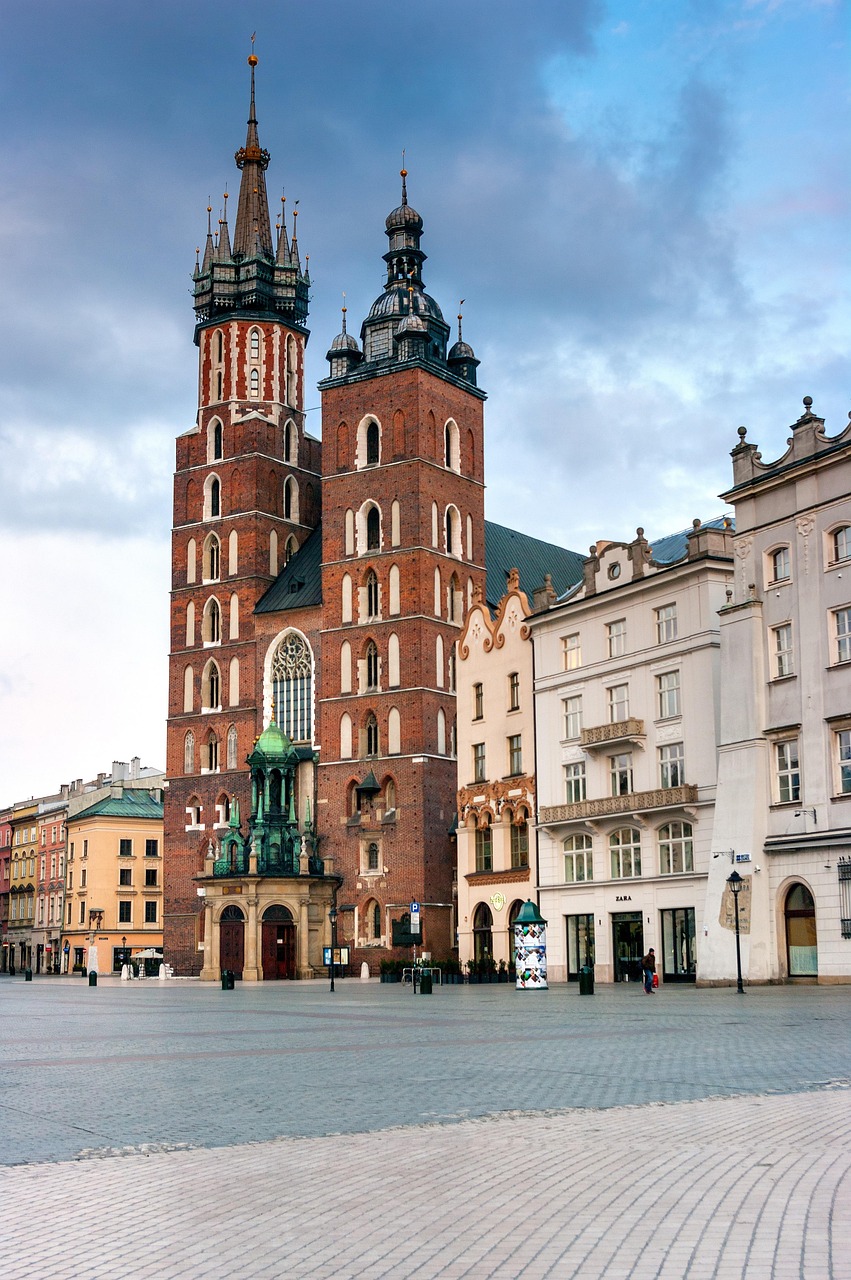
In a Nutshell (60-Second Scan)
If you only read one part, read this. Poland clicks when you stop sprinting and start “building a rhythm.”
- Best first move: Give Kraków 3 nights (Old Town, Kazimierz, Wawel) + 1 day trip.
- When it clicks: When you realize Poland can do heritage + modern + nature without long travel days.
- Money truth: Poland is great value, but PLN pricing + smart choices matter more than “cheap myths.”
- Easy win: Use trains between cities; save car time for mountains/lakes.
- Classic mistake: Warsaw as a half-day “transit city.” Give it at least 2 days to feel it.
- Quiet flex: Malbork Castle (giant), Wieliczka Salt Mine (unique), and the Tatra foothills (reset).
Poland rewards a simple formula: one heritage base + one modern city + one nature/coast exhale. Everything else becomes optional, not stressful.
60-Second Fit Check
- Ideal trip length: 6–8 days (solid), 9–12 days (sweet spot), 2+ weeks if adding coast + mountains + lakes.
- Best energy level: Medium — Poland is walkable and rewarding, but it’s not a “sit still” destination unless you choose it.
- First-timer friendly: Very — especially if you do Kraków + Warsaw as your anchor pair.
- Budget vibe: Budget-to-mid-range friendly, with excellent food value if you eat local.
- My simple rule: If every day is a day trip, your trip turns into admin. Slow down.
Poland has 17 UNESCO World Heritage properties — from Kraków’s historic center to Malbork Castle and the Wieliczka Salt Mine.
The Poland That Clicks: Heritage + Present-Tense + Reset
Poland is at its best when you stop trying to “see Poland” and instead build a trip that actually feels good. My reliable structure is: Kraków (heritage + atmosphere), Warsaw (modern Poland + museums + neighborhoods), and then one proper reset — either Gdańsk + the Baltic or the Tatras (Zakopane area) depending on your vibe.
What changes when you do this? Your rhythm becomes human. Kraków gives you walkable beauty, food, and day trips with meaning. Warsaw gives you context: how Poland rebuilt, how it lives now, and why it’s not just “another capital.” Then the coast or mountains gives you space — and suddenly the whole trip feels balanced, not exhausting.
- Days 1–3: Kraków (Old Town + Kazimierz + Wawel) + 1 day trip (Wieliczka or a calm countryside day).
- Days 4–5: Warsaw (museum + neighborhood time + river walk).
- Days 6–8: Choose your reset: Gdańsk/Tri-City for coast OR Zakopane/Tatras for mountains — then fly/train back.
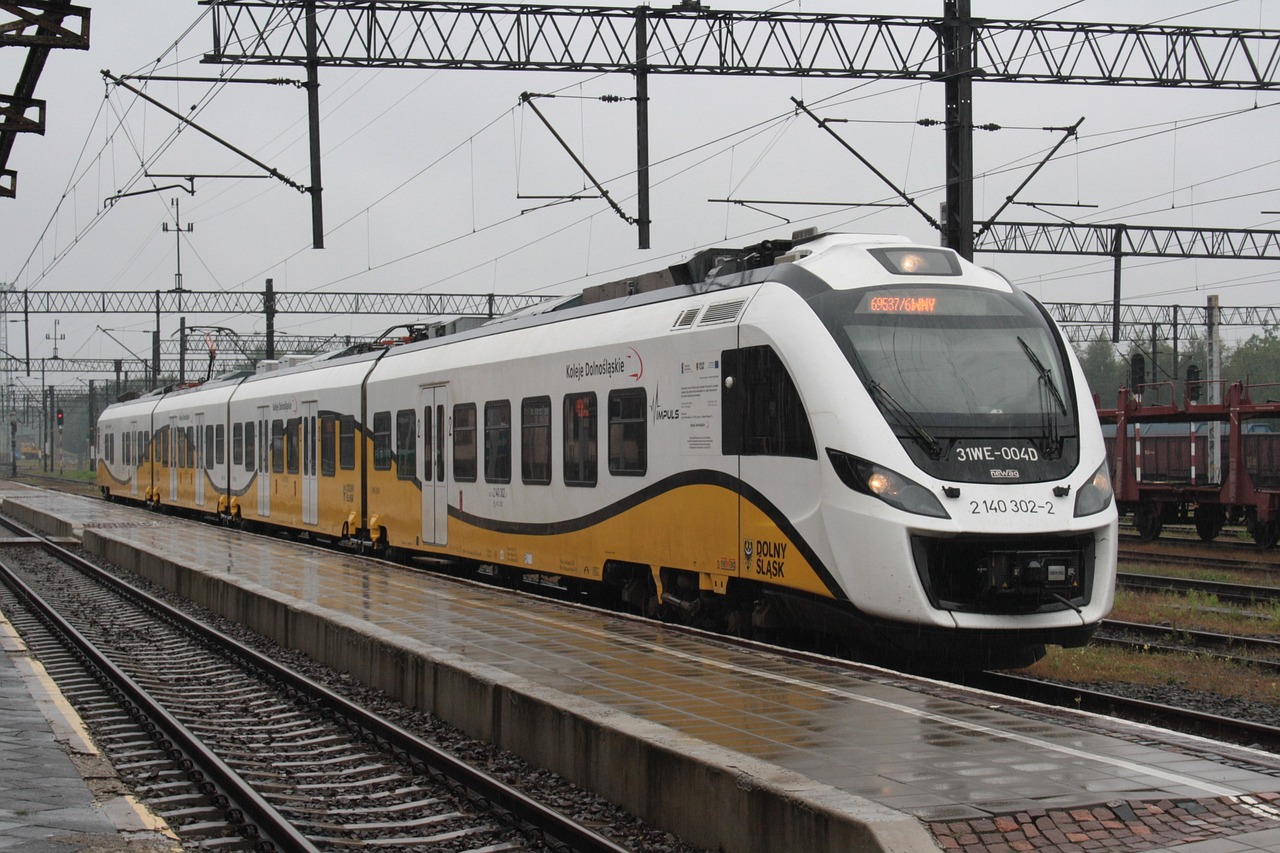
Vibe Check: What Kind of Poland Are You Actually Here For?
Poland has distinct “personalities.” Pick your primary mood first, then layer the others.
Old-World Poland (Kraków, castles, salt mines, history)
You want atmospherics: cobblestones, churches, courtyards, and days that feel like you stepped into a story. Kraków is the obvious anchor — and it earns the hype — especially if you balance it with slower day trips.
Plan like: 3–4 nights base + one meaningful day trip + evenings in Kazimierz.
Present-Tense Poland (Warsaw, museums, neighborhoods, food)
You want a city that doesn’t pretend. Warsaw has edge, energy, and depth — and it’s the place that helps you understand Poland beyond postcards. Give it time and it becomes a highlight, not a “transit stop.”
Plan like: 2–3 full days + one museum day + one “neighborhood wandering” day.
Reset Poland (Tatras, lakes, Baltic coast, breathing room)
You’re here for the exhale: mountains, forests, or wide horizons by the sea. The Tatras deliver drama; Masuria delivers calm; the Baltic delivers wind, beaches, and city-coast combos like Gdańsk.
Plan like: choose ONE reset region + stay 2–4 nights + keep your daily goals light.
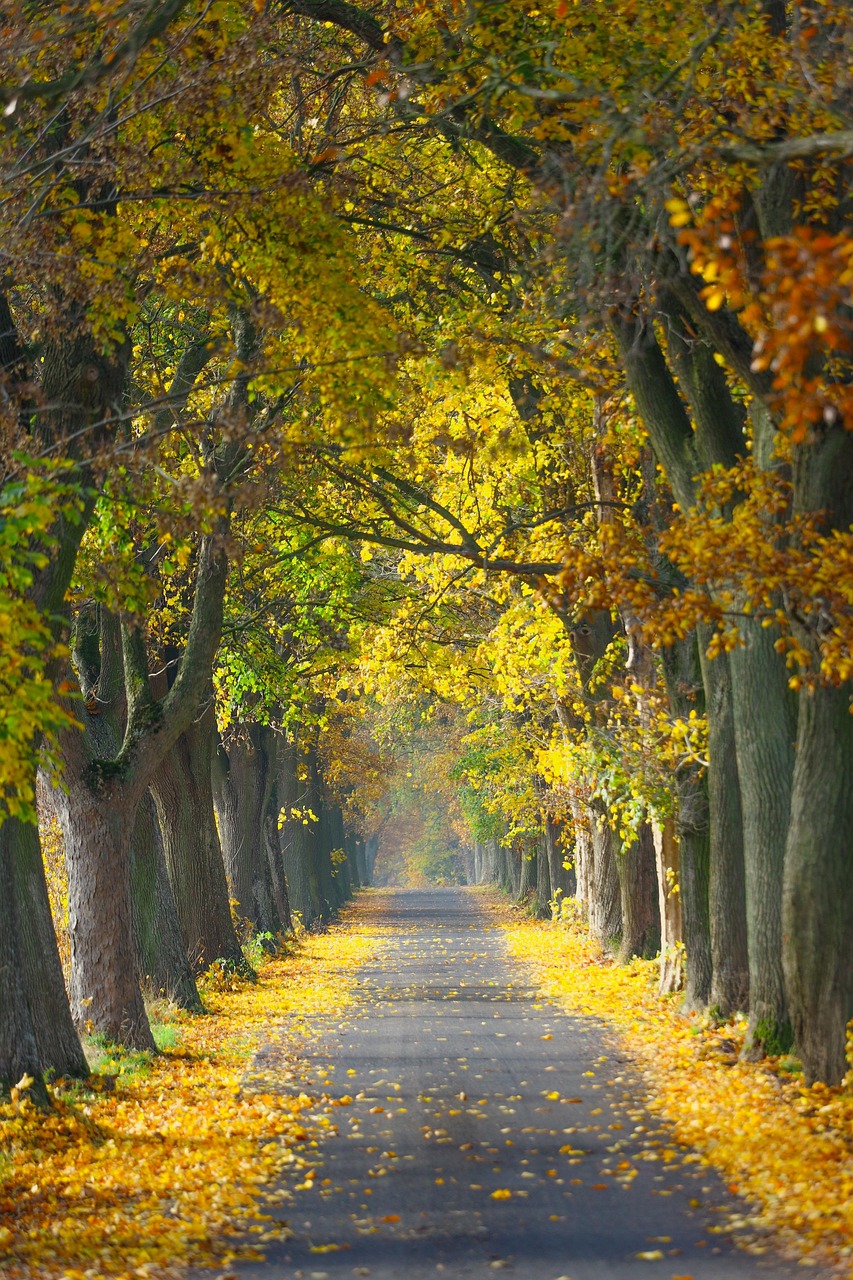
Poland in Four Seasons: Same Country, Very Different Trip
- Spring (April–May): Great for city walking, parks, and fewer crowds. Weather can swing; pack layers.
- Summer (June–August): Long days, festivals, peak city energy, and the Baltic makes sense. Book ahead for coast + Kraków.
- Autumn (September–October): My favorite balance: comfortable temps, moody light, and fewer tourists. Perfect for Kraków + Warsaw.
- Winter (November–March): Cold, dark, and cozy — best if you lean into it (Christmas markets, café culture, and mountain time).
Pack for the mountains and coast
If you're heading to the Tatra Mountains, weather can shift fast regardless of season. Even in summer, bring a waterproof jacket and something warm for higher elevations.
And if you're visiting the Baltic coast (Gdańsk, Sopot, Hel Peninsula), know that it's cooler and windier than you'd expect, even in July — think breezy beach walks, not Mediterranean sunbathing. A light windbreaker and closed-toe shoes will serve you better than sandals and swimwear alone.
Poland’s weather is more “continental” than you might expect: summers can be warm, winters can bite. Pack layers year-round, and always have a rain plan — especially if your itinerary includes the coast.
Street Smarts: Small Poland Rules That Save Big Stress
- Pay in PLN, not “whatever your bank offers.” Decline dynamic currency conversion (DCC) on terminals/ATMs when offered.
- English is common in big cities, less so elsewhere. A few Polish basics go a long way: “Dziękuję” (thank you), “Proszę” (please).
- Validate public transport tickets. In many cities, tickets must be validated on board — fines are real.
- Watch the Sunday rhythm. Many large shops have limited Sunday trading; plan groceries earlier and don’t leave essentials to late Sunday.
- Use apps for taxis. In big cities, Uber/Bolt-style services reduce “tourist pricing” stress.
- Respect heavy-history sites. If you visit, plan enough time and don’t rush them like attractions.
- Food hack: Try a bar mleczny (milk bar). It’s cheap, local, and weirdly comforting.
- Tipping: If service isn’t included, 10% is a normal “thank you” in restaurants.
Poland is easy to travel — but it rewards small competence: validate tickets, pay in PLN, plan Sundays, and slow down enough to let places land.
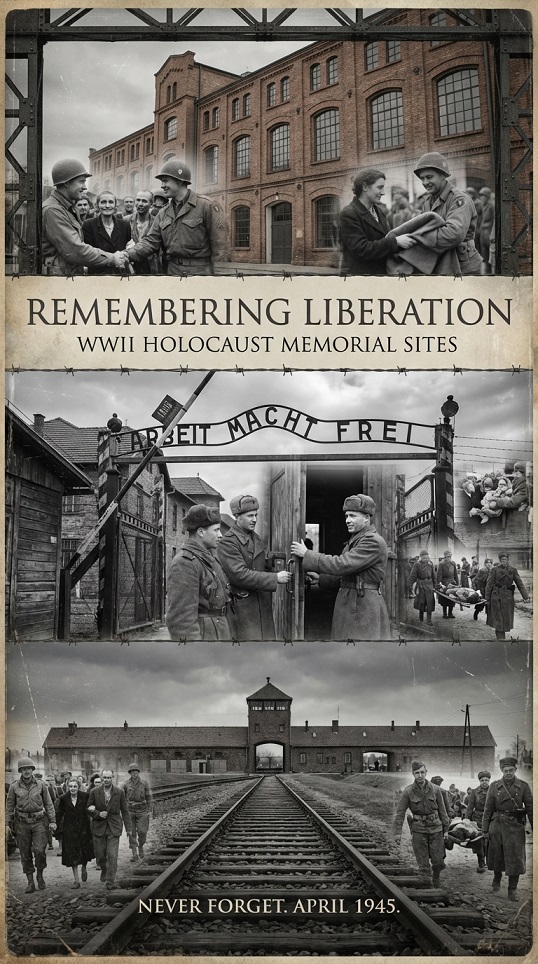
History That Needs Space: Auschwitz-Birkenau & Schindler’s Factory
This is the part of Poland that shouldn’t be rushed or “ticked off.” If you choose to visit, do it with time, humility, and a lighter day after.
Poland’s WWII history isn’t background noise — it’s lived memory. The best way to approach it as a traveler is simple: plan properly, don’t stack intensity, and give yourself recovery space so you’re not turning it into emotional “drive-by tourism.”
Auschwitz-Birkenau: plan it as a full, serious day
- Best base: Kraków is the common base for a day trip (start early; keep the rest of the day gentle).
- Book ahead: Time-slot entry and guided tours can sell out. Check the official channels first.
- Give it time: You’ll want several hours on site — plus travel time — to do it respectfully.
- Don’t stack it: Avoid scheduling a party-night or “must-do sprint” right after. Your brain needs breathing room.
Schindler’s Factory: Kraków’s best “context” museum
If you want a Kraków-based experience that gives historical context without a day trip, this is the one. It’s not just “Schindler the movie” — it’s a museum focused on Kraków under Nazi occupation, and it’s powerful.
- Where: ul. Lipowa 4 (Podgórze) — easy by tram/taxi.
- How long: 2–3 hours (more if you read everything).
- Smart move: Go early or book a timed ticket; it gets crowded.
If you’re traveling with kids, be honest about what they can handle — and what you can handle. There’s no prize for forcing a “complete” history itinerary. Do fewer things, better.
Logistics Lite
Poland becomes effortless when you handle the modern basics up front: entry rules, money, power, and “how to move.”
Entry rules & the Schengen reality
Poland is part of the Schengen Area and the European Union. Many visa-exempt travelers can stay up to 90 days within any 180-day period across the whole Schengen zone. Always confirm your situation based on nationality and travel history.
Visas and travel documentsBorder tech changes (EES / ETIAS)
For border procedures and any travel authorisation applying on your dates, check the official EU EES and ETIAS website. Then verify the requirements for your passport before departure.
Money (złoty) & everyday pricing
Poland uses the Polish złoty (PLN / zł). Cards are widely accepted in cities, however small shops, rural guesthouses, and some markets prefer cash. The best exchange rates are usually at reputable kantor exchanges or bank ATMs — not airports.
Power + emergencies + the “save this now” list
Poland uses Type C and E plugs, 230V / 50Hz. Mobile coverage is excellent in cities and good in most regions. If you’re hopping between cities, an eSIM can simplify life.
- General emergency: 112
- Police: 997
- Ambulance: 999
- Fire: 998
Getting around: Cities are easy; trains make the country feel small
In cities: Trams/buses are excellent (Warsaw also has a metro). Between cities: trains are the comfort move (Kraków ↔ Warsaw ↔ Gdańsk, etc.). For lakes/mountains: a car can be worth it, but you don’t need one for a city-to-city route.
Driving: Easy roads, real enforcement
Driving is generally straightforward, but speed limits are enforced and rules matter. If you rent a car for mountains/lakes, plan for slower rural roads and winter conditions in colder months.
If you’re driving, keep it boring and legal — it’s the easiest stress-avoidance strategy. (If you want exact limits and current rules, check official guidance close to your trip.)
Base Plans: 3 Simple Ways To Build a Poland Trip That Still Feels Good at Day 7
Pick one. Poland is large enough to overwhelm — and structured enough to feel effortless if you choose a base plan.
Plan A: Kraków-centered hub (heritage-heavy)
- Why: You get Poland’s most “storybook” city + meaningful day trips.
- Do: 4–6 nights Kraków; day trips (Wieliczka, countryside, mountains as a long day).
- Rule: Don’t stack heavy-history days back-to-back. Give yourself recovery space.
First-timers, history lovers, couples, and anyone who wants a walkable base with atmosphere.
Plan B: Coast + culture (Gdańsk / Tri-City)
- Why: You mix a beautiful historic port city with beaches and seaside breathing room.
- Do: 3 nights Gdańsk + 1 day Sopot/Gdynia + 1 day Malbork Castle loop.
- Rule: Weather rules the coast — build flexibility instead of forcing perfect beach plans.
You get “city + sea” without resort-vibes or tourist conveyor belt energy.
Plan C: Poland “anchor pair” (Warsaw + Kraków)
- Why: You get Poland’s heritage heart and its modern pulse — the combo is powerful.
- Do: 3 nights Kraków + 3 nights Warsaw, with one light day trip from each.
- Rule: In Warsaw, don’t only do museums. Do neighborhoods. That’s where the city clicks.
It’s balanced, efficient, and surprisingly varied — without long transit chains.
Costs & Pace: What Actually Moves the Needle in Poland
In Poland, cost is mostly shaped by two things: how fast you move and where you default-eat. If you bounce cities every day and eat only in tourist cores, your spend climbs fast. If you slow down, use trains, and eat where locals eat, Poland stays comfortably good value.
- Accommodation strategy: Big-city weekends cost more; shoulder-season and midweek are your budget superpower.
- Food strategy: Milk bars, bakeries, and casual local spots keep costs sane — tourist squares don’t.
- Transport strategy: Trains + transit are usually the smartest combo; cars shine in mountains/lakes regions.
- Attraction strategy: Pick one “paid highlight” per day; stack free neighborhoods/parks around it.
- Daily feel: Budget is possible, comfort is achievable, and “treat mode” is still cheaper than Western Europe.
Poland doesn’t get expensive unless you travel like you’re late for something. Build a rhythm, not a sprint, and the value shows up naturally.
🇵🇱 Poland Daily Rhythm Comparison
How your pace shapes your day (and your spend)
Relaxed
Moderate
Intensive
“Spend” here is illustrative to show the relationship between pace and cost — not a quote.
Un-Googleable Poland: Tiny Choices That Change the Whole Trip
These aren’t “hidden gems.” They’re the small behaviors that make Poland feel like a place, not a tour.
Eat at a milk bar once (bar mleczny)
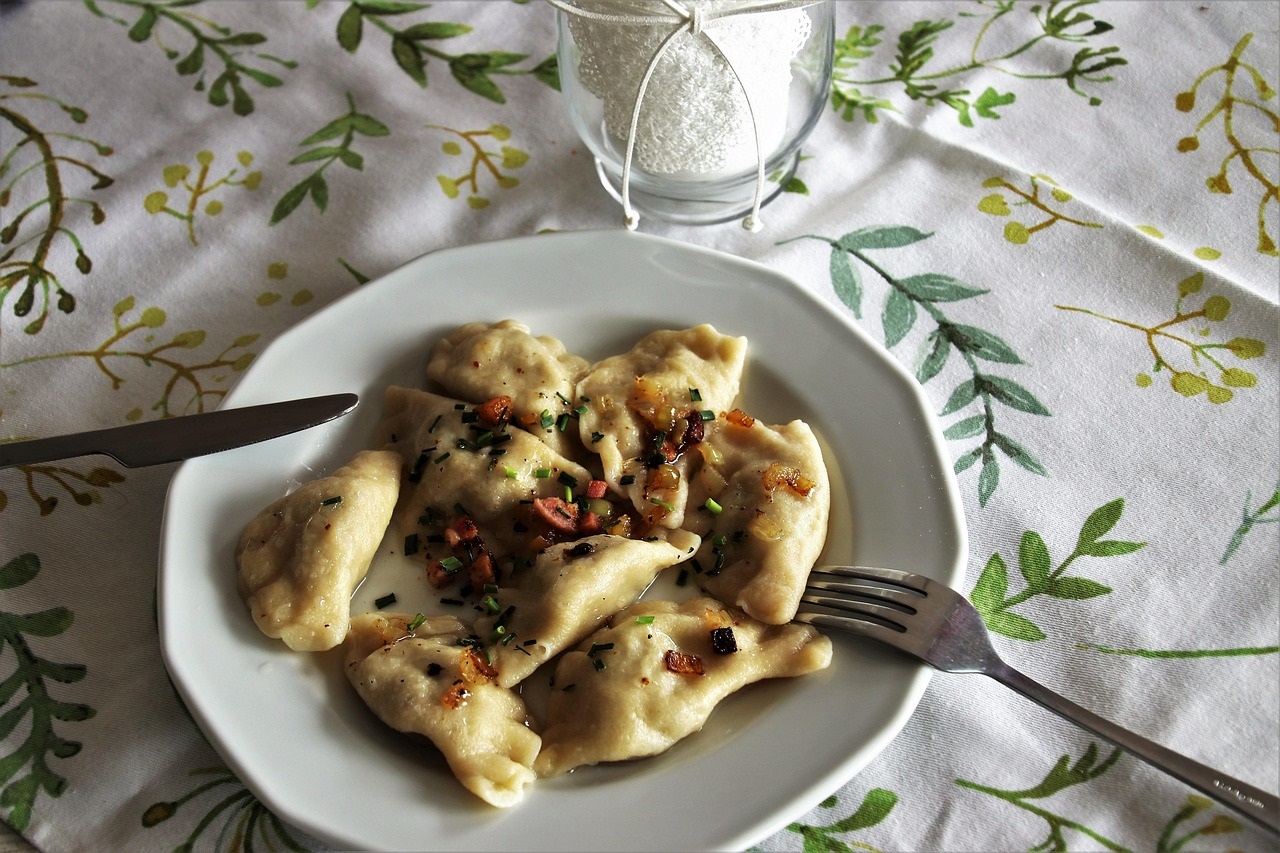
It’s not fancy and it’s not trying to be. It’s comforting, local, and a perfect “I’m traveling like a human” moment. Order pierogi, soups, and anything that looks like someone’s grandma approved it.
Do Kraków evenings in Kazimierz
Daytime Kraków is beautiful. Nighttime Kazimierz is where the city feels lived-in: courtyards, bars, soft lighting, and the kind of wandering that fixes your brain.
Use trains as “quiet time,” not lost time
Poland is one of those places where trains make the country feel smaller than it is. Treat the ride as a reset: snack, journal, stare out the window, arrive calmer.
Choose one “heavy-history” day — then go gentle the next day
Poland’s history deserves respect and space. If you do a heavy site, don’t stack it with three more intense experiences. The trip feels better, and you remember more.
Go to Malbork early, then linger
Malbork isn’t a “quick stop.” It’s huge — and it rewards slow wandering. Arrive early, take your time, and let it feel properly epic instead of “crowded and rushed.”
Learn one phrase properly: “Dziękuję” (thank you)
Polish isn’t “easy,” and that’s okay. A real attempt earns real warmth — especially outside the main tourist lanes. It’s a tiny respect signal that changes interactions.
Gap Analysis: Is Poland Right for Your Kind of Trip?
Poland is deeply rewarding — but it’s not “one-size-fits-all.” Here’s the honest part (with fixes, not judgment).
You’ll love it if…
- You like cities with real history and real everyday life — not just postcard prettiness.
- You want excellent value for food, transit, and experiences.
- You enjoy walkable old towns and neighborhood wandering.
- You’re curious about culture, museums, and context (Poland rewards attention).
- You want the option of coast, mountains, and lakes without complicated logistics.
- You appreciate when a country takes its food seriously — from pierogi to craft beer to modern tasting menus.
- You're interested in 20th-century history that's presented honestly, not sanitized.
- You like when a place feels alive with locals, not overrun by tour groups.
Plan around it if…
- You need guaranteed sunshine (solution: summer; keep expectations realistic).
- You dislike cold winters (solution: avoid deep winter unless mountains/markets are the point).
- You want “instant English everywhere” (solution: anchor in major cities; keep translation apps handy).
- You’re trying to see five cities in five days (solution: pick two bases + one reset).
- You prefer “resort tourism” (solution: choose a Baltic base, but don’t expect Mediterranean resort vibes).
Poland is best for travelers who value depth over gloss. If you slow down, it delivers big. If you sprint, it becomes admin.
Poland FAQs
Quick answers to the stuff people actually worry about.
Is Poland safe for tourists?
Yes — Poland is generally very safe. Use normal city precautions (especially in crowded tourist zones and transport hubs), and you’ll be fine. The countryside and smaller towns tend to feel even safer.
Do people speak English in Poland?
In major cities and tourist areas, yes — especially with younger people and in hospitality. Outside the main lanes, English can drop off. A translation app + a few basic Polish phrases goes a long way.
How do I visit Auschwitz-Birkenau from Kraków?
Most travelers visit as a day trip from Kraków (tour, bus, or train + local transfer). Book a time-slot or tour in advance when possible, start early, and give yourself several hours on site. Then keep your evening (or the next morning) lighter — it’s not the kind of day you “bounce back” from instantly.
Is Schindler’s Factory worth it?
Yes — especially if you want Kraków WWII context without doing another major “heavy day” trip. It’s a strong museum experience (focused on Kraków under Nazi occupation), and it’s popular, so timed tickets help. Plan 2–3 hours and go earlier in the day if you can.
How many days do I need for Poland?
Minimum 4–5 days for one base (Kraków or Warsaw). Ideal is 7–10 days to combine Kraków + Warsaw + one reset (coast or mountains). Two weeks is fantastic if you want coast + mountains + an extra region like Masuria.
Is Poland expensive?
Compared with Western Europe, Poland is usually better value — especially for food and transport. Big-city weekends and premium hotels can raise costs, but smart pacing keeps the trip comfortably affordable.
Should I carry cash in Poland?
Yes, carry some. Cards work widely in cities, but cash helps for small shops, markets, rural stays, and occasional “cash preferred” places. Use PLN and decline DCC when prompted.
What’s the best way to get around Poland?
City public transport + intercity trains is the easiest combo. A rental car becomes useful for mountains/lakes regions where you want flexible stops. If you’re doing mainly cities, you don’t need a car.
When is the best time to visit Poland?
May–June and September are the best balance (pleasant weather, fewer crowds). Summer is lively and coast-friendly but busier. Winter is great if Christmas markets and mountain time are the point — otherwise it can feel cold and dark.
Can I pay in euros in Poland?
Poland’s currency is PLN. Some tourist businesses may accept euros, but rates are usually worse. Paying in PLN is almost always the smarter move.
Plan your next step
Compare the Europe travel hub and the Eastern Europe guides, then use the trip-planning guide to work through dates, connections and budget.