TRAVEL FIELD NOTES · PORTUGAL
Porto: The City of Tripe Eaters (and Why I Love It Anyway)
Proud, stubborn, a little scruffy—and quite capable of making you miss your carefully planned departure.
By Rob Wheatley · Program Director & traveler
Updated in 2026
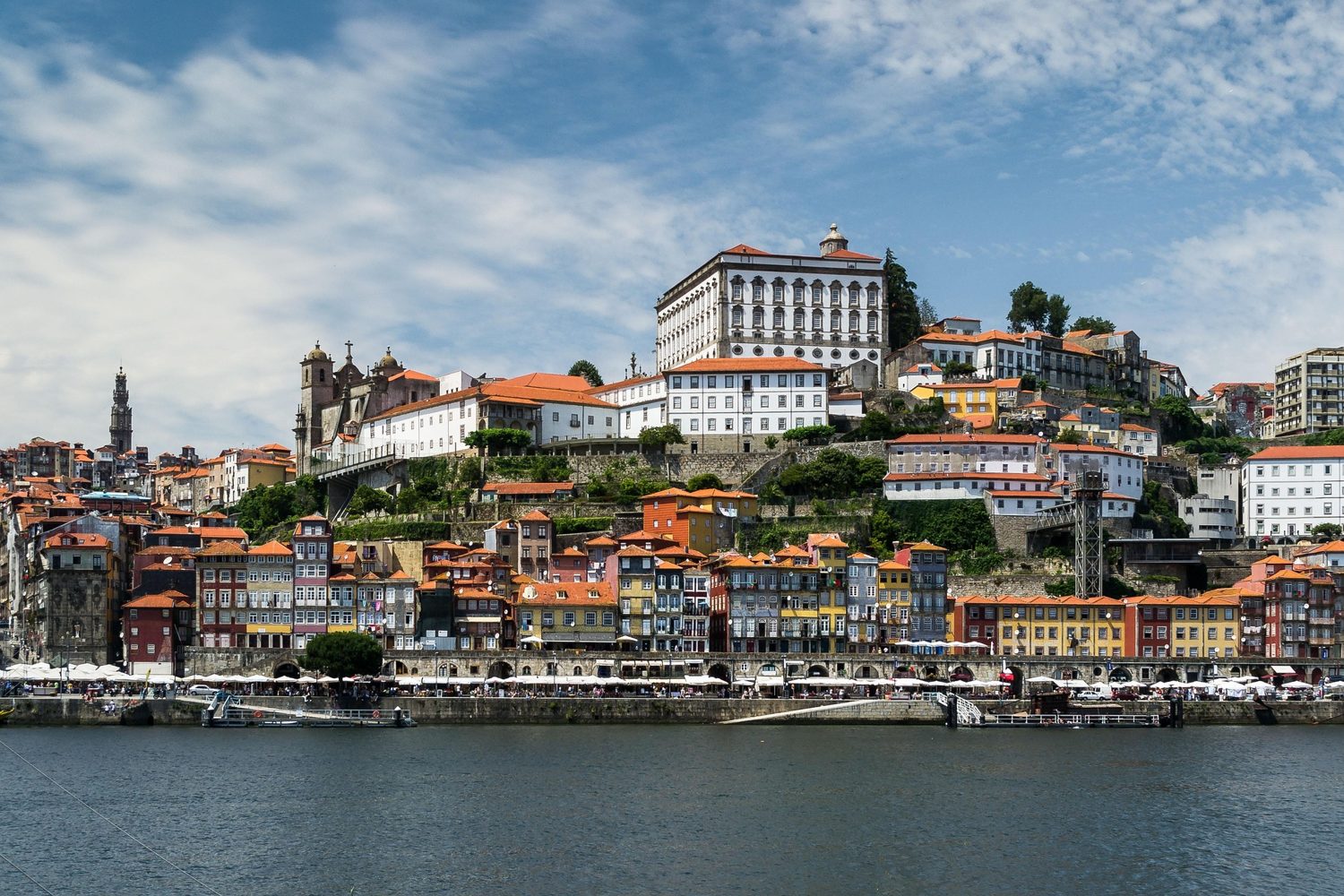
Ribeira rises from the Douro in a glorious jumble of tiled façades and terracotta roofs.
Porto at a glance: Start with Ribeira and the river views, explore São Bento and the higher streets together, then cross to Gaia for a port-lodge visit. Wear shoes with grip, book popular interiors ahead and leave room for a francesinha. Viking guests: check the berth and return arrangements before heading out independently.
How Porto became a city of tripe eaters
Let me tell you how Porto earned its nickname, because it’s one of Europe’s better insults.
The story goes that in 1415 the people of Porto supplied meat for the expedition to Ceuta. They handed over the good cuts and kept the offal for themselves. Ever since, locals have been known as tripeiros: tripe eaters.
That is the traditional explanation, rather than a neat piece of history we can prove in every detail. But I love what Porto has done with it. Most cities would be embarrassed. Porto turned it into a point of pride. Proud, stubborn, a little scruffy, and utterly unbothered about what you think.
First sight: a city stacked like a deck of cards
Arrive by water, and you’ll understand the appeal immediately. The old Ribeira district tumbles down the hillside to the Douro in a jumble of tiled façades, faded pastels and laundry strung between balconies. Porto looks as though someone stacked it up, stepped back and decided the angles were probably fine.
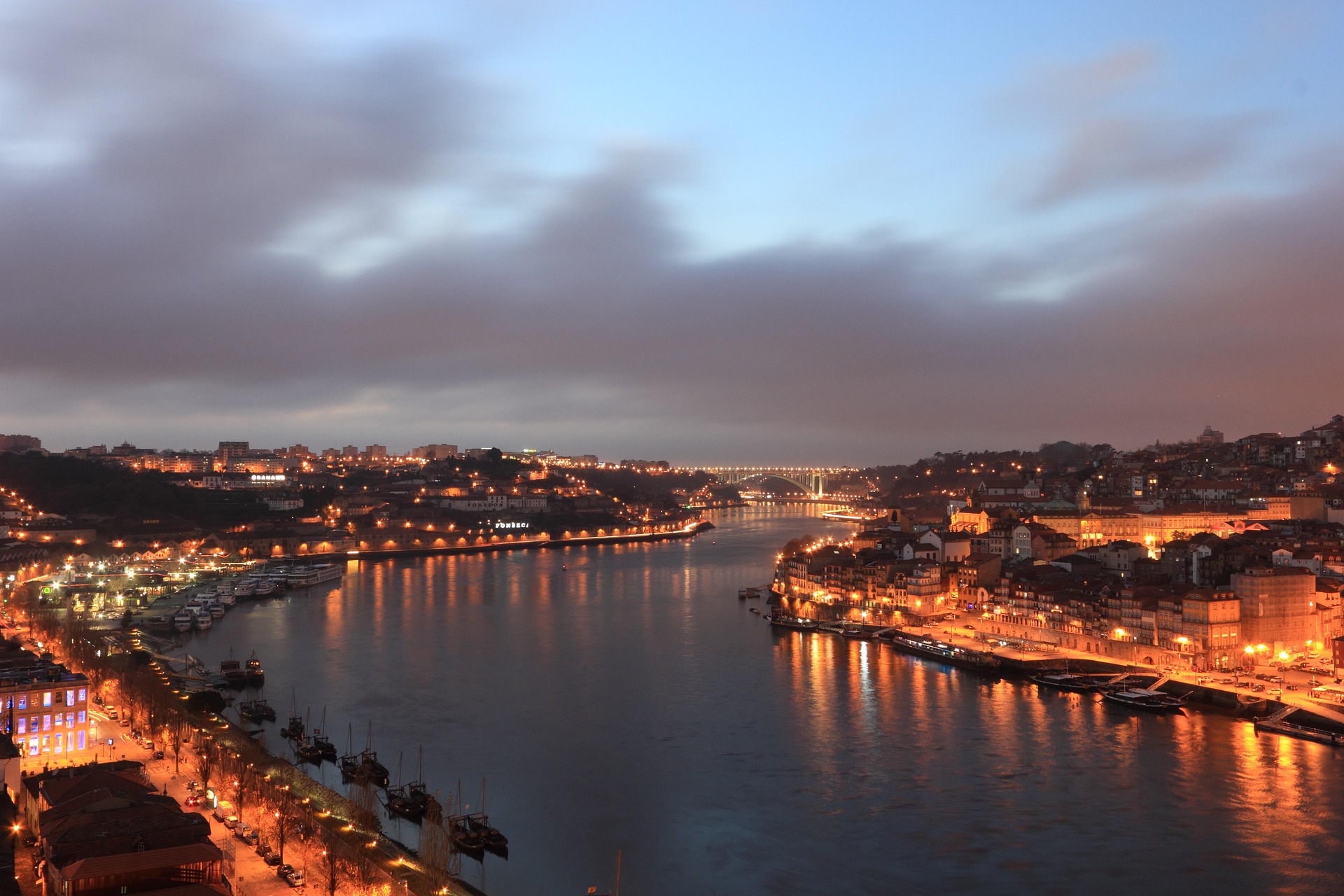
Above it all, the double-decker Luís I Bridge spans the river. Walk across the upper deck around sunset if heights suit you. Just do it. Then pause in a pedestrian area and wonder how you ever thought you’d leave on schedule. The upper deck also carries Metro services, so keep clear of the tracks.
My practical advice is to group sights by level. Explore the higher streets together, then work down towards the river. A route that repeatedly climbs back up the hill is excellent if your real holiday ambition is cardiovascular improvement. Choose transport, breaks and accommodation access around your own needs.
Tiles, tiles and more tiles
Portugal’s azulejos are everywhere, but nothing prepares you for São Bento railway station. Its entrance hall is covered in roughly 20,000 painted tiles depicting battles, royal processions and country life. It’s the only train station in the world where I’ve caught myself standing with my neck cricked back, ignoring my own train.
The tiled entrance hall is a lovely stop even if you aren’t catching a train. It is also a working station, so leave passengers space to get where they’re going. The tiles have waited long enough; your fellow traveller’s connection probably won’t.
The official Porto overview is a useful starting point for deciding what deserves your time. Historic streets can involve steep gradients, uneven paving and steps. A location described as central does not necessarily mean an easy walk home.
The bookshop with a queue
Livraria Lello is famously gorgeous: a crimson staircase, stained glass and carved details everywhere. Yes, you need a ticket, and yes, the Harry Potter association still draws attention. Rowling lived in Porto, but she has said she never visited this bookshop. I’d go for the building itself; it doesn’t need Hogwarts to justify the queue.
Book through the official ticket site, check the time and conditions, and treat it as one of the most beautiful bookshops you’ll ever be herded through.
Climb something
The Clérigos Tower is about 75 metres of baroque swagger. You’ll earn the view with a substantial staircase, but the red-roofed city spreads out below you. Pastry afterwards is not optional.
Official visitor sources give differing step counts, so I’d focus on whether the climb suits you. Check Clérigos’ visitor information for tickets and access. There is also a multisensory alternative to the tower climb.
What to eat: bring stretchy trousers
Francesinha: a sandwich the size of a small pet, stacked with meats such as ham, sausage and steak, wrapped in melted cheese and drowned in a rich, often beer-based spicy sauce. A fried egg is a popular extra, rather than a rule. It’s the city’s rebellious answer to the croque-monsieur. A light lunch? Only if you define light by the absence of a second sandwich.
Pastel de nata: a custard tart, preferably still warm, with cinnamon if you like it. Have one at breakfast. Have another at 11.
Bacalhau: Portugal loves salted cod with a passion that borders on religion. There are enough recipes to keep your lunch plans occupied for quite a while.
Tripas à moda do Porto: the tripe-and-bean stew behind the city’s famous nickname. If you’re curious, give it a chance. If you’re not, there is always the small-pet sandwich.
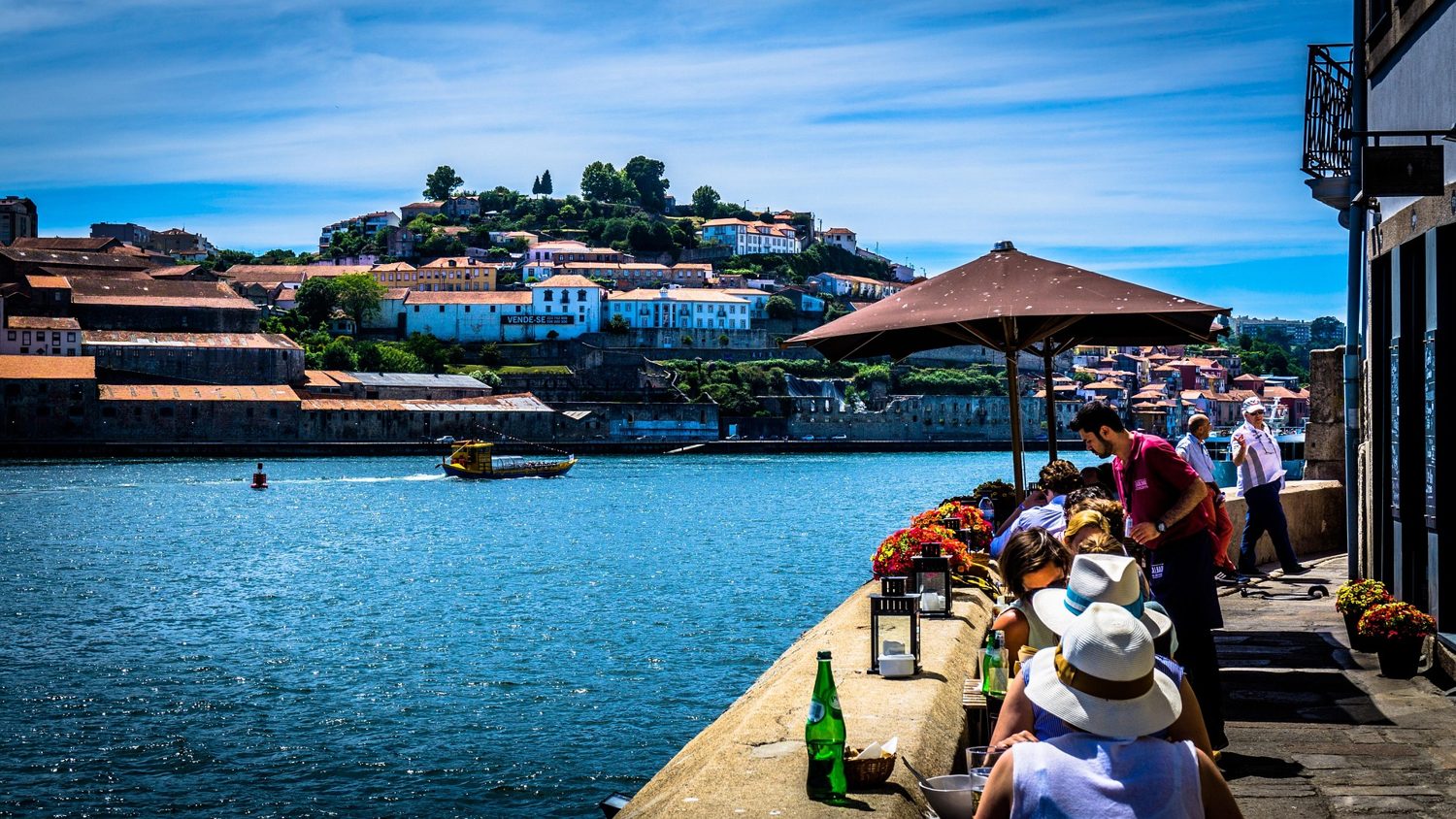
Recipes vary, particularly the francesinha sauce. Ask about ingredients if you have dietary requirements. And allow time to sit down properly: Porto’s riverfront makes a persuasive argument against lunch eaten while marching to the next attraction.

Port: the reason half the world knows this city
Cross to Vila Nova de Gaia and you’ll find the famous port wine lodges. Here’s the distinction I love explaining to guests: the vineyards are upriver in the Douro Valley. Traditionally, flat-bottomed rabelo boats brought the wine downriver to the lodges in Gaia for ageing and shipment.
Port is fortified with grape spirit during fermentation, stopping the process while natural sweetness remains. British merchants played a major part in the trade, but the familiar tale about adding brandy simply to survive the voyage home leaves out how the modern style developed. The Port and Douro Wines Institute explains the method; Taylor’s history separates the early shipping practice from fortification during fermentation.
Book two lodge tastings, not five. I’ve seen what happens when people try five. Ask about ruby, tawny and other styles rather than simply requesting “the best port”, and leave time to enjoy what’s in the glass. A cellar visit in Gaia and a vineyard outing in the Douro are related experiences, but they are different uses of your day.
Explore the Douro with Viking
If the landscape interests you as much as what ends up in the glass, a longer Douro cruise gives it room to unfold. Viking’s Portugal’s River of Gold is a 10-day cruisetour combining Lisbon with a Douro sailing roundtrip from Porto.
How the journey works: it begins with a hotel stay in Lisbon, followed by an overland transfer to Porto to join the ship. You do not sail from Lisbon to Porto. Along the Douro, the published itinerary includes Régua, Pinhão and Barca d’Alva, with a land excursion to Salamanca in Spain.
Think terraced vineyards, wine estates and time to watch the valley change around you. For a short Porto break, a lodge visit or day trip may be enough; for a broader journey, the cruise deserves a look. Check your departure’s itinerary, excursions, inclusions and any pre- or post-cruise extensions before booking.
Planning the city stay? See my Lisbon travel tips, or explore the Viking Cruises hub for more background.
Add a coastal day only if you have the time
Miramar, Espinho and Vila do Conde are separate places outside central Porto. They are possible coastal outings, not interchangeable city beaches. Decide which place interests you, then check the current journey and the final walk from the stop to the coast.
For rail options, use CP’s journey planner; use the relevant local operator for other connections. Do not rely on a sightseeing-bus shuttle or an old driving-distance estimate without checking that it suits your date and destination.
If your visit is short, there is no failure in staying with Porto and Gaia. And on the Atlantic coast, attractive sand is not a swimming guarantee: follow local signs, flags and lifeguard instructions.
A relaxed Porto plan
My suggested first day: higher central streets and one chosen interior, lunch, then Ribeira and the river views. Keep the evening flexible for dinner and a walk that does not require another heroic climb.
A second day: Gaia, a booked lodge visit and time to explore. With another day available, choose either the Douro Valley or the coast. This is a suggested pace, not a claim that two days cover everything.
Price accommodation for your actual dates, check the approach to the property, and keep a weather alternative. For the broader trip, read Portugal travel tips and the places to visit in Portugal guide.
When Porto loses its mind: São João
Come for the night of 23 June if you want to see Porto throw itself into a party. São João brings street celebrations, grilled sardines and people tapping one another on the head with plastic hammers. It’s brilliant, chaotic and a world away from a solemn civic occasion.
Expect crowds and book accommodation well ahead. Check that year’s programme and transport arrangements rather than assuming an ordinary evening timetable. The celebration runs into 24 June; a quiet early night is probably an optimistic ambition.
Questions before you go
How many days should I spend in Porto?
Two city days make a useful starting plan for Porto and Gaia. Add time if you want the Douro Valley, the coast or a slower pace.
Are the port wine lodges in Porto?
Many of the well-known lodges are across the Douro in Vila Nova de Gaia. Check the actual address when booking.
Is Porto easy to walk around?
The historic areas include hills, steps and uneven paving. Group your route, use breaks and check specific access needs.
Is francesinha always topped with an egg?
No. Recipes and toppings vary; ask the restaurant about its version and ingredients.
Can I include a beach without leaving Porto?
The coastal places discussed here—Miramar, Espinho and Vila do Conde—are outside central Porto and require their own transport plan.
Keep exploring Portugal
Lisbon: hills, trams and neighbourhoods
Cascais: a coastal day or stay
Choose your Portugal destinations
Practical Portugal travel tips
My verdict
Porto doesn’t polish itself for visitors. It lets you wander its steep alleys, eat too much, drink a bit more, and fall for it on your own terms. It’s the kind of city that feels like a secret, even though everyone’s finally figured it out.
Which stayed with you: the river views, the wine lodges or that first francesinha? Tell me in the comments.
About Rob: Rob Wheatley is a Viking Program Director, former ocean Cruise Director and extensively travelled explorer. Visitor information reviewed November 2026.