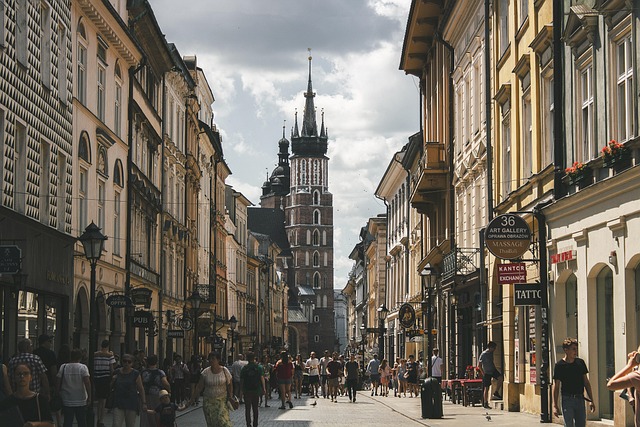
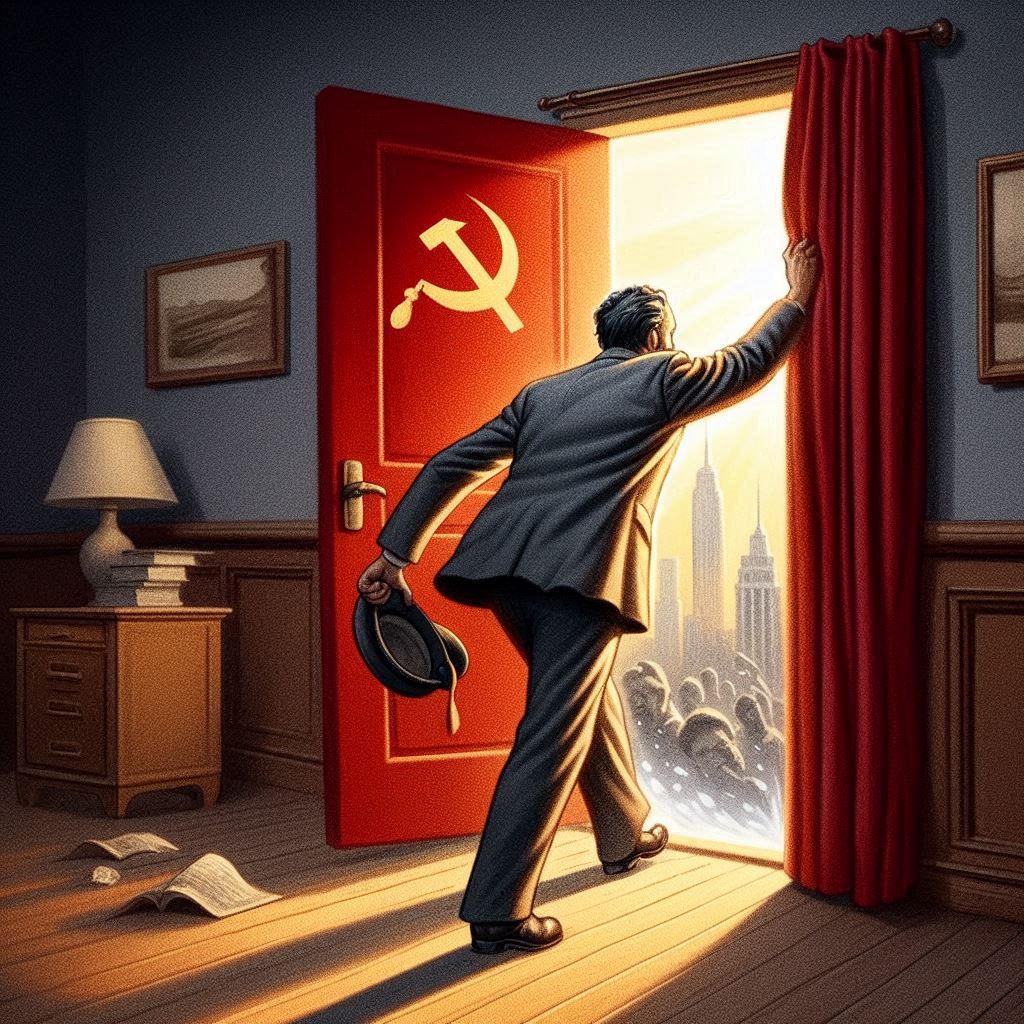
Free Spirit Travel
Free Spirit Travel Architecture
Around The World With Rob
Free Spirit Travel
Eastern Europe journey

Exploring Eastern Europe: Beyond Stereotypes and Expectations

Discover the authentic charm, cultural richness, and stunning landscapes of Eastern Europe in this comprehensive travel guide that takes you beyond common misconceptions.

Beyond Grey Myths: Eastern Europe’s True Colors

Eastern Europe remains burned in the Westerner’s mind like an old photograph left too long in sunlight—faded to communist grey and dullness, thanks to decades of media portrayal.

The collective imagination conjures concrete apartment blocks standing like tombstones against slate skies, their facades pockmarked by history’s bullets and neglect.

But is it all truly dark and depressing, so alien to our Western sensibilities? Does the spirit of these nations really hide behind a curtain of melancholy, or is that merely the convenient shorthand we’ve been fed?

Let’s explore this misunderstood region where time doesn’t just pass but accumulates in layers—where empires have fallen like autumn leaves, each decomposing into soil that nourishes something new and unexpected.


Here, in the lands where the past refuses to fade quietly, we find not just the ghosts of communism but the vibrant pulse of cultures redefining themselves with every sunrise.

The Eastern Europe that awaits the curious traveler isn’t a monochrome relic but a canvas splashed with colors that have been mixing and separating for centuries: Byzantine gold alongside Ottoman crimson, Habsburg yellow beside Soviet red.

Each city square tells a different story; each mountain path leads to revelations that no guidebook can adequately prepare you for.

Come, let’s peel back the propaganda and prejudice to discover the Eastern Europe that breathes behind the stereotypes—a place where even the shadows dance when given proper attention.

best hotels

My very first piece of advice to anyone venturing into Eastern Europe is to put away your westernized sensibilities. Remove your preconceived notions and start with a blank canvas.

I say this because, frankly, we are spoiled in the West. We are also very much indoctrinated by the media and the negative hype about places we do not understand. 

The Soul Tapestry: Eastern European Humanity

Eastern Europeans wear their hearts not on their sleeves but buried deep like treasures in ancient soil—valuables you must earn the right to unearth. Their faces, particularly among the older generations, map the geography of endurance: weathered planes and valleys carved by history’s unforgiving hand. Yet beneath this stoic exterior flows warmth that, once accessed, envelops you like homemade plum brandy on the coldest winter night.

Visit eastern europe

The real and the perceived

Common Misconceptions About Eastern Europe

To those who come from a comfortable Western background, Eastern Europe can be a shocker. Yes, there are many stunningly beautiful places to see and certainly some fascinating ones. The beauty of many villages and landscapes can leave you gasping.
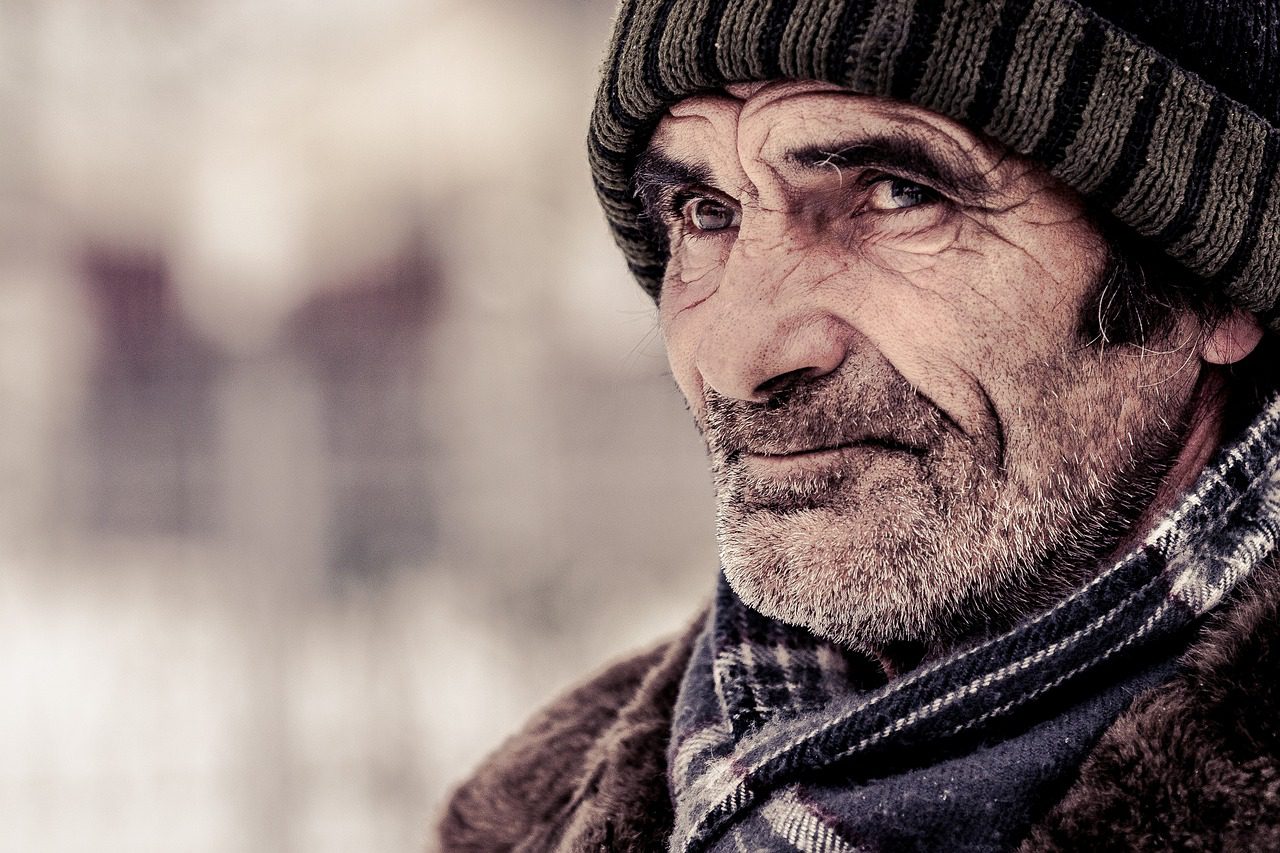
Generations from Eastern Europe have lived hardHowever, parts of Eastern Europe will challenge your expectations, cracking open your travel sensibilities like winter ice breaking on the Danube.

Some areas are very poor, and many people live hard lives. Their rough existence is etched like tattoos of angst across their weathered faces—each wrinkle a chapter in a history book you weren’t assigned in school.

Does that mean every Eastern European is a manic-depressive, unfriendly sociopath or an abusive alcoholic? Of course not, but Western media often portrays them this way through prejudiced lenses.

Eastern Europe vs Western Europe: Understanding the Differences

Our viewing lens is distorted by movies that caricature personality types or news that documents conflicts between nations without proper context.

Selective Western perspective truths may be reported, but with a bias that defeats any objectivity.

Westerners are viewed with either suspicion or curiosity, depending on which country you’re traveling in. Let that curiosity simmer between you—it’s the first ingredient in the broth of cultural understanding.

But do not misunderstand the reservedness as rudeness. In many Eastern European countries, service people don’t smile as readily as in North America—this is cultural, not an affront to you.

Their seriousness is not coldness but rather a refusal to perform emotions that haven’t been earned.

Family: The Unbreakable Foundation

Family in Eastern Europe isn’t just a social unit—it’s a fortress built against the sieges of history. Grandmothers rule these domestic kingdoms with wooden spoons and iron wills, their kitchens embassies where diplomatic relations with the outside world are negotiated through food that carries the weight of generations.
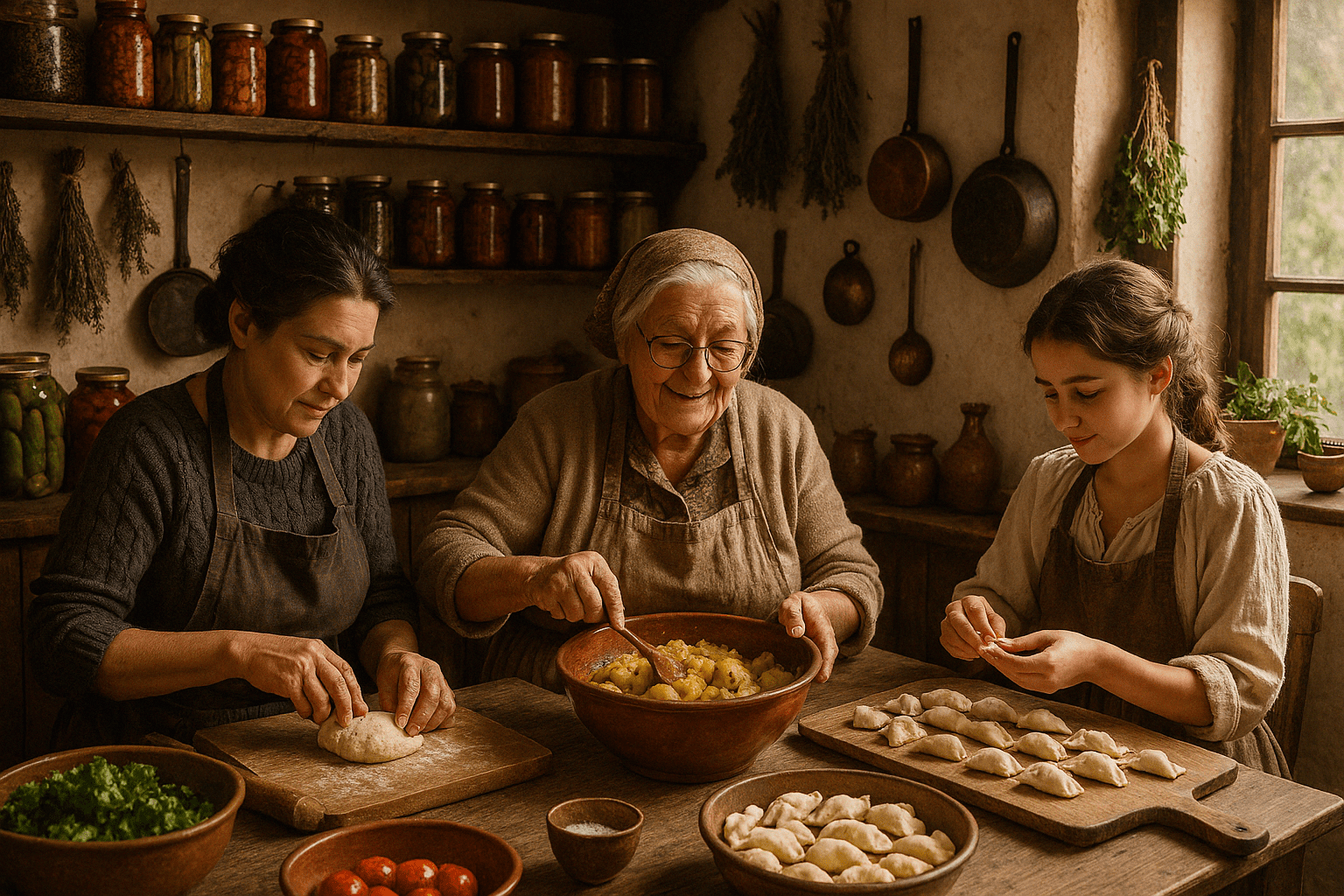
Family life in Eastern EuropeSunday lunches stretch into evening like accordions playing time itself, each course another verse in the family’s ongoing epic.

Children grow up surrounded by a constellation of relatives—not just immediate family but great-aunts, second cousins, and godparents whose bonds run as deep as blood.

They are raised by this village of kin, each contributing to the child’s understanding of their place in a lineage that survived wars, occupations, revolutions, and regime changes. Here, ancestry isn’t academic; it’s armor.

Honor: The Unwavering Code

Honor in Eastern Europe stands like the medieval castles that punctuate the landscape—ancient, unmovable, sometimes crumbling at the edges but never surrendering its essential form.

It manifests in seemingly simple acts: a farmer rising before dawn to tend fields his grandfather plowed, a professor maintaining academic standards despite political pressure, a daughter caring for aging parents without question.

Promises aren’t casual utterances but verbal contracts sealed with the full weight of personal integrity. The Eastern European handshake carries more binding power than many Western legal documents, each grip a testament to a culture where one’s word still serves as currency in the moral economy.

This sense of honor sometimes reveals itself in fierce protectiveness—of reputation, of women, of national identity—that can appear archaic to Western sensibilities.

Yet it stems from centuries where honor was often the only possession that couldn’t be confiscated by whichever empire happened to be drawing the borders that generation.

Happiness: The Quiet Rebellion

Eastern European happiness isn’t the manufactured, performative joy often pursued in Western cultures. It’s something more resilient—a defiant contentment that blooms like wildflowers through concrete cracks.

It appears in small triumphs: a perfectly preserved grandmother’s recipe, a child’s university graduation, a garden that produces despite poor soil, a joke that lands perfectly despite the censor’s ear.

Theirs is happiness earned rather than expected, appreciated rather than pursued—a testament to people who learned throughout centuries that joy must be seized in moments between historical upheavals.

This gives their laughter a particular timbre, resonant with the knowledge that merriment isn’t guaranteed but created through sheer human will.

You’ll find this peculiar happiness in impromptu gatherings where neighbors share the season’s first strawberries, in the quiet pride of showing off homemade preserves lined up like jewels in the cellar.

Perhaps in the satisfied exhaustion after helping a friend build an addition to their house or in an evening spent arguing philosophy over cheap wine and expensive ideas.

Celebration: When Time Surrenders to Tradition

When Eastern Europeans celebrate, they do so with a fervor that suggests they’re not just marking an occasion but challenging mortality itself.

Village festivals erupt with colors and sounds that temporarily drown out the whispers of difficult pasts and uncertain futures. Folk dancers stomp rhythms into wooden floors that could be keeping time or keeping demons at bay—perhaps both.

Wedding celebrations stretch for days, transforming into marathons of endurance where guests dance until dawn, only to resume after a few hours’ sleep. The bride and groom are treated as temporary royalty in a region where actual royalty often met unfortunate ends.

The rituals observed—from the breaking of plates to the “kidnapping” of brides—carry echoes of pagan customs that Christianity never fully erased but merely absorbed, like rainwater into thirsty ground.
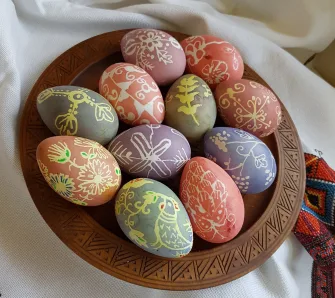
Festivals of all types are celebrated in Eastern Europe. Easter is a big one.Religious holidays blend sacred and profane with unapologetic zeal. Easter isn’t merely observed but physically enacted through elaborate processions, feasts breaking the Lenten fast, and eggs decorated with such intricate detail they transform a simple symbol of fertility into family heirlooms.

Christmas brings not just the Western Santa but a parade of pre-Christian creatures and characters—from the terrifying Krampus to the gift-bringing Ded Moroz—each playing their part in the annual theater of darkness yielding to light.

Even in their revelry, there’s something bittersweet—a awareness that joy, like all things in their history, is transient. Yet this very knowledge makes the celebration more fierce, more present, more determined to wring every drop of sweetness from the moment before it passes into memory.
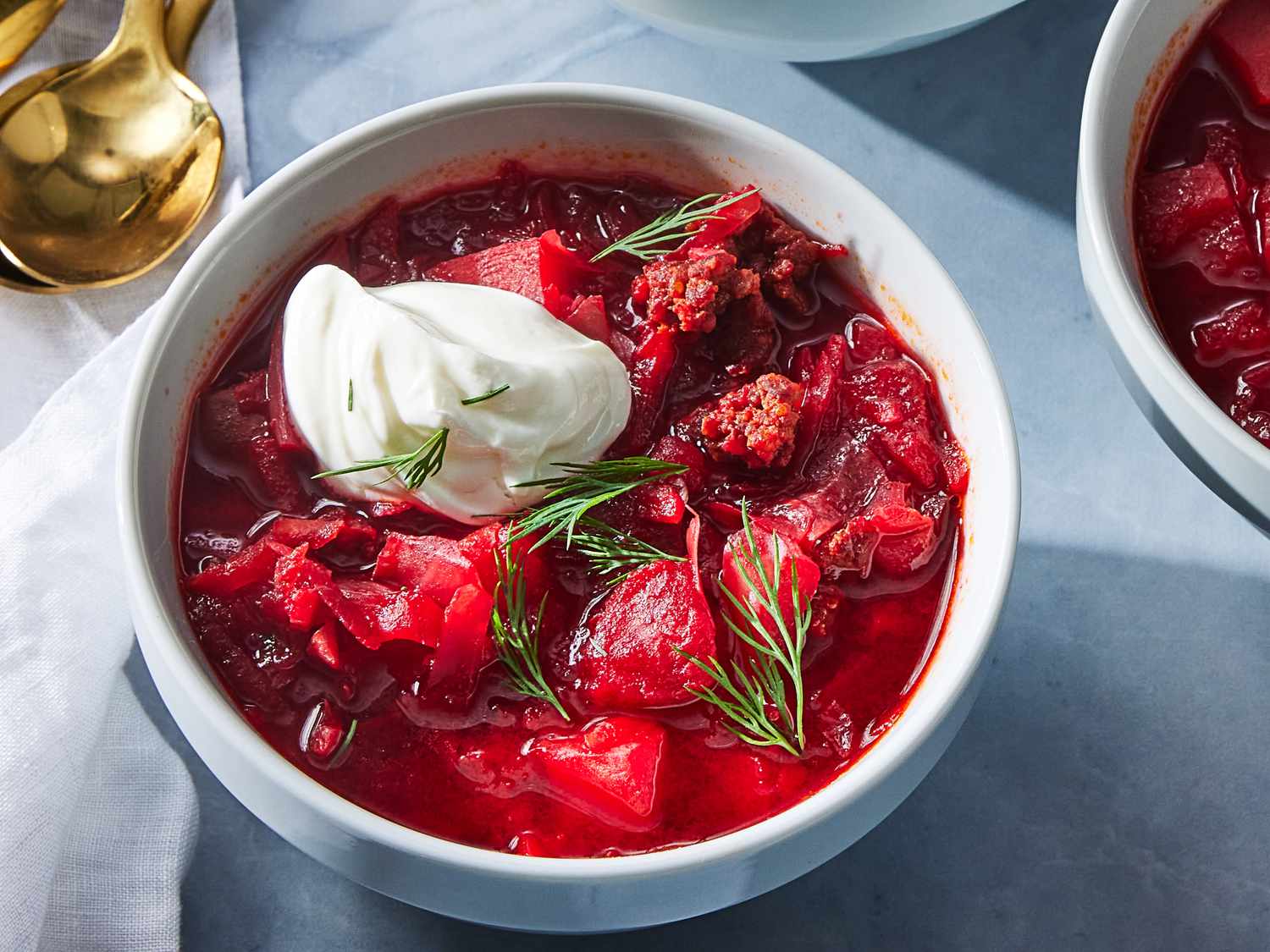
Eastern European Cuisine Worth Exploring

The food scene goes far beyond the stereotypical heavy meat dishes.

Here, meals aren’t just consumed—they’re excavated, each flavor a relic of some forgotten century or distant empire. Each country offers distinctive culinary traditions:

  • Polish pierogis and bigos (hunter’s stew that simmers with the ghosts of forest and field)
  • Hungarian goulash (paprika-red like the region’s complicated history) and chimney cake (kürtőskalács), sugar-crusted spirals that crackle between your teeth
  • Romanian sarmale (cabbage rolls tight as secrets) and mămăligă (polenta that anchors you to the earth)
  • Bulgarian banitsa (cheese pastry with layers that unfold like the country’s story) and shopska salad
  • Czech svíčková (marinated sirloin swimming in cream sauce) and trdelník pastries


Local markets aren’t just places to shop—they’re living museums where babushkas guard recipes like national treasures. Let their offerings burn your tongue with unfamiliar spices; each bite leaves an impression that outlasts any photograph.

"6 Must-Try Eastern European Dishes That Will Delight Your Senses"

Natural Beauty and Landscapes

If you love mountains, hikes, lakes, rivers, and awe-inspiring nature, Eastern Europe should be high on your list.

While some populated areas may suffer from urban decay and poverty, nature remains pristine and magnificent—an Eden unbothered by the political earthquakes that have repeatedly redrawn human boundaries.

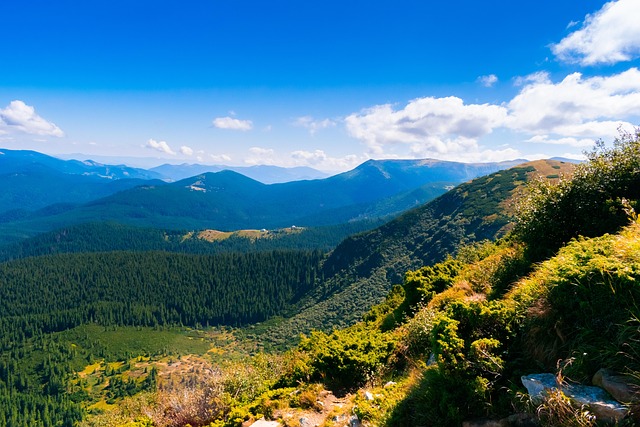
The region offers diverse landscapes, from the jagged peaks of the Carpathian Mountains stretching through Romania and Ukraine like the spine of some sleeping giant, to the pristine beaches along Croatia’s Dalmatian Coast where the Adriatic licks at limestone shores.

 The Tatra Mountains between Poland and Slovakia provide excellent hiking in summer and skiing in winter, often at a fraction of Alpine prices.

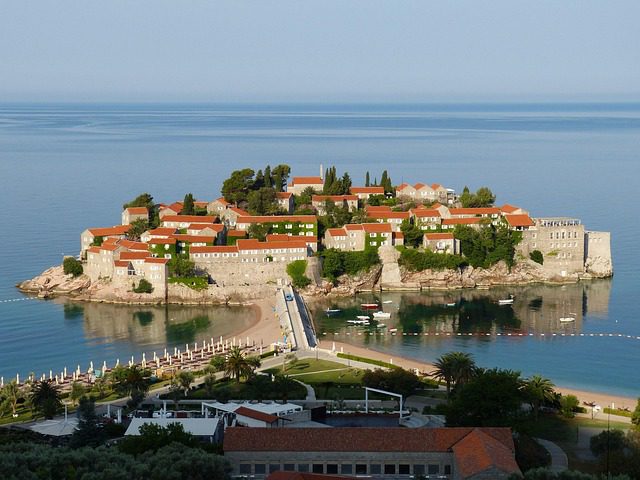
Budva, Montenegro

Is Eastern Europe Safe to Travel?

Despite media portrayals, Eastern Europe is generally safe for travelers. Crime rates in tourist areas of Prague, Budapest, and Warsaw are comparable to other European capitals.

Exercise normal precautions, particularly in less touristic regions where foreigners might stand out more.

The main concerns are usually petty theft and tourist scams rather than violent crime.

Planning Your Eastern Europe Itinerary

Best Time to Visit Eastern Europe

  • Spring (April-May): Mild weather, blooming landscapes, fewer tourists, and lower prices. Watch as the region shakes off winter like an old coat.
  • Summer (June-August): Warmer temperatures, longer days, and vibrant festival season, but more tourists. The streets become theaters, each plaza its own stage.
  • Fall (September-October): Beautiful autumn colors, pleasant temperatures, and harvest festivals where wine flows like conversation.
  • Winter (November-March): Christmas markets, snow-covered landscapes, and affordable skiing opportunities. Cities dressed in snow reveal their truest character—you’re not just visiting; you’re witnessing.

Be aware that winters can feel depressing and intense. Rain can fall from dark and heavy clouds and accentuate the palette of gray in dampened dull shades.

But this isn’t exclusive to Eastern Europe—I’ve seen similarly miserable days in London and Amsterdam.

[awesome-weather location="Belgrade" units="F" size="tall" override_title="Belgrade" forecast_days=2 hide_stats=true background=http://www.aroundtheworldwithrob.com/wp-content/uploads/2015/05/london-bridge.png]

Eastern Europe on a Budget: Is It Really Cheap?

Yes and no. If the country or city has any tourist profile, you could find yourself paying equal to or more than elsewhere in mainstream Europe. Prague, Budapest, and Dubrovnik, for instance, have seen significant price increases in recent years.

In less populated areas or those not known for tourism, you’ll pay very cheap rates for food and lodging. However, your trade-off would be the conveniences and comforts you may be used to. Here’s a general breakdown of costs:

  • Cheapest countries: Ukraine, Moldova, Romania, Bulgaria—where your Western currency stretches like an accordion
  • Mid-range countries: Poland, Hungary, Slovakia
  • More expensive: Czech Republic, Slovenia, Croatia (especially coastal areas where prices swell with the summer tide)


Eastern Europe Backpacking Route: A 3-Week Itinerary

For first-time visitors wanting to experience Eastern Europe’s diversity:

  1. Prague (3 days): Start in this accessible gateway to Eastern Europe, where Gothic spires puncture the sky like questions
  2. Krakow (3 days): Including a day trip to Auschwitz—because travel isn’t always about pleasure; sometimes it’s about bearing witness
  3. Budapest (4 days): Allow time to enjoy the thermal baths where centuries of humanity have soaked away their troubles in waters that taste of minerals and time
  4. Belgrade (2 days): Experience Balkan nightlife where music and rakija flow until dawn remakes the world
  5. Sarajevo (2 days): Rich in history and cultural fusion, where East and West don’t just meet—they argue, compromise, and create something entirely new
  6. Split/Dubrovnik (4 days): Coastal relaxation to end your journey, where the Adriatic serves as both mirror and memory

This route combines historical cities, diverse cuisines, and varying landscapes while remaining manageable by public transportation.

Tips for First-Time Eastern Europe Travelers

  1. Learn basic local phrases: Even a simple “hello” and “thank you” go a long way—they’re keys that unlock doors otherwise left firmly shut
  2. Understand the tipping culture: It varies by country but is generally lower than in North America
  3. Be prepared for smoking: Many countries still permit indoor smoking, the air sometimes thick as memory
  4. Carry cash: While major cities accept cards, smaller towns often operate on cash only—coins that jingle with the weight of different values
  5. Download translation apps: Google Translate’s camera feature can help with menus and signs when the Cyrillic alphabet dances before your eyes like encrypted code
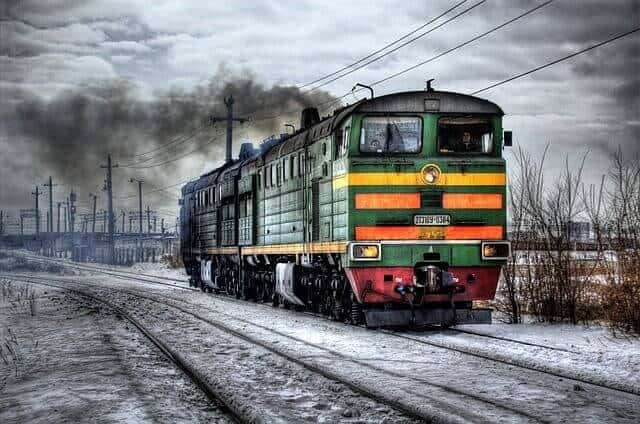
  6. Research transportation options: Train networks vary in quality across the region, from sleek modern carriages to Soviet-era relics where each creak tells a story
  7. Be respectful of the past: Many countries have complex feelings about their communist history—it’s not just politics; it’s personal

Hidden Gems in Eastern Europe

Beyond the well-known destinations, consider these under-the-radar spots:

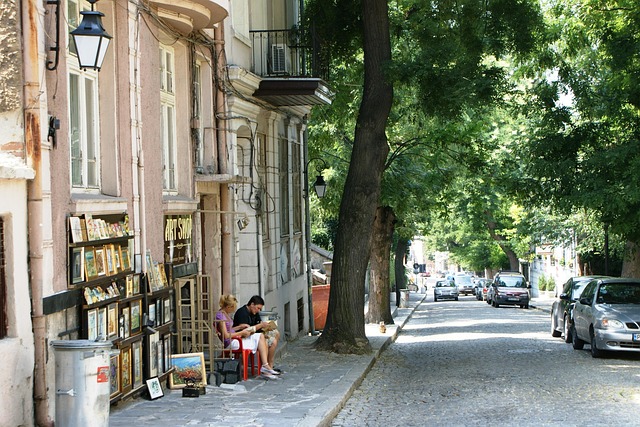
  • Plovdiv, Bulgaria: One of the world’s oldest continuously inhabited cities with a charming old town where time doesn’t just pass—it accumulates
  • Brasov, Romania: Gateway to Transylvania with medieval architecture surrounded by mountains that stand like guardians
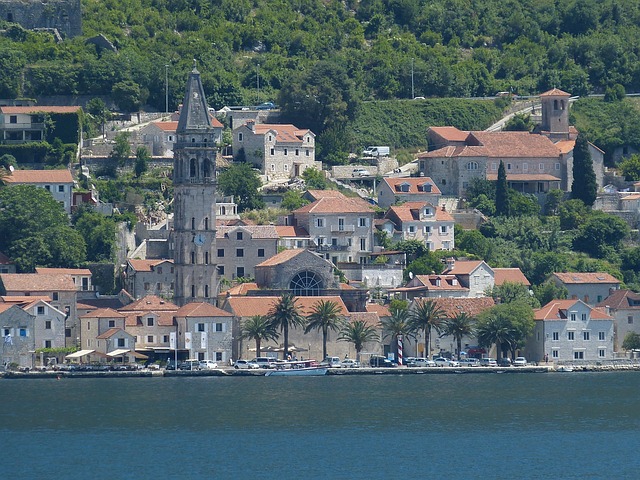
  • Kotor, Montenegro: Stunning bay setting with Venetian-era old town nestled like a pearl in a fortress shell
  • Lviv, Ukraine: Architectural beauty with Austrian-Hungarian influence and vibrant cafe culture where each coffee comes with a side of history
  • Ljubljana, Slovenia: Charming capital with riverside cafes and castle views, a city that doesn’t just welcome you—it embraces
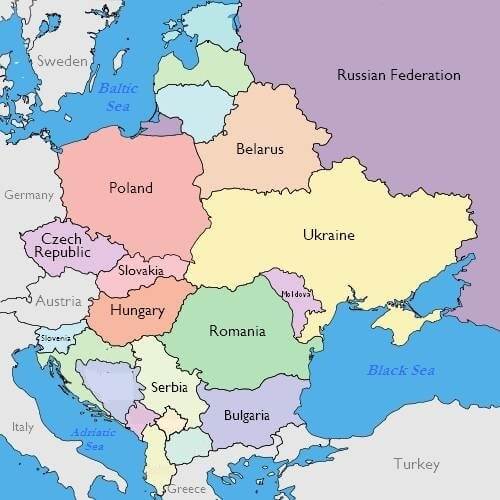
Map of Eastern Europe
Plovdiv, Bulgaria
Kotor, Montenegro

Final Thoughts on Eastern Europe Travel

It would be a shame to miss out on Eastern Europe’s natural and cultural splendor because of comparisons made from a Western judgmental mindset.

Eastern European travel offers great value to those with a genuine passion for understanding other cultures.

The real Eastern Europe may not meet the expectations of travelers seeking luxury and service above all else. However, if you can journey without preconceptions or distorted assumptions, you’ll discover a world of fascination and likely count Eastern Europe as your most memorable travel adventure.

Here, you’re not just fed; you’re transformed—each experience leaving a mark as permanent as the history that shaped these lands.


My suggestion is to be gracious and accepting.

Remove all judgment, and Eastern Europe will reward you with authentic experiences and insights that mass-tourism destinations simply cannot offer.

Let the road reshape you, just as time and struggle have reshaped this extraordinary corner of our world.

Eastern European Countries with Flags

Eastern European Countries

A comprehensive display of countries by region with their national flags

Baltic States

Flag of Estonia

Estonia

Republic of Estonia

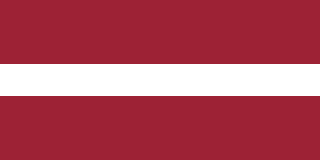
Flag of Latvia

Latvia

Republic of Latvia

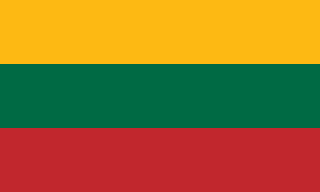
Flag of Lithuania

Lithuania

Republic of Lithuania

Central Eastern Europe
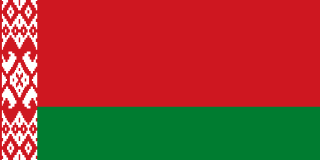
Flag of Belarus

Belarus

Republic of Belarus

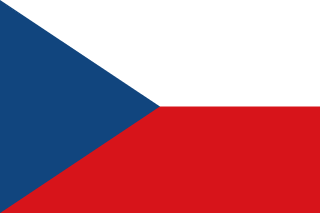
Flag of Czech Republic

Czech Republic

Czech Republic

Flag of Hungary

Hungary

Hungary

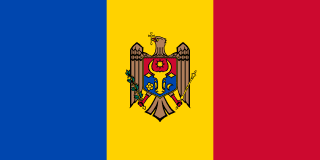
Flag of Moldova

Moldova

Republic of Moldova

Flag of Poland

Poland

Republic of Poland

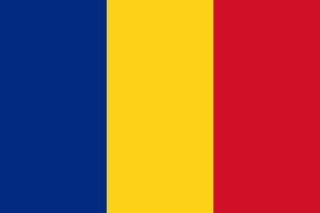
Flag of Romania

Romania

Romania

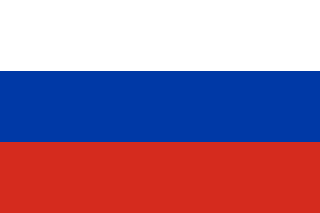
Flag of Russia

Russia

Russian Federation

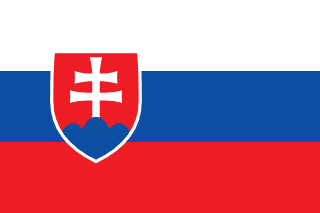
Flag of Slovakia

Slovakia

Slovak Republic

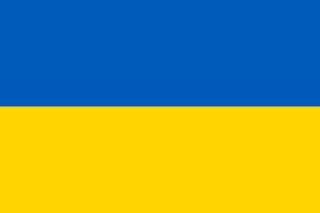
Flag of Ukraine

Ukraine

Ukraine

Southeastern Europe/Balkans
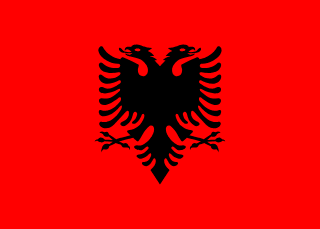
Flag of Albania

Albania

Republic of Albania

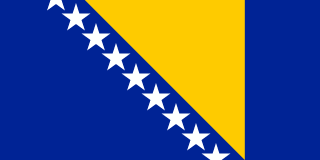
Flag of Bosnia and Herzegovina

Bosnia and Herzegovina
Bosnia and Herzegovina

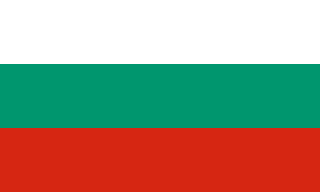
Flag of Bulgaria

Bulgaria

Republic of Bulgaria

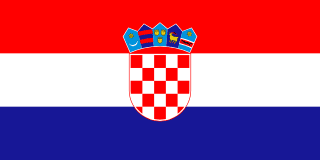
Flag of Croatia

Croatia

Republic of Croatia

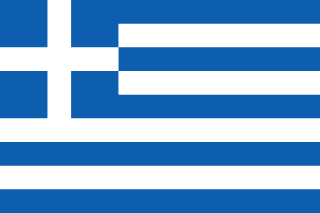
Flag of Greece

Greece

Hellenic Republic

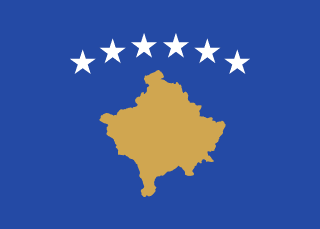
Flag of Kosovo

Kosovo

Republic of Kosovo

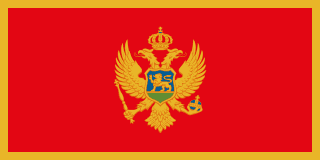
Flag of Montenegro

Montenegro

Montenegro

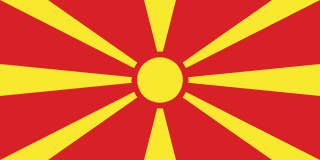
Flag of North Macedonia

North Macedonia

Republic of North Macedonia
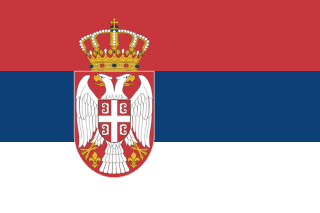
Flag of Serbia

Serbia

Republic of Serbia

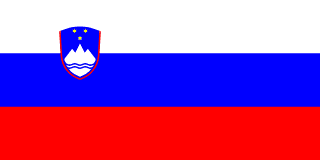
Flag of Slovenia

Slovenia

Republic of Slovenia

© 2025 Eastern European Countries with Flags | All flags sourced from flagcdn.com

“Did this article challenge any preconceptions you had about Eastern Europe? Share your thoughts or your own myth-busting experiences in the comments!”

The World Travel Series

This article is part of our comprehensive world travel series, learning how to get on your adventure from A to Z. See the full curriculum here

Leave a Reply

Your email address will not be published. Required fields are marked *