The Art of Travel · TRAVEL FIELD NOTES
Microadventures: You Don’t Have to Go Far to Go Somewhere
Small adventures. A little uncertainty. A Tuesday worth remembering.
By Rob Wheatley – Program Director & traveler
Updated 7 October 2026
Quick Overview
Microadventures are short, simple adventures close to home that fit around everyday life. Popularised by adventurer Alastair Humphreys, the idea usually centres on affordable outdoor escapes. Here, we also explore an urban interpretation: small journeys with a little challenge or discovery, without needing a major holiday.
Adventure has been suffering from a branding problem.
Somewhere along the way, we decided it needed mountains, expensive jackets, several weeks off work and preferably a photograph of somebody standing triumphantly on a ridge.
It doesn’t.
Apparently, an experience becomes more legitimate once it involves an airport, luggage with ambitions and somebody asking whether you packed the correct adapter. Yet you can cross an ocean and spend a week doing remarkably familiar things. You can also take a local train and find yourself having a day you could never have scripted.
That is the rather wonderful possibility behind microadventures: make the adventure smaller, not the experience.
You don’t have to cancel the big trip. You just don’t have to wait for it to feel that you’re going somewhere.
What is a microadventure—and whose idea is it?
A microadventure keeps the essentials of adventure while shrinking the time, distance and expense. A nearby overnight camp is a classic example: a modest journey, an unfamiliar night and a return to ordinary life the following morning.
Alastair Humphreys popularised the modern concept, describing short, accessible escapes that still offer excitement, challenge and reward. His work largely centres on the outdoors. His 5-to-9 idea makes a useful point: the hours between finishing work and starting again can contain a journey of their own.
My interpretation here also makes room for urban journeys and comfortable beds. That is a broader application of the principle, rather than a claim that every novel afternoon matches his original outdoor approach.
The useful question is: what turns a small outing into an adventure? For me, it’s discovery, a manageable challenge or some uncertainty about how the experience will unfold. Uncertainty about dinner can be enjoyable. Uncertainty about whether you can get home is less charming.
The Microadventure Test
This is my practical thinking tool, not a formal definition or a score you must pass. Use it to separate an interesting little journey from an errand wearing an adventurous hat.
Going to a different supermarket doesn’t automatically qualify. Taking a train beyond your usual stop, following a checked walking route through somewhere unfamiliar and finding lunch along the way? Now we’re getting somewhere.
The point isn’t danger. It’s giving the day a chance to be different.
The adventure gap: life between the big trips
We can be rather generous with our future selves. Next year, we’ll explore. When work settles down, we’ll get outdoors. Once the budget improves, we’ll start living more adventurously.
Meanwhile, the present version of us watches another weekend disappear into laundry.
There are real constraints here: caring responsibilities, fatigue, money, transport and health. A small outing won’t magically remove them. However, it can reduce the size of the undertaking until something becomes possible.
Instead of asking, “Where should I go on holiday?”, try, “What could I discover with the hours I actually have?” That question has a much shorter queue of excuses.
Start with time, not destination
First, choose your window. Then work backwards from when you need to be home. The following are prompts, not fixed distance rules.
If six hours become four hours of driving and two hours of recovering from it, shrink the radius. Nearby means something different in a well-connected city and a rural area. Choose the smallest journey that still feels like a departure from your normal day.
But I don’t particularly want to sleep in a hedge.
Quite reasonable. There are perfectly good pillows in the world.
A microadventure needn’t become an audition for a survival programme. For an outdoor escape, you might choose an established campsite or a short, well-marked trail. Under the broader interpretation used here, you could explore a new neighbourhood, take a ferry or spend a night in a nearby town.
City dwellers: use public transport to reach somewhere you don’t ordinarily go, then explore a checked route on foot or wheels.
Older travellers or people with mobility needs: put the novelty in the destination or activity. Check gradients, surfaces, seating, toilets and transport accessibility. Distance is no measure of curiosity.
Solo travellers: start somewhere you feel comfortable navigating, with a reliable return. Couples and friends: agree the budget and effort first. Families: let children choose one discovery, while adults handle the route and conditions.
Already travelling? Try a small journey from your current base. The principle works between big sightseeing days too.
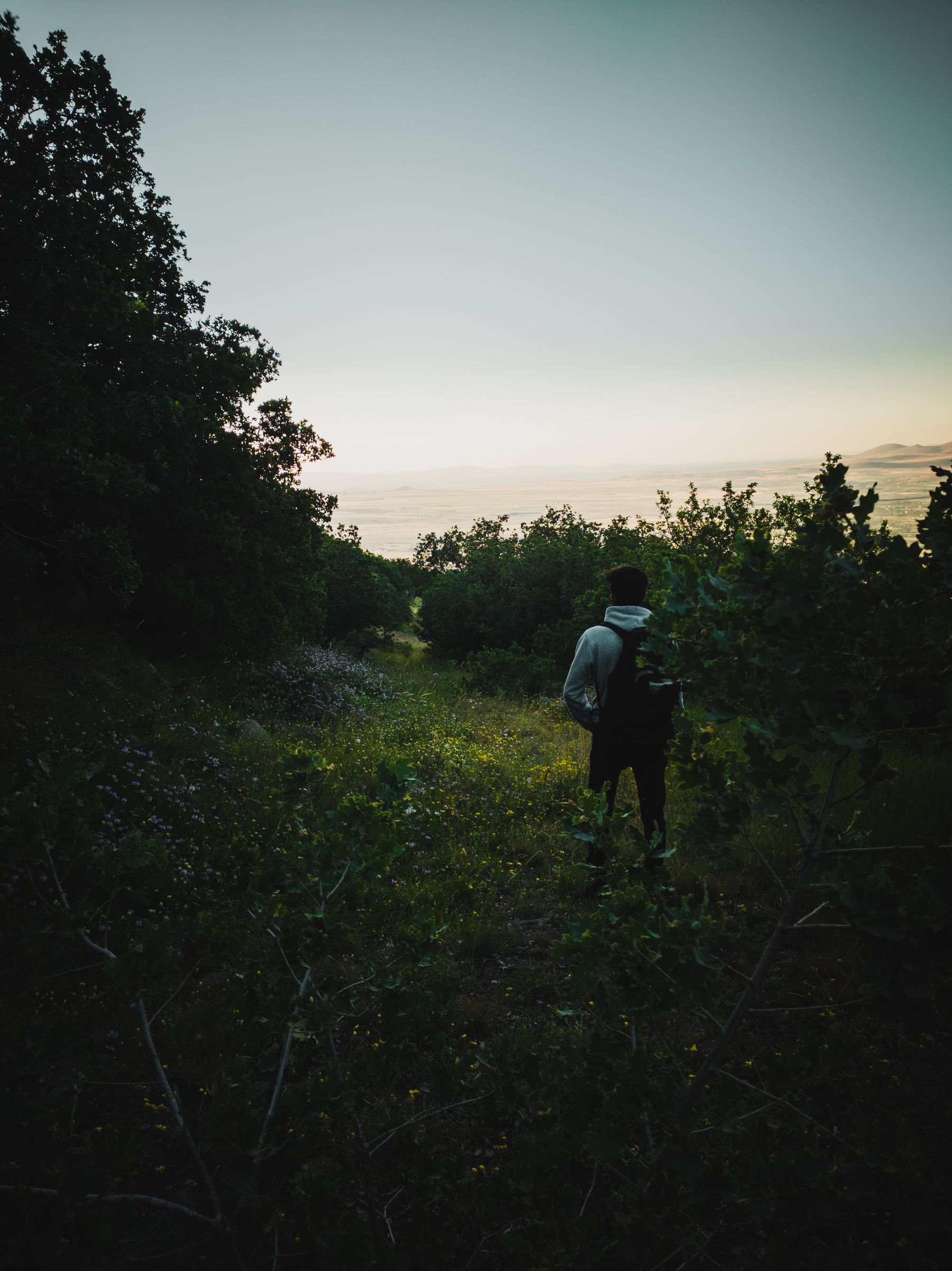
A nearby path can provide a sense of departure. Photograph: RIDVAN AYRIK / Pexels.
10 microadventure ideas with room for discovery
Choose one prompt and adapt it to where you live. These are starting points; local access, transport and conditions decide what is practical.
1. Follow the railway
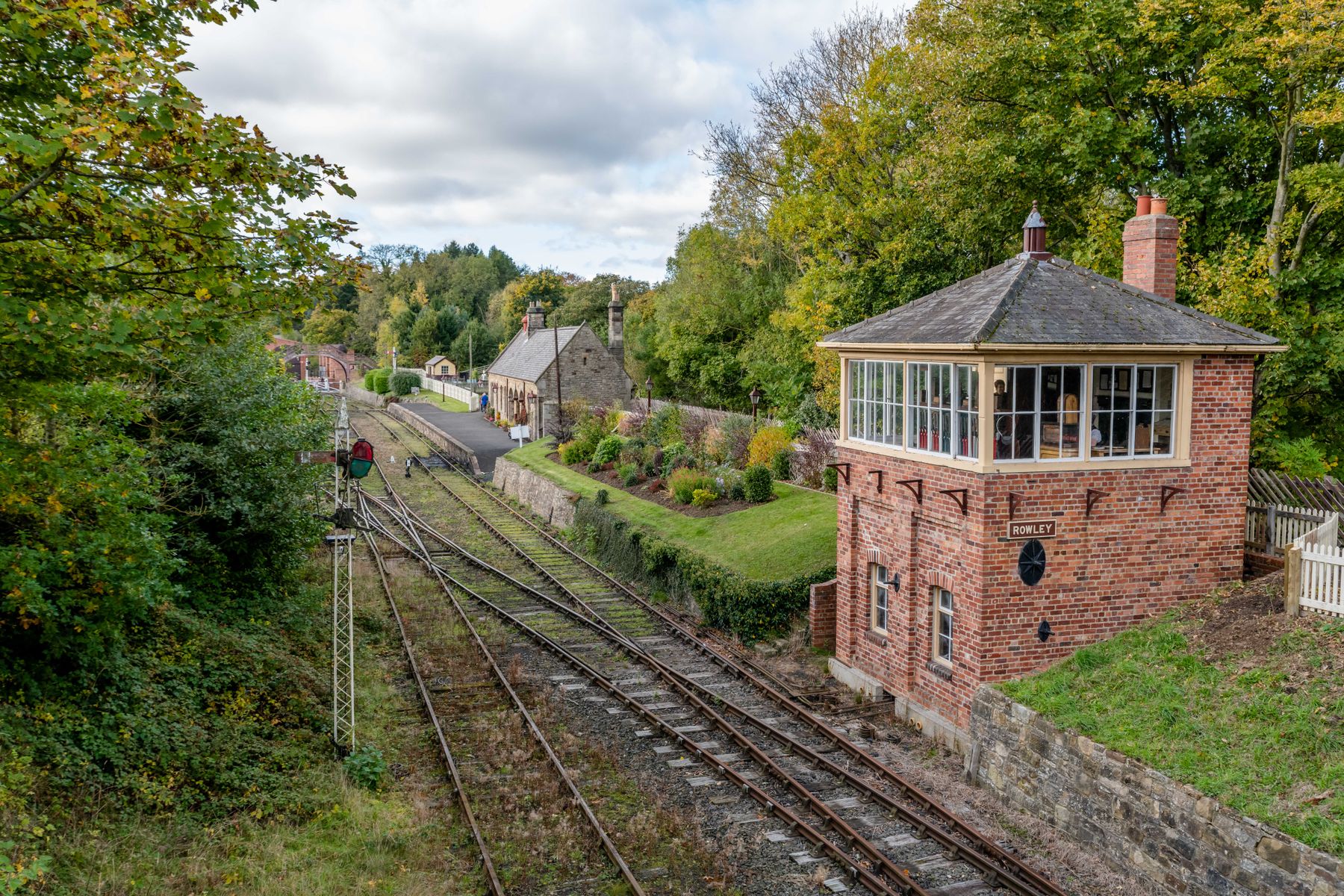
Choose a nearby station you’ve never used. Find a public walking route, one interesting stop and a return service. The railway is your way in—not somewhere to walk along the tracks.
2. Breakfast somewhere ridiculous
Ridiculous in its novelty, rather than its danger: a permitted coastal viewpoint, a local hill reached by an easy trail, or a town you normally bypass. Check opening hours if someone else is making breakfast.
3. The map-edge challenge
Open a map of your area. Pick one place near the edge of your familiar territory: a reserve, village or public garden. Check access, then turn that name into a visit.
4. Cross something
A river by passenger ferry, a public footbridge or a safe canal crossing can give a small outing a surprisingly strong sense of journey. Check operating times and the return.
5. Take the long way to somewhere ordinary
Reach a familiar destination by an unfamiliar, checked route. A riverside path instead of the main road can make the journey the experience.
6. Dusk out, morning back
Spend a night at a permitted campsite or simple nearby lodging. Enjoy the change from evening to morning, then head home. Confirm access, transport and accommodation before leaving.
7. Let a theme choose the route
Follow a local history trail, street-art route or sequence of public gardens. You have a thread to follow while the discoveries remain open.
8. Trade your usual transport
Walk a suitable stretch you normally drive, hire a bike on an established route, or try a local ferry. Match the activity to your ability and local conditions.
9. Borrow someone’s local knowledge
Ask a visitor centre or local guide for a manageable route beyond the headline sights. Choose one suggestion and make an outing of it. A guided trip counts; self-reliance isn’t an entrance exam.
10. Give an ordinary date a destination
Choose next Saturday, set a modest budget and go somewhere nearby you haven’t explored. Invite a friend if you like. A specific date gives the idea a fighting chance against the sofa.
What doesn’t count? And does it matter?
A familiar café can be lovely. Buying a sandwich there doesn’t need to be rebranded as an expedition.
On the other hand, an easy outing may feel adventurous to someone trying something for the first time. Your comfortable routine can be another person’s unfamiliar territory. There is no committee issuing certificates.
My test is whether the experience contains some discovery or a modest stretch beyond the ordinary. If the label helps you get out, use it. If it becomes another thing you feel obliged to perform correctly, leave it at home.
For the distinction between related approaches, slow travel considers pace, while mindful travel considers attention. Microadventures concern the scale and accessibility of adventure. They can overlap, but you could have a lively four-hour microadventure without slowing down at all.
Keep the surprise in the experience
A little preparation protects the enjoyable uncertainty. Check the route, access rules, weather and daylight. Know how you’ll return, and keep a workable alternative.
For outdoor outings, take clothing and equipment suited to the conditions, drinking water, food, a charged phone and navigation you can use without reception. Tell someone your plan and expected return when appropriate. If you’re new to an activity, choose a guided option or go with someone experienced.
Camping: don’t assume public access includes overnight permission. Ask the relevant landowner or land manager and use permitted sites. Swimming: an inviting river is not proof of safe conditions; choose an appropriate supervised place and follow local advice. Urban exploring: use legitimate public routes and local knowledge. Randomness is an idea generator, not a safety plan.
Take rubbish home, respect wildlife and other people, and avoid damaging the places you came to enjoy. The Leave No Trace guidance is a useful starting point for responsible outdoor trips.
You’re aiming for a story worth telling, with a sensible way home.
Plan your first microadventure in five decisions
- Choose the time. Put an actual window in your diary, including when you must be home.
- Choose one unfamiliar element. A place, route, activity or overnight setting is enough.
- Set your limits. Agree the budget, distance and effort you can comfortably manage.
- Check the essentials. Access, weather, transport, equipment and a fallback route.
- Go—and leave one small choice open. Decide where to pause or eat once you arrive, within your checked plan.
You don’t need to buy a new identity at an outdoor shop. Start with something feasible. Afterwards, ask what you’d repeat and what you’d change. That gives the next outing a useful head start.
Don’t spend your life waiting for the big trip
I’ve spent much of my working life helping people explore places away from home. I’m hardly going to suggest that the great journey has lost its appeal.
However, a calendar with one magnificent holiday and eleven months of waiting seems a slightly ungenerous arrangement.
A small adventure can occupy some of those blank spaces. It might be muddy. It might involve a disappointing sandwich. You may discover that the intriguing village has precisely one open shop, selling something you cannot imagine needing.
Even so, you went. You gave the day a shape beyond its usual one.
Sometimes that is enough to make the world feel a little bigger—and your own life less like the interval between holidays.
Microadventures: your questions answered
How long is a microadventure?
There is no universal time limit. It might last a few hours or include a nearby overnight stay. The useful principle is that it fits around ordinary life without needing a major holiday.
Do microadventures have to involve camping?
No. Camping is closely associated with Humphreys’ outdoor concept, but a short hike or other outdoor challenge can work too. This article also offers a broader urban interpretation, with nearby journeys and comfortable overnight stays.
Can I have a microadventure in a city?
Yes, under the broader interpretation used here. Explore an unfamiliar district along a checked public route, take a ferry or follow a local history trail. Include some discovery or a small challenge rather than simply relabelling a routine errand.
Are microadventures suitable for beginners and older travellers?
They can be adapted to your experience, mobility and energy. Choose accessible routes, suitable transport and manageable activities. A guided outing or a comfortable bed can make a small adventure more achievable.
How much does a microadventure cost?
There is no fixed price. It may involve only food or a transport fare, while an overnight trip may add accommodation and equipment costs. Set a budget first and choose a nearby experience that fits it.
What is a 5-to-9 microadventure?
Humphreys uses the idea of the hours between finishing work and returning the next morning for a short escape, often outdoors. It encourages adventure around working life rather than waiting for annual leave.
Ready to try one?
You don’t need to book a flight. Start by discovering what lies within a day of where you already are.
What’s your smallest adventure with the biggest memory?
A local train, an unexpected walk, a night close to home? Tell me what you tried—or what small adventure you could manage this week. Share your microadventure below ↓
About Rob: Rob Wheatley is a Viking Program Director and former ocean Cruise Director. His writing draws on a career helping travellers explore, alongside his own journeys around the world.
Image credits: Frank Samet and RIDVAN AYRIK, via Pexels. Used under the Pexels License.