Travel field notes • Wellbeing
Mental Health During Travel: When the Trip Feels Heavy
You packed the charger, the adapters and three kinds of optimism. Your feelings came along without asking.
By Rob Wheatley – Program Director & traveller
Updated 11 October 2026
What happens when the dream trip you planned for years starts feeling… heavy? Mental health during travel deserves the same attention as the route and the budget. Let’s talk about the part of wandering that rarely makes it into the photographs.
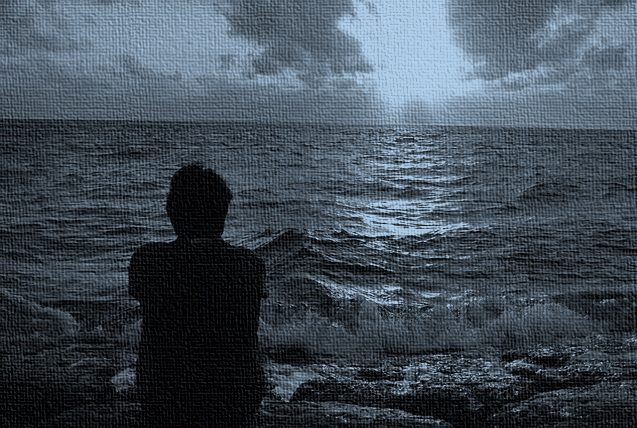
The useful version: keep manageable routines, allow rest, stay connected and make the itinerary flexible. Homesickness, loneliness and travel anxiety need attention, not embarrassment. If distress persists, worsens or affects daily life, seek professional support. If you cannot stay safe, get immediate local emergency help.
You can love the trip and still have a difficult day
Travel has an excellent publicity department. It shows us sunsets, markets and someone apparently finding themselves beside a waterfall. It rarely shows the afternoon spent missing home while trying to work out how the washing machine opens.
So when the dream trip feels heavy, it is easy to add a second problem: “I should be enjoying this.” You can be grateful to be away and feel lonely, overwhelmed or low. Those feelings do not require you to surrender your traveller’s badge.
The CDC’s mental health and travel guidance explains that travel stress can affect mood and anxiety, and worsen existing conditions. A new view does not automatically switch off what you were carrying before departure.
That matters because ordinary travel frustration and a mental health condition are not the same thing. Feeling miserable after a sleepless journey does not diagnose depression. Equally, repeated distress should not be dismissed as jet lag simply because the hotel has a lovely pool.
My starting point: you are allowed to make the trip easier. Rest, company, a changed itinerary and professional support are all legitimate options. The itinerary does not get the deciding vote.
Homesickness: sometimes you miss the ordinary things
Homesickness is not always a grand longing for your country. It may be your own pillow, an easy conversation, familiar food or the person who knows what you mean before you finish explaining it.
Everything abroad can require a small decision. Eventually, even buying toothpaste feels like a diplomatic assignment. Familiarity offers a rest from that effort.
For a manageable homesick day, try one small bridge between home and where you are:
- Arrange a proper conversation. Choose a time when neither of you is rushing. A familiar voice can be more useful than another dozen messages.
- Keep a small ritual. Your usual music, a favourite breakfast or a chapter before bed can give the day some recognisable shape.
- Do something ordinary locally. Buy groceries, sit somewhere comfortable or return to a place you already know. Every outing need not be a cultural breakthrough.
Notice what happens afterwards. If calls home leave you more settled, keep them. If hours of scrolling leave you stranded between two places, try a shorter call and then one gentle activity where you are. This is an experiment in what helps you, not a rule about the correct amount of missing your family.
You do not need to cure homesickness by becoming relentlessly busy. Filling every gap can simply make you homesick with sore feet.
Loneliness: aim for connection, not a compulsory crowd
Being alone and feeling lonely are different experiences. You can enjoy a solitary morning and struggle in the evening. You can also feel lonely in a coach full of people, which is a rather inefficient use of a coach.
Look for a setting that makes conversation easier without demanding a new personality. A small walking tour, a class or a recurring local activity gives you something to talk about besides the fact that you are both standing there.
For example, a cooking class provides a shared task. A regular group walk lets you see the same faces again. A communal breakfast offers a shorter encounter if an entire social evening feels like too much.
- Choose a manageable amount of company. One pleasant conversation can be enough for today.
- Keep your accommodation suitable for rest. A lively hostel is an option, not a universal prescription. Poor sleep is a steep price for access to a beer-pong tournament.
- Meet thoughtfully. Check the organiser and location, meet new people in appropriate public settings and keep a way to leave.
Meanwhile, tell someone you trust how you are doing. “I’m finding the evenings lonely” is clearer than “All good!” accompanied by a photograph of a cathedral.
If loneliness persists or comes with worsening mood, withdrawing from everyone or difficulty looking after yourself, seek professional support. A social activity can offer company; it is not a replacement for care.
Travel anxiety: make the next step smaller
Travel combines uncertainty with timetables, unfamiliar signs and other people’s luggage. It is quite a production. Anxiety may arrive before departure, at a station or after you have reached somewhere perfectly beautiful.
For everyday travel nerves, focus on the immediate task rather than the whole journey. Save the address. Check the platform. Ask the staff member. Then do the next thing.
| The sticking point | A practical adjustment |
|---|---|
| Too many decisions | Choose tomorrow’s first step tonight; leave the rest flexible. |
| A confusing transfer | Save the route and address offline, and allow extra time. |
| An overloaded itinerary | Keep the essential commitment and remove an optional stop. |
| You need support but do not know what to say | Tell a trusted person what is difficult and what help you need. |
| You are worried about unfamiliar surroundings | Start with a short, manageable outing and a clear way back. |
The NHS advice on anxiety, fear and panic recommends small achievable goals and talking about feelings. It also advises against using alcohol or drugs to relieve anxiety. A reassuring drink can become an unhelpful coping habit.
If anxiety keeps disrupting sleep, eating, movement or ordinary activities, speak to a healthcare professional. You do not need to wait until every part of the trip is affected.
Do not diagnose new physical symptoms as “just anxiety”. New or severe chest pain, breathing difficulty or other concerning symptoms need medical assessment. If symptoms suggest an emergency, use local emergency services.
Related field notes
Make the trip easier
- Find Your Travel RhythmChoose a pace you can enjoy.
- Dealing with Culture ShockWhen everyday life feels unfamiliar.
- Mindful TravelGive the present a little more attention.
- Travel Safety & HealthMedication, preparation and practical help.
Travel exhaustion: the sights will cope without you today
Sometimes the problem is less mysterious than it feels: too many transfers, too many decisions and too little rest. You have turned the holiday into a travelling administration department.
Here, “travel burnout” is an everyday description of feeling worn down, not a diagnosis. A lighter schedule may help with overload, but persistent exhaustion or low mood deserves attention rather than an automatic label.
As a practical experiment, remove something from tomorrow. Not the sandwich. The extra museum, the dawn departure or the fifth town squeezed into a route that already contains four.
Make space for regular meals, rest and movement that feels manageable. Choose accommodation that makes sleep easier. A modest room with quiet surroundings may serve you better than an exciting address above a bar with strong opinions about bass.
For the deeper planning question, use Find Your Travel Rhythm. It helps you choose a pace and balance movement with time to settle. This article’s question is simpler: what can you change today so the journey asks less of you?
If you have rested and still feel persistently low, detached or unable to cope, do not keep buying yourself another rest day as a substitute for help. The NHS low-mood guidance recommends getting support when coping is difficult or self-help is not helping. Low mood lasting two weeks or more can be a sign of depression; you can ask for help sooner.
A gentler plan for a difficult day
If you are safe and dealing with a manageable difficult day, try this sequence. It is a practical suggestion, not a treatment programme.
- Say what is happening. “I feel overwhelmed” gives you something more useful to work with than “I’m terrible at travelling.”
- Check the immediate basics. Have you eaten? Can you rest somewhere suitable? Is there an essential practical problem to resolve?
- Reduce the day. Keep one necessary task. Make sightseeing optional.
- Contact someone. Ask for a conversation, company or help with the next decision.
- Decide what comes next. If you are not coping, arrange professional support rather than repeating the same experiment indefinitely.
You might send: “I’m having a difficult day. I’m safe at my accommodation, but I feel overwhelmed. Could we speak this evening?” If you are not safe, say that directly and seek urgent local help.
Also consider the source of the strain. If ordinary customs and tasks feel baffling, the Culture Shock guide may help you understand the adjustment. If your attention is constantly racing to the next stop, Mindful Travel offers ways to notice where you are. Neither requires you to pretend a serious problem is merely a mindset issue.
Travelling with an existing mental health condition
A mental health condition does not automatically rule out travel. It does make continuity of care an important part of the plan.
Discuss the route, sleep disruption, treatment and support arrangements with your healthcare team before booking, especially if your condition is newly diagnosed, changing or not well controlled. NaTHNaC’s travel and mental health guidance explains why individual preparation matters.
Agree what warning signs to watch for and what to do if they appear. Check any medication restrictions, permitted quantities and required documentation for destination and transit countries. Discuss time zones with your prescriber; do not stop or change treatment to suit an itinerary.
The fuller medication checklist is in my travel safety and health guide. Keep the treatment plan accessible, with clinician contacts and a trusted person who knows how to help.
Check the cover—and the care
Tell the insurer about health conditions as required and confirm mental health treatment and medical evacuation cover. A policy covering “medical emergencies” may still contain relevant exclusions.
Find out what qualified care is available at your destination, including language support. FCDO guidance on mental health abroad covers these checks and explains the limits of British consular help. Travellers of other nationalities should check their own government’s assistance.
Online therapy needs an arrangement, not an assumption
Ask your existing provider whether sessions can continue from each country you will visit. Confirm permission to practise where you will physically be, professional cover, privacy and an emergency plan. A working video connection alone does not settle those questions.
The US HHS guidance on behavioural-health licensure shows that patient location can matter even within one country. For an international trip, ask the provider to confirm your particular arrangements before relying on them.
When to seek professional support abroad
You do not need a diagnosis before asking for help. Contact a qualified health professional when distress persists, worsens, affects daily life or is difficult to manage. Seek help promptly after a frightening or traumatic experience, too.
| What is happening | A sensible next step |
|---|---|
| A difficult day, and you feel safe and able to manage | Simplify the day, contact someone and notice whether things improve. |
| Distress is persistent, worsening or disrupting daily life | Arrange an assessment with a qualified healthcare professional. |
| Your existing condition is changing or treatment is interrupted | Contact your care team and seek suitable local medical advice promptly. |
| You may act on thoughts of harming yourself or someone else, or cannot stay safe | Get immediate local emergency help; do not wait for a routine appointment. |
If you need urgent help now
If you cannot keep yourself safe, have seriously harmed yourself, taken an overdose or face immediate danger, contact the local emergency number or go to the nearest emergency department. Ask a trusted person nearby to stay with you and help arrange care.
If you are alone, tell accommodation staff or another appropriate person nearby that you need urgent medical help. Do not delay emergency care to speak to an insurer or wait for someone at home to wake up.
Use services for the country you are in. The NHS urgent-help page describes UK routes; its numbers are not a worldwide service.
For non-emergency assistance, your insurer may help identify suitable providers. Your embassy or consulate may have information on local facilities; check its actual remit. These contacts support access to care rather than providing therapy themselves.
If a companion is struggling, listen without arguing that they should feel happy. Ask what practical help they need, offer to accompany them to care and treat immediate safety concerns seriously.
You are allowed to change the trip
An itinerary is a proposal you made before you knew how the journey would feel. You can revise it.
That might mean staying in one place, joining a small organised activity, moving to quieter accommodation or going home sooner. Consider the costs and arrangements, and involve your healthcare team where health is affecting the decision.
There is no medal for suffering beside an impressive monument. And a shorter trip can still contain things that mattered.
After returning, keep any useful treatment information and follow up with your usual care provider if symptoms continue or changed while you were away. The CDC advises seeking help after travel as well, particularly after traumatic experiences.
Questions travellers often ask
Is it normal to feel low while travelling?
Difficult days can happen, even on a trip you wanted. They do not by themselves establish a diagnosis. Seek professional support if low mood persists, worsens or affects daily life; ask sooner if you are struggling to cope.
Does travel cure anxiety or depression?
Do not treat travel as a substitute for care. It can bring enjoyable experiences and also stress. Continue treatment and discuss travel plans with your healthcare team when relevant.
How can I handle homesickness?
Try a familiar ritual, an unhurried call and a simpler day. Notice what helps you feel more settled. Persistent distress deserves support rather than pressure to be more adventurous.
What helps with loneliness on a solo trip?
Choose manageable opportunities for connection, such as a small group activity or recurring class. Keep contact with people you trust, and avoid sacrificing rest for constant company.
Can I have online therapy while abroad?
Possibly, but confirm arrangements with the provider before travel. Your physical location, professional permissions, insurance, privacy and emergency arrangements can affect availability.
When should I seek help rather than taking another rest day?
When distress is worsening, persistent, disrupting daily life or difficult to manage, contact a qualified professional. Get emergency help immediately if you cannot stay safe or are at risk of acting on thoughts of harm.
Is coming home early a failure?
No. Changing a trip can be a sensible response to your needs. Work through practical arrangements and seek medical advice when health is part of the decision.
Prepare for the whole journey
Build a trip that fits the person taking it
The World Travel Course brings together practical preparation, travel choices and expectations. Use it to plan the journey; use qualified healthcare support for personal mental health needs.
Your wellbeing belongs in the itinerary
You are allowed to enjoy the world imperfectly. Some days will be marvellous. Others will require a quieter plan, a familiar voice or help you had not expected to need.
Make room for the human being carrying the luggage. They are rather essential to the expedition.
What helps you feel more settled on a trip? Share a practical habit if you wish; there is no need to share private medical details.
Comments are not monitored as a crisis-support service. Use local professional or emergency help when needed.
About Rob
I’m Rob Wheatley, a Program Director, former Cruise Director and traveller. I write about the practical and human sides of travel. This guide combines travel suggestions with linked health guidance; I am not a mental health clinician.
Reviewed and updated 11 October 2026. For personal care, speak to a qualified professional. Check destination services and travel arrangements before you leave.