
Free Spirit Travel
Free Spirit Travel Architecture
Around The World With Rob
Free Spirit Travel
Foreign language confusion

🌍 Language Learning Tips for Travelers: How to Speak the World’s Languages

 Ever tried ordering lunch in another language and accidentally proposed marriage instead?

Yeah… me too. Let’s talk about how to actually learn the local lingo before your next big adventure.

I’ll never forget the time I confidently walked into a tiny bakery in southern France, determined to use my freshly-learned French.

 I meant to order a croissant and a coffee. What I actually asked for was “a large snail and a baby.” 

The young woman behind the counter paused. Blinked. Then burst out laughing. She told me in English what I had just said. 

Damn! I honestly had practiced that phrase in my head like ten times.
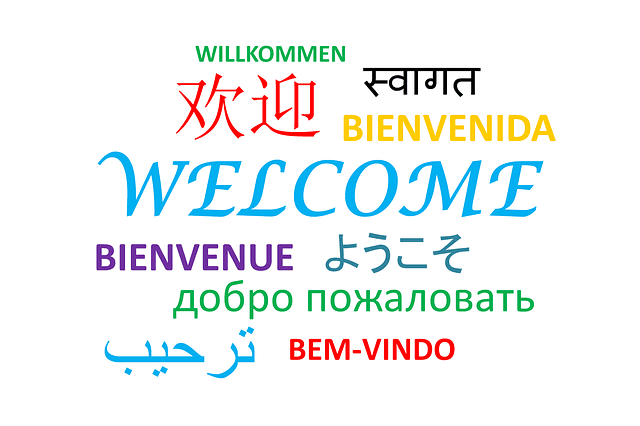
As awkward as it was, that moment taught me two things: 1) pronunciation matters and 2) trying to speak the local language—even badly—is always better than not trying at all.

Since then, I’ve fumbled through ordering dumplings in Mandarin, asking for directions in mauling Spanish , and negotiating prices in Arabic with dramatic hand gestures.

Learning a new language for travel doesn’t mean mastering grammar overnight. 

It’s about connecting, showing respect, and having a good laugh when things inevitably go sideways. 

In this post, I’ll share fun and practical language learning tips for travelers that helped me survive—and even thrive—while globe-trotting tongue-tied. 

If you’re prepping for a world trip, these tips are your shortcut to speaking just enough to charm locals, avoid tourist traps, and maybe avoid accidentally ordering a baby.


✈️ Why Learning the Local Language Changes Everything

Imagine ordering street food in Bangkok like a local, or asking for directions in Paris en français—you’ll experience travel on a whole new level.

Learning even just a few key phrases can lead to authentic encounters, new friendships, and smoother adventures.

🧠 Quick, Fun & Smart Language Learning Tips

1. 🗣️ Start With Travel-Friendly Phrases

Forget full grammar drills—start with what you’ll actually use:

  • Hello / Goodbye

  • Thank you / Please

  • How much?

  • Where is the bathroom?

  • I don’t speak [language] well.

  • Do you speak English?

👉 Tip: Create flashcards or use an app with audio to hear the correct pronunciation.

2. 📱 Download the Right Apps Before You Go

Use dead time (waiting at the airport, bus rides) to practice!

  • Duolingo – Fun, gamified learning

  • Memrise – Real-life phrases taught by native speakers

  • Babbel – Structured lessons great for short-term travel prep

  • Google Translate – A must-have for on-the-go translations

.

3. 🧳 Pack Some Language Tools

Consider these mini helpers in your carry-on:

  • Phrasebook (old school but gold)

  • Translation earbuds (like Timekettle or Pocketalk)

  • Offline dictionary on your phone

  • Sticky notes (label your surroundings at home pre-trip!)

App Cost Features Offline Capability
Duolingo Free + Premium Gamified lessons, streaks, wide range of languages Limited
Memrise Free + Premium Native speaker videos, real-life phrases, courses Yes (Premium)
Babbel Subscription Structured lessons, grammar focus, conversation skills Yes
Google Translate Free Instant translation, voice input, camera text translation Yes

4. 🎭 Learn with Local Media Before You Fly

Get a feel for rhythm and pronunciation by:

  • Watching Netflix shows or movies with subtitles

  • Listening to music or local radio stations

  • Following TikTok or YouTube creators from your destination

👀 Pro Tip: Sing along to songs or mimic scenes from shows—it’s silly but powerful for memory!


5. 👯‍♂️ Practice With Real People

  • Language exchange meetups (search Meetup.com or Tandem)

  • Talk to staff at local restaurants that serve the cuisine of your destination

  • Use the “HelloTalk” app to chat with native speakers abroad

💬 Even trying just a few words gets locals smiling!

                                

Our cultural understanding of things can sometimes be a problem. We know what we like, and we like what we know. It’s human nature.


So, we follow our groove. The issue comes when we are oblivious to the fact that we are somewhere foreign. What we may think is normal can be completely abnormal to the locals. We need to be aware.


As an English speaker, I’ll confess we can be a bit cocky about our global “lingua franca.” We almost expect the world to bend its tongue for us.


I’ve lost count of the times I’ve watched ship guests barrel into a local café and, realizing the barista doesn’t understand English, crank their voices up to full throttle—like volume is the secret key to translation.


They’re not angry, just desperately hopeful. But to the unsuspecting local, it’s a bewildering—and frankly, alarming—ambush of decibels. Suddenly “coffee, please” sounds like a sonic boom.


The lesson? Awareness is everything. Before you crank up your vocal volume—or worse, barrel ahead assuming everyone shares your frame of reference—pause for a second. Take a breath. Smile. 


A few words of the local language, spoken softly and respectfully, will go so much further than shouting in your comfort zone. 


Because true travel isn’t about imposing your world on theirs; it’s about stepping into theirs. And that starts the moment you remember you’re not back home anymore.


6. 💡 Learn Cultural Context Alongside Language

Understanding gestures, customs, and etiquette is just as important as the words.

For example:

  • A thumbs-up might be offensive in some cultures.

  • Saying “no” too directly can be rude in certain countries.

7. ⏱️ Set Realistic Goals: Learn the “Travel Core 30”

Set a goal to master 30 travel-relevant phrases before your trip.

✅ Add them to your notes app
✅ Practice them daily with audio
✅ Use them in real conversations


🏆 Bonus: Language Hacks for the Lazy Traveler

  • Label everything in your house with post-its before your trip

  • Mirror talk: Speak to yourself every morning (yes, really!)

  • Change your phone’s language settings (for the brave)

  • Keep a mini phrasebook on your lock screen

Wrapping It Up

You don’t need to be fluent to connect with the world—you just need to try. A few words, a smile, and a willingness to learn open more doors than any passport ever could.

Have a “lost in translation” story to share?  Please do, in the comments below..

The World Travel Series

This article is part of our comprehensive world travel series, learning how to get on your adventure from A to Z. See the full curriculum here

Leave a Reply

Your email address will not be published. Required fields are marked *