Free Spirit Travel
Free Spirit Travel
Around The World With Rob
Free Spirit Travel

UPOLU AND SAVAIʻI • ARRIVE CURIOUS

Samoa Travel Guide: Make Room for Village Life

A beach can bring you to Samoa. Understanding a little of village life can change the visit. This Samoa travel guide begins with both: the swimming places and coastal stays you want to see, and the everyday customs that deserve your attention.

Upolu and Savaiʻi are the usual starting points for planning. Choose bases that give you time for the coast, local food and inland outings, rather than a daily race around the map. Before visiting a beach or attraction, ask about permission and any entrance fee.

Samoa is a place to be a considerate guest. Learn when a village pauses for prayer, take appropriate clothes beyond the beach, and ask before photographing people. None of that is difficult; it simply means the holiday isn't only about us.

By Rob Editorial review: November 2026 Currency: WST (Samoan tālā) Region: Oceania / Polynesia
Samoa beach with palms and white sand
Samoa: choose the experiences that matter to you, then make room to enjoy them.

Samoa: the decisions that matter

  • Compare an Upolu stay with a two-island journey that includes Savaiʻi.
  • Check ferry arrangements and allow enough nights to make changing islands worthwhile.
  • Ask permission at beaches and village sites, and carry cash for fees where required.
  • Learn about evening sa from your host before walking through a village.
  • Plan a quieter Sunday and check which services and attractions will open.
  • Before booking a beach fale, understand the sleeping, privacy, meal and bathroom arrangements.

One island properly, or two with time to settle

Scenic Samoan coastline with palms and blue water
In Samoa, route simplicity beats itinerary density almost every time.

Upolu offers a starting point for Apia, coastal stays and inland outings. Adding Savaiʻi can broaden the journey, but only if the ferry and road travel leave enough time to enjoy staying there.

Ask your accommodation about realistic day trips and local access. A route built from a list of famous swimming spots can miss the very village life that gives Samoa its character.

Beach stays, inland outings and local life

Pick your primary mood first. Then add one complementary mode so the trip feels complete.

Lagoon & Slow Beach Samoa

You want open-water swims, easy beach days, village tempo, and low-pressure evenings. As a result, this is the “recover, breathe, reset” version of Samoa.

Plan like: fewer transfers, earlier starts, longer afternoons.

Road + Nature Samoa

You want waterfalls, coastal loops, viewpoints, and natural pools. In particular, it is a great option if you like active days with soft landings.

Plan like: one major outing per day + one recovery block.

Culture + Local Rhythm Samoa

You want markets, village rhythm, and local food moments over “big attraction” pressure. As a result, it can give you lasting memories of Samoa.

Plan like: flexible mornings, community-respect mindset, no rushed evenings.

Rob’s aside

The village has pressed pause

You're on holiday, the light is lovely, and you're about to wander through the village. Then the bell sounds.

Samoa's evening prayer observance, sa, is a moment to pause movement through the village and follow local guidance. Ask your host about the timing where you're staying.

There's something rather thought-provoking about a community being able to stop together while the rest of us struggle to leave an email unanswered for ten minutes.

Read more: Samoa Tourism: village protocols

When to visit Samoa: tropical seasons and rainfall
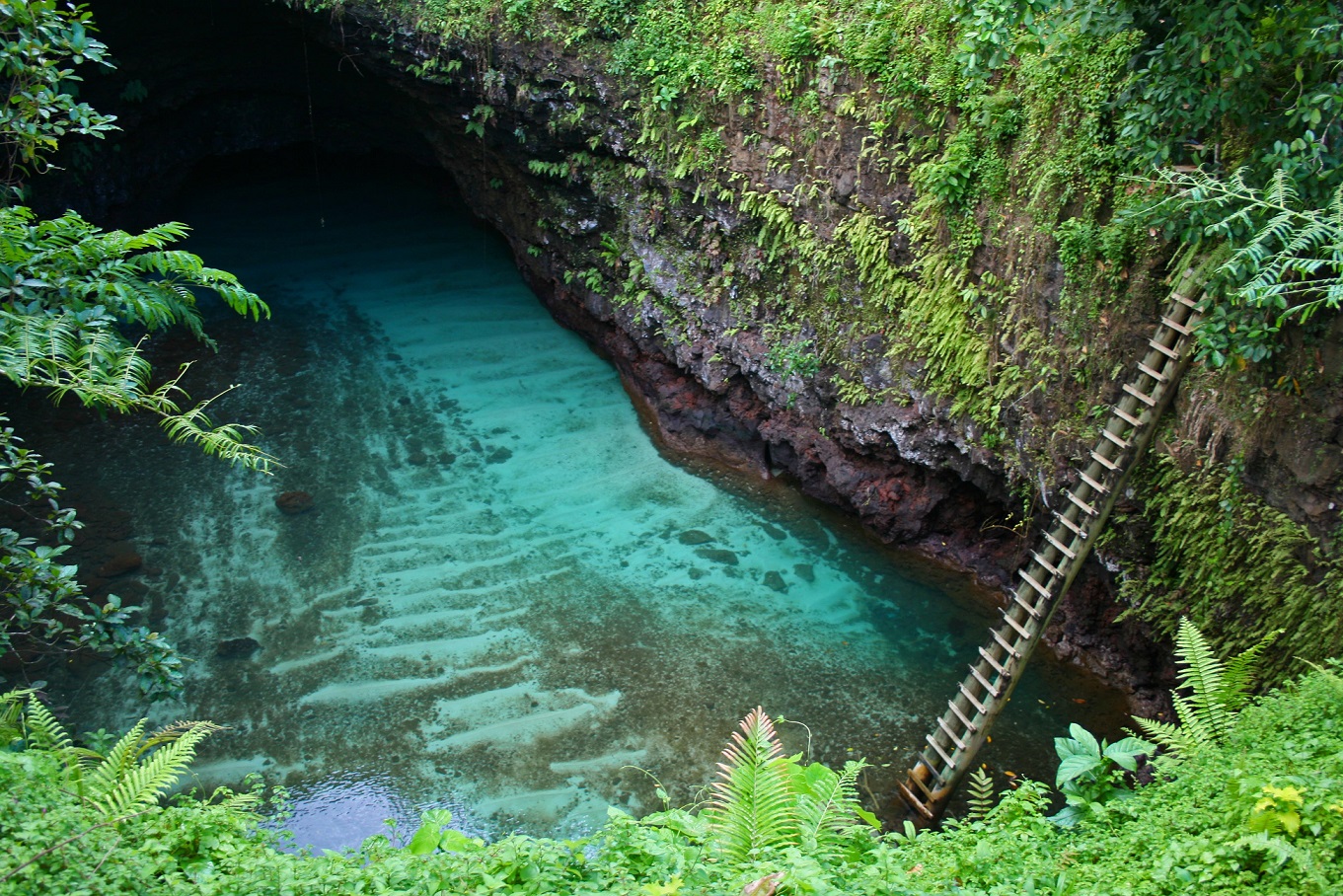
To Sua Ocean Trench in Samoa
Season timing matters in Samoa: drier and wetter windows can change your daily flow.
  • Summer (Dec–Feb): Tropical heat and wetter conditions; build in weather flexibility.
  • Autumn (Mar–May): Transition period; still humid, but can be a good shoulder window.
  • Winter (Jun–Aug): Drier, often easier for road loops and outdoor days.
  • Spring (Sep–Nov): Warm and generally strong for mixed beach + activity itineraries.
Keep in Mind

In practice, most travelers treat Samoa as a dry-season vs wet-season planning destination (typically drier May–October and wetter November–April).

Swimming, roads and practical safety

Samoa is very manageable when you respect ocean conditions, road pace, and weather realities.

Water and weather basics

  • Check local conditions before swim sessions in ocean or trench/rock-pool spots.
  • Prioritize reef-safe habits, hydration, and sun protection every day.
  • During wetter months, keep backup plans for heavy-rain days.
  • Don’t force exposed-water plans in poor conditions.

Road and transfer safety

  • Drive with patience; village zones and road conditions reward conservative speed.
  • Leave margin around ferry/transfer days.
  • Avoid fatigue-driving after long activity days.
  • Use seat belts and keep to local road rules.

Emergency setup that takes one minute

  • Emergency number: 911 in Samoa.
  • Save accommodation details offline for quick navigation or support.
  • Keep travel insurance active, especially for multi-island legs.
  • Share day plans when heading to remote coastal areas.

Village manners worth learning

Apia waterfront in Samoa
Town days work best when you mix practical errands with unhurried neighborhood time.
  • Plan fewer hard transitions. Multi-stop island days look simple but add up quickly.
  • Protect your ferry day. Keep it light and flexible.
  • Start early for nature days. Better light, calmer conditions, better pace.
  • Carry cash backup. Helpful for smaller local purchases and village-side stops.
  • Respect local spaces. Ask before photographing people or private/community settings.
  • Don’t stack everything into one day. One major outing + one easy block is the winning formula.
  • Offline maps matter. Useful when signal quality shifts outside main town zones.
  • Pace beats pressure. In Samoa, that’s where the real trip quality lives.
Rob’s take

If your itinerary feels “efficient,” it may already be too tight. Therefore, cut one transfer and your whole trip usually improves.

Entry, money, driving and the ferry

Samoa becomes easy when you lock five basics early: entry, customs, money, emergency setup, and transport rhythm.

Entry rules & permit reality

Samoa’s official travel guidance notes that stays under 60 days generally don’t require a pre-entry permit, with conditions such as passport validity and onward/return travel evidence. Nationality-specific rules can differ, so always verify before booking non-refundable plans.

Emergency and support basics

Save 911 for emergencies and keep your accommodation details saved offline. Also, check weather guidance before water-heavy days.

  • Emergency: 911
  • Driving side: Left
  • Seat belts: Mandatory per Samoa travel advice

Driving notes for visitors

In Samoa, drivers use the left side of the road. If you rent a vehicle, drive calmly and avoid turning long loop days into deadline races.

Reminder

Your safest trip is rarely your fastest trip. Therefore, keep margins in the plan.

Samoa itinerary ideas without the rush

Pick one structure and commit. In other words, Samoa rewards clarity, not complexity.

Plan A: Upolu Focus + Short Savai'i Add-on

  • Why: Smooth first-timer structure with easier logistics.
  • Do: 4–6 nights Upolu + 2–4 nights Savai'i.
  • Rule: Keep one buffer block around transfer day.
Who it suits

First-time visitors who want variety without overloading the itinerary.

Plan B: Savai'i-First Slow Travel

  • Why: Best for calm pace, beach rhythm, and space.
  • Do: Longer Savai'i stay + short Upolu finish.
  • Rule: Don’t overbook activity days; let weather lead.
The win

Lower decision fatigue, better rest, stronger “this is why I came” feeling.

Plan C: One-Island Deep Dive

  • Why: Lowest transit fatigue and best immersion.
  • Do: 7–10 nights single-island with 2–3 mini-zones.
  • Rule: Balance one active day with one softer day.
Why it works

Fewer moves = stronger daily flow and usually better value.

What to include in your Samoa budget

Traditional Samoan fale near coastline
Samoa is usually better value when your pace is deliberate and base changes stay low.

Samoa is often more affordable than people expect, but pacing still drives spend. For example, constant transfers, late bookings, and “all-day, every-day” activities can inflate costs quickly. By contrast, slower clusters, smart food rhythm, and fewer move days keep both quality and budget under control.

  • Accommodation strategy: Simple stays can be strong value; comfort-tier rises with location and inclusions.
  • Food strategy: Mix local casual spots with a few signature meals; avoid defaulting to premium every night.
  • Transport strategy: Plan loop days by zone to reduce backtracking and fuel/taxi waste.
  • Activity strategy: Pair paid highlights with low-cost beach, market, and village-rhythm days.
Reality Check

If Samoa feels expensive, it’s often a pace problem first, not a destination problem.

Price the whole trip: Compare accommodation, meals, baggage, transfers and activities for your dates. Sample days below illustrate different paces; they are not current price quotations. A quieter day is not automatically a cheaper one.

🇼🇸 Samoa Daily Rhythm Comparison

How pace changes both energy and spend

Relaxed
1–2 anchors
8:00 AM
☕ Slow breakfast + beach setup
10:00 AM – 1:00 PM
🌴 Swim + local coastline stop
1:30 PM
🥗 Light lunch + shade reset
4:00 PM
🌅 Golden-hour beach walk
7:00 PM
🍽️ Dinner + early close
Energy:
Moderate
3–4 anchors
7:00 AM
☕ Early start + road loop prep
8:30 AM – 2:00 PM
🚗 Waterfall / coast combo outing
2:30 PM
🥪 Late lunch + short recovery
4:30 PM – 6:30 PM
📷 One focused stop before sunset
8:00 PM
🍽️ Dinner + plan tomorrow
Energy:
Intensive
5+ anchors
6:00 AM
☕ Quick start + transfer pressure
7:30 AM – 2:00 PM
⛴️ Transit + check-in + road shuffle
2:30 PM
🍔 Fast meal between stops
3:30 PM – 8:30 PM
🏁 Compressed attraction sprint
9:30 PM+
😵 Late finish + heavy fatigue
Energy:

A beach fale afternoon without a stopwatch
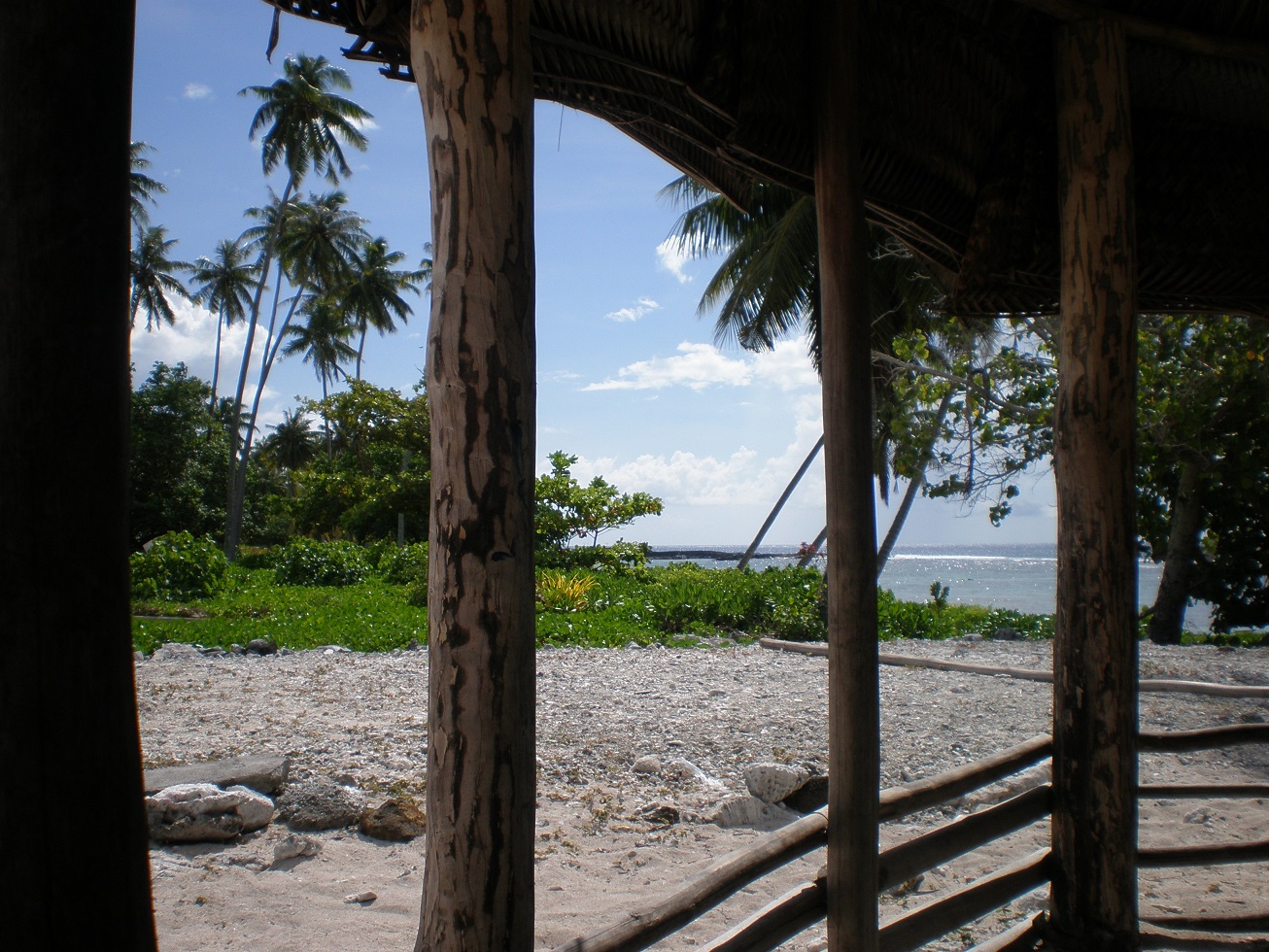
Beach fale on Savai'i Samoa
Some of Samoa’s best moments come from slowing down long enough for the place to meet you.

A beach fale stay can give you the pleasure of being near the sea without planning every hour. Check what the accommodation provides, including bedding, privacy, meals and bathroom arrangements.

Ask your hosts about the beach and safe swimming conditions. Then give yourself permission to do very little for a while. That was probably part of the attraction.

A beautiful beach still has a host

Samoa Tourism explains that beaches and lagoons often come under village ownership or customary rights. Ask before entering, and carry cash for an entrance fee where one applies.

Sunday also deserves planning: many businesses and attractions close, while some resorts and restaurants remain open. Check locally, and let it be a quieter day rather than treating the closures as a personal inconvenience.

Samoa Tourism: cultural protocols

Would Samoa suit your next trip?

Samoa is a good match if beaches and scenery appeal alongside an interest in village life and local customs. Courtesy and curiosity help you enjoy both.

If you want unrestricted access to every beach, swimwear everywhere and activities on demand every day, adjust those expectations before booking. Being a guest means sharing the place on terms that also work for the people living there.

Samoa travel questions

Quick answers to what people actually ask before booking.

Is Samoa safe for tourists?

Generally yes for most travelers using practical caution. However, ocean conditions, weather windows, and road pacing all need care.

Do I need a visa or permit for Samoa?

Samoa’s official guidance indicates many short stays do not require a pre-entry permit, but passport validity and onward/return proof are typically required. However, always confirm your nationality-specific rules before departure.

What’s the best time to visit Samoa?

Many travelers prefer the drier May–October window. November–April is typically wetter, so plan with more weather flexibility.

How many days do I need for Samoa?

Seven to ten days is a strong first trip. However, eleven to fourteen days gives better island rhythm and less transfer pressure.

What currency does Samoa use?

Samoa uses the Samoan tālā (WST), which is divided into 100 sene.

What emergency number should I save in Samoa?

Save 911 for emergencies in Samoa.

Can I drive in Samoa as a visitor?

Yes, with proper local compliance. Samoa is left-side driving, and a calm pace is the right approach for island roads.

Should I do both Upolu and Savai'i in one trip?

Yes, if your timeline supports it. However, keep base count low and avoid overloading transfer days.

Join the conversation

Planning Samoa? Share your draft route, island split, and timeframe — and if you’ve already been, add your practical wins (especially pacing, transfer strategy, and local-cost tips) so other travelers can plan with less stress.

Keep exploring

Compare Oceania destinations

Australia travel guide →

New Zealand travel guide →

Fiji travel guide →


Plan the bigger journey

The free World Travel Course helps turn a travel idea into a practical plan.

Explore the course →

Back to top ↑

Leave a Reply

Your email address will not be published. Required fields are marked *