BEYOND THE SUN LOUNGER • FIJI ON YOUR TERMS
Fiji Travel Guide: Find Your Island, Then Unpack
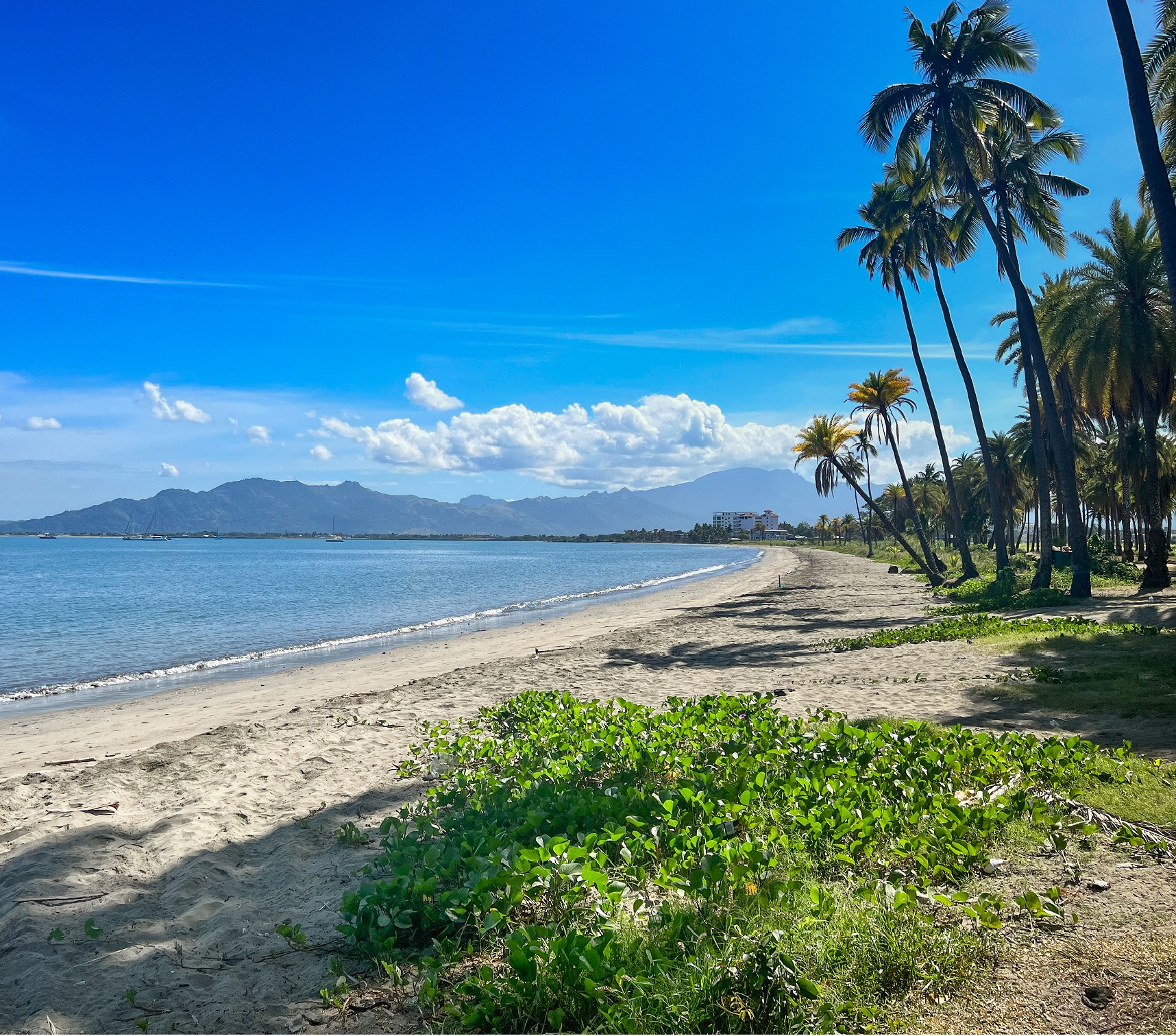
Fiji is very good at selling a beach. Choosing which beach—and how to reach it—is where the useful conversation begins. This Fiji travel guide helps you compare island stays, mainland exploring and the transfer that stands between the airport and your first proper swim.
Viti Levu offers more than a night before the boat. Meanwhile, the Mamanucas, Yasawas, Vanua Levu and Taveuni offer different combinations of reef, scenery, accommodation and access. Pick according to what you want to do and what the whole stay will cost.
A resort can be exactly the right holiday. However, make room to learn about the place around it: village protocols, local food and the people hosting you. The pool will still be there when you get back.
Fiji: the decisions that matter
- Choose the island or mainland base before comparing individual room photographs.
- Confirm how your international arrival connects with the resort boat, ferry or domestic flight.
- Include meals, drinking water and transfers when comparing accommodation.
- For a village visit, ask about permission, dress and local expectations before arriving.
- Let the operator's advice and current sea conditions decide water outings.
- There is no requirement to island-hop: one well-chosen stay can be a complete holiday.
Choose the water journey as carefully as the room
A Viti Levu base can work well if you want road outings and fewer transfers. The Mamanucas and Yasawas need a closer look at boat or flight connections, meal arrangements and the sort of accommodation you prefer.
If Taveuni or Vanua Levu is the real attraction, start there in your planning. You do not need to add another island simply because a sample itinerary did. Ask how your arrival connects to the property before making a non-refundable booking.
What do you want beyond the beach?
First pick the experience you want most, then add one contrast. That way, your route stays manageable.
The Reef Reset Fiji
You want water clarity, soft-sand afternoons, and simple days that run on ocean time. Best fit: Mamanucas or Yasawas.
Plan like: 4–6 island nights, minimal transfers, sunrise snorkeling rhythm.
The Adventure + Nature Fiji
You want hikes, waterfalls, reef + rainforest, and a bit more movement. Best fit: Coral Coast + Pacific Harbour + Taveuni/Vanua Levu combo.
Plan like: 2 mainland bases + one outer island.
The Culture + Coast Fiji
You want local rhythm, markets, community encounters, and coastal downtime. Best fit: Suva side + Coral Coast + one island stay.
Plan like: slower mornings, fewer checklists, intentional village etiquette.
Rob’s aside
Your sun hat may need a day off
Packing for Fiji tends to involve sun cream, swimwear and a hat large enough to establish its own shade policy.
Then a village visit calls for a different approach. Tourism Fiji advises visitors to remove hats and sunglasses as a mark of respect, dress modestly and ask before taking photographs.
A useful reminder: holiday mode doesn't suspend manners. Ask your guide what is appropriate before arriving, and you'll spend less time wondering what you've just got wrong.
Read more: Tourism Fiji: village etiquette
When to visit Fiji: rain, wind and demand

- Dry season (May–October): Expect cooler, generally drier conditions, although rain and sea conditions still vary by location.
- Shoulder months (April/November): Weather can be mixed, so check forecasts and compare prices.
- Wet season (November–April): Warmer, more humid, heavier rain bursts, and weather variability.
- Cyclone season: Usually November to April, though storms can occur outside those months. Therefore, keep plans flexible and follow official forecasts.
In Fiji, flexibility beats perfection. Because transfers depend on weather, leave a spare day where possible.
Ocean conditions, weather and personal safety
Fiji is generally welcoming and relaxed, but a few practical habits make a big difference.
Personal safety basics
- In busy transit and nightlife areas, keep your usual city awareness.
- Don’t leave valuables visible in vehicles or on open beaches.
- For late arrivals, arrange your airport transfer before you land.
- Also keep digital copies of your passport, insurance, and bookings.
Ocean and weather safety
- Before entering the water, check currents, wind, and local marine advice.
- Use reef shoes where coral/rock entries are sharp.
- Follow your operator’s guidance during snorkeling and boat trips.
- During wet/cyclone season, keep buffer days and monitor official weather updates.
Village visits and everyday practicalities
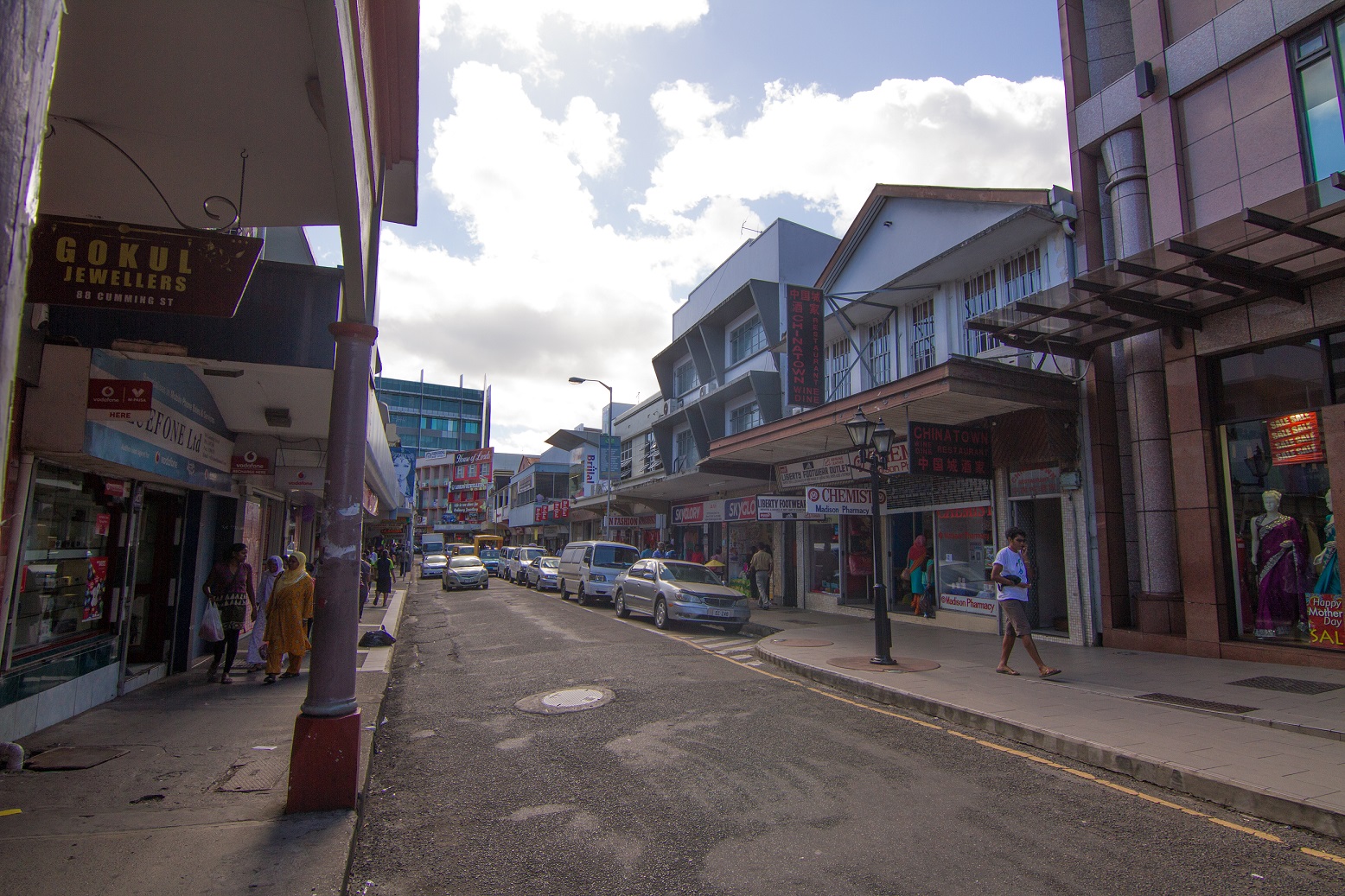
- “Fiji time” is real. Allow extra time, especially when a connection matters.
- Sunday rhythm is slower. In smaller communities, some services may run less often.
- Village etiquette matters. When visiting communities, dress modestly and follow local customs.
- Reef-safe sunscreen matters. Protect your skin and reduce reef impact.
- Cash still helps. Although cards are common in tourist areas, smaller operators may prefer cash.
- Mosquito prep is non-negotiable. Use repellent and light evening cover, especially where mosquitoes are active.
Fiji’s welcome is warm. In return, take time to learn local customs, especially when visiting communities.
Entry, money and island transfers
Sort the practical details early so you can relax once your trip begins.
Entry and travel documents
Because entry rules vary by nationality and can change, check official requirements before departure. Also keep your onward travel and accommodation details ready.
Money and everyday costs
Fiji uses the Fijian dollar (FJD). Major tourist hubs support cards, but cash remains useful for smaller vendors, local transport, and some activity operators.
Power, SIMs, and emergency prep
Fiji commonly uses Type I plugs and a 240V system, so check your devices before you pack. Before a multi-leg transfer, set up a SIM or eSIM if you need connectivity.
- Emergency: 911; police: 917; fire: 910. See the Telecommunications Authority of Fiji’s emergency numbers.
- Health + insurance: keep digital policy docs accessible offline
Getting around without chaos
Inter-island travel involves ferries, flights, and resort transfers, depending on your route. Allow a buffer between major legs, especially when weather could disrupt a connection.
Transfer days are real travel days, so keep the schedule light.
Three ways to build a Fiji holiday
First choose your pace. Then build a route that matches it.
Easy First-Timer Loop
- Do: Nadi (2) → Coral Coast (3) → Nadi (1–2)
- Why: A straightforward mix of beach time and activities, with fewer transfers.
- Best for: A good fit if you want a first trip with varied interests and less stress.
Reef-Forward Escape
- Do: Nadi (1) → Yasawas/Mamanucas (5–7) → Nadi (1)
- Why: More water time, with fewer interruptions.
- Best for: Ideal if you want snorkeling, diving, and time to unwind.
Culture, Coast and Nature
- Do: Nadi/Coral Coast (3–4) → Suva side (2) → Island leg (3–4)
- Why: A broader view of Fiji, without rushing through every stop.
- Best for: A useful choice if you are returning or have more time.
The room rate is only part of the bill
Fiji can feel expensive when you move often, particularly if you rely on premium transfers. But it becomes far more manageable when you stay longer in each base and mix higher-cost days with lighter local days.
- Budget style: guesthouses/local stays, fewer transfers, simple meals.
- Mid-range style: mix of comfortable resorts + selected excursions.
- Comfort style: premium island stays, private transfers, higher activity density.
- Cost lever #1: number of inter-island transfer days.
- Cost lever #2: accommodation tier and meal plans.
In Fiji, pace affects your budget. Fewer transfers can save money, although resort and meal prices still matter.
Price the whole trip: Compare accommodation, meals, baggage, transfers and activities for your dates. Sample days below illustrate different paces; they are not current price quotations. A quieter day is not automatically a cheaper one.
🇫🇯 Fiji Daily Rhythm Comparison
How pace changes your day (and your spend)
One water outing, then an afternoon of your own
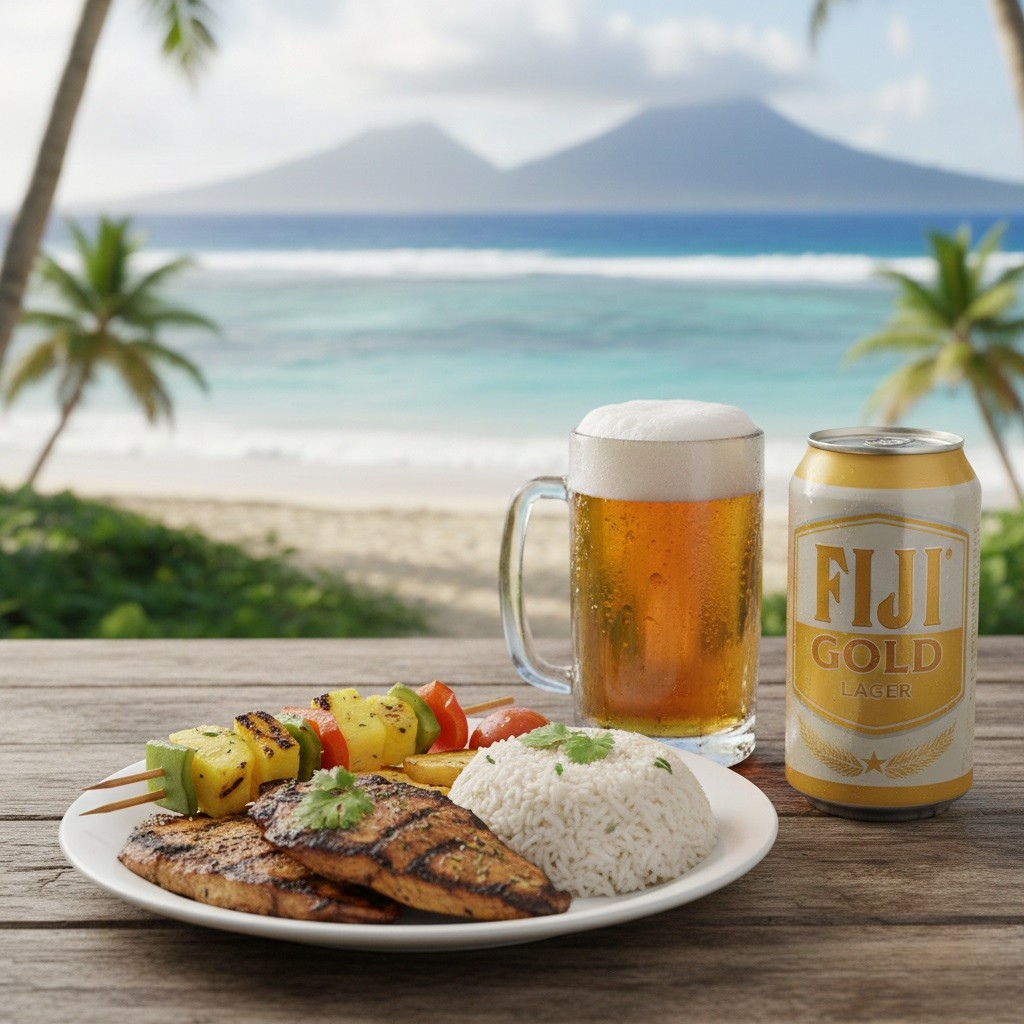
Choose a snorkel, paddle or boat outing according to local conditions and your ability. Ask the operator about currents and visibility; an early start alone doesn't make the water safe.
Afterwards, leave the afternoon open for lunch, a walk or a book. A free afternoon is a perfectly respectable thing to book a holiday for.
Ask what the stay actually includes
Before comparing island accommodation, add meals, drinking water, boat or flight transfers and the activities you expect to take. A cheaper room can become an expensive stay when there is nowhere else to eat.
For a village visit, ask your host or guide about permission, dress and any customary gift. Customs vary, so a friendly question is more useful than arriving convinced you've learned every rule online.
Would Fiji suit your next trip?
Fiji can work for a restful resort stay, a reef-focused holiday or a journey with more village and inland experiences. The important choice is the particular base and property, rather than simply choosing Fiji.
If you need lots of restaurants within walking distance or want to improvise every day's transport, check that your chosen island supports that. A secluded resort may be lovely while offering very little freedom to change plans cheaply.
Fiji travel questions
Here are quick answers to common planning questions.
How many days do I need for Fiji?+
Seven to ten days is a strong first trip. With eleven to fourteen days, you can spend longer on an island.
Is Fiji expensive?+
It can be, especially if you choose frequent transfers and upscale resorts.
What’s the best first-time route?+
Try Nadi, the Coral Coast, and one outer-island stay if you have enough time for the transfers.
When is the best time to visit Fiji?+
Many travelers prefer the drier months, roughly May to October. However, weather varies, so check the forecast before booking activities.
Can I rely on cards everywhere?+
Cards are common in many tourist areas, but cash is still useful in smaller or more local settings.
What should I verify before flying?+
Before flying, check entry requirements for your passport, weather, transfer schedules, and insurance.
Keep exploring
French Polynesia travel guide →
Plan the bigger journey
The free World Travel Course helps turn a travel idea into a practical plan.
Join the conversation
Planning Fiji soon? Share your draft route and travel style — reef reset, mixed adventure, or culture + coast. If you’ve been, add your practical tips so the next traveler can plan smarter.