Free Spirit Travel
Free Spirit Travel
Around The World With Rob
Free Spirit Travel

AOTEAROA • THE JOURNEY DESERVES A LOOK-IN

New Zealand Travel Guide: Leave Time to Pull Over

The greatest threat to a New Zealand road-trip schedule may be the view through the windscreen. Another lake comes into view. Beyond it, a mountain. Before long, you’ve found yet another place where you absolutely have to stop. This New Zealand travel guide helps you leave enough time to enjoy those interruptions.

Start with the North Island, South Island or a carefully chosen combination. Geothermal landscapes and Māori cultural experiences may pull you north; alpine lakes and Fiordland may pull you south. However, both islands have far more variety than those convenient labels suggest.

Then check the driving, rather than simply joining dots. Winding roads, changing weather and a short walk that becomes a longer lunch all affect the day. My vote is for a trip with room to pull over safely—and no need to apologise to the itinerary.

By Rob Editorial review: November 2026 Currency: NZD ($)
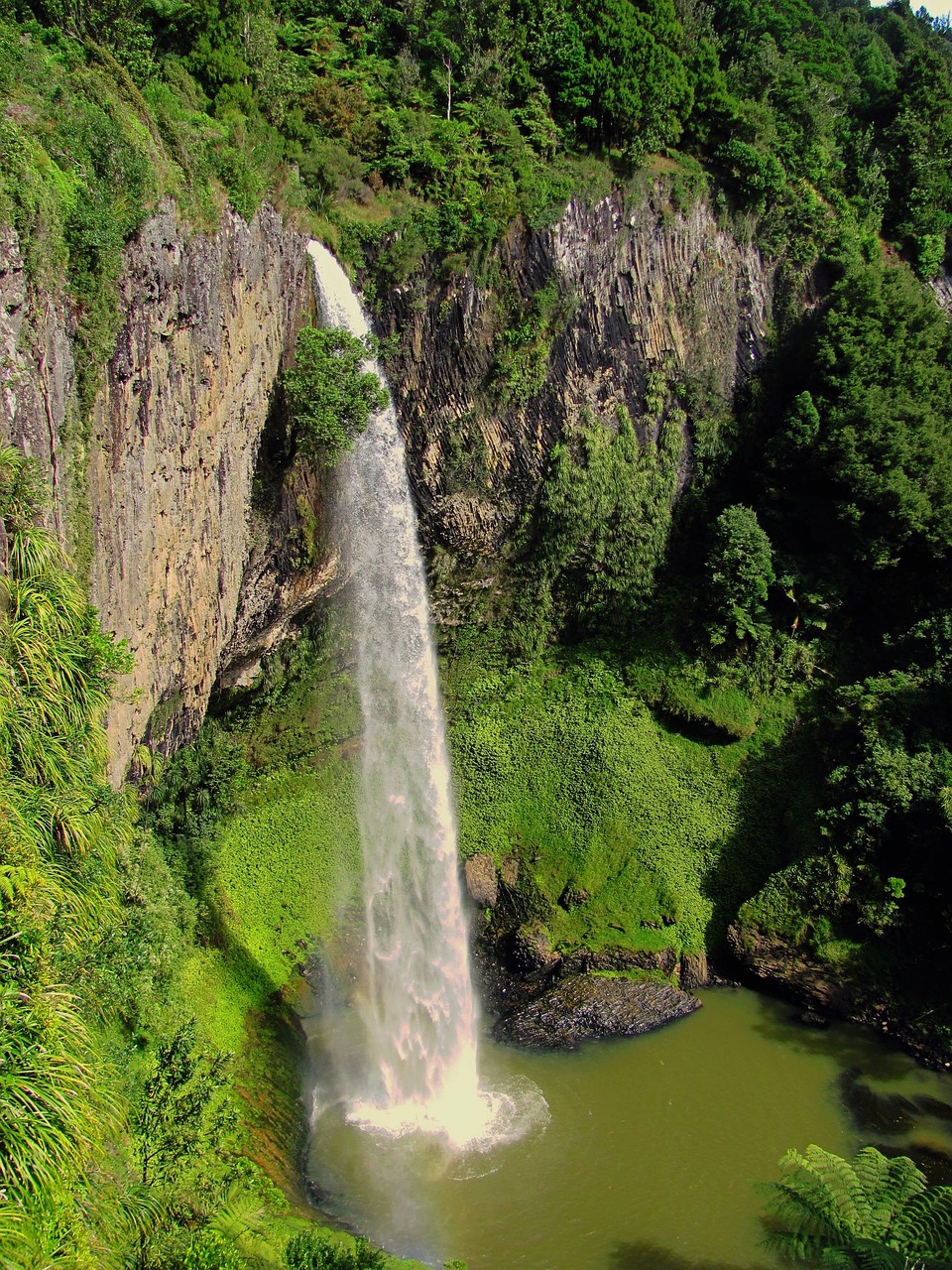
Bridal Veil Falls surrounded by green forest in New Zealand
New Zealand: choose the experiences that matter to you, then make room to enjoy them.

New Zealand: the decisions that matter

  • Choose one island first, then decide whether the second adds enough to justify the connection.
  • Use the North Island for a route shaped around geothermal landscapes, cities and Māori-led experiences.
  • Consider South Island lake country and Fiordland if alpine scenery is the main attraction.
  • Count safe scenic stops, food and rest as part of your driving day.
  • Check DOC track alerts and road conditions rather than relying on a sunny photograph.
  • Budget separately for the vehicle, fuel, accommodation and headline activities.

Two islands, several possible holidays
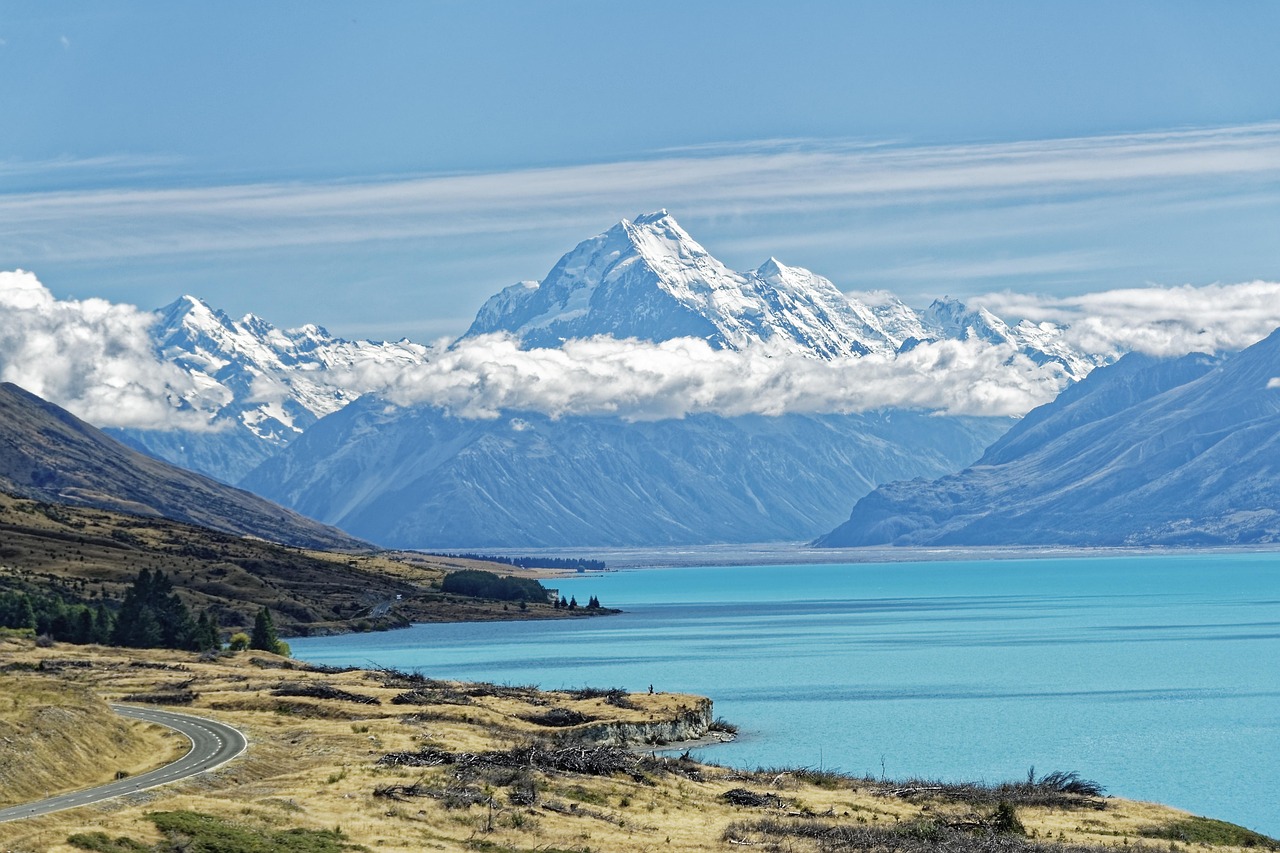
Aoraki Mount Cook and turquoise alpine lake in New Zealand
When you stop over-optimizing and start sequencing your route, New Zealand opens up beautifully.

Choose the North Island for a route that might include Auckland, geothermal landscapes around Rotorua and time in Wellington. For the South Island, consider a smaller selection of lake country, Fiordland and coastal stops. After all, neither island is a single attraction.

For both, count the connection as part of the holiday time. In particular, allow for ferry or flight arrangements, vehicle rules and a change of base. A short trip focused on one island can be far more satisfying than two islands seen largely through glass.

Which landscapes belong in your journey?

First, decide what you most want from the trip. Then layer second and third priorities around it.

Adventure New Zealand (high-energy days)

You want hikes, viewpoints, jet boats, alpine drives, and active days. For example, Queenstown, Wānaka, Aoraki/Mount Cook, and Fiordland could form your shortlist.

Plan like: 2–3 regional bases, early starts, weather backup options.

Nature + Calm New Zealand (slow scenery depth)

You want coastlines, lake towns, short walks, long views, and fewer transfers. For example, consider Coromandel, Abel Tasman, Lake Tekapo, and West Coast stops.

Plan like: longer stays, picnic days, sunset timing.

Culture + Food + Wine New Zealand

You want urban pulse plus local food and wine: Wellington cafés, Hawke’s Bay, Marlborough, and local markets. Then add one major nature leg for balance.

Plan like: city base + vineyard/coast day trips + one alpine highlight.

Rob’s aside

The scenery has no respect for your spreadsheet

There is a particular optimism involved in planning a New Zealand drive: calculate the distance, divide by a respectable speed, and assume lunch will somehow happen while moving.

The road authority specifically warns that journeys can take longer than the map suggests. For example, narrow roads and hills contribute. So does being a human being who occasionally needs to stop.

So leave yourself some margin. You came to look at the place, after all.

Read more: Waka Kotahi: driving as a visitor

New Zealand seasons: choose the experience first
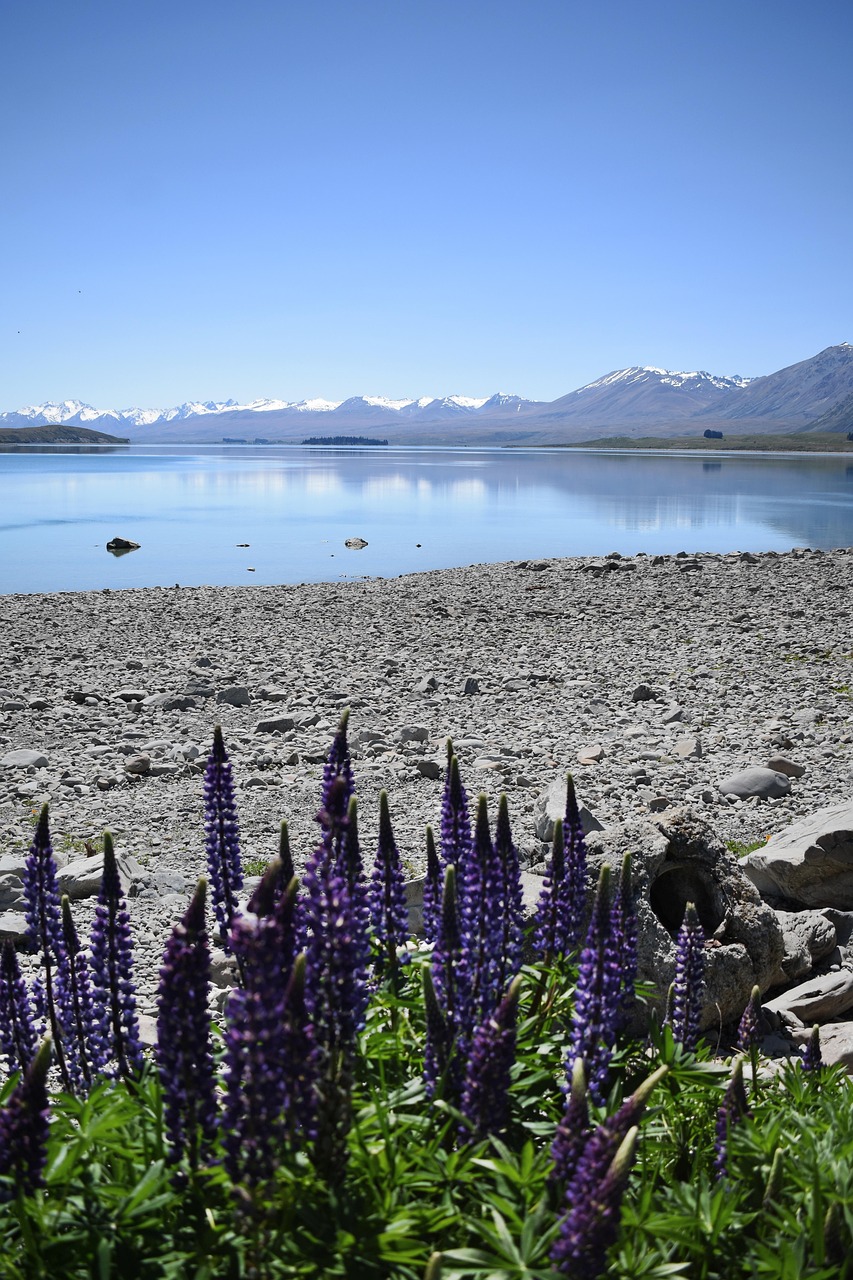
New Zealand seasonal scenery with lake and mountains
  • Summer (Dec–Feb): Longer days, peak demand, and highest prices. Great for road trips, beaches, and mountain viewpoints.
  • Autumn (Mar–May): Consider it for seasonal colour and a different feel from the summer peak. However, check the conditions for your chosen route.
  • Winter (Jun–Aug): Snow regions and alpine towns shine. Therefore, some routes need extra caution and winter gear planning.
  • Spring (Sep–Nov): Wildly beautiful and changeable. So bring layers and keep weather-flex days.
Keep in Mind

Weather swings can happen in one day, especially around alpine and coastal zones. Build flexible plans, not rigid hour-by-hour itineraries.

Practical habits for the road and the outdoors
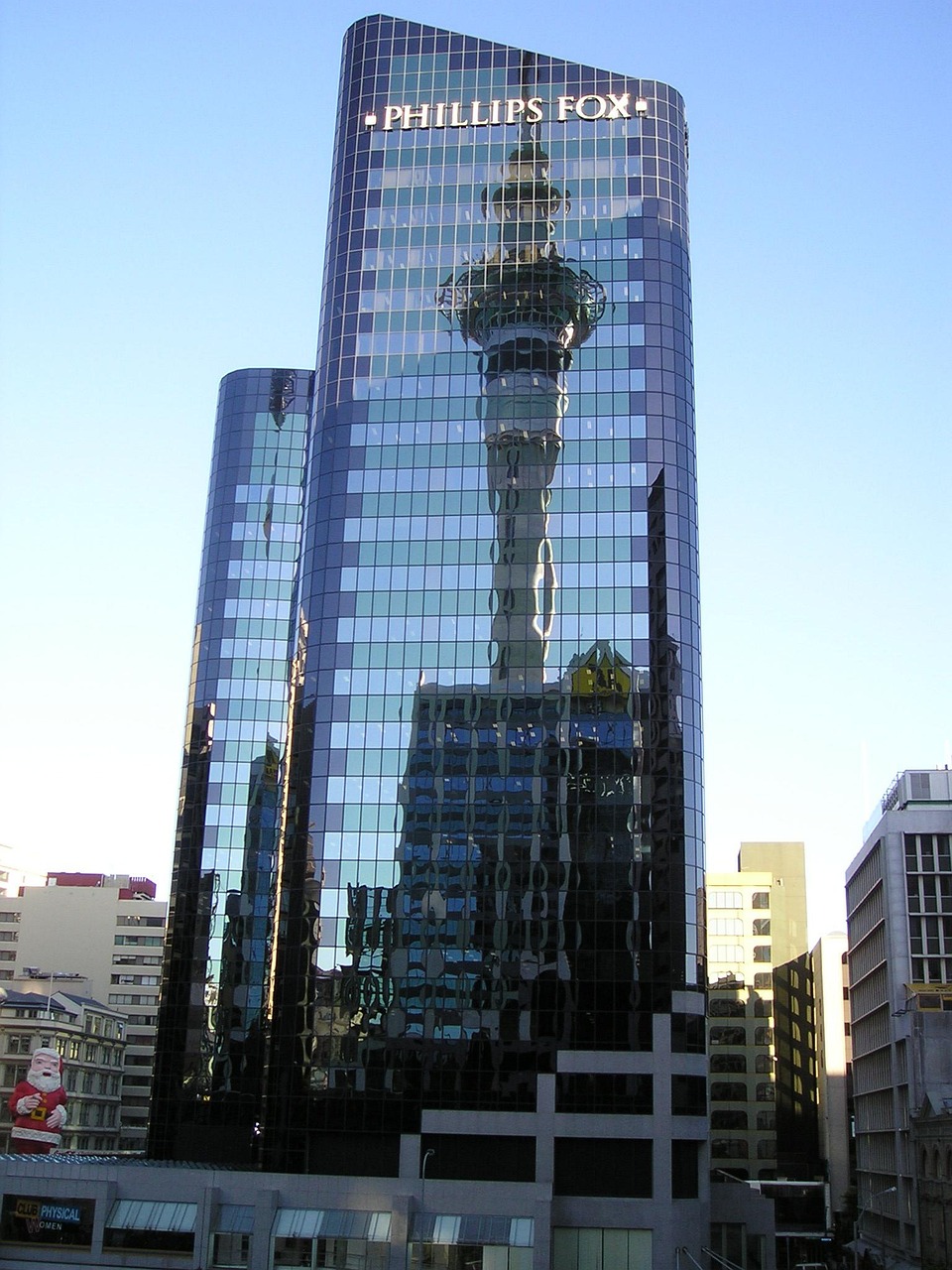
Urban New Zealand Auckland
In New Zealand, good judgment beats aggressive scheduling every time.
  • Road time is real time. Maps understate travel fatigue on winding roads.
  • Book headline nature activities early. Milford, key ferries, and major tracks can fill fast in peak periods.
  • UV can be intense. However, cloudy does not mean safe — sunscreen and hats matter.
  • Respect water conditions. Swim between flags, and don’t underestimate surf or river flow.
  • Biosecurity checks are strict. Declare relevant food/outdoor gear and keep boots clean.
  • Weather pivot mindset wins. If one region closes in, swap day order instead of forcing it.
  • Keep left when driving. Especially at intersections and roundabouts after long flights.
  • Add safety margin to alpine plans. Daylight, layers, and turnaround time matter more than ego.
Reality Check

New Zealand is beginner-friendly if you respect nature and roads. In particular, rushed pacing can make the roads and outdoor conditions harder to manage.

Documents, driving and everyday essentials

Keep the essentials clean: entry rules, declaration process, transport strategy, and safety basics.

Entry basics: visa-waiver travellers usually need NZeTA + IVL

Many visitors can enter on a visa waiver, but most still need an NZeTA before travel. If applicable, the IVL (International Visitor Conservation and Tourism Levy) is commonly paid in the same flow. Therefore, verify your nationality-specific requirements before booking.

If you need a Visitor Visa, stays can be longer than a short waiver

If you need a Visitor Visa, check eligibility, permitted stay and conditions directly with Immigration New Zealand. Requirements depend on your circumstances; do not assume another traveller’s permission applies to you.

Power, connectivity, and emergency numbers

New Zealand uses Type I plugs, and power supply is 230/240V, 50Hz. Emergency number is 111 (police, fire, ambulance). Mobile coverage is strong in main corridors but less reliable in remote wilderness pockets.

  • Emergency (all services): 111
  • Plan remote days: Download offline maps first
  • Adapter tip: Bring Type I plug adapter

Getting around: drive smart, or mix flights + short self-drive loops

Drive on the left, obey the posted limits and allow for narrow, winding roads. Check Waka Kotahi’s current visitor guidance for licence eligibility, translations and rental requirements. Above all, rest after a long-haul arrival before setting off.

Heads Up

If you’re arriving after a long-haul flight, overnight first before picking up a car. Fatigue plus left-side driving is not the combo you want on day one.

New Zealand itinerary ideas with room to stop

Choose one planning style and commit. After all, a clear route beats an overfull wish list.

Plan A: North Island First (first-timer friendly)

  • Why: Easier logistics and strong mix of city + geothermal + coast.
  • Do: Auckland (2) → Rotorua/Taupō (2–3) → Wellington (1–2).
  • Plan Auckland: Auckland travel guide · Where to stay in Auckland.
  • Rule: Add experiences, not extra beds.
Who it suits

First-time visitors, moderate pace travelers, and mixed-interest couples/groups.

Plan B: South Island Classic (big scenery focus)

  • Why: Alpine lakes, mountain drama, and iconic scenic drives.
  • Do: Christchurch (1) → Tekapo/Aoraki (2) → Queenstown/Wānaka (3–4) + Fiordland day.
  • Rule: Keep at least one weather-flex day for fjords and mountain views.
The win

You get maximum visual payoff without route chaos.

Plan C: Balanced Both-Island Loop (12–16 days)

  • Why: Strong variety without the “exhaustion tax.”
  • Do: North anchor (5–6 nights) + internal flight + South anchor (6–8 nights).
  • Rule: Never build a day where travel + activity both run max intensity.
Why it works

You keep contrast high while still preserving recovery rhythm.

Where your New Zealand budget goes

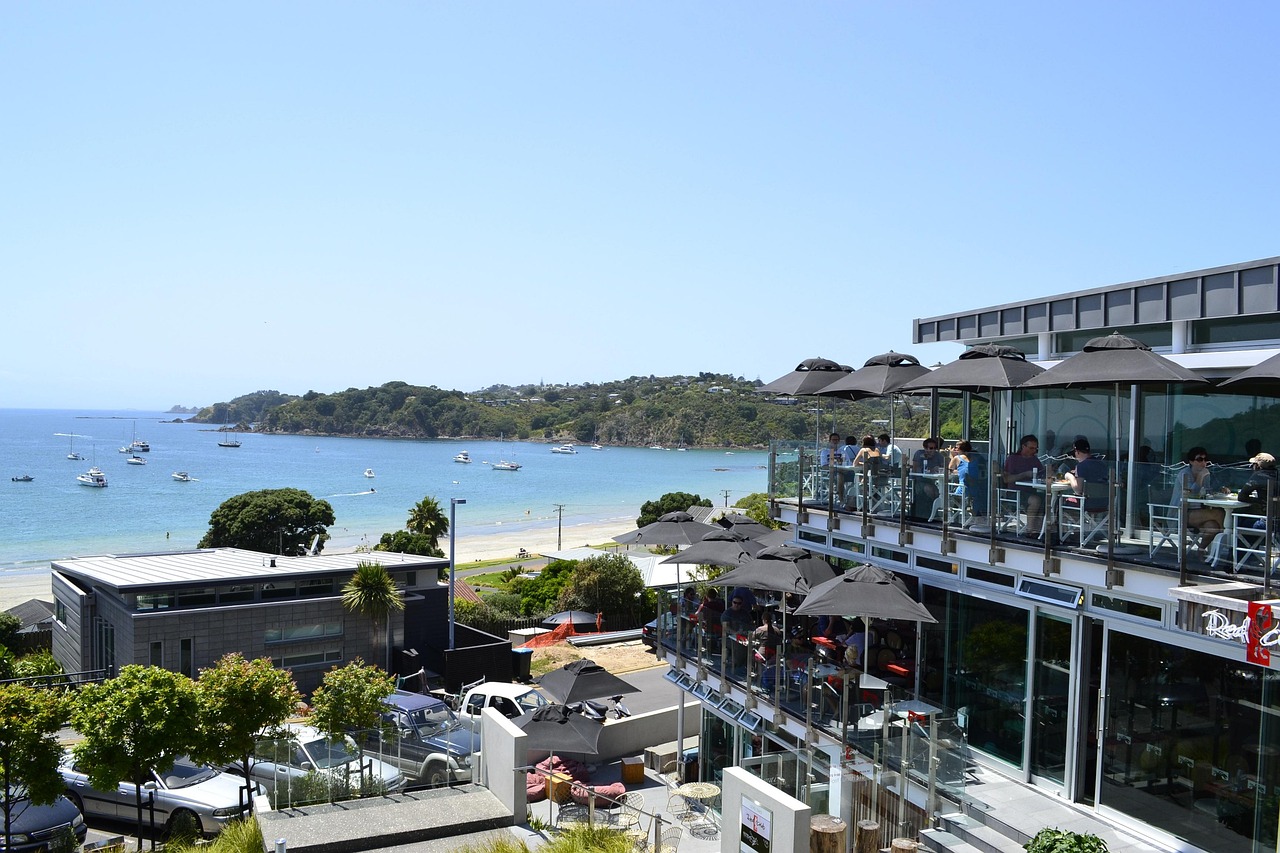
Casual New Zealand café for coffee and local food
Your daily cost in New Zealand is heavily driven by transfer pace and activity intensity.

New Zealand can feel expensive if every day includes long drives, paid headline activities, and last-minute bookings. However, it becomes much more manageable when you slow your base changes, self-cater some meals, and mix premium highlights with low-cost nature days.

  • Accommodation strategy: Hostels/backpackers, simple motels, and apartment stays can cut costs dramatically.
  • Food strategy: Split café meals with supermarket picnics and occasional self-cooking.
  • Transport strategy: Fewer long drives + one strategic domestic flight often beats a forced road marathon.
  • Activity strategy: Pair paid icons (cruises/adventure) with free DOC walks and viewpoints.
  • Planning strategy: Shoulder seasons and early booking lower stress and spend.
Rob’s take

In NZ, pace is your budget lever. Fast trips cost more and feel worse. Slower trips often cost less and feel better.

Price the whole trip: Compare accommodation, meals, baggage, transfers and activities for your dates. Sample days below illustrate different paces; they are not current price quotations. A quieter day is not automatically a cheaper one.

🇳🇿 New Zealand Daily Rhythm Comparison

How your pace changes both your energy and your spend

Relaxed
2–3 anchors
8:30 AM
☕ Slow breakfast + coastal walk
10:30 AM – 1:00 PM
🥾 One scenic short walk (DOC track)
1:30 – 3:00 PM
🥗 Picnic lunch + viewpoint stop
4:30 PM
📸 Golden-hour photo stretch
7:00 PM
🍽️ Easy dinner + early reset
Energy:
Moderate
4–5 anchors
7:00 AM
☕ Early start + transfer
9:30 AM – 2:00 PM
🛥️ Signature activity (cruise / tour / longer hike)
2:30 PM
🥪 Quick lunch + drive segment
4:30 – 6:30 PM
🌄 Scenic pull-offs + check-in
8:00 PM
🍷 Dinner + route prep for tomorrow
Energy:
Intensive
6+ anchors
5:30 AM
☕ Pre-dawn departure
7:00 AM – 1:00 PM
🏁 Long drive + packed sightseeing blocks
1:30 PM
🍔 Fast lunch in transit
2:30 – 8:00 PM
🚗 More transfer + late check-in + short stop
9:30 PM+
😵 Exhausted planning for next day
Energy:

Give lake country an unhurried morning
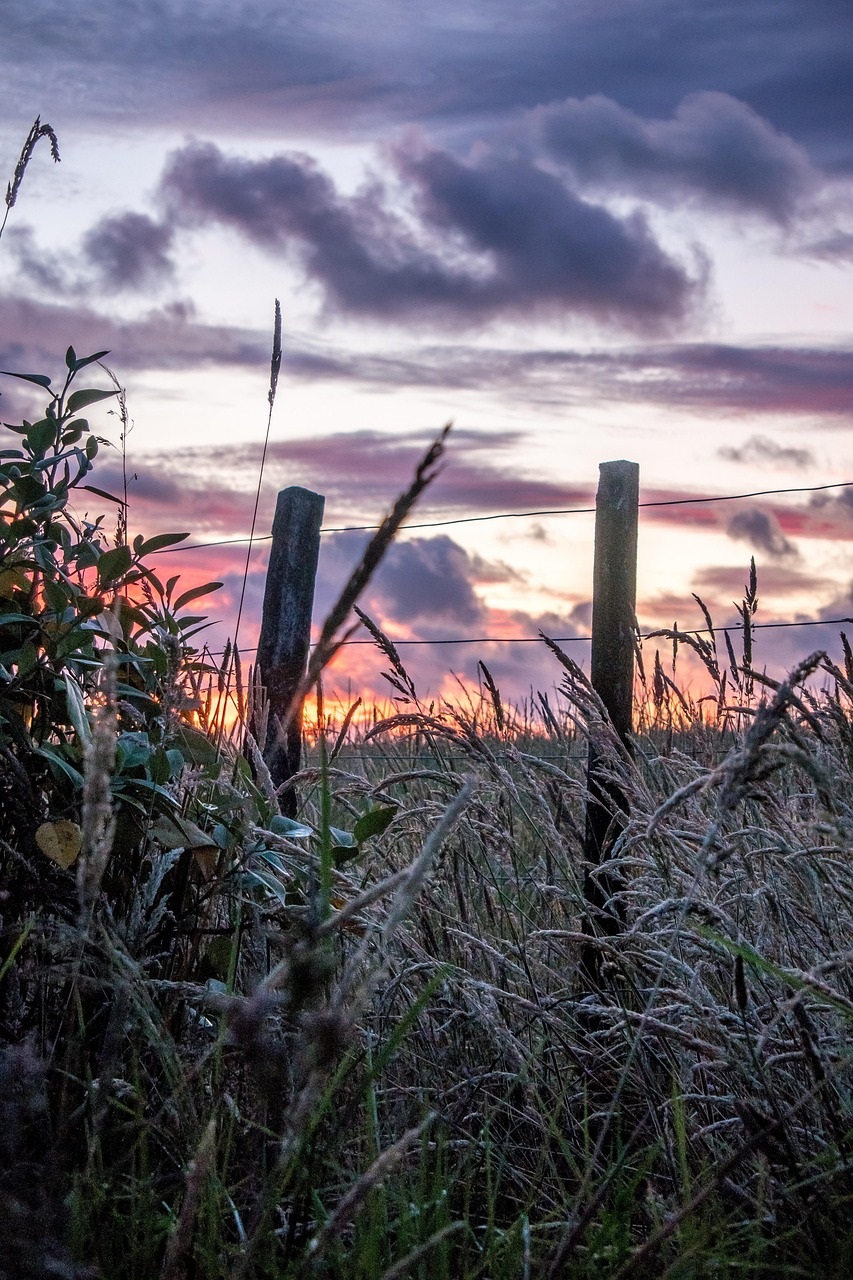
Sunrise in New Zealand
One unrushed morning in lake country can reset your whole trip rhythm.

Choose a lake-town morning with nothing booked before lunch. Check the forecast, ask about an easy local walk, and let the day begin without immediately loading the car.

After all, that isn't a wasted morning. It may be the first time you notice the place without trying to reach somewhere else.

A walk is only easy when the conditions agree

A short track on a sunny photograph can feel very different in wind, rain or low cloud. Check Department of Conservation alerts, match the walk to your ability and equipment, and choose a simpler option when conditions change.

For Māori cultural experiences, seek Māori hosts and follow their guidance. After all, listening belongs in the itinerary as much as looking.

Department of Conservation: walks and alerts

Would New Zealand suit your next trip?

New Zealand is a strong choice if you enjoy being outdoors and can change a plan when the weather changes. You can build a satisfying trip around walks and scenic bases without booking an adventure activity every morning.

If driving is the obstacle, research guided trips, transport connections and fewer bases. However, if guaranteed beach weather is the main requirement, think carefully about whether this is the trip you want.

New Zealand travel questions

Quick answers to the questions people ask right before booking.

Do I need an NZeTA to visit New Zealand?

Many visa-waiver travelers do need an NZeTA before travel. Requirements depend on nationality and status, so check official Immigration NZ guidance before booking flights.

Is New Zealand expensive for tourists?

It can be mid-to-high cost, especially with fast-paced routing. Slower bases, self-catering, shoulder seasons, and selective paid activities can reduce costs meaningfully.

How many days do I need for New Zealand?

9–12 days is solid, while 14–18 days is the sweet spot for both islands with less rush.

Is it better to drive or use public transport?

Self-drive offers the most flexibility for scenic stops and regional depth. You can also combine domestic flights with shorter local loops if you prefer less driving.

Which island should I do first?

North Island first if you want easier culture + geothermal variety. South Island first if you want mountain/fjord impact.

What is the emergency number in New Zealand?

111 connects you to police, fire, and ambulance in emergencies.

Do I need to declare items on arrival?

Yes — New Zealand has strict biosecurity controls. Declare relevant food, outdoor, and risk items honestly, and clean outdoor gear before arrival.

When is the best time to go?

It depends on your style: summer for long daylight and broad access, autumn for great balance, winter for alpine/snow focus, and spring for dramatic variety with weather flexibility.

Join the conversation

Are you planning a North-first or South-first New Zealand route? Share your rough itinerary, your trip length, and where you feel stuck — especially if you’re deciding between more stops vs. better pace. If you’ve done NZ before, drop practical tips that helped your trip run smoother.

Keep exploring

Compare Oceania destinations

Australia travel guide →

Fiji travel guide →

French Polynesia travel guide →


Plan the bigger journey

The free World Travel Course helps turn a travel idea into a practical plan.

Explore the course →

Back to top ↑

Leave a Reply

Your email address will not be published. Required fields are marked *