OCEANIA LANE • AUSTRALIA
Australia Travel Guide: Coastlines, Red Centre
& City Energy Done Right
Australia is not one trip. It’s several different countries stitched into one map: high-energy cities, reef and coast life, serious outback silence, wine-country weekends, and wildlife moments that feel almost unreal.
My core rule here is simple: pick one backbone, then add one contrast leg. If your backbone is East Coast cities, add Red Centre. If your backbone is road-trip coast, add one city reset. If your backbone is outback, add beach recovery. That one decision stops the classic Australia mistake: trying to “do everything” and spending your whole holiday in transit.
Also, Australia rewards realistic pacing. Distances are huge, climate zones are different, and weather behaves differently by region and season. So when you build your route around time, energy, and flight logic — not map fantasy — the trip feels calm, rich, and genuinely unforgettable.
Need the Gist? (60-Second Scan)
If you only read one section, read this. Australia is easy to love when your route is honest about distance.
- Best first move: Pick one backbone (East Coast, Red Centre, or WA/Tasmania) and one contrast add-on.
- When it clicks: When you stop overpacking days and start planning around flight time + recovery time.
- Money truth: Australia can be expensive, but costs drop fast with apartment stays, supermarket breakfasts, and transit passes.
- Easy win: Keep city legs in one cluster (Sydney/Melbourne/Brisbane) before jumping to Uluru or tropical north.
- Classic mistake: Trying to road-trip across the whole country on a short timeline.
- Quiet flex: Smaller coastal towns and neighborhood markets often beat the “big-list” tourist days.
Australia feels better with fewer bases, stronger route logic, and one planned “nothing day” each week.
60-Second Fit Check
- Ideal trip length: 10–14 days (good), 15–21 days (sweet spot), 4+ weeks for deeper multi-region travel.
- Best energy level: Medium to high — big travel days, then slower local recovery blocks.
- First-timer friendly: Yes, if you avoid “too many flights, too many bases.”
- Budget vibe: Mid-range destination with premium upside; budget travel is possible with discipline.
- My simple rule: If your itinerary looks packed on paper, cut one leg now and enjoy the rest more.
Australia runs opposite seasons to Europe/North America, and the tropical north has wet/dry timing that changes trip quality dramatically.
The Australia That Clicks: One Coast + One Contrast
If you want Australia to feel coherent (not chaotic), use this structure: one coastal/city spine + one contrasting landscape leg. Example: Sydney/Melbourne + Red Centre (Uluru), or Brisbane/Gold Coast + Tropical North Queensland.
Here’s why this works: you get rhythm variation without constant reset fatigue. The coast gives urban energy and food culture. The contrast leg gives scale, nature, and perspective. Put together, you get the full emotional range of Australia — not just one slice.
Personally, I’d rather do fewer places properly than race between airports. Australia rewards depth. Give each base enough time to breathe, and your days stop feeling like logistics drills.
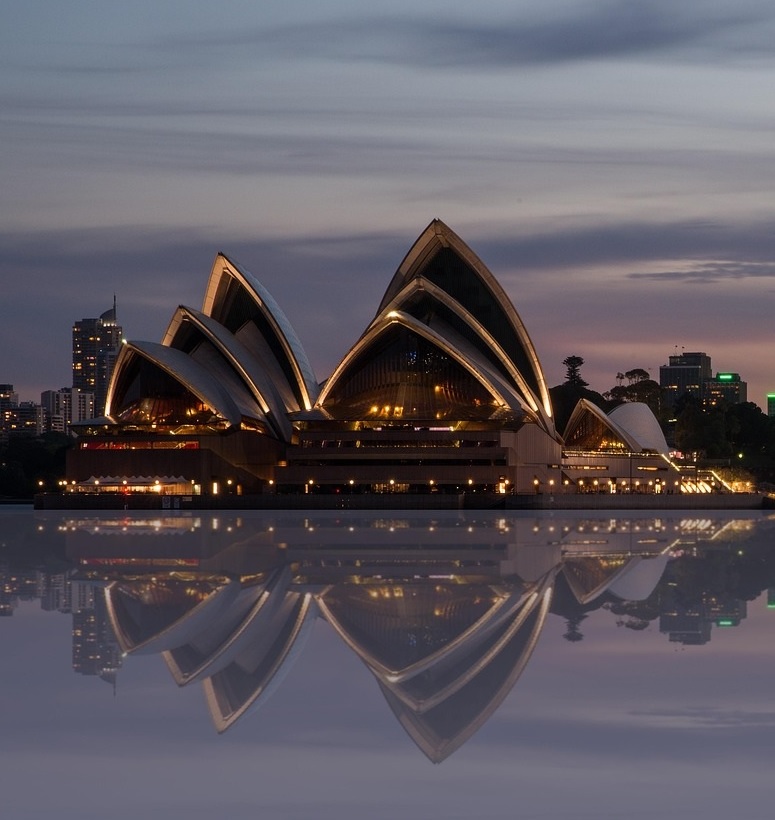
Days 1–4 Sydney (city + harbour + day walk), Days 5–7 Melbourne/Great Ocean Road, Days 8–10 Uluru, Days 11–14 tropical coast or a slower city close-out.
Vibe Check: What Kind of Australia Are You Actually Here For?
Australia has multiple personalities. Pick your primary mood first, then layer one complementary mode.
Coast & Nature Australia
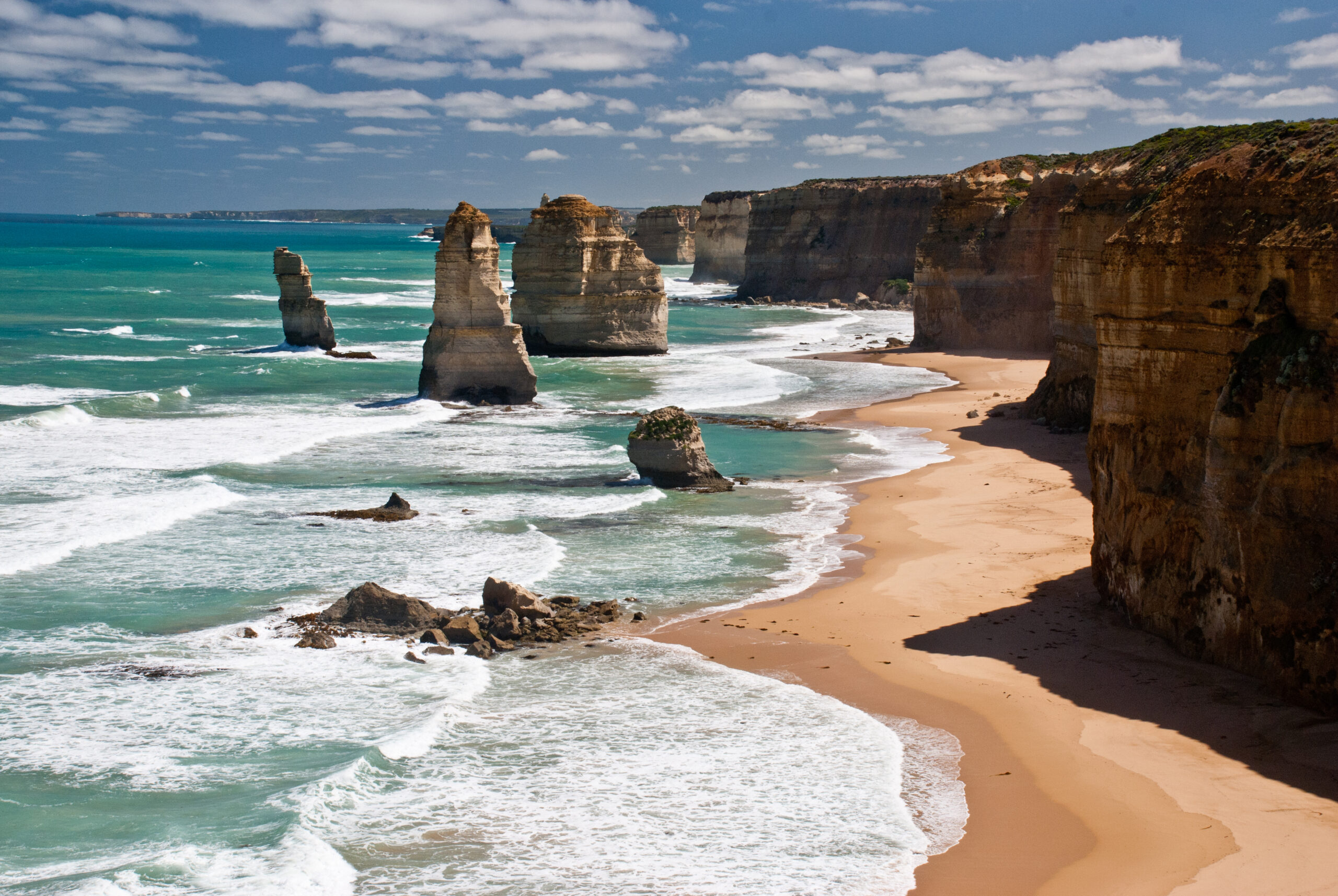
You want beaches, ocean walks, national parks, and open-sky days. Think Sydney coast walks, Great Ocean Road, Whitsundays, and reef or rainforest combinations.
Plan like: fewer bases, more full days outdoors, weather-aware flexibility.
Outback & Scale Australia
You want red landscapes, dawn light, and that “small human / big earth” feeling. Uluru and central desert regions deliver that in a way few places can.
Plan like: short but focused outback leg + clear transport and hydration planning.
City + Food + Culture Australia
You want neighborhoods, cafés, markets, museums, and a modern city rhythm. Sydney and Melbourne do this brilliantly, with easy add-on nature escapes.
Plan like: apartment base, transit-first days, one structured outing + one free-flow block.

Australia in Four Seasons: Same Country, Very Different Outcomes
- Summer (Dec–Feb): Great for southern coasts and beach life, but can be very hot inland.
- Autumn (Mar–May): Excellent shoulder season for city + road trip combinations.
- Winter (Jun–Aug): Strong window for tropical north and Red Centre touring; southern cities are cooler.
- Spring (Sep–Nov): Balanced all-round season for mixed routes and active outdoors days.
Northern Australia often follows wet/dry cycles more than classic four-season expectations. Check region-specific weather before locking flights and tours.
Safety: Keep It Simple, Stay Smart
Australia is generally straightforward for travelers, and most stress is preventable with a few non-negotiables.
Water, heat, and distance are the real risk factors
- Use sun protection daily; UV can be intense even on cloudy days.
- In remote or hot regions, carry more water than you think you need.
- Don’t underestimate drive times — fatigue and long distances catch people out.
- Tell someone your route if you’re heading remote.
Beach and marine safety basics
- Swim at patrolled beaches and between the red/yellow flags.
- Check local surf or marine alerts before entering the water.
- If stung or in trouble, follow lifeguard instructions immediately.
- Respect warning signs — they exist for a reason.
Emergency setup that takes two minutes
- Emergency number: 000 (Triple Zero).
- Save accommodation address offline for taxi/emergency use.
- Keep your phone charged and share your location on big travel days.
- Have travel insurance active before remote legs.
Biosecurity and entry compliance
- Declare food, plant, and animal products when required.
- When unsure, declare — penalties can be severe for non-declaration.
- Review rules before arrival rather than at the airport queue.
Street Smarts: Small Australia Rules That Save Big Stress
- Distances are bigger than they look. A “quick hop” can be a full travel day.
- Don’t pack every day to 100%. Keep buffer for weather and delays.
- City transit is strong. Use trains/trams/ferries where possible before defaulting to rideshare.
- Coffee culture is real. Your best mornings are often local cafés, not hotel queues.
- Book icons early. Popular experiences can sell out in peak windows.
- Phone + maps offline. Useful in national parks and longer drives.
- Driving is left-side. Give yourself one calm day before longer road legs.
- Pace beats pressure. In Australia, better flow almost always beats longer checklists.
Most itinerary frustration in Australia is self-inflicted by over-scheduling. Trim one stop, add one recovery block, and your whole trip quality jumps.
Logistics Lite
Australia becomes easy when you lock five basics early: entry, biosecurity, money, emergency setup, and route transport.
Entry rules & visa reality
Most visitors need a valid visa or travel authority before arrival. New Zealand citizens are treated differently under Australia’s arrangements. Always confirm the pathway for your passport type before booking non-refundable plans.
Visas & entry requirements (site guide)Biosecurity: declare first, sort later
Australia takes biosecurity seriously. If you’re carrying food, plant, or animal-derived items, check rules in advance and declare where required. “When unsure, declare” is the safest policy.
Money, cards, and everyday spend
Australia uses AUD ($). Card payment is widely accepted, including contactless. Keep a small cash backup for markets/smaller vendors and regional edge cases.
Emergency and weather warnings
Save 000 for emergencies and check official warnings during active weather periods, especially for bushfire, flood, or cyclone risk in affected regions.
- Emergency: 000 (Triple Zero)
- Official weather warnings: BOM warnings service
- Beach conditions: Beachsafe before swim days
Getting around: cities vs country legs
In major cities, public transport is usually the easiest move. Between regions, domestic flights often beat overland options on time and energy. For scenic pockets (Great Ocean Road, Tasmania loops, wine regions), a car makes sense.
Driving notes for visitors
Australia drives on the left. Long rural legs need conservative timing and fuel planning. Avoid night driving in remote wildlife zones when possible, and plan rest breaks into every long day.
Route quality is about realism, not bravado. Better to arrive early and steady than push distance and lose the next day.
Base Plans: 3 Simple Ways To Build an Australia Trip That Still Feels Good at Day 7
Pick one structure and commit. Australia rewards route clarity more than itinerary ambition.
Plan A: East Coast + City Contrast
- Why: Easiest first-timer rhythm with great infrastructure and broad variety.
- Do: Sydney + Melbourne (or Brisbane) with one coastal/nature day set.
- Rule: Avoid stacking early flights back-to-back on days 2–4.
First-timers, mixed-interest travelers, and anyone who wants city comfort plus natural highlights.
Plan B: Red Centre Focus + One City
- Why: Maximum landscape contrast and iconic outback energy.
- Do: Uluru/Kata Tjuta-focused leg + city recovery block before or after.
- Rule: Build around heat and sunrise/sunset windows.
You get the “big Australia” feeling without trying to cover impossible distance.
Plan C: One State Deep Dive
- Why: Lowest transit fatigue, strongest local immersion.
- Do: Victoria/Tasmania/WA-focused trip with 2–3 bases max.
- Rule: Leave white space for weather pivots and local discovery.
Fewer transfers = better sleep, better food, better memories.
Costs & Pace: What Actually Moves the Needle in Australia
Australia can feel expensive, and sometimes it is — but your daily pace is still the biggest cost driver. Constant transfers, airport food, and last-minute bookings inflate spend fast. Slower clusters, apartment stays, and structured grocery/café routines keep quality high and costs sane.
- Accommodation strategy: Hostels A$40–70, budget hotels A$120–190, mid-range A$190–320+.
- Food strategy: Supermarket breakfast/lunch + café dinner rotation cuts spend without killing the experience.
- Transport strategy: City transit passes + selective domestic flights beat random point-to-point chaos.
- Activity strategy: Mix paid highlights with free coast walks, parks, and local market days.
- Daily average: Budget A$110–170/day, mid-range A$220–360/day, comfort A$400+/day (style dependent).
If you plan Australia like a checklist sprint, it gets expensive and tiring. If you plan it like a rhythm, it gets richer and usually cheaper.
🇦🇺 Australia Daily Rhythm Comparison
How pace changes both energy and spend
Costs are illustrative (AUD) to show pace impact — not a quote.
Rob’s Choice: Bondi to Coogee at First Light
This is my favorite “small ritual” in Sydney — simple, local, and a perfect reset from heavy itinerary days.
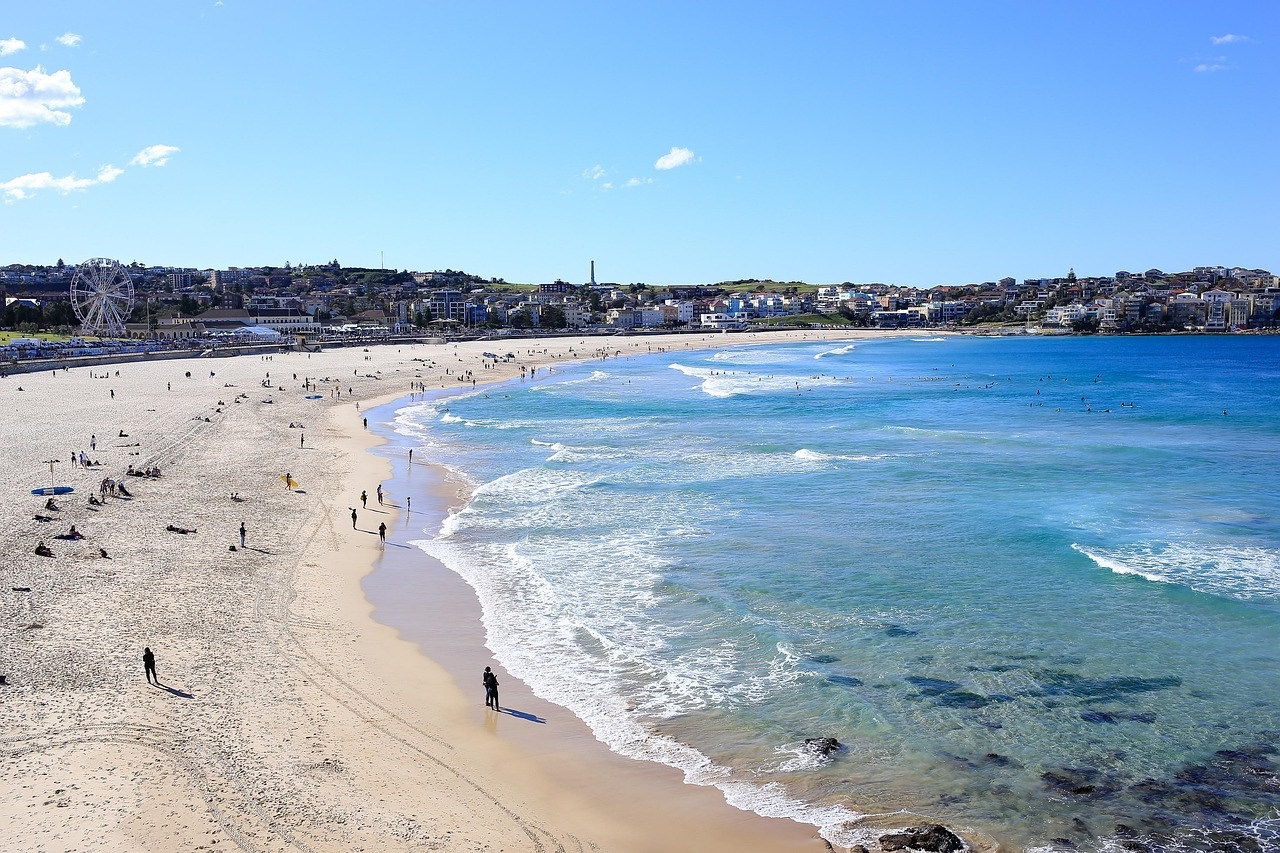
Do this once and thank me later
Start early, before peak crowd flow. Grab coffee near Bondi, then walk south toward Coogee at your own pace. Don’t “perform” it. Pause where the light is good, breathe, and let your body catch up with your itinerary.
Why this works: it’s low cost, high reward, and emotionally balancing. After museum days, flight days, and city density, this stretch puts your head back in the right place.
Go earlier for softer light and fewer crowds. Check conditions first if you plan to swim.
Un-Googleable Australia: Tiny Choices That Change the Whole Trip
Not hidden gems — just practical behavior that makes your trip feel smoother and more human.
Front-load groceries on arrival day
First supermarket stop saves money and decision fatigue for the next three days.
Keep one no-booking half-day every 3–4 days
Australia rewards flexibility. Weather and energy shifts are normal; white space protects quality.
Use neighborhoods, not only landmarks
In Sydney/Melbourne especially, local districts often deliver better food and atmosphere than tourist strips.
Treat transfer days as travel days, not activity days
This single mindset change prevents burnout and preserves the next day.
Book headline experiences early, leave supporting days open
Lock the few high-demand anchors, then build around weather and energy.
Respect local warnings without debate
Beach, weather, and bushfire notices are there for practical reasons — following them keeps trips smooth.
Gap Analysis: Is Australia Right for Your Kind of Trip?
Honest fit check — with fixes, not fluff.
You’ll love it if…
- You value varied landscapes and strong city culture in one destination.
- You’re willing to plan route logic instead of chasing a giant checklist.
- You like active days with outdoors options (walks, coast, parks).
- You can handle moderate-to-long travel days between major regions.
- You want high-quality infrastructure with room for adventure.
Plan around it if…
- You hate long transfers (fix: choose one-state deep dive).
- You need low daily costs (fix: slower stays + kitchen + public transit).
- You only have a short timeline (fix: do one region properly).
- You’re sensitive to heat (fix: season-match your route).
- You prefer rigid weather certainty (fix: build flexible backup plans).
Australia is not hard — it just punishes unrealistic pacing. Build smart and it’s one of the most rewarding trips you can take.
Australia FAQs
Quick answers to what people actually worry about.
Is Australia safe for tourists?
Generally yes. Most trip issues are preventable with practical planning: respect weather alerts, swim at patrolled beaches, avoid over-fatiguing long drives, and keep emergency basics ready.
Do I need a visa for Australia?
Most visitors need an approved visa or travel authority before arrival. Check the official visa listing and confirm based on your passport before booking fixed plans.
What’s the best time to visit Australia?
It depends on region and trip style. Shoulder seasons are often easiest for mixed routes. Northern tropical areas are strongly shaped by wet/dry timing.
How many days do I need for Australia?
Ten days can work for one region plus one contrast leg. Two to three weeks gives much better pacing. If you want multiple major regions, longer is better.
Is Australia expensive?
It can be, but pacing and accommodation choices matter more than people think. Slow clusters, transit use, and food strategy make a real difference.
Can I drive in Australia as a visitor?
Yes, many visitors do. Australia drives on the left. Keep drives conservative, especially in remote areas, and plan rest/fuel stops early.
What emergency number should I save?
Save 000 for police, fire, and ambulance emergencies in Australia.
Can I combine reef, city, and outback in one trip?
Yes, but only with realistic pacing. Keep base count low and don’t turn transfer days into full sightseeing days.
Join the conversation
Planning Australia soon? Share your draft route, timeframe, and travel pace — and if you’ve done a trip already, drop your practical wins (especially route logic, budget saves, and “wish I knew this earlier” tips) to help the next traveler plan smarter.