PORTUGAL, WHEN YOU WANT EUROPE'S BEST VALUE WITHOUT THE CROWDS
Portugal Travel Guide: Lisbon, Porto, Douro Valley
& Algarve Beaches Done Right
Portugal is Western Europe's secret weapon: Lisbon's colorful tiles and hilltop views rival Barcelona without the mobs, Porto's riverside charm and port wine culture feel authentic, Sintra's fairytale palaces look photoshopped (they're not), and the Douro Valley's terraced vineyards produce world-class wine at prices that shock Americans. Add in 300+ days of sunshine, golden Algarve beaches, and pastel de nata on every corner — all at 30-50% less than Paris or Rome.
My Portugal approach is simple: base in Lisbon, take the train to Porto, day-trip to Sintra, and decide if you want beaches (Algarve) or wine country (Douro Valley). Most first-timers do Lisbon + Porto + day trips in 7-10 days. It's compact, efficient, and impossibly charming. This isn't a place you rush through.
Also, just so we're clear: Portugal's summer heat hits 35°C+ (95°F+) and beaches get crowded July-August, Lisbon's hills are steep (wear good shoes), pickpockets target Tram 28 and tourist areas, and vegetarians will eat a lot of soup and bread outside Lisbon. But if you want Europe's best food-to-price ratio, wine you can actually afford, and cities that haven't been Instagrammed to death, Portugal delivers.
In a Nutshell (60-Second Scan)
If you only read one part, read this. Portugal is Western Europe's best-value destination — stunning cities, world-class wine, golden beaches, and food culture at prices that feel like 2010.
- Best first move: Base in Lisbon for 3-4 nights, explore Alfama and Belém, then day-trip to Sintra (40 min train).
- When it clicks: When you realize Lisbon delivers Barcelona's beauty, Rome's food, and Paris's café culture — at 40% of the cost.
- Money truth: Portugal is budget-friendly — €60–100/day is very doable. Best value in Western Europe, hands down.
- Easy win: Lisbon + Sintra + Porto in 7 days captures Portugal's greatest hits. Add Douro Valley or Algarve if you have 10+ days.
- Classic mistake: Skipping Porto. It's only 3 hours from Lisbon by train and offers completely different energy — wine cellars, riverside walks, and less touristy vibe.
- Quiet flex: Portugal's train system is excellent, affordable, and connects all major cities. You don't need a car unless heading to Douro Valley or remote Algarve.
Portugal rewards a simple formula: Lisbon base + Porto add-on + strategic day trips. You can see the highlights in 7–10 days, or slow down for 14+ days and explore deeply without breaking the bank.
60-Second Fit Check
- Ideal trip length: 7–10 days (Lisbon + Porto + day trips), 5–6 days (Lisbon + Sintra + one other city), 14+ days (add Algarve or Douro Valley).
- Best energy level: Low to medium — Portugal is walkable, relaxed, and doesn't demand high adventure. Lisbon's hills are the main physical challenge.
- First-timer friendly: Extremely — English widely spoken in cities, excellent infrastructure, easy trains, and welcoming locals.
- Budget vibe: Budget to mid-range — Portugal is Western Europe's best-value destination. Luxury is affordable here.
- My simple rule: If you loved Spain but want it cheaper, quieter, and with better wine-to-price ratio, Portugal is your place.
Portugal is one of the world's oldest countries — its borders have remained largely unchanged since 1139. It's also the oldest ally of England (since 1386), which explains why port wine has British trading house roots. The country colonized Brazil, Angola, Mozambique, and Macau, creating a global culinary fusion you taste today.
The Portugal That Clicks: Lisbon + Sintra + Porto Triangle
If you want Portugal to feel like more than a quick Lisbon stopover, build your trip around three core experiences: Lisbon (tilework, viewpoints, Alfama's maze, Belém's monuments), Sintra (fairytale palaces 40 minutes away), and Porto (port wine cellars, Douro riverside, authentic northern vibe). Add the Douro Valley or Algarve beaches as supporting acts, not the main event — unless you have 14+ days.
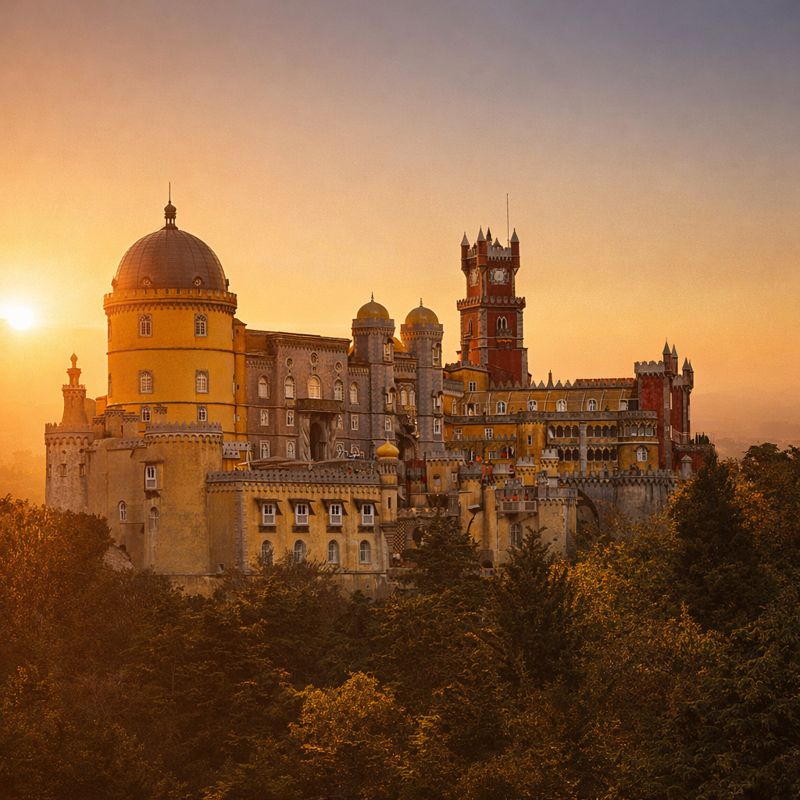
Here's what changes when you do this: the rhythm slows down. Lisbon's Alfama neighborhood is a labyrinth of narrow streets where locals hang laundry and sing fado at night — you wander for hours and never get bored. Sintra's Pena Palace looks like a Disney castle but it's real, built by a Romantic-era king who wanted his summer home to blow minds. Porto feels like Lisbon's cooler, less touristy sibling — wine lodges, riverside walks, São Bento station's 20,000 azulejo tiles telling Portugal's history.
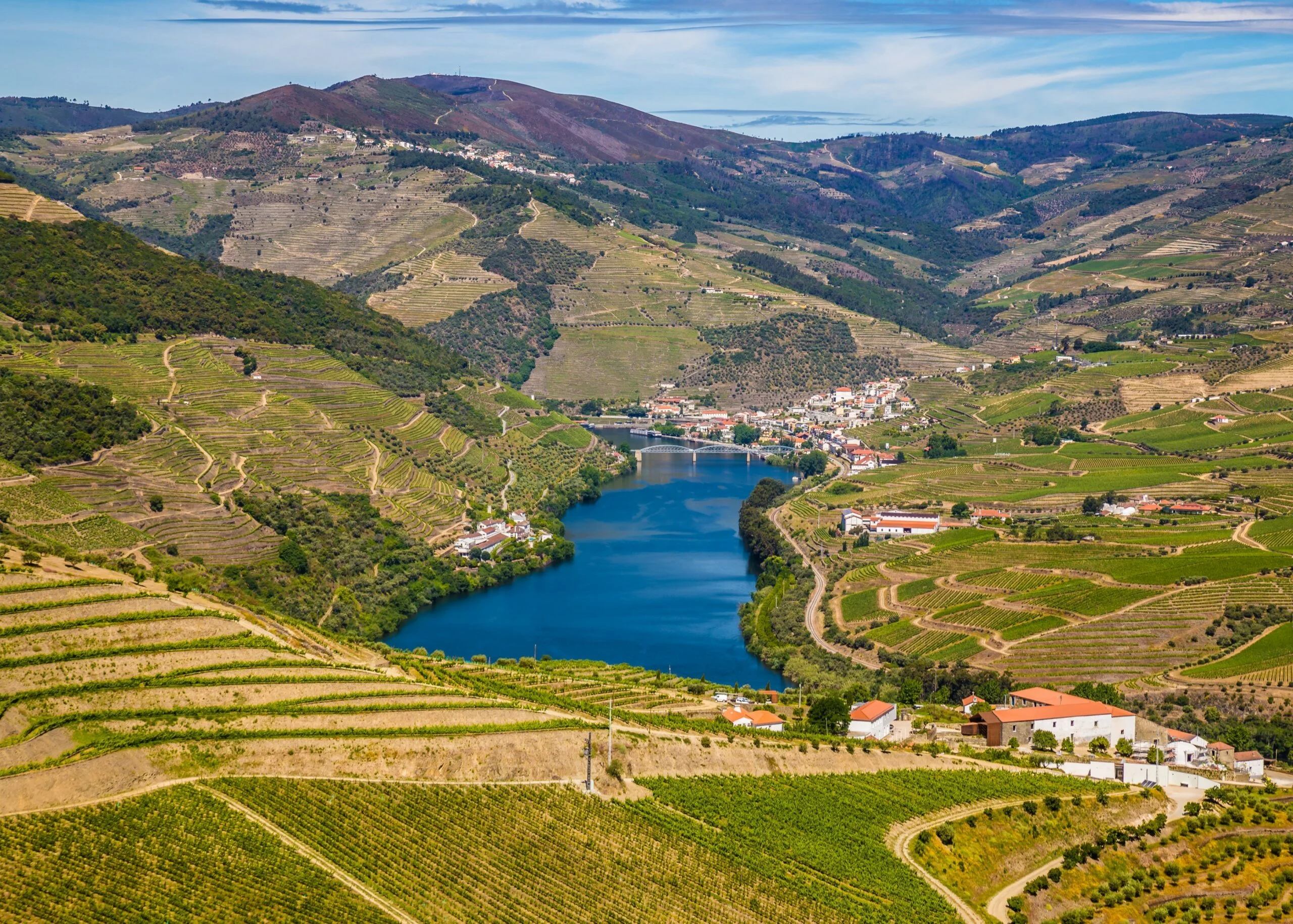
The Douro Valley (2 hours from Porto) is where port wine comes from — terraced vineyards stacked on hillsides like giant staircases, river cruises, wine estates offering tastings. The Algarve (Portugal's southern coast) has Europe's best beaches — golden cliffs, turquoise water, dramatic rock formations at Ponta da Piedade. But if you're time-limited, prioritize Lisbon + Sintra + Porto — that's the Portugal that sticks with you.
Days 1–3: Lisbon deep dive (Alfama, Belém, viewpoints, Tram 28, Time Out Market). Day 4: Sintra day trip (Pena Palace, Quinta da Regaleira, train from Lisbon). Day 5: Train to Porto (3h), afternoon riverside walk. Days 6–7: Porto (wine cellars, São Bento, Ribeira, Livraria Lello). Day 8: Douro Valley day trip or return to Lisbon. Days 9–10: Optional Algarve add-on (fly Lisbon-Faro, beach time).
Vibe Check: What Kind of Portugal Are You Actually Here For?
Portugal has distinct personalities depending on where you go. Decide your primary mood first, then build around it.
The City Portugal (Lisbon, Porto, culture, food, architecture)
You want hilltop viewpoints, azulejo tiles, pastel de nata addiction, fado music in Alfama taverns, and that "discovering a European capital before everyone else" feeling. Lisbon and Porto deliver — spring through fall is best, but winter is mild and crowd-free.
Plan like: Lisbon base + walking tours + food markets + museum days + Porto train trip.
The Beach Portugal (Algarve, Lagos, coastal cliffs, surf towns)
You want golden sand beaches, dramatic limestone cliffs, turquoise water, beach towns like Lagos and Tavira, and Europe's best coastal scenery. The Algarve is the star, but Atlantic beaches near Lisbon (Cascais, Ericeira) offer surf culture. Summer (June–August) is peak beach season.
Plan like: Fly Lisbon-Faro + base in Lagos or Albufeira + beach days + boat tours + sunset cliffs.
The Wine Portugal (Douro Valley, port cellars, vineyard estates, tastings)
You want terraced vineyards, port wine cellars, quinta estate tours, river cruises on the Douro, and to understand why Portuguese wine punches above its weight. Douro Valley (from Porto) is the main attraction, but Alentejo region also produces world-class wines. September-October (harvest) is magical.
Plan like: Porto base + Douro Valley day trip or overnight + wine lodge visits + train through vineyards.
Portugal in Four Seasons: Same Country, Completely Different Experience
Portugal's seasons aren't subtle — each one changes the vibe, costs, and what you can actually do. Choose wisely.
🌸 Spring (March–May): The Sweet Spot
- Weather: 15–22°C (59–72°F), mild and pleasant. Occasional rain (March), warm by May. Wildflowers bloom.
- Crowds: Moderate in April-May. Easter week gets busy. Still manageable compared to summer.
- Prices: Shoulder season — 20–30% cheaper than summer. Excellent value.
- Pros: Perfect weather for walking, blooming landscapes, fewer tourists, Easter festivals, great food season, comfortable temperatures.
- Cons: March can be rainy, beach weather iffy until May, some seasonal restaurants still closed.
- Best for: First-timers, city explorers, wine lovers, photographers, anyone wanting Portugal without peak season chaos.
☀️ Summer (June–August): Peak Everything
- Weather: 25–35°C (77–95°F), hot and dry. Lisbon hits 35°C+ in July-August. Algarve perfect for beaches. Long daylight hours.
- Crowds: Very high. Lisbon, Porto, Sintra, Algarve packed. August is when Portuguese vacation (entire country crowds beaches).
- Prices: Peak season — highest accommodation rates, book 3+ months ahead. Flights most expensive.
- Pros: Best beach weather, festivals (Lisbon's Santos Populares in June, Porto's São João), long days, outdoor terraces, guaranteed sun.
- Cons: Extreme heat in cities (35°C+), crowded attractions, expensive, need to book everything in advance, less authentic local experience.
- Best for: Beach lovers, festival-goers, families (school holidays), people who want guaranteed sunshine regardless of crowds.
🍂 Autumn (September–November): The Insider's Choice
- Weather: 20–25°C (Sep) to 12–18°C (Nov). Still warm enough for beaches in September. Rain increases November.
- Crowds: Low after mid-September. Locals reclaim cities. Much more relaxed vibe.
- Prices: Shoulder season drops — excellent deals on accommodation. September still slightly higher, October-November very affordable.
- Pros: Great weather (especially September), wine harvest season in Douro Valley, fewer crowds, lower prices, ocean still warm in September, autumn colors.
- Cons: November gets rainy, days shorten, some beach restaurants close, Atlantic gets cold for swimming by October.
- Best for: Wine enthusiasts (harvest time), budget travelers, photographers, anyone who wants summer weather without summer crowds.
❄️ Winter (December–February): The Mild Escape
- Weather: 10–15°C (50–59°F) in Lisbon/Porto, milder in Algarve (12–17°C). Rain common but no snow in coastal areas. Still warmer than rest of Europe.
- Crowds: Very low except Christmas/New Year. Quietest season — you'll have Lisbon almost to yourself.
- Prices: Lowest of the year — deep accommodation discounts, cheap flights (except holidays). January especially affordable.
- Pros: Mild compared to northern Europe, Christmas markets in Lisbon/Porto, authentic local experience, ultra-low prices, no queues at attractions, cozy café culture.
- Cons: Rain frequent (especially December-January), beaches not swimmable, some Algarve businesses closed, shorter daylight, occasional chilly evenings.
- Best for: Budget travelers, digital nomads, people escaping harsh northern winters, culture seekers who prioritize cities over beaches.
Portugal has 300+ days of sunshine annually, making it one of Europe's sunniest destinations. Even winter is mild by European standards — you won't need a heavy coat in Lisbon. However, summer heat is real (35°C+) and can be brutal for sightseeing. Pack layers, sunscreen, and good walking shoes year-round. The Atlantic ocean is cold even in summer (17–20°C), so don't expect Caribbean warmth.
Street Smarts: Small Portugal Rules That Save Big Stress
- Portugal is very safe. Low violent crime, safe to walk at night in tourist areas. Main issue: pickpocketing in crowded spots (Tram 28, Rossio, Alfama).
- Emergency number: 112 (universal EU emergency). Tourism police in Lisbon (Praça dos Restauradores), Porto, and Algarve.
- Lisbon's hills are real. Wear comfortable shoes with grip. Trams and funiculars help but walking is unavoidable. Your calves will remember Lisbon.
- Trains between cities are excellent. Lisbon-Porto: €25–45 (3h on Alfa Pendular high-speed). Book at CP (Comboios de Portugal). Regional trains cheaper but slower.
- Metro/trams use Viva Viagem card. Rechargeable card (€0.50) works for Lisbon metro, buses, trams. Load with zapping (pay-as-you-go) or day passes (€6.80/24h).
- Learn basic Portuguese phrases. Olá (hello), Obrigado/a (thank you - masculine/feminine), Por favor (please). Locals appreciate effort even if they switch to English.
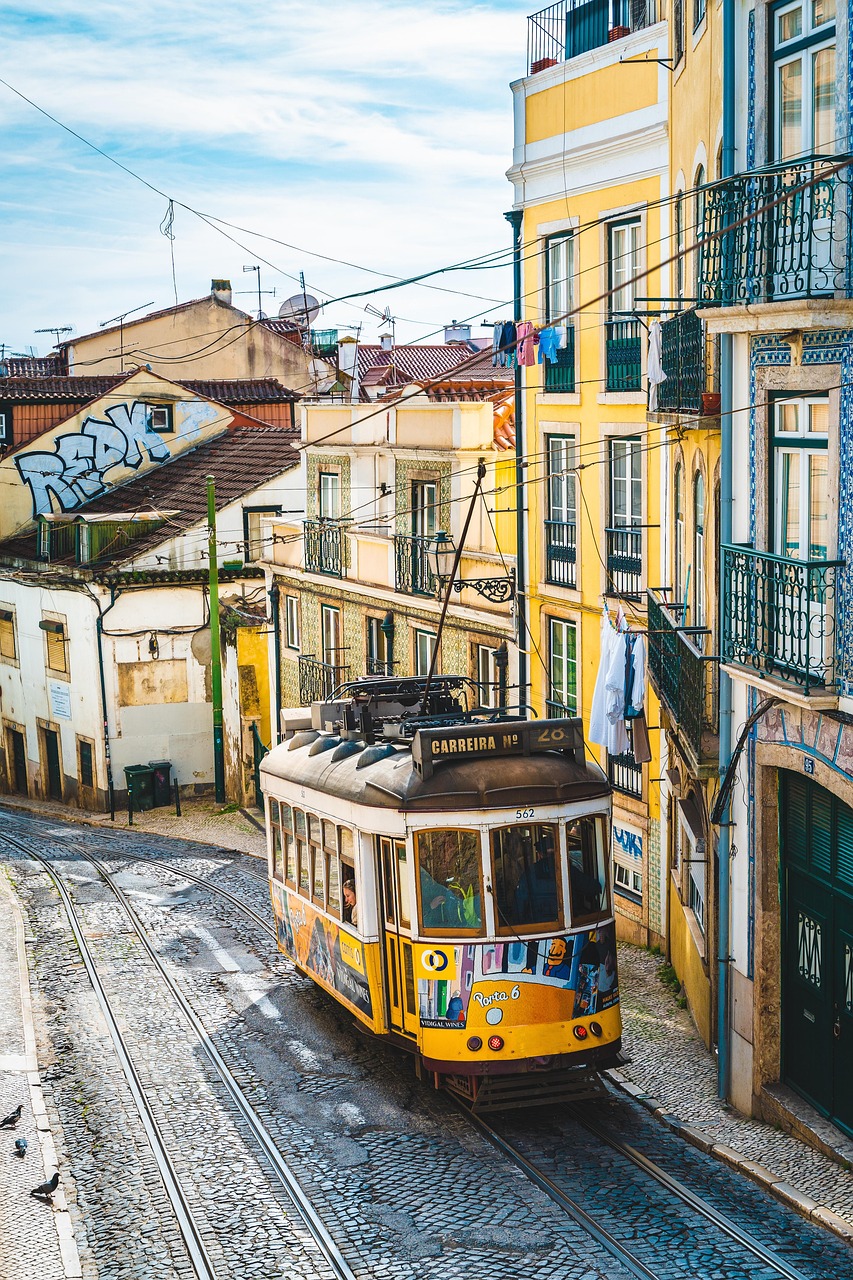
- Tram 28 is pickpocket central. Iconic but notorious for thieves. Ride it early morning or late afternoon (less crowded). Watch your bags constantly or skip it entirely.
- Lunch special = "prato do dia." Most restaurants offer €8–12 lunch deals (soup + main + drink + dessert/coffee). Best value eating in Portugal.
- Tipping is not obligatory. Round up or leave 5–10% if service was good. No pressure. Service charge sometimes included — check the bill.
- Don't buy drugs on the street. Decriminalization ≠ legal. Dealers near tourist areas sell fake stuff (bay leaves, oregano). Buying is still punishable. Just ignore them.
Portugal feels safe and welcoming, but pickpocketing is real — especially on crowded trams and metro. Keep valuables in front pockets or bags with zippers. Don't leave phones on café tables. Also: vegetarians outside Lisbon will struggle — Portuguese food is meat/fish-heavy. Stock up on bread, cheese, and produce from supermarkets (Pingo Doce, Continente).
Logistics Lite
Portugal becomes manageable when you handle the modern basics up front: entry rules, currency, transport, power, and "how to stay connected."
Entry rules & the Schengen reality
Portugal is part of the Schengen Area and EU. For most visitors from visa-exempt countries (US, UK, Canada, Australia, etc.), you can stay up to 90 days within any 180-day period across the entire Schengen zone without a visa. Always confirm your personal situation based on nationality.
Visas & entry requirements (site guide)Border tech changes (EES / ETIAS)
The EU is rolling out the Entry/Exit System (EES) for automated border checks (expected 2026), and ETIAS authorization will be required for visa-exempt travelers (starts 2026). This means biometric data collection at entry and a small pre-authorization fee (~€7, valid 3 years). Check official updates closer to your departure.
Money (Euro) & everyday pricing
Portugal uses the Euro (€). Cards (Visa/Mastercard) accepted almost everywhere; contactless common. Prices: budget meals €8–15, mid-range restaurants €15–30, hostels €15–25, mid-range hotels €50–80, rental cars €25–45/day, groceries very affordable. ATMs widely available (Multibanco — Portugal's ATM network is excellent).
Power + emergencies + the "save this now" list
Portugal uses Type C and F plugs (European standard), 230V / 50Hz. Pack a universal adapter if coming from outside Europe. Mobile coverage is excellent (Vodafone, NOS, MEO).
- General emergency: 112
- Tourism Police Lisbon: Praça dos Restauradores, +351 213 421 623
- Tourism Police Porto: Rua Clube dos Fenianos, +351 222 081 833
Getting around: Trains + metro + occasional car rental
Trains between cities are excellent — Lisbon-Porto €25–45 (3h Alfa Pendular high-speed), Lisbon-Faro €25–35 (3h). Book at CP (Comboios de Portugal) website. Within Lisbon: metro, trams, buses use Viva Viagem card. Uber/Bolt cheap and reliable (€5–10 most city rides). Rental cars useful for Douro Valley, Algarve coast exploration — €25–45/day.
Connectivity: SIM cards + WiFi
Prepaid SIM cards from Vodafone, NOS, MEO cost €10–20 for 10–30GB + calls. Available at airports, phone shops, kiosks. Free WiFi in most cafés, restaurants, hotels. Public WiFi in Lisbon metro stations and tourist areas. EU roaming included if you have an EU SIM — no extra charges across EU countries.
Base Plans: 3 Simple Ways To Build a Portugal Trip That Works
Pick one. Portugal is compact and well-connected — your "base plan" is really a choice about depth vs. breadth.
Plan A: Lisbon + Porto loop (7–10 days)
- Why: Best balance of depth and coverage. See Portugal's two greatest cities plus day trips without constant packing/unpacking.
- Do: Lisbon (3–4 nights), Sintra day trip, Porto (2–3 nights), optional Douro Valley day trip, return to Lisbon or fly home from Porto.
- Rule: This is the sweet spot for first-timers. Covers Portugal's greatest hits, uses excellent train connections, fits in one week.
First-timers, culture lovers, anyone doing a multi-country Europe trip (Spain + Portugal combo works great).
Plan B: Grand Portugal loop (12–16 days)
- Why: You see the full country — cities, wine country, beaches, medieval towns. The complete Portugal experience.
- Do: Lisbon (4 days) → Sintra (day trip) → Porto (3 days) → Douro Valley (2 days) → Coimbra (1 day) → Algarve (3–4 days) → return Lisbon.
- Rule: Mix trains (Lisbon-Porto-Coimbra) with strategic car rental (Douro Valley) or flights (Lisbon-Faro for Algarve).
You experience Portugal deeply — cities, wine, beaches, history. Best for people with time and desire to see it all.
Plan C: Quick Lisbon hit (4–6 days)
- Why: You're short on time or Portugal is one stop on a bigger trip (Madrid → Lisbon → Paris).
- Do: Lisbon (3 days), Sintra day trip (1 day), optional Cascais/Óbidos day trip (1 day). Skip Porto and Algarve.
- Rule: Accept you're seeing Lisbon + surroundings only. But that's still better than skipping Portugal entirely.
Lisbon + Sintra capture Portugal's essence in under a week. Low cost, high impact, easy to add to multi-country itinerary.
Costs & Pace: What Actually Moves the Needle in Portugal
Portugal is Western Europe's best value, but your spending is dictated by accommodation choices, food strategy, and season.
Let's be honest: Portugal is absurdly affordable compared to Paris, Barcelona, or Amsterdam. You can eat well, sleep comfortably, and drink excellent wine for €60–100/day per person if you're smart. However, you have control over three major levers: accommodations (hostels vs. hotels), food (lunch specials vs. tourist restaurants), and season (shoulder vs. peak).
- Accommodation strategy: Hostels €15–25/night (dorm), budget hotels/guesthouses €40–60, mid-range hotels €60–100, upscale €120–200+.
- Food strategy: Grocery stores (Pingo Doce, Continente, Lidl) for breakfast/snacks — budget €15–25/day. Lunch specials (prato do dia) €8–12. Casual dinner €15–25. Fine dining €40–70+.
- Transport strategy: Lisbon metro/tram €1.70/ride or €6.80 day pass. Uber/Bolt €5–10 city rides. Lisbon-Porto train €25–45. Rental cars €25–45/day + gas.
- Activity costs: Many attractions €5–15 (Jerónimos Monastery €10, Pena Palace €14). Douro wine tours €50–100. Beach/viewpoints free.
- Daily average: Budget €50–75/day, Mid-range €90–140/day, Comfortable €160–250+/day.
Portugal rewards budget travelers more than almost any Western European country. Accommodation is affordable, food is cheap if you eat where locals eat (prato do dia at lunch is your friend), and wine costs €3–8/bottle at supermarkets (better than most restaurants charge for a glass elsewhere). Your biggest expense: accommodation if you want comfort. Summer peak season (July-August) costs 30–50% more than shoulder season (April-May, Sep-Oct).
🇵🇹 Portugal Daily Rhythm Comparison
How your pace shapes your day (and your spend)
Prices are illustrative (EUR / €) to show the relationship between pace and spend — not a quote. USD conversions ~$1 = €0.92 (Feb 2026).
Un-Googleable Portugal: Tiny Choices That Change the Whole Trip
These aren't "hidden gems." They're the small behaviors that make Portugal feel like an adventure, not a checklist.
Skip Tram 28, ride Tram 12 instead
Everyone photographs Tram 28 — it's iconic, yes, but also pickpocket heaven and tourist-packed. Tram 12 runs a similar route through Alfama, Graça, and Mouraria with zero tourists, same yellow vintage charm, and you'll actually get a seat. Locals use Tram 12. Tourists mob Tram 28. Choose wisely.
Eat pastel de nata warm, not cold
Everyone knows Pastéis de Belém (the "original"), but here's what they don't tell you: eat them warm. Most cafés bake fresh batches throughout the day — ask "Acabaram de sair do forno?" (just out of the oven?). A warm pastel de nata with the custard still slightly wobbly is life-changing. Cold ones from tourist stands are fine. Warm is transcendent.
Go to Livraria Lello at 9am sharp
Porto's famous Harry Potter-inspired bookstore (Livraria Lello) is stunning but mobbed by 10am. Entry costs €6 (redeemable with book purchase). The secret: arrive at 9am opening — you'll have 20–30 minutes nearly alone before tour groups arrive. Photograph the red staircase without elbowing strangers.
Try ginjinha from a hole-in-the-wall bar
Ginjinha is sour cherry liqueur served in chocolate cups — touristy but genuinely good. Everyone goes to Ginjinha Sem Rival near Rossio. Instead, try A Ginjinha (tiny bar, locals only, €1.40/shot) or any random hole-in-the-wall in Alfama. Same drink, 1/3 the price, zero tourists.
Learn to say "obrigado" correctly
Portuguese gender their "thank you" — men say "obrigado", women say "obrigada". It's not mandatory, but locals smile when foreigners get it right. Also: pronounce it "oh-bree-GAH-doo/dah" not "oh-bri-GAY-do." Small thing, big impact.
Never confuse Portugal with Spain
This seems obvious but tourists still do it. Portugal and Spain are NOT the same — different languages, history, culture, food. Never assume Spanish works in Portugal (it's insulting). Don't say "gracias" (Spanish) — say "obrigado/a" (Portuguese). Portugal has 900+ years of independent history and fiercely protects it.
Gap Analysis: Is Portugal Right for Your Kind of Trip?
Portugal is wonderful — but it's not for everyone. Here's the honest part (with fixes, not judgment).
You'll love it if…
- You want Western European charm at Eastern European prices.
- You appreciate wine, seafood, and carb-heavy comfort food.
- You're fine with hills (Lisbon) and cobblestones (everywhere).
- You value authenticity over Instagram perfection.
- Budget matters — Portugal offers excellent value for money.
- You're drawn to melancholic beauty and faded elegance (that saudade feeling).
- You prefer smaller crowds compared to Spain, France, or Italy.
- You like mixing beach days with cultural exploration.
- You're comfortable with limited English outside tourist zones (though people are patient and helpful).
Plan around it if…
- You need guaranteed hot beach weather (solution: visit June–September only, accept summer crowds and heat).
- You're vegetarian/vegan and picky (solution: stick to Lisbon/Porto where options exist; elsewhere it's challenging).
- You have mobility issues or use wheelchair (solution: Lisbon's hills and cobblestones are brutal; focus on Porto's flat riverside or Algarve beaches).
- You want nightlife like Barcelona/Berlin (solution: Lisbon's Bairro Alto is lively but Portugal is more relaxed; adjust expectations).
- You expect fast service (solution: Portuguese pace is slow — embrace it or get frustrated).
Portugal is best for travelers who value authenticity over luxury and value over flash. If you want predictable resort experiences or tropical beach weather, look elsewhere. But if you want real Europe at fair prices, Portugal is unbeatable.
Portugal FAQs
Quick answers to the stuff people actually worry about.
How many days do I need in Portugal?
Minimum 7 days for first-timers (Lisbon 3–4 days, Porto 2–3 days, Sintra day trip). Ideal 10–12 days for comfortable pace (add Douro Valley or Algarve). 5–6 days works if you're just doing Lisbon + Sintra + one other city. 14+ days lets you see Portugal deeply without rushing.
Is Portugal expensive?
No, Portugal is budget-friendly by Western European standards. Daily costs: Budget €50–75, Mid-range €90–140, Comfortable €160–250+. Much cheaper than France, UK, Scandinavia, or Italy. Comparable to Spain but slightly cheaper overall. Food, wine, and accommodation offer excellent value.
Do people speak English in Portugal?
Yes, widely — especially in Lisbon, Porto, and Algarve tourist areas. Under-40s generally speak good English. Older generations less so but still manageable. Learn basic Portuguese phrases (obrigado, por favor, olá) — locals appreciate effort. English proficiency is better than Spain or Italy.
When is the best time to visit Portugal?
Best: April–May or September–October — warm weather (18–25°C), fewer crowds, lower prices, everything open. Peak: June–August — hottest (25–35°C), crowded, expensive, but guaranteed sun and best beach weather. Budget: November–March (except Christmas/New Year) — cheapest, mild by European standards (10–15°C), rainy, low crowds. Avoid: August if you hate crowds (entire country vacations then).
Is Portugal safe for tourists?
Yes, very safe. Low violent crime — one of Europe's safest countries. Main issue: pickpocketing in crowded tourist areas (Tram 28, Rossio, metro stations). Standard precautions: watch belongings, don't leave phones on café tables, use zipped bags on public transport. Emergency: 112. Tourism Police in major cities speak English. Solo travelers (including women) generally feel safe.
Do I need a car in Portugal?
Not essential for Lisbon-Porto-Algarve cities route. Trains excellent between major cities. Lisbon and Porto very walkable with good public transport. Car useful for: Douro Valley exploration, remote Algarve beaches, medieval towns (Óbidos, Évora). Rental cars €25–45/day; roads good. Alternative: Combine trains + strategic car rental days (e.g., rent for 2 days in Douro Valley only).
Can I visit Portugal and Spain in one trip?
Yes — Portugal-Spain combos are popular. Distances: Lisbon-Seville 400km (bus/train 5–6h), Lisbon-Madrid 625km (train/bus 7h or fly 1.5h). Minimum 12–14 days (1 week each country). Ideal: 16–18 days. Route example: Madrid → Seville → Lisbon → Porto, or Barcelona → Valencia → Lisbon → Porto. Don't try to do both countries in under 10 days — you'll just see airports and hotels.
What should I eat in Portugal?
Must-try: Pastel de nata (custard tart — national obsession), Bacalhau (salted cod — "1001 recipes"), Francesinha (Porto's insane sandwich with melted cheese and beer sauce), Sardinha assada (grilled sardines), Arroz de pato (duck rice), Prego (garlic steak sandwich), Bifana (pork sandwich). Drinks: Portuguese wine (€3–8/bottle at supermarkets!), port wine (Porto), ginjinha (cherry liqueur), vinho verde (light white wine). Reality: Food is meat/seafood-heavy, simple, comforting — not spicy or exotic. Vegetarians struggle outside Lisbon.
Join the conversation
Are you visiting Portugal for Lisbon's tiles and hills, Porto's wine culture, Sintra's fairytale palaces, Douro Valley vineyards, or Algarve beaches? Share your rough itinerary and what you're most excited (or nervous) about — and if you've got practical tips (especially money-saving hacks or food recommendations), help the next traveler discover Portugal smarter.