SWITZERLAND, WHEN YOU STOP “PEAK-CHASING” EVERY DAY
Switzerland: How To Plan It So It Feels Like A Trip
(Not A Very Expensive Sprint)
Switzerland can feel unreal in the best way — crisp lakes, clean stations, mountain air that resets your brain. However, it can also turn into a costly blur if every day is “up early, up a mountain, down again, repeat.”
My Switzerland advice is simple: choose fewer bases, build in quiet hours, and let the country’s best feature do the heavy lifting — smooth, connected transport. Once you travel it with intention, Switzerland stops being “a postcard you’re chasing” and becomes a place you actually feel.
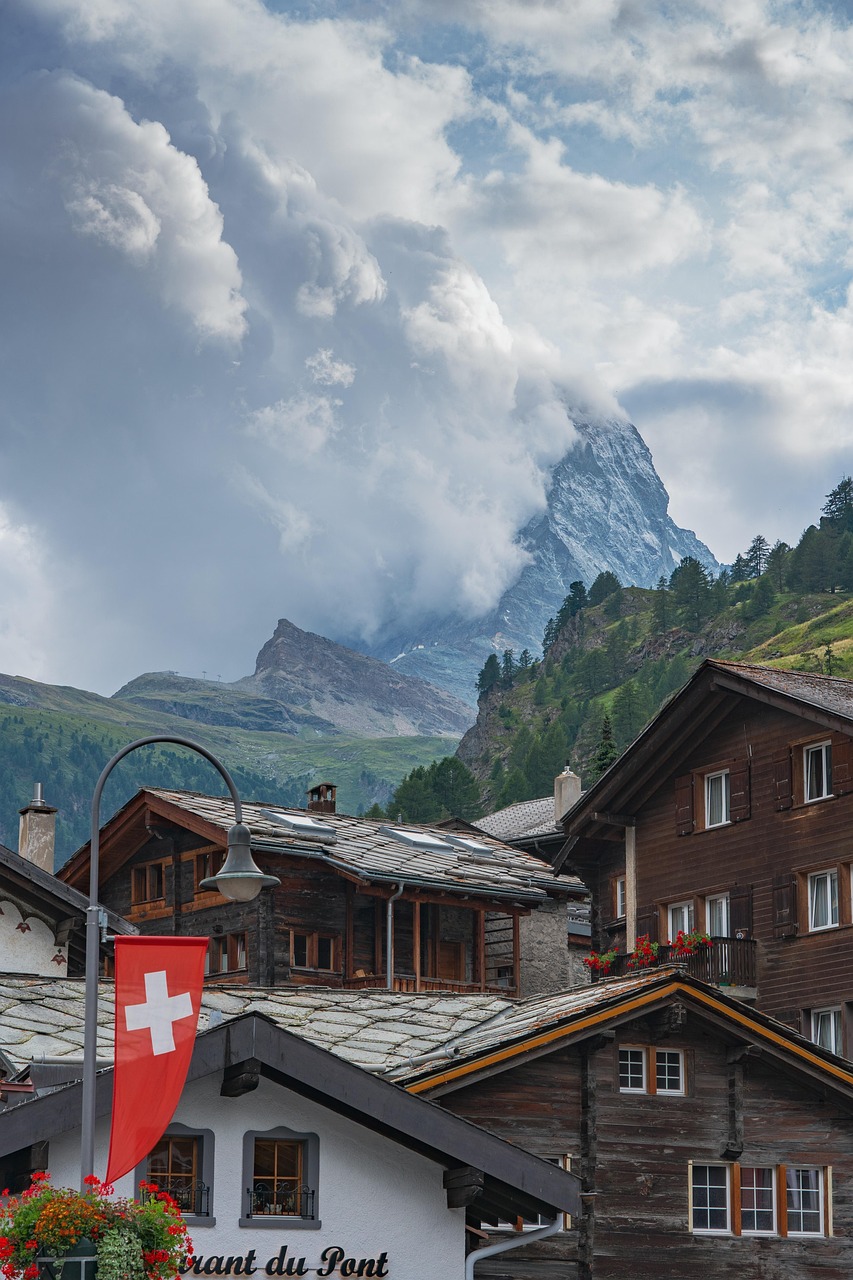
In a Nutshell (60-Second Scan)
If you only read one part, read this. Switzerland becomes easier (and cheaper) the moment your plan stops trying to “collect” it.
- Best first move: Pick 2 bases (max 3). Switzerland is small, but it’s not cheap to bounce daily.
- When it “clicks”: The first afternoon you protect on purpose — lake walk, long coffee, slow dinner.
- Biggest trip-saver: Treat transport like a feature, not a chore — plan around smooth connections, not just “views.”
- Money truth: The currency is CHF. Some places accept euros, but you’ll often get change in CHF.
- Energy reality: Mountains cost energy. Build in “down days” so the highs stay high.
- Classic mistake: Booking the most expensive mountain days back-to-back — then feeling too tired to enjoy them.
Choose a lane: lakes + gentle hikes, classic alpine bases, or quiet regions. Then let the days breathe instead of trying to win Switzerland in one week.
60-Second Fit Check
- Ideal trip length: 6–10 days (sweet spot), 10–14 if you add a quieter region properly.
- Best energy level: Medium (with deliberate rest).
- First-timer friendly: Very — especially if you keep bases simple.
- Budget vibe: Mid to treat-yourself. “Cheap Switzerland” is mostly a pacing strategy.
- My simple rule: One “big” thing per day — and protect the afternoon.
Switzerland is amazing, but it’s not a checklist country. If you travel it like a sprint, it’ll feel like one. If you travel it like a rhythm, it can be one of Europe’s most restorative trips.
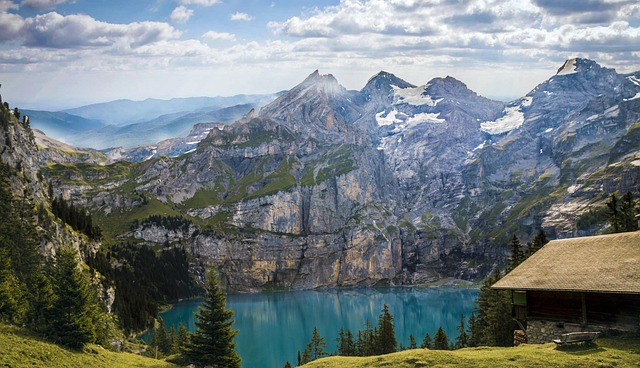
The Quiet Switzerland: Jura + Three-Lakes + “South-of-the-Alps” Energy
If your brain is already tired, you don’t need Switzerland at maximum intensity. There’s a whole “quieter Switzerland” that feels more like living than sightseeing — gentle ridgelines in the Jura, the Three-Lakes area with promenade towns and easy day-walks, and that softer, warmer vibe when you dip toward the south.
The win here is psychological: you still get beautiful scenery, but without feeling like you must “perform” your holiday. It’s where you build repeatable days: same lakeside route, same bakery stop, same sunset bench. That’s not lazy — that’s how Switzerland becomes a memory instead of a montage.
I’d use a “quiet base” as my reset button: one day of gentle movement, one long meal, and one early night. Then the next big mountain day actually feels exciting again.
Vibe Check: What Kind of Switzerland Are You Actually Here For?
Pick your “how I want to feel” first — then your route starts building itself.
Classic alpine days (with smart recovery)
You want the big mountain energy — cable cars, ridgelines, that clean “I can breathe again” feeling. The trick is not stacking peak days until your legs (and wallet) revolt.
Plan like: one major ascent day, one gentle day, repeat.
Lakeside calm + slow luxury
You’re here for promenades, swims (in season), tidy towns, and evenings that feel effortlessly “put together.” Switzerland does calm confidence extremely well.
Plan like: base near a lake, day-trip by train, come back early.
Quiet regions + real-life rhythm
You want Switzerland without the constant “wow” pressure — softer landscapes, smaller towns, and days that feel normal in the best way.
Plan like: one “quiet base” + one “classic base.”
Street Smarts: Small Rules That Save Big Money (and Stress)
- Tickets are not casual. Switzerland is orderly — and checks can be real. Buy the right ticket before you board.
- Don’t improvise “peak days.” Weather shifts fast in the mountains. Build flexibility so you’re not forcing a bad day.
- Sunday feels different. Some places run quieter and more limited — plan groceries and essentials with that in mind.
- Platform discipline matters. Trains run tight. If you’re slow to move, you’ll feel it (and miss connections).
- Quiet culture is a thing. Especially in transport and residential areas — the vibe leans “considerate.”
- Watch the “convenience drift.” Small spends (snacks, peak-time tickets, last-minute changes) stack quickly.
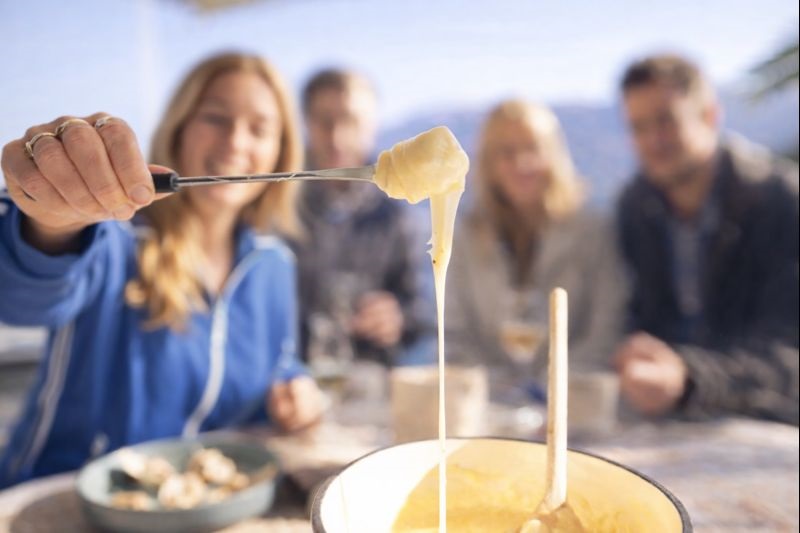
I’d plan my “big day” for the morning, then deliberately do something different-beautiful after: groceries, a slow walk, an early Fondue meal with new friends. That’s how Switzerland stays enjoyable past day three.
Logistics Lite
Switzerland is easy once you handle the modern basics up front: entry rules, borders, money, power, and transport.
Entry rules & the 90/180 reality
Switzerland is part of the Schengen Area. For many travelers, that means the familiar 90 days in any 180-day period short-stay limit across Schengen. Confirm your personal rules before you lock in a long, expensive itinerary.
Visas & entry requirements (site guide)Border tech changes (EES / ETIAS)
The EU’s new Entry/Exit System (EES) and the upcoming ETIAS travel authorisation can change the feel of border processing. Translation: allow a little extra time around busy arrivals — and check official updates close to departure.
Money (CHF) & payment reality
Switzerland’s currency is the Swiss franc (CHF). Some places accept euros, but you’ll often get change in CHF. The low-stress move is: plan in CHF and keep a small cash backup.
Power + emergencies
Switzerland runs on 230V / 50Hz and commonly uses Type J (and Type C) plugs — pack the right adapter.
- General emergency: 112
- Police: 117 • Fire: 118 • Ambulance: 144
- Air rescue (mountains): REGA 1414
Base Plans: 3 Simple Ways To Build A Switzerland Trip That Works
Pick one. You can always sprinkle day trips later — the goal is a trip that still feels good at 3pm.
Plan A: First-timer classic (7–10 days)
- Base 1: A lake hub (4–5 nights) for transport ease + day trips.
- Base 2: A classic alpine hub (3–5 nights) for mountains + walks.
- Rule: No back-to-back “big ticket” days.
You get the lake rhythm and the mountain rhythm — without repacking every morning.
Plan B: Lakeside calm + “quiet luxury” (6–9 days)
- Base 1: A lakeside promenade area (3–4 nights) for slow mornings + easy evenings.
- Base 2: A second lake/valley base (2–4 nights) to change the view without changing the pace.
- Rule: One major move every 3–4 days, not daily.
If you want Switzerland to feel like a reset — not a mission — this plan is the cheat code.
Plan C: Classic + quiet contrast (8–12 days)
- Base 1: A classic “headline” region (4–6 nights) for the big mountain days.
- Base 2: A quieter region (3–5 nights) for gentle walks, smaller towns, and breathing space.
- Rule: Use the quiet base as recovery so the classics stay special.
You don’t burn out — and your photos aren’t the only thing that comes home.

Costs & Pace: What Actually Moves The Needle
Switzerland gets expensive when speed becomes your default. You pay “convenience penalties” without noticing: peak-time transport, stacked paid mountain days, and constant small spends because you never settle.
- Base count: Fewer bases = fewer transfers = fewer paid “oops” moments.
- Transport strategy: If you’ll move a lot, compare a pass vs pay-as-you-go early (not after day three).
- Mountain days: Alternate “high intensity” with “low cost” (lake walks, town time, viewpoints you reach by foot).
- Food: One proper sit-down meal beats endless snack spending. Grocery picnics are not sad here — they’re smart.
Switzerland isn’t “cheap.” But you can absolutely stop it from being unnecessarily expensive. Your plan is your budget.
🇨🇭 Switzerland Daily Rhythm Comparison
How different travel paces shape your day (and your spend)
Prices are illustrative (CHF) to show the relationship between pace and spend — not a quote.
Un-Googleable Switzerland: The Stuff That Makes You Feel “In It”
These aren’t “hidden gems.” They’re tiny choices that change how the trip feels — and they cost almost nothing.
Repeat something on purpose
Switzerland rewards repetition. The same morning walk. The same lakeside bench. The same bakery. Suddenly you’re not consuming the place — you’re living inside it.
Protect the “down hours”
Build a daily “nothing window.” That’s when the country becomes calming instead of demanding. Mountains are better when you’re not rushing toward them.
Let transport be part of the day
Sit by the window, don’t multitask, and treat the journey as scenery time. Switzerland’s movement is often the experience — not just the thing between experiences.
Choose “quiet Switzerland” once
Put one calmer region into your route so you can actually recover. It keeps the whole trip from becoming a highlight-reel treadmill.
Gap Analysis: Is Switzerland Right For Your Kind Of Trip?
Switzerland is brilliant — but it shines most for certain travel styles. This is the honest part.
You’ll love it if…
- You like clean, well-run logistics (and you relax when systems work).
- You enjoy nature that’s accessible without chaos.
- You’re happy doing less per day — but doing it properly.
- You want a trip that can feel genuinely restorative.
- You’re okay paying for quality — especially if your plan is paced.
Plan around it if…
- You’re budget-sensitive (solution: fewer bases, fewer paid mountain days, more free nature rhythm).
- You get bored without nightlife (solution: build Switzerland as a reset leg, not a party leg).
- You tend to over-schedule (solution: write in blank afternoons like appointments).
The best Switzerland trips aren’t the ones with the most pins on the map. They’re the ones where you still feel human at the end of the day.
Switzerland FAQs
Quick answers to the stuff people actually worry about.
Do I need a Swiss Travel Pass?
Sometimes it’s great — especially if you’ll move a lot and want simplicity. However, if you’re mostly staying put with a few day trips, pay-as-you-go can be smarter. Decide based on your pace, not your optimism.
Can I use euros in Switzerland?
Sometimes, yes — especially in tourist-facing places — but Switzerland runs on CHF. If euros are accepted, you’ll often get change in CHF, and the exchange rate may not be in your favor.
What plug adapter do I need?
Switzerland commonly uses Type J (and often Type C) on 230V / 50Hz. Bring a Type J adapter if your plugs don’t match.
How many bases should I choose?
Two bases is the sweet spot for most trips. Three can work if the trip is longer. More than that, and you risk turning Switzerland into a packing-and-paying routine.
Join the conversation
Are you planning Switzerland as a “big peaks” trip, a lakeside reset, or a classic-plus-quiet mix? Share your draft route and what you’re unsure about — and if you’ve got practical, real-world tips, help the next traveler make smarter choices.