CENTRAL AFRICA LANE
São Tomé and Príncipe Travel Guide: Rainforest Trails, Cocoa Heritage, and Island Pacing That Actually Works
São Tomé and Príncipe rewards travelers who slow down early. This is not a checklist destination—it’s an island rhythm destination.
My framework here is simple: one anchor base on São Tomé, one contrast leg (often Príncipe), and one protected buffer day.
If you over-stack transfers, the trip feels fragmented. If you plan for flow, the islands deliver deep nature, coastal calm, and strong local character.

At a Glance (60-Second Scan)
São Tomé and Príncipe gets easy when you plan by energy and transfer realism—not by map ambition.
- Best first move: Base on São Tomé first, then add Príncipe if timing allows.
- Ideal first trip: 8–11 days for depth without rush.
- Classic mistake: Treating inter-island transfer days like full sightseeing days.
- Big win: Lock one weather-flex day into your route.
- My rule: Transfer day = lighter plan + earlier dinner + full reset sleep.
The islands are small, but logistics and weather windows still matter. Keep the structure simple and your trip quality jumps.
- Island country in the Gulf of Guinea.
- Two main islands: São Tomé and Príncipe.
- Strong rainforest + coastal contrast in compact geography.
- Cocoa heritage, fishing culture, and low-density tourism feel.
60-Second Fit Check
- Ideal style: Nature-forward travel with steady pace.
- Energy level: Low to medium (higher on trekking days).
- First-timer friendly: Yes, if you keep island transitions minimal.
- Budget vibe: Mid-range comfort with premium spikes in remote zones.
- Transport spine: Road transfers + selective inter-island flight/ferry planning.
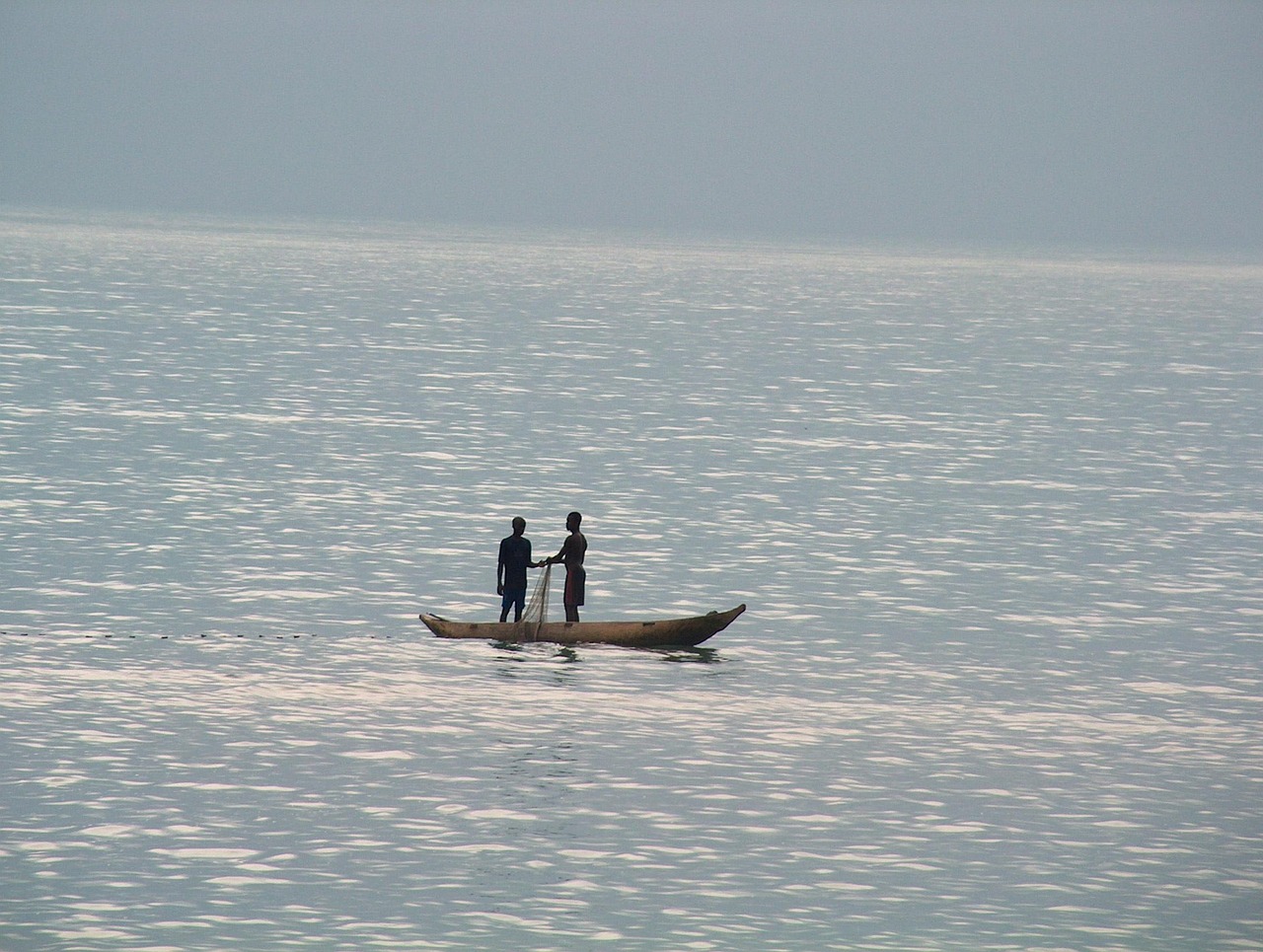
The São Tomé and Príncipe That Clicks: Anchor Base + Contrast Leg + Buffer
The structure that works is very consistent: one practical base, one contrast experience, one buffer day. That gives you freedom without route stress.
Example: Start with São Tomé (city + coast + forest outings), then add Príncipe for quiet reset and biodiversity depth. Keep one day flexible for weather, boat/flight shifts, or just recovery.
São Tomé gives you infrastructure—easier logistics, more food options, cultural context in the capital, and accessible nature (Obo National Park, waterfalls, plantation tours). You get your bearings without feeling isolated.
Príncipe is where the rhythm changes. Smaller, slower, wilder. Fewer people, deeper jungle, better snorkeling and birdwatching. It feels like a different country. The contrast makes both islands more memorable.
The buffer day isn't wasted time—it's insurance. Flights between islands can shift. Weather closes boat trips. You might want an extra morning at Lagoa Azul or need half a day to decompress after a muddy trek. Building in slack means you're not scrambling or skipping things you actually wanted to do.
The pattern scales. One anchor, one shift, one breath.
My blunt take: this trip is about quality of days, not number of stops. If you protect your pace, the islands feel extraordinary.
Days 1–5 São Tomé base, Days 6–8/9 Príncipe contrast, final day as built-in buffer + departure calm.
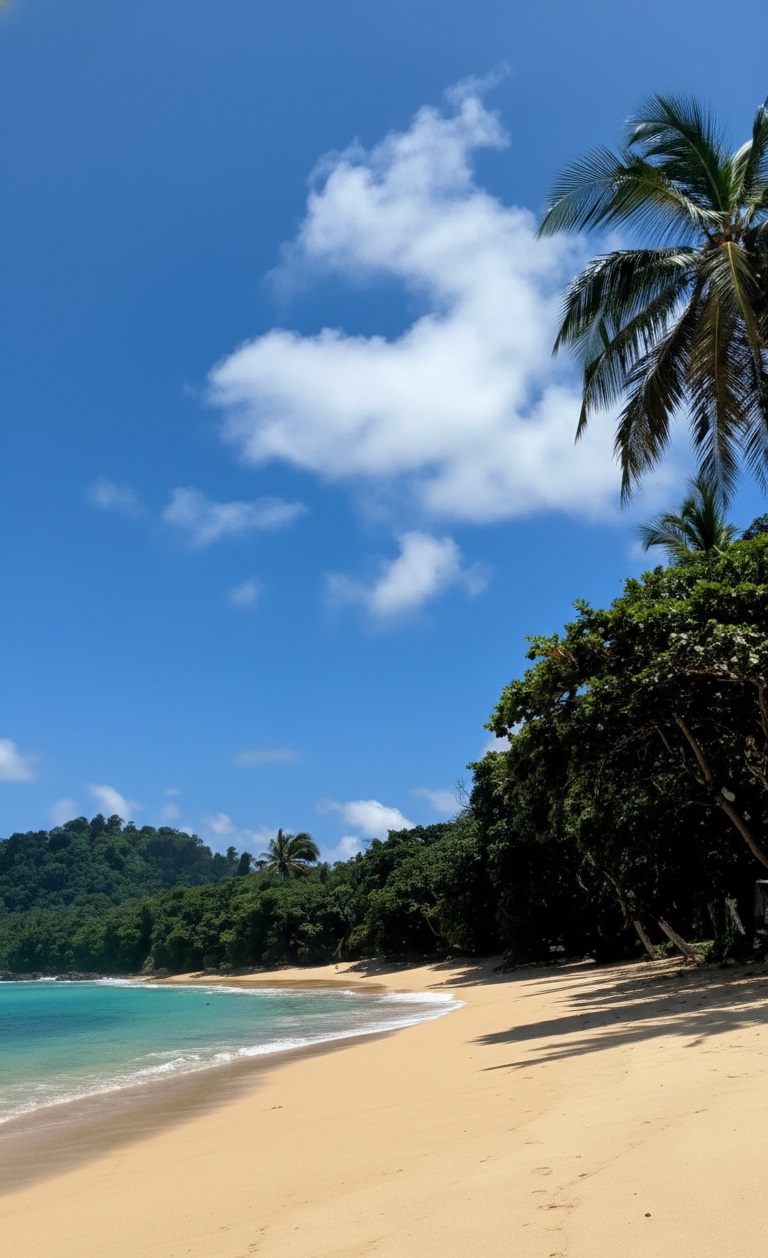
Vibe Check: Which STP Experience Are You Actually Here For?
Choose your lane first. The right route follows naturally.
Rainforest + Trails + Wildlife
Best for travelers who want forest routes, endemic species spotting, and active days with real terrain.
Coastal Calm + Barefoot Rhythm
Better for low-friction beach time, short scenic drives, and recovery-focused pacing.
Cocoa Heritage + Slow Culture
Ideal if you want roça history, local food depth, and context over high-volume attractions.
São Tomé and Príncipe in Four Seasons (Text + Icons)
No season image by design—this section stays fast, practical, and scan-friendly.
Spring
Best for: balanced nature outings, layered coast + inland routes, and manageable humidity windows.
Summer
Best for: beach-forward planning and shorter activity blocks during warmer stretches.
Autumn
Best for: mixed pace itineraries with good odds for coast + nature balance.
Winter
Best for: steady island rhythm, photography light windows, and lower-friction route control.
Rain patterns and road conditions can shape your day more than your clock—always keep one flex window.
Daily Rhythm Comparison (STP Edition)
Use this to match your route to your real energy, not your fantasy energy.
Forest & Trail Rhythm
- Morning: primary trek or high-effort outing.
- Midday: hydration + recovery + shorter transfer.
- Late afternoon: short coastal or village loop.
- Evening: early dinner + full sleep block.
- Energy load: Medium to high.
Culture & Heritage Rhythm
- Morning: market/café + roça/cultural stop.
- Midday: slow lunch + indoor break window.
- Late afternoon: viewpoint or waterfront walk.
- Evening: food-first, low-friction close.
- Energy load: Medium.
Island Reset Rhythm
- Morning: relaxed start + shoreline time.
- Midday: shade and refuel block.
- Late afternoon: easy swim/walk/photo window.
- Evening: early calm + next-day prep.
- Energy load: Low to medium.
Don’t run high-effort trail days back-to-back with late social nights if you want the trip to stay enjoyable.
Rob’s Suggestions: One Food Anchor + One Activity Anchor
Two intentional anchors beat ten random stops every time.
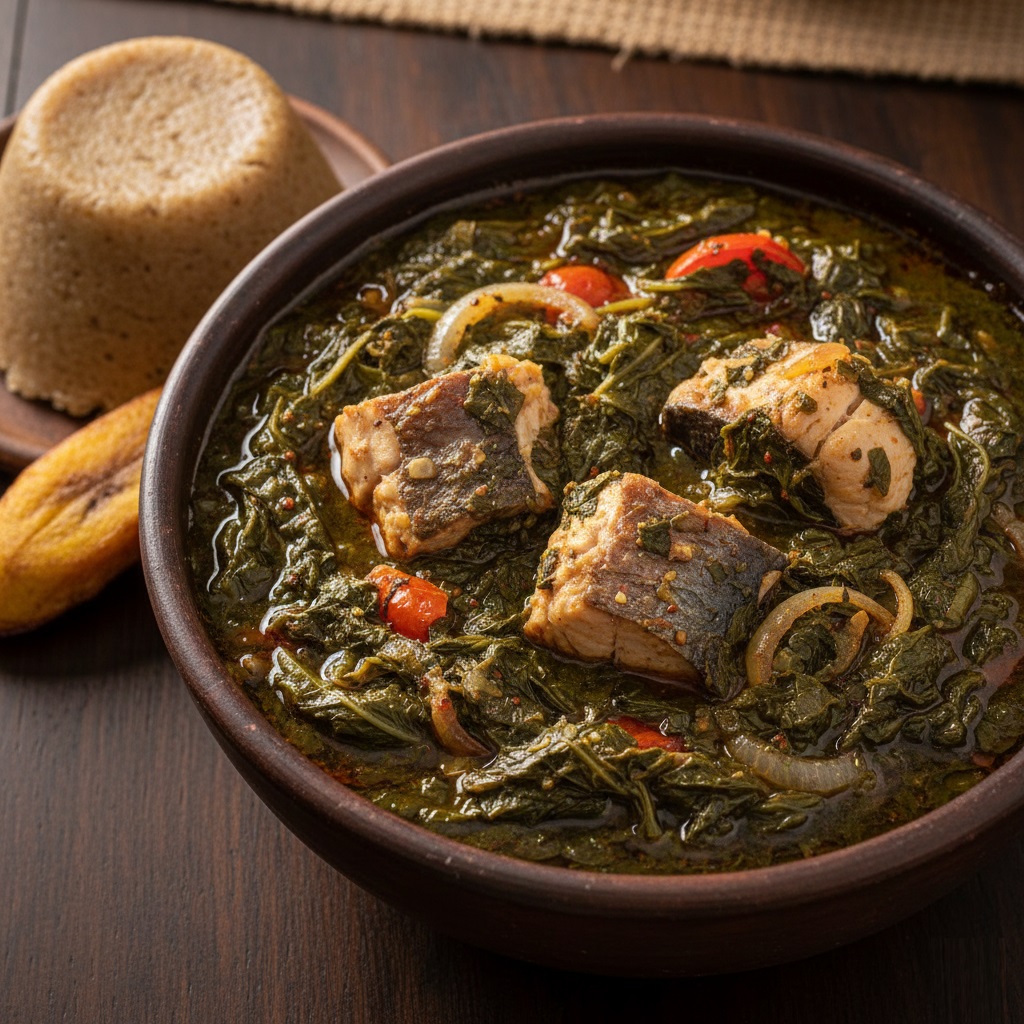
Food pick: A real calulu session
Don’t rush this. Sit down properly, ask what’s in the day’s version, and treat it as a cultural stop. That one meal often becomes the memory people talk about first.
Calulu (The Sacred Stew)
Calulu is more than just a meal; it is a cultural icon of São Tomé and Príncipe, known for its deep green color and herbal complexity.
- The Green Base: The foundation of the dish is a massive amount of leafy greens—typically amaranth leaves, sweet potato leaves, or spinach—which are simmered down until they form a thick, silky base.
- The Protein: It is traditionally made with either fresh or dried fish (often smoked for extra depth) or chicken. In São Tomé, "Calulu de Peixe" (fish calulu) is the most beloved version.
- The Flavor Profile: The stew is flavored with red palm oil, onions, tomatoes, and a specific blend of local herbs like "ossame" (a ginger-like seed) and "mosquito herb," which give it a unique medicinal and earthy aroma.
- The Traditional Side: It is almost always served with a side of funge (cassava or corn mash) or "Angu" (a firm banana or corn porridge), which helps balance the intense herbal notes of the stew.
Activity pick: Early coastal walk + forest contrast day
Pair a light sunrise or late-afternoon coastal stretch with one deeper nature day. You’ll feel the full personality of the islands without exhausting your energy budget.
One food memory + one movement memory gives the trip identity and helps your itinerary feel intentional.
Safety: Suggestions, Warnings, and Calm Island Rules
Most friction points are preventable with timing, planning, and sensible movement habits.
Smart habits
- Pre-load offline maps and accommodation pins before transfer days.
- Use registered transport and agree prices before departure where relevant.
- Hydrate early and pace trail days in humid conditions.
- Carry a split-wallet setup (day cash + backup reserve).
- Do daylight orientation walks on arrival.
Warnings worth respecting
- Weather and road conditions can slow movement more than expected.
- Remote zones need stronger planning discipline and earlier starts.
- Avoid isolated movement after dark when unfamiliar with an area.
- Sea conditions can change quickly—don’t force water plans.
- Re-check official advisories near departure date.
In island destinations, flexibility is a safety asset, not a luxury.
Official checks before departure
Women travelers: confidence plan
- Pick accommodation with strong recent reviews and visible local access.
- Keep late-night routing simple; pre-book trusted transport where possible.
- Share movement details with one trusted contact on active days.
- If a location feels off, switch to a busier route immediately.
Logistics Lite
Set these fundamentals once and the rest of the route feels lighter.
Entry rhythm + documents
Entry conditions can change by passport type and trip purpose. Validate requirements early and re-check close to departure.
Inter-island movement
Treat transfer days as operational days. Keep expectations realistic and protect schedule slack.
Money + payments
Local currency is the dobra (STN). Use a layered money plan: main card, backup card, and practical local cash.
- Withdraw in practical amounts instead of one oversized withdrawal.
- Split funds between daily carry and reserve pocket.
- Watch conversion and ATM fees quietly draining value.
Connectivity + map discipline
- Download offline maps before every major route day.
- Screenshot key booking references and transport notes.
- Keep a one-screen transfer checklist on your phone.
African Region Currencies (Quick Reference)
Useful if your São Tomé and Príncipe route connects with other Africa lanes.
North Africa
Common lane codes: MAD, DZD, TND, LYD, EGP
- Planning tip: exchange per country leg, not all at once.
West Africa
Common lane codes: XOF, NGN, GHS, GNF, SLL, GMD
- Planning tip: cash/card reliability shifts country-to-country.
Central Africa
Your lane: STN (São Tomé and Príncipe Dobra)
- Also common: XAF, CDF, AOA.
- Planning tip: keep strong cash backup in remote areas.
East Africa
Common lane codes: KES, TZS, UGX, ETB, RWF
- Planning tip: mobile money use varies widely by country.
Southern Africa
Regional anchor: ZAR
- Also common: NAD, BWP, LSL, SZL, ZMW, MWK, MZN.
- Planning tip: keep one stable reserve-currency strategy.
Treat currency planning the same way you treat route planning: segment by segment, with buffers.
Base Plans: 3 São Tomé and Príncipe Structures That Work
São Tomé Core (7 Days)
- Best for first-time route simplicity.
- Mix coast, city rhythm, and one nature day.
- Low transfer complexity.
São Tomé + Príncipe (9–11 Days)
- Most balanced first full-island contrast plan.
- Adds biodiversity depth and quiet reset time.
- Requires protected transfer buffer.
Nature and Heritage Split
- Trail and rainforest emphasis first.
- Add cocoa/roça heritage + coastal recovery blocks.
- Best for medium-energy travelers.
Costs: What Actually Moves the Budget
Where people overspend
- Last-minute transport changes between islands.
- Too many short stays with repeated packing/transfers.
- Premium property picks in peak windows without early booking.
- Stacking tours on consecutive high-energy days.
- Ignoring transfer-day food and incidental costs.
How to keep it sane (USD-first mindset)
- Set a daily USD cap, spend in STN, review nightly.
- Book core route legs first, leave selective flexibility.
- Choose one premium experience per island phase.
- Use lower-cost reset days between high-activity blocks.
The route—not just the room rate—is what determines value in STP.
Un-Googleable STP: Small Moves, Big Difference
Front-load admin on movement days
Do ticket checks, map pins, and day-bag setup before breakfast to remove avoidable stress.
Keep one dependable “reset meal” place
A known good meal stop reduces decision fatigue and keeps your pacing consistent.
Use humidity windows intelligently
Do harder activity early, then shift to coast/culture in hotter or wetter parts of the day.
Protect your final 24 hours
Don’t gamble with complex repositioning before departure unless there’s no alternative.
Gap Analysis: Is São Tomé and Príncipe Right for Your Style?
You’ll love it if…
- You prefer fewer places with deeper quality days.
- You like nature + coast + culture in one compact destination.
- You value calmer routes over rapid-fire itinerary density.
- You’re happy with flexible, weather-aware planning.
Plan around it if…
- You need rigid, minute-perfect logistics every day.
- You want nonstop nightlife-heavy pacing.
- You dislike route flexibility in island environments.
STP is a high-reward destination when you plan for depth and leave breathing room.
São Tomé and Príncipe FAQs
Short practical answers for planning decisions.
How many days do I need for São Tomé and Príncipe?
Eight to eleven days is ideal if you want both islands without rushing.
Should I include both São Tomé and Príncipe on a first trip?
Yes, if your timing supports it. Keep transfers minimal and protect one flex day.
What’s the biggest planning mistake here?
Overpacking activity and underestimating transfer/recovery time.
Is this a budget or mid-range destination?
Usually mid-range for comfort travel, with premium spikes depending on remoteness and season.
What should I confirm before departure?
Entry rules, health guidance, advisory updates, and transport timing assumptions.
Join the conversation
Are you planning a São Tomé-only route or adding Príncipe for contrast? Share your draft plan and timing so other travelers can compare approaches and plan smarter.