SOUTHEAST ASIA LANE
Philippines Travel Guide: Island Energy, Sea Days, and a Route That Doesn’t Collapse
The Philippines is incredible, but it can burn you out fast if you over-island-hop. This is where route discipline matters.
My framework: one gateway city, one main island base, and one contrast island max for a first trip.
If you treat it like a “collect all islands” mission, you’ll lose days to transfers. If you pace it properly, this is one of the most rewarding beach-and-culture trips on earth.
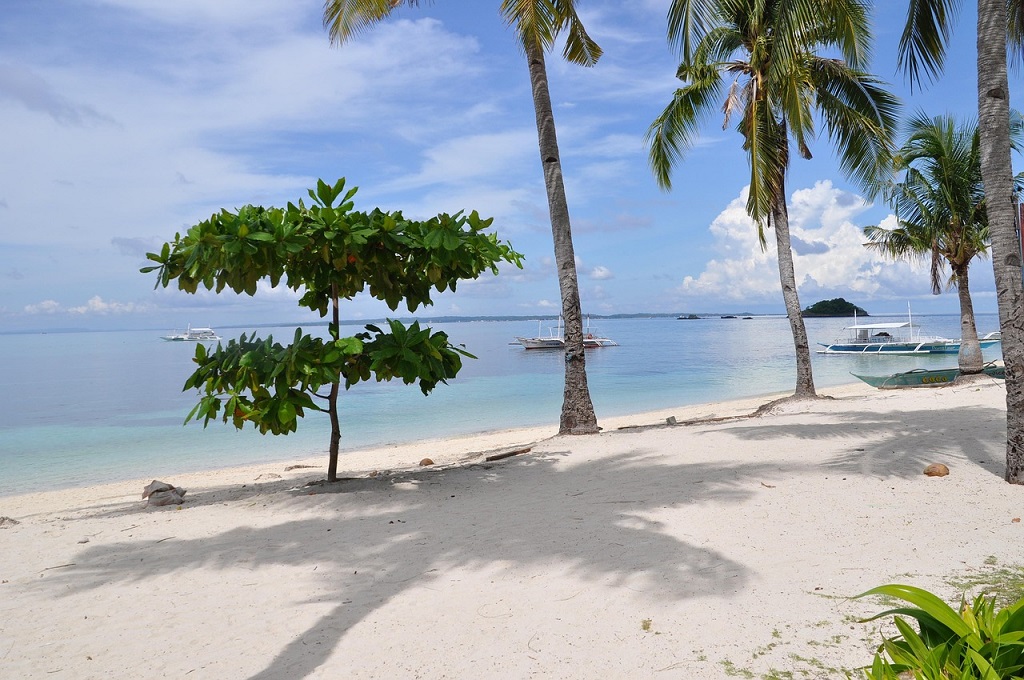
The magic happens when you stay put long enough to fall into island rhythm—morning swims before the heat, long lunches that blur into siestas, boat trips that leave when they leave, not when the schedule says. The Philippines rewards slowness in a way most Southeast Asian beach destinations don't. There's less infrastructure to rush you along, fewer mega-resorts programming your days. You're not on a conveyor belt of activities—you're just somewhere beautiful with time to waste properly. That only works if you're not spending half your trip in terminals and speedboats.
Need the Gist? (60-Second Scan)
The Philippines works best when you choose fewer islands and spend longer in each.
- Best first move: Fly into Manila or Cebu, then go direct to one island base.
- Ideal first trip: 9–13 days for two islands done well.
- Classic mistake: Booking too many ferry/flight hops in one week.
- Big win: Keep one full buffer day for weather/sea disruptions.
- My rule: Every transfer day gets a lighter arrival schedule.
You don’t need five islands to “do” the Philippines. Two good ones will usually beat five rushed ones.
- Archipelago with 7,000+ islands and huge regional variety.
- English usage is strong for independent travel.
- Transfers are often the real trip bottleneck.
- Beach, diving, and island lifestyle are world-class when paced right.
60-Second Fit Check
- Ideal style: Travelers who enjoy sea, scenery, and flexible routing.
- Energy level: Low to medium (higher if stacking activities).
- First-timer friendly: Yes, with a simplified island plan.
- Budget vibe: Strong value, especially outside peak windows.
- Transport spine: Domestic flights + ferries + short land legs.

The Philippines That Clicks: Gateway City + Main Island + One Contrast
The cleanest first-trip structure is: gateway city arrival + main island stay + single contrast add-on.
Example: Cebu gateway → Palawan block (El Nido/Coron style) → one softer contrast like Bohol. This keeps effort realistic and rewards you with better days on the ground.
My blunt take: if your route has a transfer almost every day, it’s not a holiday—it’s logistics training.
Days 1–2 gateway + reset, Days 3–7 main island, Days 8–11 contrast island, Day 12 buffer, Day 13 out.
Vibe Check: Which Philippines Are You Here For?
Pick your dominant lane first, then one contrast lane.
Island Relax + Beaches
Long sea days, slow mornings, and a low-friction coastal pace.
Adventure + Water Activities
Diving, island-hopping tours, and active ocean-focused days.
Culture + Nature Mix
Local markets, inland landscapes, and balanced day structures.
The Major Destinations
Start with these anchors, then add depth only when your transfer rhythm is stable.
Manila + Luzon Launch
Manila is the practical entry hub for most international arrivals, with the strongest onward flight links across the archipelago. Use it as a short logistics anchor, then move quickly to your core island leg.
- Best for: arrival reset, route setup, and transport flexibility.
- Trip logic: 1–2 nights, then jump to beach/nature/culture anchors.
- Pacing tip: don’t burn a full trip segment in transit-heavy Metro hops.
In the Philippines, good flight sequencing saves days, not just hours.
Palawan (El Nido / Coron / Puerto Princesa)
Palawan is consistently one of the country’s top destination clusters and gives strong marine scenery plus island-hopping value. Puerto Princesa also ties into a UNESCO-listed natural asset via its Subterranean River National Park.
- Best for: limestone seascapes, lagoons, and marine-focused trips.
- Trip logic: pick one primary base (El Nido or Coron) per short trip.
- Pacing tip: keep weather buffer for boat days and inter-island transfers.
Trying to do all of Palawan fast usually creates transfer fatigue.
Cebu + Bohol Corridor
Cebu/Bohol is one of the strongest mixed-value routes: flights are frequent, transfers are relatively manageable, and you get a practical blend of coast, nature, and cultural stops.
- Best for: first-timers who want variety without over-complication.
- Trip logic: pair with Manila or Palawan for a clean 2-leg structure.
- Pacing tip: cluster activities geographically instead of daily cross-island jumps.
This corridor wins on route efficiency, which keeps your energy for the good parts.
Siargao + Mindanao Nature Extensions
Siargao is a high-value rhythm destination for surf, coastal pace, and low-friction island days. For travelers with more time, it pairs well with longer Mindanao nature extensions.
- Best for: slower tempo, surf culture, and repeat Philippines travelers.
- Trip logic: use as your reset leg after denser route segments.
- Pacing tip: leave schedule flexibility for weather and sea conditions.
Philippines routes work best as one urban gateway + one signature island cluster + one optional contrast leg.
Philippines in Four Seasons (Text + Icons)
No placeholder image here by design—clean seasonal planning, fast scan.
Dry-leaning Windows
Best for: island links, beach days, and better sea reliability.
Shoulder Seasons
Best for: flexibility, value opportunities, and mixed-route planning.
Wet / Typhoon-affected Periods
Best for: travelers who can pivot plans and keep backup routes ready.
Sea-Condition Sensitive Months
Best for: conservative transfer planning with explicit buffer days.
In the Philippines, weather and sea state can matter more than temperature for route success.
Daily Rhythm Comparison (Philippines Edition)
Run one dominant tempo per island block and your whole trip feels better.
Beach Reset Rhythm
- Morning: swim/snorkel before heat builds.
- Midday: shaded break + food + hydration.
- Late afternoon: short walk / light water session.
- Evening: early dinner + full recovery sleep.
- Energy load: Low to medium.
Adventure Water Rhythm
- Morning: primary activity block (dive/boat/hike).
- Midday: recovery, nutrition, admin.
- Late afternoon: optional light second activity.
- Evening: low-key social + early wind-down.
- Energy load: Medium to high.
Mixed Culture + Coast Rhythm
- Morning: market/cultural site in cooler hours.
- Midday: indoor reset or transit admin.
- Late afternoon: scenic coastal downtime.
- Evening: proper meal + tomorrow prep.
- Energy load: Medium.
Trying to run high-adventure and deep-recovery modes every day is the fastest way to burn out.
Rob’s Suggestions: One Food Win + One Activity Win
Anchor your trip with one intentional meal and one movement memory.

Food pick: One proper Filipino feast night
Don’t just snack between transfers. Plan one real sit-down food evening with local specialties and time to enjoy it.
Adobo: Delicious! Often considered the unofficial national dish. It consists of chicken or pork marinated in vinegar, soy sauce, garlic, bay leaves, and peppercorns, then simmered until tenderActivity pick: Sunrise coastal movement block
First light usually gives you the calmest water, the best temperature, and your highest-quality hours of the day.
One food anchor + one daily movement anchor beats checklist chaos every time.
Safety: Suggestions, Warnings, and Island Reality Checks
Most problems are avoidable with sea/weather respect and transfer discipline.
Smart habits
- Respect coast guard and local operator guidance on sea conditions.
- Keep one weather buffer day in any island-heavy itinerary.
- Use registered transport and verify prices before departure.
- Carry hydration, sun protection, and small backup cash daily.
- Store tickets, IDs, and key pins offline.
Warnings worth respecting
- Weather disruptions can affect ferries and domestic flights.
- Late arrivals plus same-day onward transfers increase risk.
- Water activities demand reputable operators and clear briefing.
- Fatigue from repeated transfer days lowers decision quality.
- Check current advisories before finalizing remote-area plans.
In the Philippines, overconfidence with sea logistics is the common trip-killer.
Official checks before departure
Women travelers: confidence plan
- Choose well-reviewed stays in active, well-lit areas.
- Use trusted late transport in unfamiliar zones.
- Share route timing on transfer-heavy days.
- If a setting feels off, move quickly to busier spaces.
Logistics Lite
These basics determine whether your trip feels smooth or stressful.
Entry + pre-arrival checks
Verify visa/entry conditions by passport and complete arrival requirements before departure day.
Inter-island movement
Book critical legs early and avoid tight same-day chain connections where possible.
Money + payments
- Cards are common in major hubs, but islands may require more cash.
- Split reserve and day-use funds across separate spots.
- Track ATM and conversion fees quietly leaking your budget.
Connectivity + map discipline
- Download offline maps for each island base.
- Screenshot every ticket and transfer confirmation.
- Keep a transfer-day checklist note on your phone.
Base Plans: 3 Philippines Structures That Work
Plan A: Cebu + Bohol (9–11 Days)
- Clean first-trip pairing with easy contrast.
- Balanced activity and recovery windows.
- Good for medium-energy travelers.
Plan B: Palawan Focus (10–12 Days)
- Nature- and sea-heavy core route.
- Ideal if you want fewer bases and deeper stay time.
- Prioritize buffer days for transfers/weather.
Plan C: Manila + One Island + One Contrast (9–13 Days)
- Strong for mixed city + coast travelers.
- Keeps logistics manageable on a first visit.
- High reward without route sprawl.
Costs: What Actually Moves the Budget
Where people overspend
- Too many domestic hops in too few days.
- Premium resort pricing during peak windows.
- Repeated last-minute transfer changes.
- Daily paid tours with no recovery days.
- Untracked small spend in transit zones.
How to keep it sane (USD-first mindset)
- Set a daily USD target and track spend in PHP.
- Choose one premium splurge per island block.
- Reduce route complexity before reducing comfort.
- Use non-transfer days to avoid fatigue spending.
The Philippines can be fantastic value when your island plan is simple and intentional.
Un-Googleable Philippines: Small Moves, Big Difference
Keep one no-plan half-day per island
It absorbs weather shifts and protects your energy without killing momentum.
Treat departure day like a logistics day, not a tour day
You’ll avoid rushed mistakes and finish the trip cleaner.
Do major admin at night, not at checkout
Confirm tickets, pickups, and cash needs before sleep.
Use one “known good” food anchor each base
Reliable meals reduce decision fatigue when transfer days get messy.
Gap Analysis: Is the Philippines Right for Your Style?
You’ll love it if…
- You want strong island variety in one country.
- You’re happy balancing flexibility with route planning.
- You enjoy sea-based days and outdoor rhythm.
- You can accept occasional transport unpredictability.
Plan around it if…
- You dislike transfer-heavy travel.
- You need tightly fixed schedules every day.
- You want to cover many islands in one short trip.
The Philippines rewards travelers who choose fewer islands and commit to a calmer route tempo.
Philippines FAQs
Short answers to practical planning questions.
How many islands should I visit on a first trip?
Usually two, maybe three maximum if your trip is long and you keep buffers.
How many days do I need for the Philippines?
Nine to thirteen days works well for a balanced first route.
Is it budget-friendly?
Yes, especially when you reduce unnecessary transfers and book key legs in advance.
What causes most trip stress?
Overpacked island hops with no weather or transport buffer.
What should I verify before departure?
Entry requirements, seasonal conditions, transfer reliability, and current advisories.
Join the conversation
Are you planning the Philippines as a beach reset, adventure route, or mixed island rhythm? Share your draft route so fellow travelers can learn from your setup.