
THE NETHERLANDS, ONCE YOU STOP DAY-TRIPPING YOURSELF TO DEATH
The Netherlands: How It Actually Feels
(And How To Travel It Without Living On A Train Schedule)
The Netherlands looks “easy” — compact, flat, well-connected, beautifully organized. And it is… until you turn it into a constant hop-on/hop-off mission where every day starts early, ends late, and somehow you still feel like you missed the point.
If you slow it down on purpose, the country becomes quietly addictive: morning markets, canal-side lunches that run long, sea air and dunes when your brain needs a reset, and that Dutch superpower of making everyday life feel… intentional.
In a Nutshell (60-Second Scan)
If you only read one part, read this. The Netherlands rewards fewer bases, slower afternoons, and choosing a lane.
- Best first move: Pick 2 bases (max 3). The country is compact — so it’s tempting to overreach.
- When it “clicks”: The moment you stop racing the clock and start repeating places (same café, same market, same walk).
- Biggest trip-saver: Build a “slow half-day” into every 2–3 days. Your brain will thank you.
- Money vibe: Cards/contactless are normal. Still, keep a little cash for small purchases and edge cases.
- Transport truth: Public transport is strong, but the cheapest Netherlands is still the “move less” Netherlands.
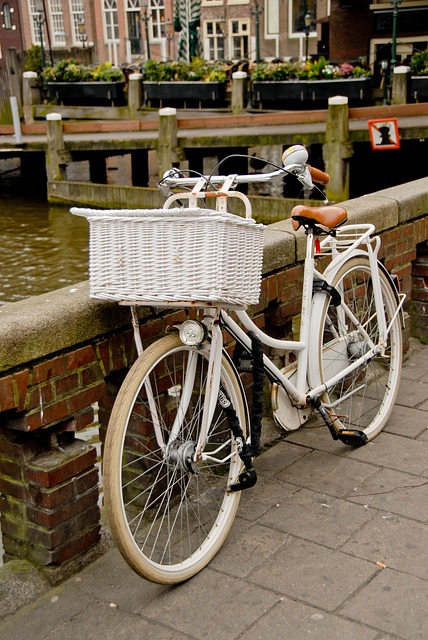
- Cycling etiquette: Bike lanes are serious. If you’re unsure, step aside and watch the flow first.
- Classic mistake: Treating every day like a day trip. It looks efficient — it feels exhausting.
Choose a lane: canal cities, coast & dunes, design/modern, or slow towns. Build your bases around that lane — then let the days breathe.
60-Second Fit Check
- Ideal trip length: 5–10 days (sweet spot), 10–14 if you add coast/islands properly.
- Best energy level: Medium. This isn’t “sit still,” but it’s also not a marathon.
- First-timer friendly: Very — as long as you don’t over-schedule.
- Budget vibe: Mid to treat-yourself (slowing down helps more than hunting “hacks”).
- What surprises people: How quickly crowds and prices rise when you chase “peak” everything.
- My simple rule: One main thing per day — and protect the afternoon.
The Netherlands shines when you stop trying to “cover ground” and start letting the place cover you. Cozy, calm, and oddly restorative — if you don’t fight it.

The Netherlands Is A Country Made By Water (And Still Negotiating With It)
Here’s the thing that changes how you see the Netherlands: a lot of what you’re standing on was engineered, reclaimed, protected, and maintained — not once, but constantly. So when you’re looking at canals, windmills, dikes, dunes, and perfectly flat horizons, you’re not just “seeing pretty.” You’re seeing a national skill.
If you want an experience that feels uniquely Dutch, don’t only chase “cute.” Make space for at least one water-story day: a windmill landscape, a long dike walk, a coastal dune bike route, or a modern neighborhood built with water in mind. It’s the hidden spine of the whole place.
The Netherlands doesn’t just live near water — it’s designed around it. Once you notice that, the country becomes far more interesting than a postcard.
Vibe Check: What Kind of Netherlands Are You Actually Here For?
Pick your “how I want to feel” first — then the route basically plans itself.
Canal cities & café rhythm
Walkable streets, pretty bridges, museums when you feel like it, and long lunches by water. Best enjoyed when you repeat neighborhoods instead of collecting them.
Think: Amsterdam (as a base), Utrecht, Haarlem, Leiden.
Sea air, dunes & nervous-system reset
Wide skies, beach towns, dune paths, and that clean “my head is quiet again” feeling. This is the Netherlands when you need space.
Think: Zandvoort / Bloemendaal, Zeeland, Texel.
Modern design & sharp edges
Architecture, food, contemporary culture, and a vibe that feels more “future Europe” than “storybook Europe.” Great for people who like contrast.
Think: Rotterdam, The Hague, Eindhoven (design/tech).
Street Smarts: Small Rules That Save Big Headaches
- Bike lanes are not decoration. Don’t drift into them. If you need to stop, step fully aside first.
- Keep your phone off “auto-pilot” in crowds. Busy stations and tourist hotspots are where the usual theft happens.
- Watch the tram/bike combo. In some places, bikes, trams, and pedestrians all intersect. Pause. Look. Then move.
- Card culture is real. Contactless is common. Still, keep a small cash backup so you’re never stuck.
- Don’t “overschedule” the evenings. The Netherlands shines in simple nights: a cozy pub, a local meal, a slow walk home.
- Respect residential neighborhoods. Some places are actively managing overtourism — the best move is quiet, polite, and low-impact.
I’d pick one neighborhood and become a regular for 3–4 days. Same breakfast spot. Same late-afternoon walk. That’s how the place stops feeling like a theme park.
Logistics Lite
The Netherlands is smooth — until you ignore a couple of modern travel realities. These basics remove most friction.
Entry rules & the 90/180 reality
The Netherlands is in the Schengen Area. For many travelers, that means a maximum short stay of 90 days in any 180-day period. Confirm your situation before you book long, expensive routes.
Visas & entry requirements (site guide)2026 border changes (EES / ETIAS timing)
The EU’s new Entry/Exit System (EES) has started rolling out, which can mean extra steps at borders. ETIAS is expected later — so check official updates close to departure, but don’t panic-plan a year in advance.
Getting around (what’s actually easiest)
Trains and local transport are excellent. For many travelers, the smoothest move is using contactless tap-in/tap-out where available, rather than learning a whole new system on day one.
Safety & common sense
The Netherlands is generally safe-feeling. Still, treat crowded tourist zones and major stations like any big destination: protect your phone, keep bags zipped, and don’t get sloppy in crowds.
Base Plans: 3 Simple Ways To Build A Netherlands Trip That Works
Pick one. You can always add day trips — the goal is a trip that feels good at 3pm, not one that looks impressive on paper.
Plan A: First-timer classic (7–10 days)
- Base 1: Amsterdam area (4–5 nights) — museums + canals + neighborhoods
- Base 2: Utrecht / Haarlem / Leiden (2–3 nights) — calmer, beautifully local
- Optional pocket: Coast & dunes day (reset day, not a mission)
Two nearby bases = less packing, more repeating places, and a calmer rhythm without losing variety.
Plan B: Sea air & slow towns (6–9 days)
- Base 1: Haarlem or The Hague (3–4 nights) — city comfort + easy coast access
- Base 2: Zeeland or an island (2–4 nights) — dunes, beaches, wide skies
- Rule: One main thing per day, then stop
If your nervous system is tired, this plan makes the Netherlands feel like a proper exhale.
Plan C: Modern Netherlands (5–8 days)
- Base 1: Rotterdam (3–4 nights) — architecture + food + sharp city energy
- Base 2: The Hague or Delft (2–3 nights) — culture + slower evenings
- Rule: Mix “big” with “normal”: markets, parks, a long lunch, then wander
You get contrast without chaos — and you stop thinking the Netherlands is only one aesthetic.

Costs & Pace: What Actually Moves The Needle
The Netherlands gets expensive when you move fast. You start paying for “speed” without noticing: last-minute rooms, peak-time trains, constant café stops because you never settle, and prime-location everything.
- Accommodation: Big hubs carry big premiums. Staying one step out can save a lot — with great transport.
- Transport: If you day-trip daily, you’ll spend more and feel more rushed. Choose fewer “musts.”
- Food: One proper sit-down meal beats endless small spends. Markets and casual spots can be excellent value.
- Attractions: Mix paid highlights with free “Dutch life” moments (parks, neighborhoods, canals, beach walks).
The cheapest Netherlands is the one where you don’t pack your bag again tomorrow. Slow isn’t lazy — it’s how you actually experience the place.
Un-Googleable Netherlands: The Stuff That Makes You Feel Like You Belong
These are the tiny cultural “doors” that open the trip. None of them are expensive. All of them are memorable.
The “gezellig” slow-down
The vibe isn’t about being loud — it’s about being comfortable together. Find a cozy place, stay longer than planned, and you’ll feel the country shift from tourist to human.
Market mornings
Pick one local market and go early. You’ll get better food, fewer crowds, and that quietly satisfying feeling of starting the day right.
Brown cafés & early evenings
The best nights can be simple: a warm pub, a hearty meal, then a calm walk back. Not every trip needs to end with a “big night out.”
A real bike moment
Even if you don’t cycle daily, try one easy, safe route — dunes, parks, or a quiet town loop. It’s not just transport; it’s how the place is designed to be lived in.
Gap Analysis: Is The Netherlands Right For Your Kind Of Trip?
This is where we get honest. The Netherlands is brilliant — but it shines most for certain travel styles.
You’ll love it if…
- You enjoy walkable cities and repeating neighborhoods.
- You like “pretty + practical” travel: markets, cafés, parks, museums, good systems.
- You’re happy with a slower rhythm and smaller daily goals.
- You want variety without long travel days.
- You prefer destinations where English is widely spoken but you can still experience a distinct culture.
- You enjoy observing everyday design details: typography, signage, window displays, architecture.
- You like mixing urban exploration with easy access to countryside, windmills, and coastal areas.
- You enjoy the ritual of grabbing coffee or a beer and people-watching from a terrace.
Plan around it if…
- You hate crowds (solution: fewer hubs, earlier starts, shoulder season, smaller bases).
- You want constant dramatic landscapes (solution: prioritize coast, dunes, and water-country days).
- You’re budget-sensitive (solution: slow down, base smart, cook sometimes, limit paid highlights).
- You’re tempted to “do it all” (solution: choose a lane and protect your afternoons).
The Netherlands punishes hurry. If you travel fast, it becomes expensive and oddly stressful. If you travel slow, it becomes one of Europe’s easiest wins.
The Netherlands FAQs
Quick answers to the stuff people actually worry about.
Do I need cash in the Netherlands?
Most travelers can live on card/contactless. However, I still carry a small cash backup for small purchases and the occasional “edge case.” It’s less about need — more about never being stuck.
Is it worth staying outside the biggest hubs?
Yes — often. Smaller bases can feel calmer, cheaper, and more “real life,” and you can still day-trip when you want. The trick is not turning every day into a commute.
Is cycling mandatory?
Not at all. You can walk and use transit easily. But doing one relaxed cycle day can help you “get” the country, because so much of Dutch design assumes bikes exist.
What’s the smartest planning move?
Protect your afternoons. Choose fewer bases, build in slow time, and stop treating every day like a highlight reel. That’s when the Netherlands starts feeling like home — even if you’re only there for a week.
Join the conversation
Are you planning the Netherlands as a fast “hit everything” trip — or a slower “two bases and breathe” trip? Drop your draft route, what you’re unsure about, or the kind of vibe you’re chasing. And if you’ve got practical tips, help the next traveler out.