MONACO, WHEN YOU WANT “RIVIERA ENERGY” WITHOUT A BIG-CITY LEARNING CURVE
Monaco Travel Guide: How to Enjoy the Glamour
Without Spending Like a Yacht Owner
Monaco is tiny, shiny, and surprisingly walkable. And yet, it’s also one of the easiest places to visit “wrong”… because it’s tempting to treat it like a quick photo stop, a casino flex, or a luxury theme park.
My Monaco approach is calmer: split the day into two Monacos. First, do the “postcard” stuff (The Rock, the views, the old streets). Then, do the “real-life” stuff (harbour loops, elevators, local corners, beach time). When you travel like that, Monaco stops feeling like a price tag — and starts feeling like a place.
Also, just so we’re clear: you don’t have to live in Monte Carlo to enjoy Monaco. You can base nearby (Nice, Menton, Beausoleil), arrive by train, and still have a genuinely great day — especially if you plan your pace and don’t try to “win” Monaco in three hours.
In a Nutshell (60-Second Scan)
If you only read one part, read this. Monaco is easy to enjoy once you stop treating it like a “luxury audition.”
- Best first move: Do a two-part day — “The Rock” (Monaco-Ville) in the morning, then harbour + beach later.
- When it clicks: The moment you discover the public elevators and stop fighting the hills.
- Money truth: Yes, Monaco is pricey — but pace controls the damage. (Rushing = paying for convenience.)
- Easy win: Arrive by train, walk the loops, and leave the car stress behind.
- Classic mistake: Casino + one selfie + leave. You’ll “see” Monaco, but you won’t feel it.
- Quiet flex: Fontvieille and the harbour areas feel more “lived-in” than the headline spots.
Monaco rewards a simple formula: one viewpoint + one harbour loop + one slow meal. Everything else is optional.
60-Second Fit Check
- Ideal trip length: 1 day (great), 2 days (sweet spot), 3+ only if you’re doing it as a slow Riviera base.
- Best energy level: Low to medium — Monaco is a vibe destination, not a checklist marathon.
- First-timer friendly: Yes — especially as a day trip from Nice/Menton.
- Budget vibe: Mid to treat-yourself (but the “day-trip + smart meals” approach keeps it sane).
- My simple rule: If you’re trying to prove something in Monaco, you’re going to overpay.
Monaco is one of the world’s smallest countries — and it’s famously shaped by reclaimed land and “making space where there isn’t any.” (That’s why the districts feel so layered.)
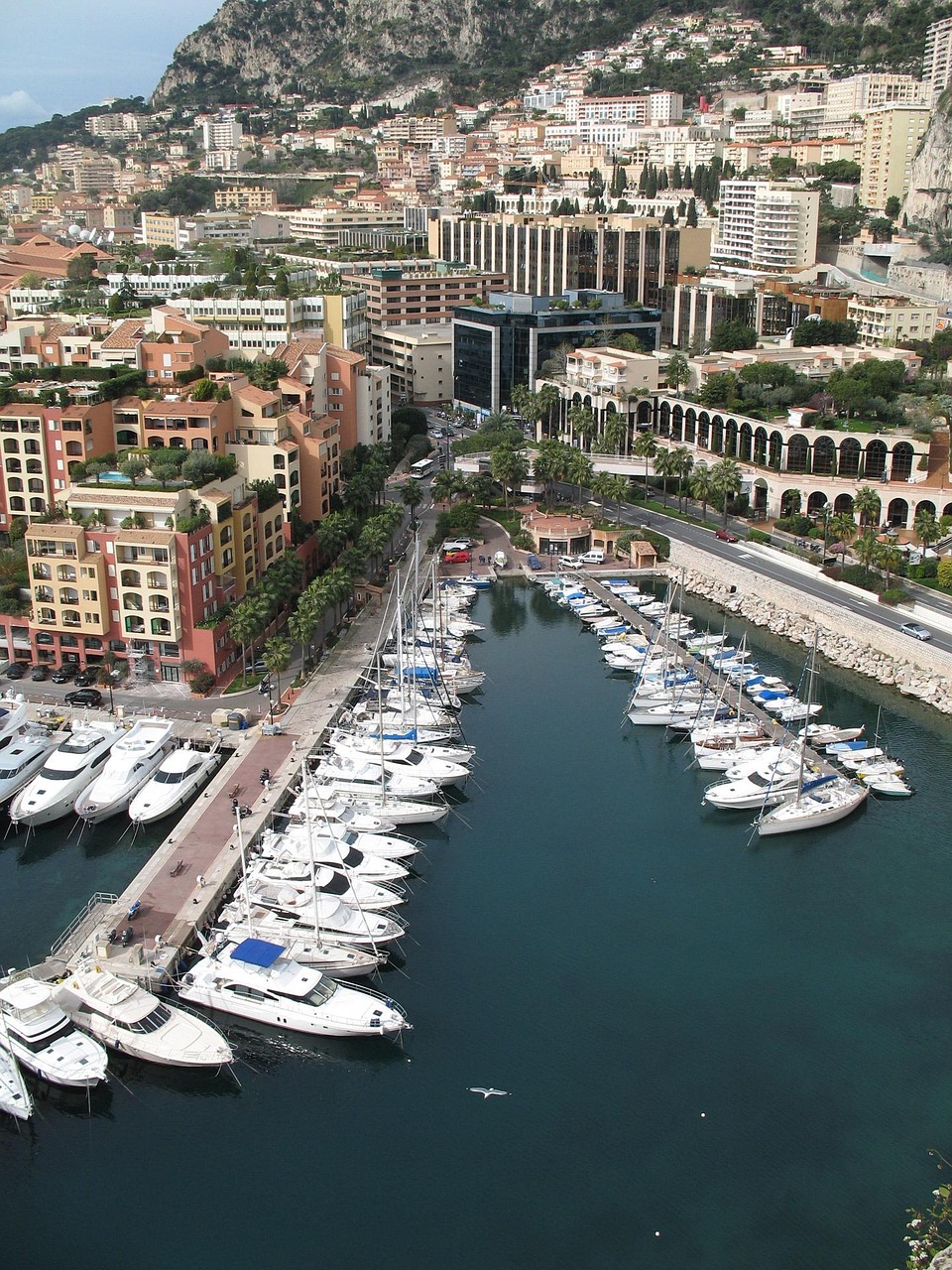
The Monaco That Clicks: La Condamine + Port Hercule + Fontvieille (The Working Harbour Loop)
If you want Monaco to feel like more than a glamorous postcard, build your day around the harbour side — La Condamine and Port Hercule — then drift toward Fontvieille when you want space and a calmer rhythm.
Here’s what changes when you do this: the pace softens. You’ll still see supercars and shiny things (Monaco shows off, it can’t help itself), but you’ll also see people living normal lives: commuters, runners, families, café locals, workers on lunch break. And honestly, that’s the version of Monaco I trust the most.
Fontvieille is especially good for this “real Monaco” feeling. It’s one of the younger districts, built on reclaimed land, and it has a more open layout — parks, marina views, and fewer “look at me” moments per square meter.
Morning: Monaco-Ville (The Rock) + views. Midday: harbour loop + market-style lunch. Late afternoon: Fontvieille stroll + rose-garden mood… then end at Larvotto for a swim or a sunset bench.
Vibe Check: What Kind of Monaco Are You Actually Here For?
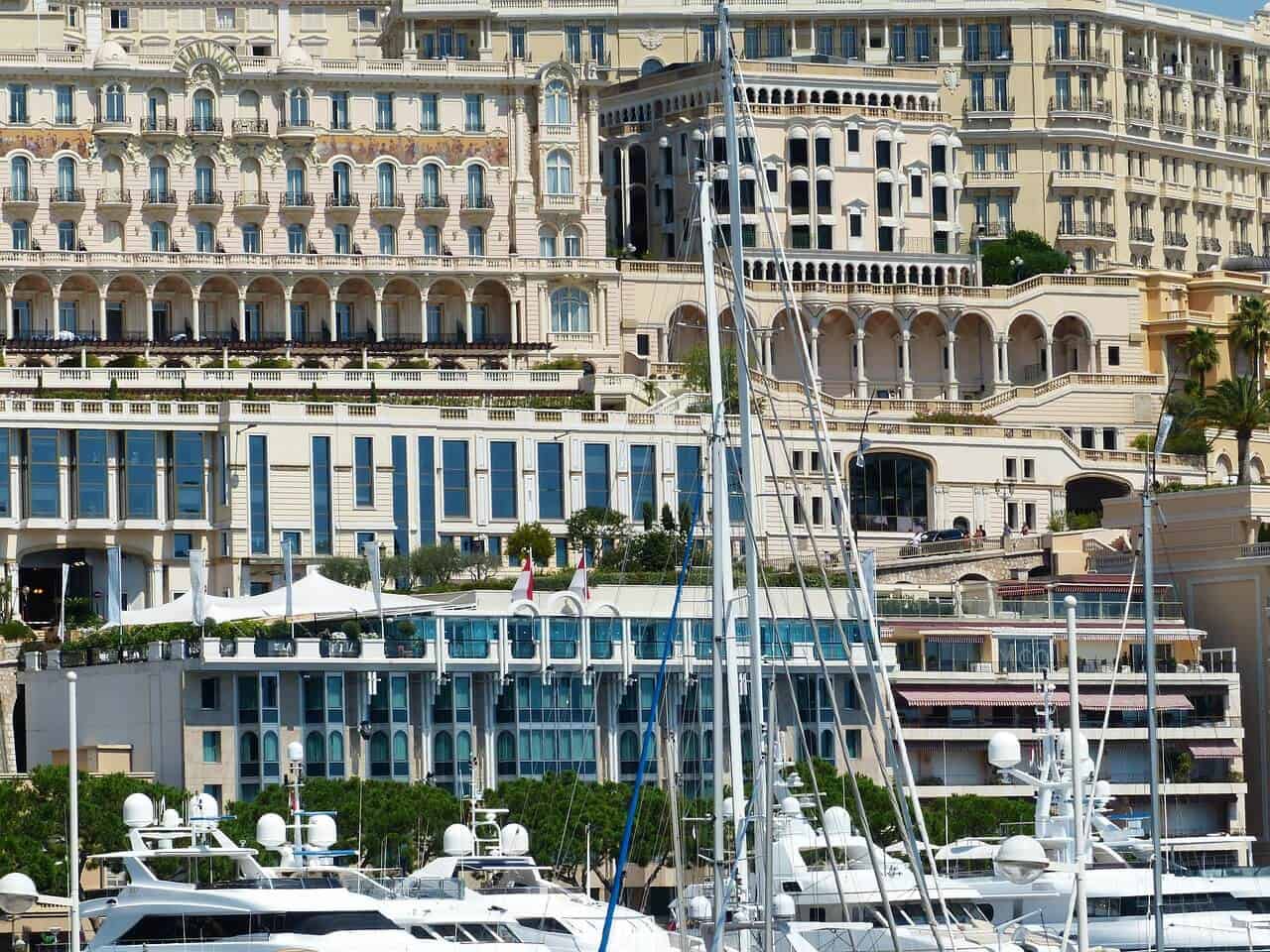
Monaco is tiny, so your day will feel completely different depending on which “lane” you choose. Decide the mood first.
The Storybook Monaco (The Rock + old streets)
You want the historic lanes, viewpoints, and that “tiny country, big history” feeling. Start slow, walk gently, and let the views do the heavy lifting.
Plan like: one viewpoint + one museum/anchor + a long coffee.
The Harbour Monaco (markets, loops, and real-life energy)
You want a day that feels grounded — boats, promenades, people living normal lives, and a pace you can sustain. This is the most “human” Monaco.
Plan like: harbour loop + lunch + a second loop later.
The Riviera Monaco (Larvotto + sunset + slow luxury)
You want swimming, sunlight, and a gentle evening. This Monaco feels less like a museum and more like a proper coastal break.
Plan like: afternoon beach time + early dinner + sunset bench.

Monaco in Four Seasons: Same Place, Totally Different Mood
- Spring: The best “walkable Monaco” season — comfortable temps, bright light, and fewer peak-summer crowds.
- Summer: Beach and late evenings. Also: heat + higher prices + more people (so book ahead and pace yourself).
- Autumn: My favorite for calm loops, easy photos, and “Riviera without the frenzy.”
- Winter: Cooler, but still very doable — especially if you’re pairing it with nearby cities and you like crisp, quiet streets.
Monaco is event-driven. If your dates overlap major weekends, prices and crowds can jump fast. So, if you want a calmer Monaco, aim for shoulder season and weekday visits.
Street Smarts: Small Monaco Rules That Save Big Stress
- Don’t “battle the hills.” Use the lifts/escalators where you can — Monaco is basically a vertical maze, and that’s part of the design.
- Dress codes are real in some places. If you’re aiming for the casino vibe, check expectations and don’t show up in beach mode.
- It’s safe… but stay normal. Monaco is generally very safe, but crowded areas can still attract pickpockets. Keep the basics tight.
- Restaurants vary wildly. One street can be “budget-ish,” the next street can be “€18 coffee energy.” Always scan menus first.
- Day-trip strategy works. If you’re price-sensitive, stay nearby and visit Monaco as a planned day — you’ll enjoy it more.
- Public toilets are scarce. Duck into a café or museum when you can. This isn't a city designed for wandering without pit stops..
- The €2 bus is your friend. . Monaco's public buses are clean, frequent, and cover the whole principality for pocket change. Line 1 and 2 hit most tourist spots — way better than walking every hill..
- ATMs charge tourist rates. If you need cash, hit one before you arrive or use card everywhere (widely accepted). Monaco ATMs know you're not local..
Monaco isn’t trying to be cheap — and that’s fine. Your job is to choose where you spend on purpose, and where you simply enjoy the scenery for free.
Logistics Lite
Monaco becomes effortless when you handle the modern basics up front: entry rules, border tech, money, power, and “how to move.”
Entry rules & the Schengen reality
Monaco is not an EU member, and it has no airport border-in/out like a normal country because most visitors arrive via France. In practice, your short-stay rules work like the surrounding Schengen zone — so if you’re building a longer Europe route, treat Monaco as part of your wider Schengen planning and always confirm your personal limits.
Visas & entry requirements (site guide)Border tech changes (EES / ETIAS)
If you’re entering Europe from outside, border processing is evolving. The EU’s Entry/Exit System (EES) is being introduced, and ETIAS authorization is expected later for many visa-exempt travelers. Translation: build buffer time on busy arrival days, and check official updates close to departure.
Money (euro) & everyday pricing
Monaco uses the euro (€). Prices can spike hard in the headline areas, so your biggest lever is still the same: pace. When you slow down, you buy fewer “panic purchases” (taxis, convenience meals, rushed decisions).
Power + emergencies + the “save this now” list
Expect European power standards (commonly listed as 230V / 50Hz) and typical continental plug styles. Pack a solid adapter and don’t rely on the “borrow one at reception” fantasy.
- General emergency: 112
- Fire: 18
- Ambulance: 15
- Police: 17
Getting around: train + feet + lifts
Monaco is made for walking… as long as you accept that “walking” includes stairs, hills, and smart shortcuts. Arrive by train if you can, then work with the city’s vertical layout instead of fighting it.
Driving: possible, but rarely the easiest
You can drive, but Monaco is dense and parking isn’t a casual hobby. Unless you’re doing a Riviera road trip already, trains + walking usually win on stress-to-reward.
If your plan includes cross-border driving, check the current rules for the countries you’ll actually drive in. Monaco is tiny; your car time often isn’t.
Base Plans: 3 Simple Ways To Build a Monaco Trip That Still Feels Good at 3pm
Pick one. Monaco is small — so your “base plan” is really a choice about how you want the day to feel.
Plan A: Sleep in Monaco (1–2 nights)
- Why: You get the early mornings and late evenings when Monaco feels calm.
- Do: The Rock in the morning, harbour loop midday, Larvotto later.
- Rule: One “treat” per day (nice dinner or a fancy drink), not five.
If you want the atmosphere without watching the clock all day.
Plan B: Day trip from Nice / Menton (best value)
- Why: You control costs while still getting a full Monaco day.
- Do: Arrive early by train, walk the loops, eat one proper meal, leave before you’re drained.
- Rule: Don’t cram neighbouring towns into the same day — keep the pace human.
Feels “premium” without turning your budget into confetti.
Plan C: Monaco as a reset day (between bigger cities)
- Why: Monaco works beautifully as a “clean palate” day.
- Do: Views + harbour + one calm museum/anchor.
- Rule: If you’re finished by early afternoon, that’s success — not failure.
Monaco is basically a structured, scenic breather — if you let it be.
Costs & Pace: What Actually Moves the Needle in Monaco
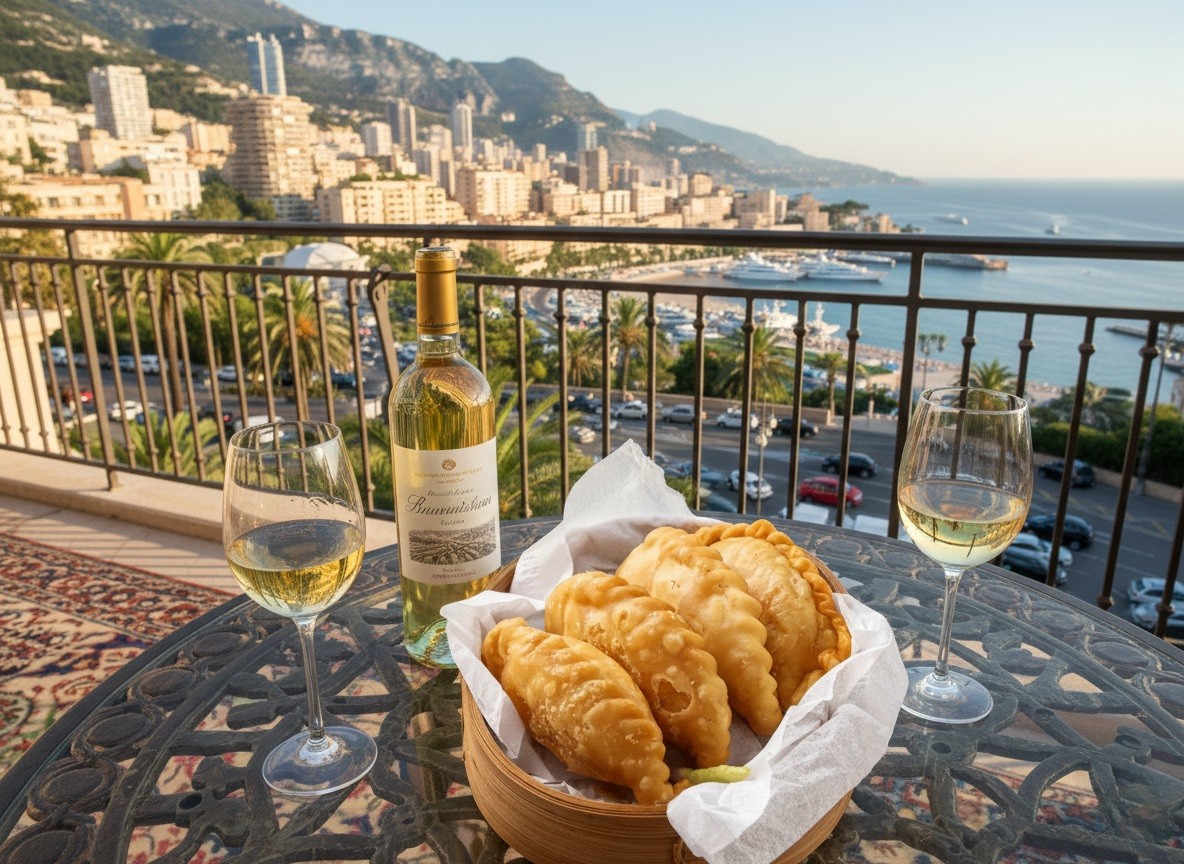
Monaco can feel eye-wateringly expensive if you travel in “panic mode”: taxis because you’re late, rushed meals, and paying premium prices in the most obvious places. However, the good news is: Monaco is also one of the easiest places to manage with smart pacing.
- Base strategy: Day-tripping (or staying nearby) is the cleanest way to keep costs sane.
- Meal strategy: Choose one deliberate sit-down meal, then keep everything else simple.
- Walking strategy: Use lifts/escalators to avoid fatigue-spending (the “I’m tired, just pay it” tax).
- Views are free: Monaco’s best moments are often benches, viewpoints, and harbour loops.
- Events change everything: If your dates overlap major weekends, expect price spikes.
Monaco doesn’t get expensive because it’s small. It gets expensive when your schedule forces you to buy speed.
🇲🇨 Monaco Daily Rhythm Comparison
How your pace shapes your day (and your spend)
Prices are illustrative (€) to show the relationship between pace and spend — not a quote.
Un-Googleable Monaco: Tiny Choices That Change the Whole Trip
These aren’t “hidden gems.” They’re the small behaviors that make Monaco feel like a country — not a flex.
Do the same loop twice — once fast, once slow
Monaco is tiny, so repetition is powerful. Walk a harbour loop midday, then do it again in the evening when the light changes. Suddenly it’s not “touristy”… it’s memorable.
Treat the elevators like your secret weapon
Monaco’s vertical layout can wreck your legs — and then your mood. So, take the lifts, save your energy, and spend your “walking effort” on the pretty parts.
Use Fontvieille as your “exhale” district
If Monte Carlo feels intense, slide toward Fontvieille. It’s more open, more park-and-marina, and it’s the easiest place to feel normal again.
Carry a swimsuit (seriously)
Monaco becomes a different trip when you add one swim or one beach hour. It instantly shifts the day from “spectator” to “participant.”
Gap Analysis: Is Monaco Right for Your Kind of Trip?
Monaco is iconic — and it’s not for everyone. Here’s the honest part (with fixes, not judgement).
You’ll love it if…
- You like compact places where you can walk a full “story arc” in a day.
- You enjoy harbour energy, viewpoints, and quiet luxury (even if you’re not buying it).
- You want a “premium day” that doesn’t require complicated logistics.
- You’re happy doing less — but doing it properly.
Plan around it if…
- You need budget travel all day long (solution: day-trip it, and choose meals deliberately).
- You hate crowds and event weekends (solution: visit midweek and in shoulder season).
- You want “wild nature” and big hikes (solution: pair Monaco with nearby coastal trails or inland villages).
Monaco is best as a designed day. If you show up without a plan, you’ll drift into the most expensive version by accident.
Monaco FAQs
Quick answers to the stuff people actually worry about.
Is Monaco part of France?
No — Monaco is its own sovereign principality. However, most visitors arrive via France, and the practical travel experience feels closely connected to the surrounding Riviera region.
Is Monaco in the EU?
No, Monaco is not an EU member, but it uses the euro and has close ties with Europe that affect day-to-day travel.
Can I do Monaco as a day trip from Nice?
Yes — it’s one of the best ways to visit if you’re trying to control costs. Arrive early, walk the loops, eat one proper meal, then leave before you hit “tired spending.”
Is Monaco expensive?
It can be, especially if you default to the most obvious areas and rushed convenience choices. However, if you day-trip, walk smart, and pick meals intentionally, Monaco becomes much more manageable.
Do I need a car in Monaco?
Not usually. Train + walking is often the least stressful approach. A car is only helpful if you’re already doing a wider Riviera road trip and you’re comfortable with parking logistics.
What emergency numbers should I save?
Save 112 for general emergencies, plus common local lines such as 17 (police), 18 (fire), and 15 (ambulance).
Join the conversation
Are you visiting Monaco as a day trip from Nice, a two-night “treat yourself” stop, or a quick reset between bigger cities? Share your rough plan and what you’re unsure about — and if you’ve got practical tips (especially budget-friendly ones), help the next traveler build a smarter Monaco day.