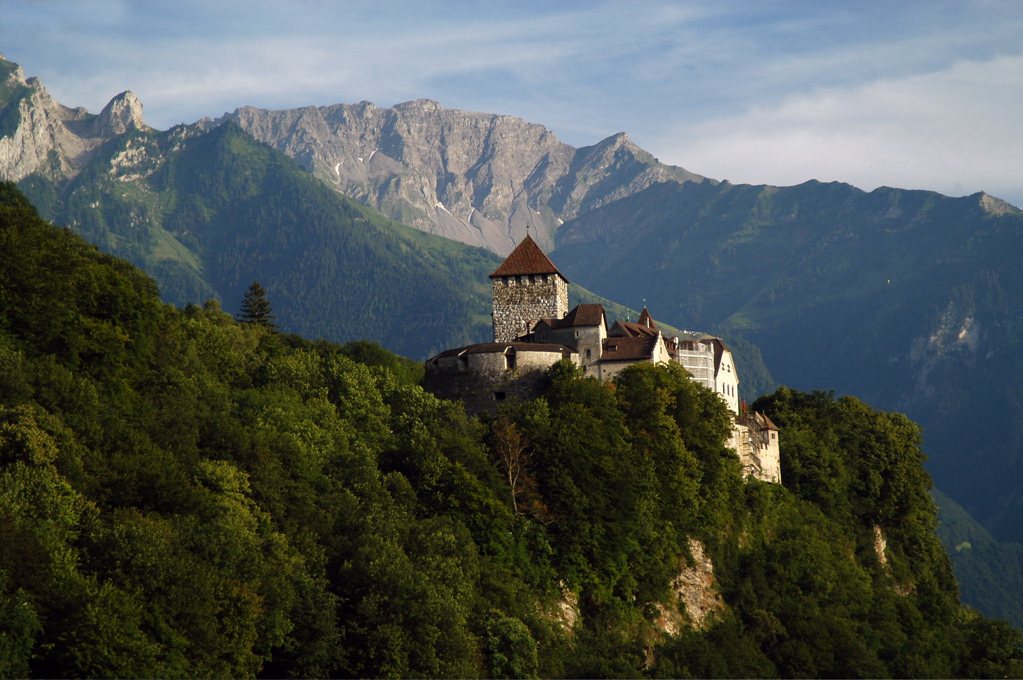
LIECHTENSTEIN, WHEN YOU WANT ALPS WITHOUT THE “BIG COUNTRY” CHAOS
Liechtenstein: How To Enjoy a Micro-Country
Without Treating It Like a 2-Hour Stopover
Liechtenstein is tiny — and that’s the whole point. It’s the kind of place where you can hike, museum, and eat well in the same day… then still have enough energy left to enjoy the evening.
My Liechtenstein rule is simple: don’t “collect it.” Instead, use it as a reset. Pick a base, pick a daily rhythm, and let the scenery do what it does best — calm your brain down. This is a place for short distances and long moments.
You’ll feel the country’s personality in the contrasts: tidy valley towns, steep hillside villages, and a proper Alpine pocket up in Malbun. It’s also a beautiful “bridge” destination — easy to pair with Switzerland or Austria — but it still rewards you most when you give it at least a couple of unhurried days.
In a Nutshell (60-Second Scan)
If you only read one part, read this. Liechtenstein is easy — as long as you don’t treat it like a checkbox.
- Best first move: Choose your “shape” — valley calm (Vaduz area) or mountain air (Malbun) — then plan around that.
- When it “clicks”: The first afternoon you stop rushing and just walk a loop with a coffee in hand.
- Money truth: Currency is Swiss francs (CHF). Some places accept euros, but CHF is the clean option.
- Micro-country advantage: You can see a lot without moving hotels — it’s the opposite of a “relocation marathon.”
- Quiet win: Hillside villages (like Triesenberg) make the whole country feel bigger — in the best way.
- Classic mistake: Doing it as a 2-hour stop. You’ll get the photo, but you’ll miss the feeling.
Liechtenstein rewards a simple formula: one base + one anchor per day + one “ordinary” loop (walk, café, viewpoint, repeat).
60-Second Fit Check
- Ideal trip length: 2–3 days (sweet spot), 4–6 if you hike properly or do the Liechtenstein Trail in stages.
- Best energy level: Low to medium — this is a “feel good” destination, not a sprint.
- First-timer friendly: Yes — especially if you’re already in Switzerland or western Austria.
- Budget vibe: Mid to treat-yourself (tiny country, Swiss-price gravity).
- My simple rule: If you’re trying to do everything by noon, you picked the wrong destination.
Liechtenstein is one of the world’s “microstates” — and that scale is exactly what makes it relaxing.
The Liechtenstein That Clicks: Triesenberg + Malbun (Hillside Culture, Then Real Alpine Air)
If you want Liechtenstein to feel like more than a quick valley photo, I love pairing Triesenberg (hillside village life and views) with a day or two up in Malbun (the Alpine pocket where the air changes and your shoulders drop).
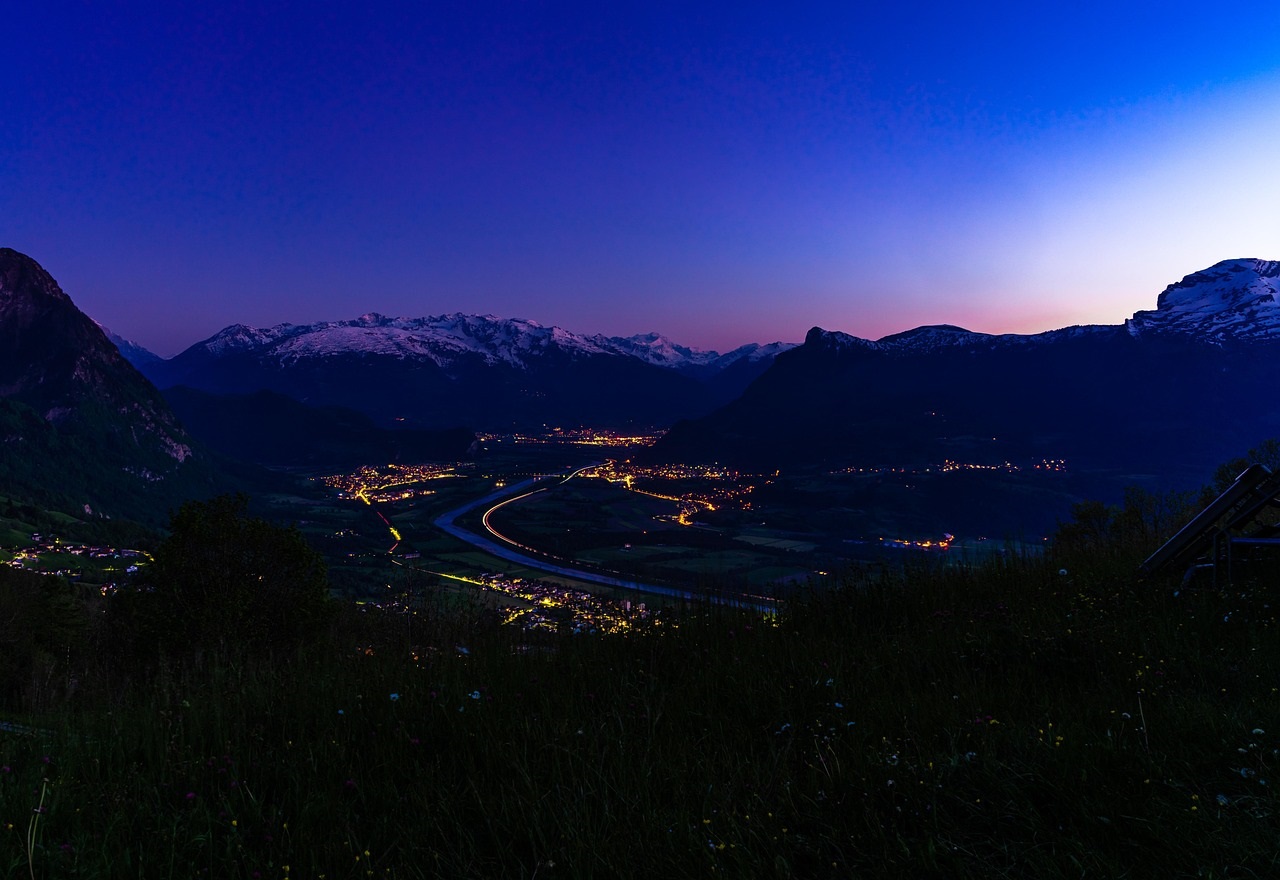
Triesenberg gives you that “above the valley” perspective — the kind where the Rhine corridor looks like a neat ribbon, and you suddenly understand why people live up high. It’s also a great place for slower cultural moments: a museum stop, a quiet meal, a viewpoint that doesn’t require a 6am wake-up.
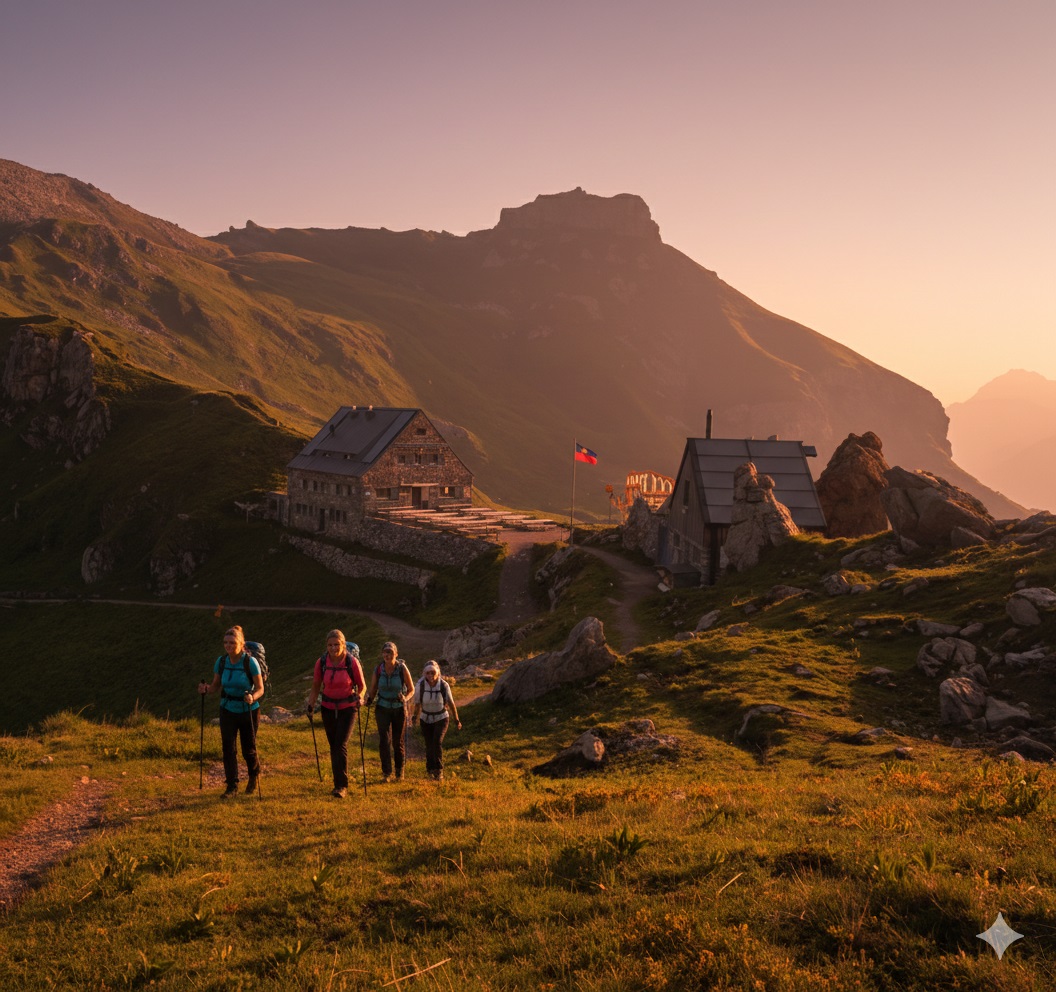
Then Malbun is the reward. In winter, it’s a small, family-friendly ski area. In summer, it’s an easy launchpad for hikes and big scenery without big crowds. Even if you’re not a serious hiker, you can still do the “soft version” of mountains here: lifts, viewpoints, shorter trails, long lunches.
Day 1: Vaduz + a gentle walk + museum. Day 2: Triesenberg for views + a slow afternoon. Day 3: Malbun for “mountain day” energy — with a backup plan if weather turns.
Vibe Check: What Kind of Liechtenstein Are You Actually Here For?
Decide how you want your days to feel first. This country is tiny — so your rhythm matters more than your route.
Soft culture (museums + cafés + views)
You want a clean little capital vibe, small museums, quiet streets, and a castle-on-a-hill backdrop. The win here is doing it gently — one museum, one viewpoint, one long meal.
Plan like: one anchor + one slow loop daily.
Village calm (hillside life and “above the valley” air)
You want slower conversations, local perspective, and views that make your phone camera work overtime. This is Liechtenstein’s “bigger than it looks” mode.
Plan like: half-day wander + sunset viewpoint.
Alpine day (Malbun + trails + winter/summer mountain mood)
You want crisp air, hikes, ski vibes (in season), and a proper mountain reset. This is where you respect weather and keep a backup plan.
Plan like: start early, keep it simple, don’t over-stack.

Liechtenstein in Four Seasons: Tiny Country, Big Mood Swings
- Spring: Valley walks feel fresh again, and it’s great for “gentle culture” plus soft hiking.
- Summer: Best for trails and long daylight — but pack layers; mountains change their mind quickly.
- Autumn: Golden views, crisp air, and the most photogenic version of “walk a loop, eat well, repeat.”
- Winter: Malbun turns on the snow switch. Cozy, family-friendly winter sports — book early if you’re visiting on peak weekends.
In micro-countries, “just pop up the mountain” can still mean real weather. Pack layers, check forecasts, and keep a valley option ready.
Street Smarts: Small Rules That Save Big Stress
- Schengen ≠ no checks forever. Border crossings are usually smooth, but customs controls can still happen, especially near Austria.
- Bring CHF (or a card that behaves internationally). CHF is the default. Euros are sometimes accepted, but change may come back in CHF.
- Public transport is your friend. Buses connect valley towns well, and they link out to nearby train hubs (Buchs/Sargans/Feldkirch).
- Castle expectations: Enjoy the viewpoint — but don’t plan on touring the inside of Vaduz Castle (it’s a royal residence).
- Hike honestly. Some routes are “serious mountain” even if the country is small. If you’re unsure, choose a softer trail and keep it fun.
Liechtenstein isn’t a “do everything” destination. It’s a “do a few things properly, then feel human again” destination.
Logistics Lite
Liechtenstein is simple once you handle the modern basics up front: entry rules, border changes, money, power, and “how to move.”
Entry rules & the 90/180 reality
Liechtenstein is part of the Schengen Area. For many travelers, that means the familiar 90 days in any 180-day period short-stay limit across Schengen. Always confirm your personal rules before you build a longer Europe route.
Visas & entry requirements (site guide)Border tech changes (EES / ETIAS)
If you’re entering Schengen from outside Europe, border processing is changing. The EU’s Entry/Exit System (EES) is rolling out, and ETIAS is expected later. Translation: build buffer time on busy arrival days, and check official updates close to departure.
Money (CHF) & everyday pricing
Currency is the Swiss franc (CHF). Liechtenstein often feels “Swiss-adjacent” in pricing, so your best lever is still the same: pace. Fewer transfers, fewer “convenience purchases,” and more calm meals.
Power + emergencies + the “save this now” list
Power is commonly listed as 220V / 50Hz and you’ll usually see the Swiss-style Type J plug. Pack an adapter that covers Switzerland/Liechtenstein.
- General emergency: 112
- Police: 117
- Fire brigade: 118
- Ambulance: 144
Getting around: buses do the heavy lifting
Liechtenstein’s bus network is genuinely useful. It links towns quickly and also connects out to nearby rail hubs in Switzerland and Austria — so you can arrive by train and keep moving without a car.
Driving: it’s easy — but mind the borders
Driving inside Liechtenstein is straightforward. The “gotcha” is that most routes naturally touch Switzerland or Austria — and that’s where rules like vignettes, winter equipment, and border controls can matter.
If your plan includes cross-border driving, check the current road/vignette requirements for the countries you’ll actually drive in. (Liechtenstein is small; your car time often isn’t.)
Base Plans: 3 Simple Ways To Build a Liechtenstein Trip That Still Feels Good at 3pm
Pick one. This country is small — so your base choice is really a choice about how you want your day to feel.
Plan A: Valley base (2–4 days)
- Base: Vaduz area (easy access to museums, cafés, and valley loops).
- Do: One museum/anchor per day + one viewpoint loop.
- Rule: If you’re done by early afternoon, that’s success — not failure.
It keeps the trip calm and lets you “live” the place instead of racing it.
Plan B: Mountain reset (2–3 days)
- Base: Malbun (winter sports in season, hiking and air in summer).
- Do: One proper mountain day + one softer day (lift/viewpoint/short trail).
- Rule: Always keep a weather backup plan.
If you want “Alps energy” without turning your trip into an athletic identity.
Plan C: Border-base day trips (2–5 days)
- Base: Nearby Switzerland or Austria (easy rail access) + day-trip into Liechtenstein.
- Do: A full Liechtenstein day (or two) without moving hotels.
- Rule: Don’t stack too many countries per day — keep the pace humane.
Great if accommodation availability/price inside Liechtenstein is tight for your dates.
Costs & Pace: What Actually Moves The Needle in Liechtenstein
Liechtenstein can feel expensive if you travel in “convenience mode”: last-minute meals, taxis because you’re rushing, and overpriced quick stops because you didn’t slow down. The good news is: this is one of the easiest places to fix with planning.
- Base count: One base works. Moving hotels here usually creates cost and stress without much payoff.
- Season: Winter weekends and holiday weeks can push prices up; shoulder season can feel calmer and better value.
- Transport: Buses are practical — but constant cross-border hopping can add “small costs that multiply.”
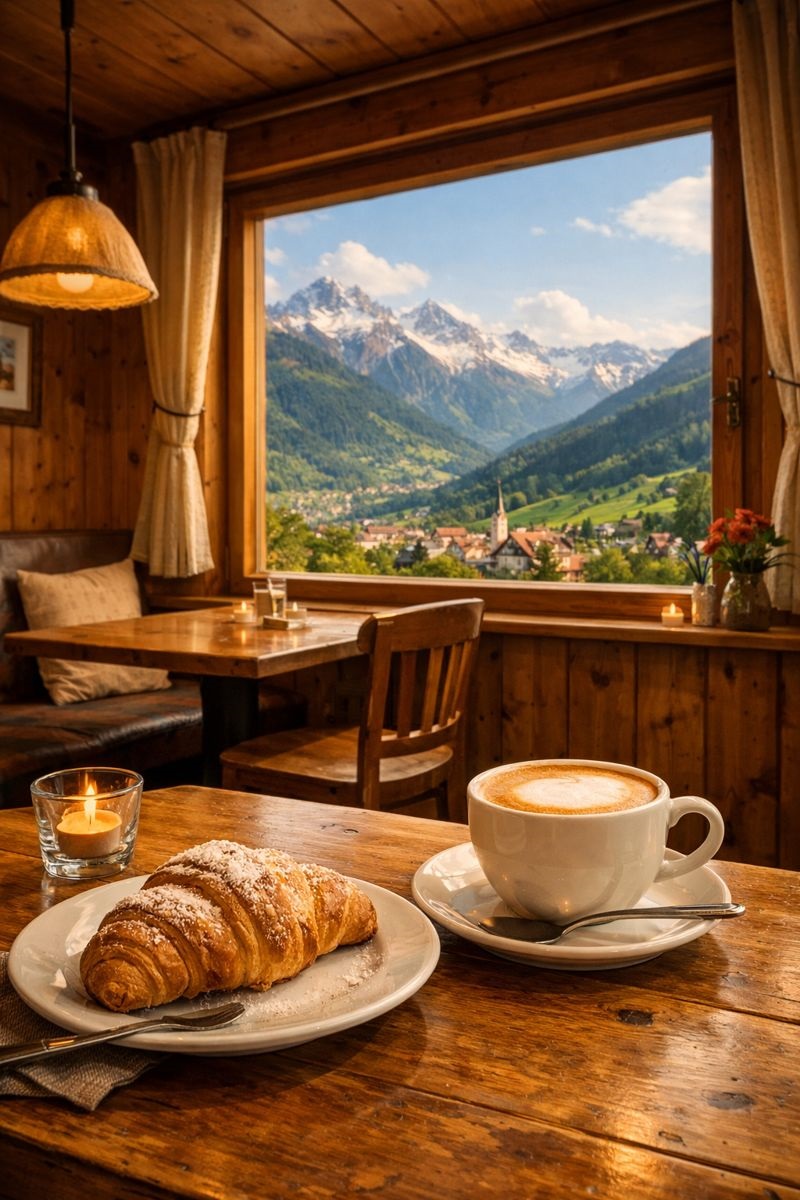
- Food strategy: One proper sit-down meal beats endless snack spending. Pick a café you like and return.
- Mountain add-ons: Lifts, gear, and mountain meals can raise daily spend — plan them intentionally.
Liechtenstein doesn’t get expensive because it’s tiny. It gets expensive when your schedule forces you to buy speed and last-minute decisions.
🇱🇮 Liechtenstein Daily Rhythm Comparison
How your pace shapes your day (and your spend)
Prices are illustrative (CHF) to show the relationship between pace and spend — not a quote.
Un-Googleable Liechtenstein: Tiny Choices That Change The Whole Trip
These aren’t “hidden gems.” They’re the small behaviors that make Liechtenstein feel like a place — not a photo stop.
Do one loop twice
Repetition is weirdly powerful in small countries. Walk the same valley path again at a different time of day — you’ll notice more, and you’ll feel calmer.
Pick a viewpoint and sit there longer than you planned
This is the whole point of being here. Ten extra minutes can be the difference between “nice view” and “I actually remember this.”
Use the Liechtenstein Trail as a menu, not a mission
You don’t have to hike the whole thing. Choose a stage or a section that fits your legs and your mood — and keep it enjoyable.
Get the souvenir passport stamp… if you’re that kind of traveler
It’s goofy and wholesome and very on-brand for a micro-country. Just remember it’s a souvenir stamp — not an official border stamp.
Gap Analysis: Is Liechtenstein Right For Your Kind Of Trip?
Liechtenstein is lovely — and it’s not for everyone. Here’s the honest part (with fixes, not judgement).
You’ll love it if…
- You like calm places where you can actually hear yourself think.
- You enjoy scenery and short distances more than “big city” intensity.
- You’re happy doing less per day — but doing it properly.
- You want an easy add-on to Switzerland/Austria without complicated logistics.
Plan around it if…
- You need constant nightlife (solution: use it as a day reset between bigger cities).
- You’re tight on budget (solution: base nearby, day-trip in, and keep pace low).
- You want “major landmarks” all day long (solution: come for rhythm + views, not trophy-hunting).
If you arrive expecting a small Switzerland, you’ll enjoy it. If you arrive expecting a “top 10 sights” sprint, you’ll feel confused.
Liechtenstein FAQs
Quick answers to the stuff people actually worry about.
Is Liechtenstein in the EU?
No. It’s not an EU member, but it is part of the Schengen Area and closely connected to neighboring countries. Always check your personal entry rules if you’re building a longer Europe route.
What currency do I use in Liechtenstein?
The Swiss franc (CHF). Some places may accept euros, but CHF is the default and the cleanest option.
Do I need a car in Liechtenstein?
Not necessarily. Buses are useful for valley travel and link to nearby train hubs. A car helps if you want maximum flexibility, but for a calm trip, public transport often works fine.
What’s the best time to visit?
Summer and early autumn are great for hiking and long days; winter is ideal if you want Malbun snow sports. Shoulder seasons can be a sweet spot if you want calm and don’t mind cooler evenings.
What plug adapter do I need?
Plan for the Swiss-style Type J plug. Power is typically listed as 220V / 50Hz.
What emergency numbers should I save?
Save 112 (general emergency), plus local lines like 117 (police), 118 (fire), and 144 (ambulance).
Join the conversation
Are you thinking of Liechtenstein as a mountain reset, a culture-and-views weekend, or a calm add-on to Switzerland/Austria? Share your rough plan and what you’re unsure about — and if you’ve got practical, real-world tips, help the next traveler build a smarter (and calmer) Liechtenstein trip.