SOUTHEAST ASIA LANE
Indonesia Travel Guide: Island Scale, Volcano Routes, and a Plan That Won’t Burn You Out
Indonesia works best when you stop trying to “do the whole country” and build around one island cluster at a time.
My framework: one anchor island, one contrast island, and one protected transfer buffer day.
This is an archipelago marathon, not a sprint. If your route is cleaner, your experience gets deeper, cheaper, and calmer.

At a Glance (60-Second Scan)
Indonesia gets dramatically easier when you reduce island-hopping and choose a clear travel rhythm.
- Best first move: Pick one hub (Bali, Java, or Flores corridor).
- Ideal first trip: 10–14 days for 2 island zones max.
- Classic mistake: Overpacking flights/ferries into short windows.
- Big win: Keep at least one transition day lightly scheduled.
- My rule: “Transfer day” is not “sightseeing day.”
Indonesia can feel magical or chaotic. The difference is route design.
- Massive archipelago with major regional differences.
- Dry/wet patterns vary by island group.
- Domestic flights are useful, but delays happen.
- Culture, nature, and surf/diving can be combined if pacing is realistic.
60-Second Fit Check
- Ideal style: Explorers who like variety and can handle logistics.
- Energy level: Medium (higher with volcano/hike plans).
- First-timer friendly: Yes, with a simplified route.
- Budget vibe: Strong value, with spikes in hotspot areas/seasons.
- Transport spine: Flights + boats + local drivers/rides.
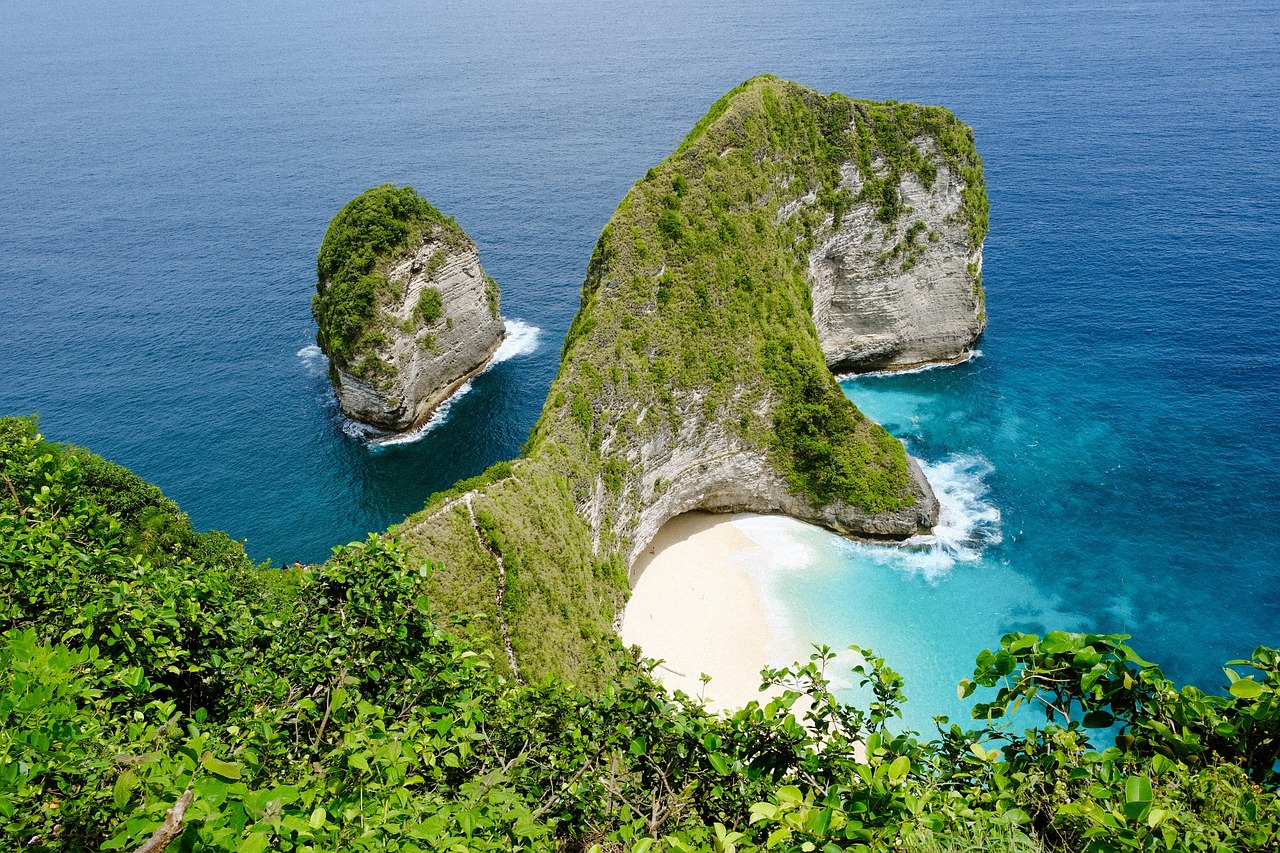
The Indonesia That Clicks: One Hub, One Contrast, One Buffer
The best first-trip structure is: one base you can settle into + one contrast environment.
Example: Bali/Ubud as culture + ease anchor, then Komodo/Flores for wild contrast. Or Java heritage/volcano line, then Bali recovery.
My blunt take: trying to see Bali, Java, Lombok, Flores, and Raja Ampat in one short trip is route sabotage.
Days 1–6 anchor zone, Days 7–11 contrast zone, Day 12 buffer/admin, Day 13–14 depart.
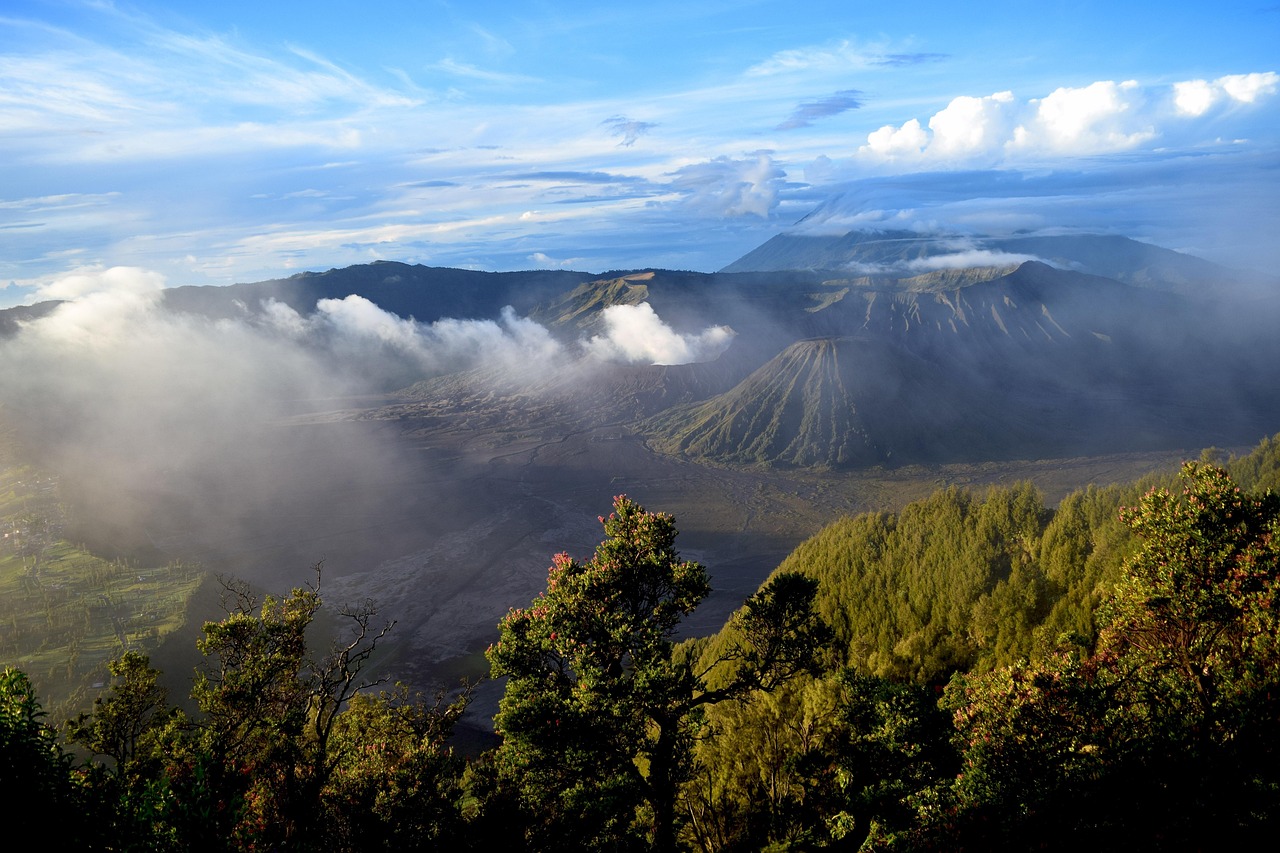
Vibe Check: Which Indonesia Are You Here For?
Pick a dominant lane first. Add one contrast lane second.
Culture + Wellness + Easy Logistics
Bali/Ubud-style routes with strong infrastructure and flexible day design.
Volcano + Heritage + City Texture
Java corridors for temples, mountain mornings, and layered urban culture.
Marine + Wild Nature Contrast
Flores/Komodo-style routes for big scenery, boats, and nature-forward pacing.
The Major Destinations
Start with these anchors, then add depth only when your transfer rhythm is stable.
Jakarta + Gateway Role
Jakarta is Indonesia’s main international gateway and works best as a short stabilization base before you jump into culture or islands. Keep this leg functional: recover, organize, and move onward cleanly.
- Best for: arrival logistics and route setup.
- Trip logic: 1–2 nights max for most first-timers.
- Pacing tip: avoid overloading your first 24 hours after long-haul flights.
You use Jakarta as a runway, not the whole flight plan.
Yogyakarta + Borobudur/Prambanan Axis
Yogyakarta is the strongest culture base in Java and pairs naturally with Borobudur and Prambanan. It gives your Indonesia trip historical depth instead of just beach momentum.
- Best for: heritage, arts, and temple landscapes.
- Trip logic: place early-to-mid itinerary before island hopping.
- Pacing tip: split major temple visits across separate half-days.
Java’s culture leg is what stops the trip feeling like “just another island vacation.”
Bali + Subak Cultural Landscape
Bali remains Indonesia’s easiest all-round base for many travelers, and it’s more than beaches: the Cultural Landscape of Bali Province (Subak system) is UNESCO-recognized and adds real depth.
- Best for: mixed pace (wellness, culture, coast, food).
- Trip logic: use as a stable base before/after eastern island legs.
- Pacing tip: choose one Bali zone per stay to reduce traffic fatigue.
Bali gets better when you travel by zones, not by daily cross-island sprints.
Labuan Bajo + Komodo National Park
Labuan Bajo is the practical access point for Komodo National Park, one of Indonesia’s most iconic nature destinations. This leg is ideal when you want marine scenery, wildlife value, and a real expedition feel.
- Best for: nature-driven travelers, island-hopping, and marine days.
- Trip logic: add after a cultural anchor (Java/Bali) for strong contrast.
- Pacing tip: reserve buffer time for weather/boat scheduling variability.
Indonesia works best as one cultural spine + one island spine, not ten rushed hops.
Indonesia in Four Seasons (Text + Icons)
No image here by design—fast-scan planning notes only.
Dry-leaning Window
Best for: multi-stop routes, boats, and volcano viewpoints.
Peak Sunshine Period
Best for: outdoor-heavy plans with early starts and hydration discipline.
Wet-leaning Window
Best for: slower itineraries and flexible transport timing.
Shoulder Mix
Best for: value-focused travel with adaptable plans.
Weather is regional in Indonesia. Always check island-specific patterns before locking transport.
Daily Rhythm Comparison (Indonesia Edition)
Pick a tempo per island cluster. Don’t force one pace across every environment.
Culture & Calm Rhythm
- Morning: temple/market/cafe block.
- Midday: shade + food + reset.
- Late afternoon: short walk/creative activity.
- Evening: quiet dinner, early sleep.
- Energy load: Low to medium.
Volcano & Adventure Rhythm
- Pre-dawn: hike/peak effort session.
- Midday: full recovery block.
- Late afternoon: light mobility only.
- Evening: nutrition + sleep protection.
- Energy load: Medium to high.
Marine & Boat Rhythm
- Morning: sea window activity.
- Midday: shade + hydration + admin.
- Late afternoon: coast walk / recovery swim.
- Evening: simple food + early prep.
- Energy load: Medium.
In Indonesia, energy pacing is the difference between “epic trip” and “logistics fatigue.”
Rob’s Suggestions: One Food Win + One Activity Win
Anchor your memory with one intentional meal and one intentional movement day.

Food pick: Nasi bali or regional rice plate with local sides
One deliberate sit-down meal beats random grazing all day. Ask locals where they take family, not where tourists queue.
Activity pick: Sunrise ridge or coastal walk, then a low-intensity afternoon
Indonesia rewards early movement. Keep afternoons lighter so you can maintain quality across multi-day routes.
One flavor memory + one movement memory per base keeps the whole trip grounded.
Safety: Suggestions, Warnings, and Calm Ground Rules
Most issues are preventable with route discipline, weather awareness, and transport caution.
Smart habits
- Keep boat and volcano activities weather-aware.
- Use reputable drivers/transport platforms.
- Hydrate and recover aggressively in hot/humid zones.
- Store passports/cards in split locations.
- Respect local customs at religious sites.
Warnings worth respecting
- Inter-island timing can shift with weather and operations.
- Road travel times can be much longer than expected.
- Fatigue from early starts compounds fast.
- Sea conditions can change quickly around small craft routes.
- Re-check official advisories before departure.
Indonesia is safest when you leave margin in the itinerary instead of chasing max coverage.
Official checks before departure
Women travelers: confidence plan
- Use well-reviewed, central accommodation bases.
- Prefer daylight transfers for new destinations.
- Share route plans when moving between islands.
- If anything feels off, move early to busy public areas.
Logistics Lite
Get these right and the trip becomes smoother immediately.
Entry + pre-arrival checks
Check visa/entry requirements by passport and confirm latest arrival processes before flying.
Inter-island movement
Don’t treat the map like one city. Prioritize fewer jumps and longer stays per zone.
Money + payments
- IDR cash remains useful in many local settings.
- Split cash/card reserves for resilience.
- Watch ATM and conversion fees on repeated withdrawals.
Connectivity + admin discipline
- Download offline maps for each island segment.
- Screenshot flight/boat details in advance.
- Run a nightly 5-minute transport check.
Base Plans: 3 Indonesia Structures That Work
Plan A: Bali + Nusa/Lombok Contrast (10–12 Days)
- Strong first-time mix of ease + nature.
- Good infrastructure and food/lodging options.
- Keep one marine-weather buffer day.
Plan B: Java Core + Bali Recovery (12–14 Days)
- Culture, city texture, and volcanic landscapes.
- Best for medium/high-energy travelers.
- Works well with protected recovery slots.
Plan C: Flores/Komodo Focus (9–12 Days)
- Nature-first route with marine emphasis.
- Excellent contrast to urban-heavy travel.
- Requires tighter weather/logistics flexibility.
Costs: What Actually Moves the Budget
Where people overspend
- Too many inter-island jumps in short windows.
- Peak-season booking too late in hotspot areas.
- Paying premium for last-minute transfers.
- Stacking paid tours without recovery planning.
- Ignoring friction costs on transit-heavy days.
How to keep it sane (USD-first mindset)
- Set daily USD targets; transact in IDR with discipline.
- Pre-book anchors; keep selective flexibility.
- Limit premium experiences to one per base block.
- Use low-spend rhythm days to reset budget and energy.
Indonesia can be high value if your route is efficient and your pace is realistic.
Un-Googleable Indonesia: Small Moves, Big Difference
Treat admin as a daily ritual
Ten minutes nightly for tickets, transfers, and map pins removes most next-day chaos.
Protect your first and last 24 hours
Avoid heavy logistics right after arrival and before departure.
Use early hours for high-value moments
Sunrise windows improve comfort, crowds, and outcomes on active days.
Keep one known-good food spot per base
It reduces decision fatigue and stabilizes your daily rhythm.
Gap Analysis: Is Indonesia Right for Your Style?
You’ll love it if…
- You enjoy nature + culture variety in one country.
- You can handle moderate logistics complexity.
- You like balancing adventure with recovery days.
- You prefer long-form travel over checklist sprints.
Plan around it if…
- You want ultra-simple single-city logistics only.
- You dislike weather-driven route flexibility.
- You’re trying to cover too many islands in one short trip.
Indonesia rewards travelers who simplify route design and protect recovery cadence.
Indonesia FAQs
Short answers to practical planning questions.
How many days do I need for Indonesia?
Ten to fourteen days is a strong first-trip window for two island zones done properly.
Should I island-hop heavily on my first trip?
No. Two zones is usually the sweet spot for first-time travelers.
Is Indonesia budget-friendly?
Yes, generally strong value, but transport-heavy routes can raise costs quickly.
What causes most trip friction?
Overpacked routes, underestimating transfers, and poor energy pacing.
What should I verify before departure?
Visa/entry conditions, island weather windows, transport links, and current advisories.
Join the conversation
Are you planning Indonesia as culture-first, volcano/adventure, or marine-nature contrast? Share your route idea and timing so other travelers can learn from your setup too.