WEST AFRICA LANE
Cabo Verde Travel Guide: Islands, Routes & Trip Planning
This Cabo Verde travel guide helps you choose between beach stays, music-filled towns and walking islands without rushing between them. First, pick the experience you want most. Then check the flights or ferries before adding a second island. Leave a buffer before your international departure, because sea conditions and schedules can change.
My framework here is simple: one anchor island, one contrast island, and one buffer day for weather or transport shifts.
For a first visit, I would choose fewer islands and spend longer on each. That way, the trip has room for an unplanned afternoon as well as the sights you came to see.
In a Nutshell (60-Second Scan)
Cabo Verde gets dramatically easier when you plan around island personality + transport reality.
- Best first move: First, choose a main island such as Sal, Santiago or São Vicente.
- Ideal first trip: for example, allow 7–10 days for two islands, but check connections before fixing the route.
- Classic mistake: Instead of stacking transfers, compare what another island adds to the trip.
- Big win: Also allow a transport buffer, especially before an international flight.
- My rule: After an island transfer, keep the arrival-day plan light.
In other words, fewer island changes can mean more time to enjoy the places you choose.
- Atlantic island nation off West Africa.
- The archipelago has ten main islands; however, visitor access and transport links differ.
- Strong trade winds shape beach and ferry conditions.
- Music, food, and sea rhythm are core to the experience.
60-Second Fit Check
- Ideal style: Beach + culture + low-friction island pacing.
- Energy level: Low to medium (higher on hiking islands).
- First-timer friendly: Yes, if route is simple.
- Budget vibe: Mid-range comfort with premium spikes in peak periods.
- Transport spine: Domestic flights + selective ferries.
The Cabo Verde That Clicks: One Anchor, One Contrast, One Buffer
For a manageable first route, consider: Anchor island + contrast island + buffer day. That structure gives you freedom without chaos.
Example: Sal for beach rhythm and easy arrival, then São Vicente for music/city texture, or Santo Antão for hiking contrast. However, check the actual connection and allow flexibility for transport or weather changes.
My preference: explore fewer islands properly rather than spending the holiday chasing connections.
Days 1–4 anchor island, Days 5–8 contrast island, Day 9 as planned buffer, Day 10 fly out.
Vibe Check: Which Cabo Verde Are You Here For?
Pick your lane first, then your islands.
Sun + Beach + Ease
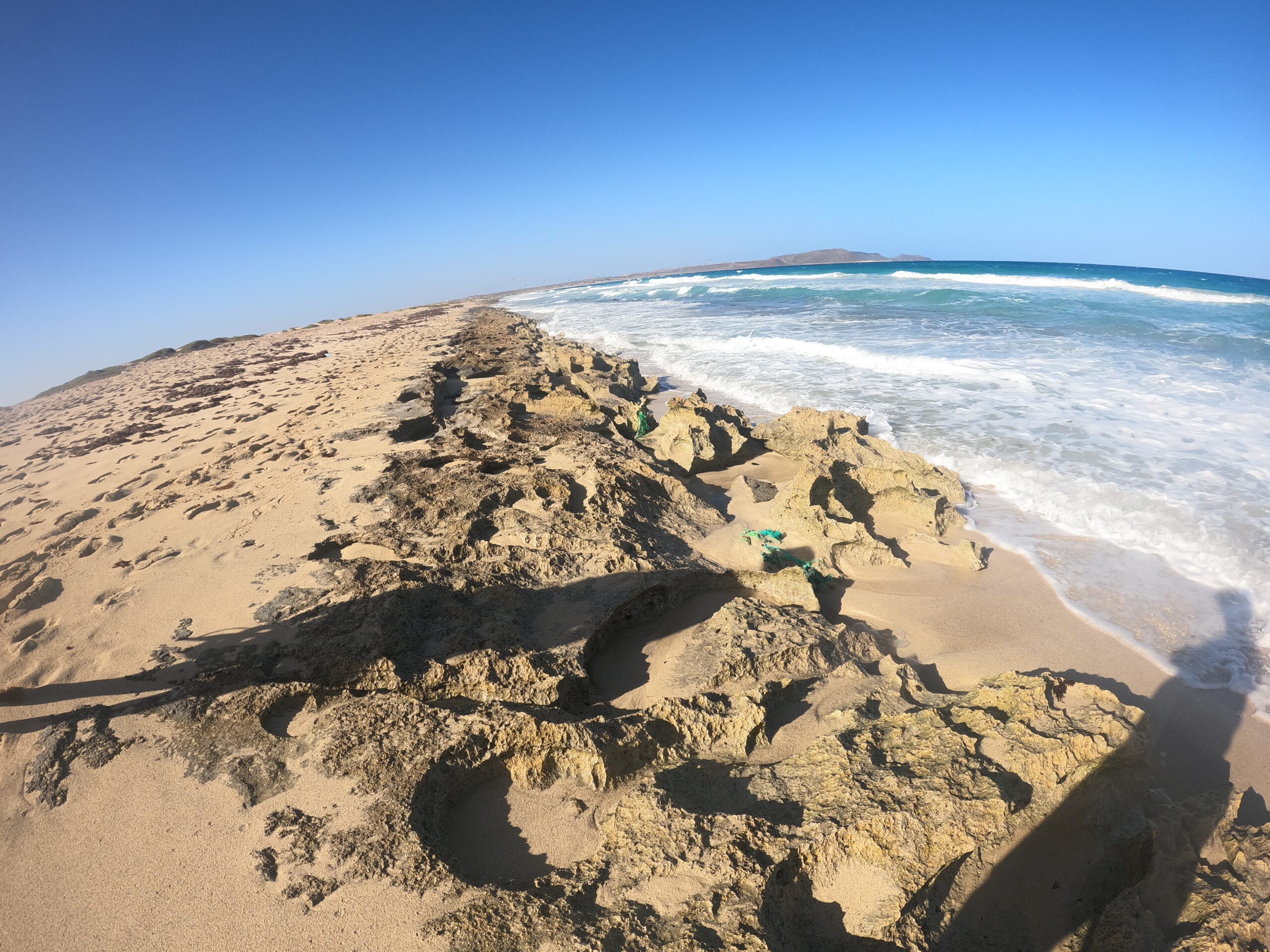
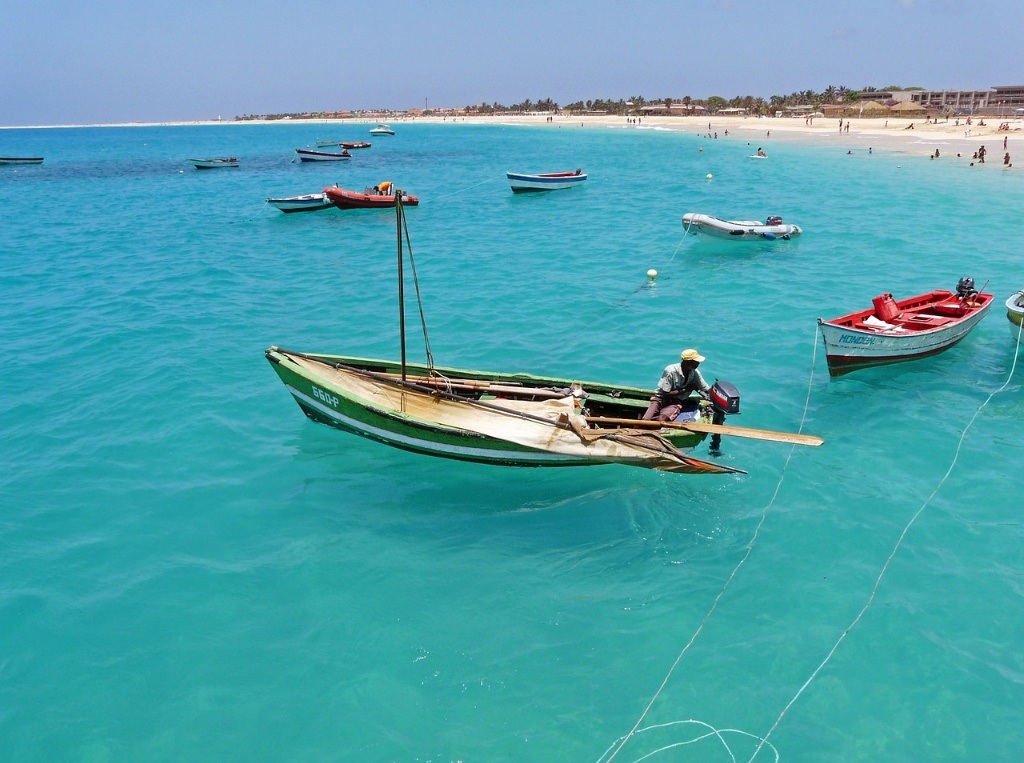
For a beach-focused stay, compare Sal and Boa Vista, including the accommodation and sea conditions.
Culture + Music + City Texture
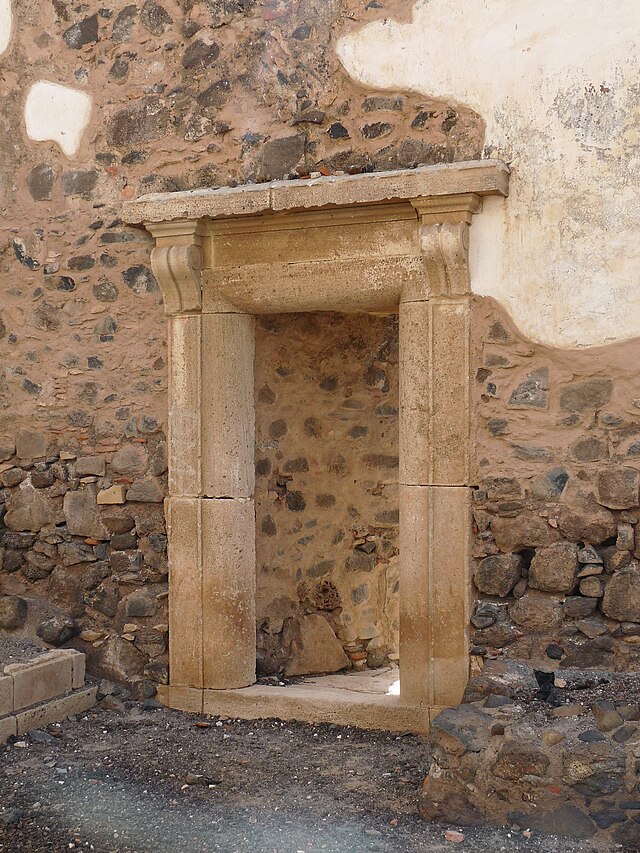
Alternatively, compare Santiago and São Vicente for towns, food and music.
Hike + Volcano + Wild Contrast
For walking and varied terrain, consider Santo Antão or Fogo; then check route difficulty and access.
Cabo Verde Weather: Seasons, Wind and Sea Conditions
These are broad planning cues rather than guarantees. Therefore, check the forecast, sea conditions and advice for the islands and activities on your actual route.
Spring
Best for: compare spring walking conditions and wind before choosing a mixed-island route.
Summer
Best for: for a summer stay, prepare for warmer conditions and check rain forecasts before outings.
Autumn
Best for: for autumn travel, compare local conditions and connections rather than assuming a quiet shoulder season everywhere.
Winter
Best for: winter sun and wind sports may appeal; however, wind and sea conditions still determine which activities are suitable.
Wind and sea conditions can shape plans more than temperature—build flexibility in from day one.
Daily Rhythm Comparison (Cabo Verde Edition)
First, choose a daily pace that suits your energy. Then compare it with the activities and transfers available on each island.
Beach Reset Rhythm (Sal / Boa Vista)
- Morning: easy start, light movement, shoreline walk.
- Midday: protected sun hours, lunch + shade.
- Late afternoon: swim, dunes, or short outing.
- Evening: low-key dinner + early recovery.
- Energy load: Low to medium.
Culture & Music Rhythm (Santiago / São Vicente)
- Morning: market/café streets while cooler.
- Midday: museum, indoor break, slower pace.
- Late afternoon: city walk + viewpoints.
- Evening: music, food, and social energy.
- Energy load: Medium.
Trail & Terrain Rhythm (Santo Antão / Fogo)
- Morning: primary hike/terrain effort.
- Midday: recovery nutrition + hydration window.
- Late afternoon: short village loop or rest.
- Evening: quiet dinner + full sleep block.
- Energy load: Medium to high.
Rather than combining hard walks and late nights every day, allow recovery time between demanding outings.
Rob’s Pointers: One Food Win + One Activity Win
One sensory food memory plus one movement memory keeps the trip grounded.

Food pick: A real cachupa session
Make time for cachupa, a slow-cooked stew built around maize, beans and vegetables, with recipes that may include meat or fish. Rather than treating it as another item to tick off, ask how the kitchen prepares it. Then sit down and enjoy a meal that has had more patience put into it than most holiday itineraries.
Activity pick: Sunset coastal walk (wind-aware)
Late afternoon coastline is a sweet spot here. You get softer light, better temperature, and the island pace actually starts to reveal itself.
One food anchor + one active anchor beats a crowded checklist every time.
Safety: Suggestions, Warnings, and Calm Island Rules
Good preparation can reduce avoidable problems. However, ocean conditions, crime and transport disruption still deserve attention.
Smart habits
- First, follow beach warnings and local advice because currents can be stronger than they look.
- Then use registered transport and confirm the price before departure.
- Also carry sun protection and drinking water, even when the wind feels cooling.
- In addition, keep a backup card and small cash reserve separately.
- Before moving islands, save accommodation details and tickets offline.
Warnings worth respecting
- Because inter-island timings can change, allow a buffer rather than a tight connection to your flight home.
- After dark, avoid isolated areas and arrange reliable transport.
- Food/water hygiene matters—travel smart if you have a sensitive stomach.
- Strong sun + wind can hide fatigue; pace your activity blocks.
- Finally, re-check official advisories close to departure.
Therefore, plan transport, weather and personal safety together rather than treating a relaxed pace as sufficient protection.
Official checks before departure
Women travelers: confidence plan
- Choose well-reviewed stays in active, well-lit areas.
- Then take a short daylight orientation walk if your location and the conditions suit.
- Also use trusted transport after dark and share your plans with someone you trust.
- If something feels off, move immediately to busier spaces.
Logistics Lite
Before booking, check these essentials together so your entry plans and island connections fit.
Entry + pre-registration rhythm
Entry rules vary by passport, so check visa eligibility through official sources. Also confirm pre-registration and any applicable airport security fee through EASE; visa exemption does not remove all arrival requirements. Save proof of completion before travelling.
Inter-island movement
For route options, consult the official ferry overview, then verify the timetable directly with the operator. For wider planning, compare the West Africa hub.
First, check flights or ferries for the exact dates and islands. Then confirm check-in times, baggage rules and alternatives if a service changes.
Money + payments
The local currency is the Cabo Verdean escudo (CVE). However, keep some cash for smaller services and a backup payment method.
- For example, withdraw manageable amounts rather than carrying the whole trip budget.
- Also separate your daily spending money from your reserve.
- Finally, compare conversion and withdrawal fees before accepting a transaction.
Connectivity + map discipline
- Download offline maps for each island leg.
- Then save ticket references and accommodation details offline.
- Also keep a short transfer-day checklist on your phone.
African Region Currencies (Quick Reference)
Useful when your Cabo Verde route extends into other African lanes.
North Africa
Common lane codes: MAD, DZD, TND, LYD, EGP
- Planning tip: Exchange per leg; avoid over-converting before borders.
West Africa
Cabo Verde currency: CVE
- Also common: XOF, NGN, GHS, GNF, SLE, LRD, GMD.
- Planning tip: Cash/card reliability changes country-to-country.
Central Africa
Shared bloc: XAF
- Also common: CDF, AOA, STN.
- Planning tip: Remote zones need stronger cash backup.
East Africa
Common lane codes: KES, TZS, UGX, ETB, RWF
- Planning tip: Mobile money strength varies by country.
Southern Africa
Regional anchor: ZAR
- Also common: BWP, NAD, LSL, SZL, ZMW, MWK, MZN.
- Planning tip: Keep one stable reserve currency strategy.
For multi-country Africa routes, treat currency planning like route planning: segment-by-segment, not all at once.
Base Plans: 3 Cabo Verde Structures That Work
Sal or Boa Vista: Beach-Focused Stay
- For a beach holiday, one island may be enough.
- Wind/water activities + beach reset days.
- However, combine both only if the current connection justifies another transfer.
Santiago + Fogo: Culture and Volcanic Landscapes
- City/culture grounding first, then terrain contrast.
- Better for travelers who like mixed pace.
- Therefore, protect transfer days and confirm the crossing before booking activities.
São Vicente + Santo Antão: Music and Trails
- Urban rhythm plus mountain depth.
- Excellent for active travelers.
- Also allow flexibility for weather and ferry changes.
Costs: What Actually Moves the Budget
Where people overspend
- Last-minute inter-island changes.
- Too many short stays across islands.
- Peak-week accommodation booked too late.
- Activity stacking without recovery planning.
- Untracked transfer-day food and extras.
How to keep it sane (USD-first mindset)
- First, set a budget in your home currency, then track local spending in CVE.
- Then secure the essential connections while comparing cancellation terms.
- For example, choose one special experience on each island instead of buying every optional excursion.
- Also leave time for low-cost walks or an unhurried day near your base.
Cabo Verde can be excellent value when transfers are smart and pace is realistic.
Un-Googleable Cabo Verde: Small Moves, Big Difference
Do your admin early on transfer days
Before departure, check tickets, accommodation details and baggage requirements. That way, you have time to resolve a problem before reaching the terminal.
Keep one “known good” meal spot per island
For example, a familiar meal spot can be useful on a busy transfer day.
Use wind as a planner, not an annoyance
First, check which beach or water activities are suitable for the conditions; then arrange the rest of the day around them.
Protect your final 24 hours
Avoid complex repositioning the day before departure unless absolutely necessary.
Gap Analysis: Is Cabo Verde Right for Your Style?
You’ll love it if…
- Different island landscapes appeal more than frequent hotel changes.
- Beach time, culture and some active days suit your interests.
- Longer stays on fewer islands match your preferred pace.
- Above all, you can leave room for weather-related changes.
Plan around it if…
- Transport changes would seriously limit your enjoyment.
- A single resort stay suits you better; in that case, choose one island rather than forcing a circuit.
- Too many island changes would leave little time for the experiences you want.
Cabo Verde rewards travelers who plan with flexibility and commit to an island rhythm.
Cabo Verde FAQs
Short answers to practical planning questions.
How many days do I need for Cabo Verde?
For example, seven to ten days can allow two islands with some flexibility. However, the right route depends on the actual connections and your international departure.
Should I island-hop a lot on my first trip?
No. For a short first visit, one island or a well-connected pair may be enough. Then add more only if the extra travel time fits your priorities.
Is Cabo Verde more beach or culture?
Both are possible. First, choose whether beach time or culture matters most; then compare islands that support that choice.
What breaks trips here most often?
Too many island transfers can leave no room for disruption. Instead, choose fewer stops and protect the connection to your international flight.
What should I confirm before departure?
First, confirm entry requirements and pre-registration. Then re-check transport times, conditions and official advice close to departure.
Join the conversation
Are you planning Cabo Verde as beach reset, culture + music, or mountain contrast? Share your route idea and timing so other travelers can learn from your setup too.