Cultural Sensitivity in Travel: How to Respect Local Traditions
Cultural sensitivity in travel sounds noble until you are the one standing there, camera in hand, suddenly realising you may have misread the room. I have learned that lesson more than once. Usually quietly. Occasionally with the hot little flush of embarrassment that travel keeps in its back pocket.
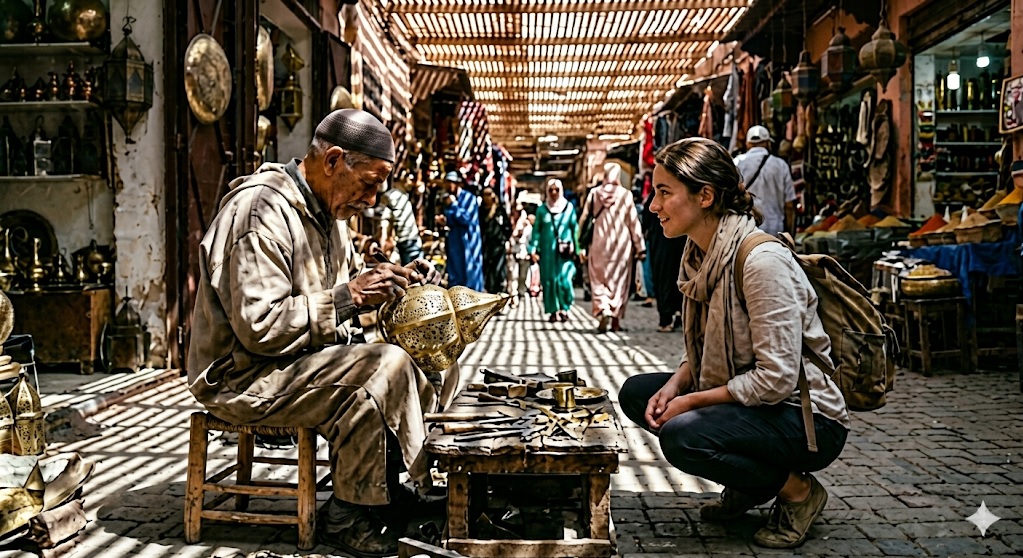 Local Customs
Real Respect
I wish I could tell you that all my lessons in cultural sensitivity in travel came from watching other people behave badly. That would be wonderfully convenient, and also a little dishonest. The truth is, I have been the man who lifted the camera too quickly. I have been the traveller who assumed I understood a situation before I had earned the right to understand it. I have laughed before I had read the room properly.
Nothing monstrous. No collapsed diplomatic relations. No village elder shaking a carved stick at me while I backed into a fountain. But enough. Enough to remind me that good travel often begins with a quiet internal sentence: “Rob, slow down.”
That is what this article is really about. Not perfection. Not travelling with clenched shoulders and a rulebook under your arm. Rather, it is about becoming the kind of traveller who notices faster, adjusts sooner, apologises better, and leaves people feeling respected instead of studied.
Quick Overview
Cultural sensitivity in travel means understanding that photography, humour, tipping, timekeeping, clothing, and social expectations can change dramatically from place to place. You do not need to become stiff or frightened. However, you do need to travel with humility, curiosity, and enough awareness not to trample through someone else’s world.
In Part 1, we looked at respectful behaviour and customs around the world. That was the foundation. This article moves into the messier, more practical side of things — the moments when you are holding a camera, sitting at a table, laughing at a joke, arriving late, or wondering whether you should leave money on the table.
This is where cultural sensitivity becomes real. It is not a slogan. It is a hundred small choices. Some are obvious. Others are slippery little things that only become clear once you have already put your foot in it. And yes, I have put my foot in it. Travel teaches beautifully, but sometimes it uses a wooden spoon.
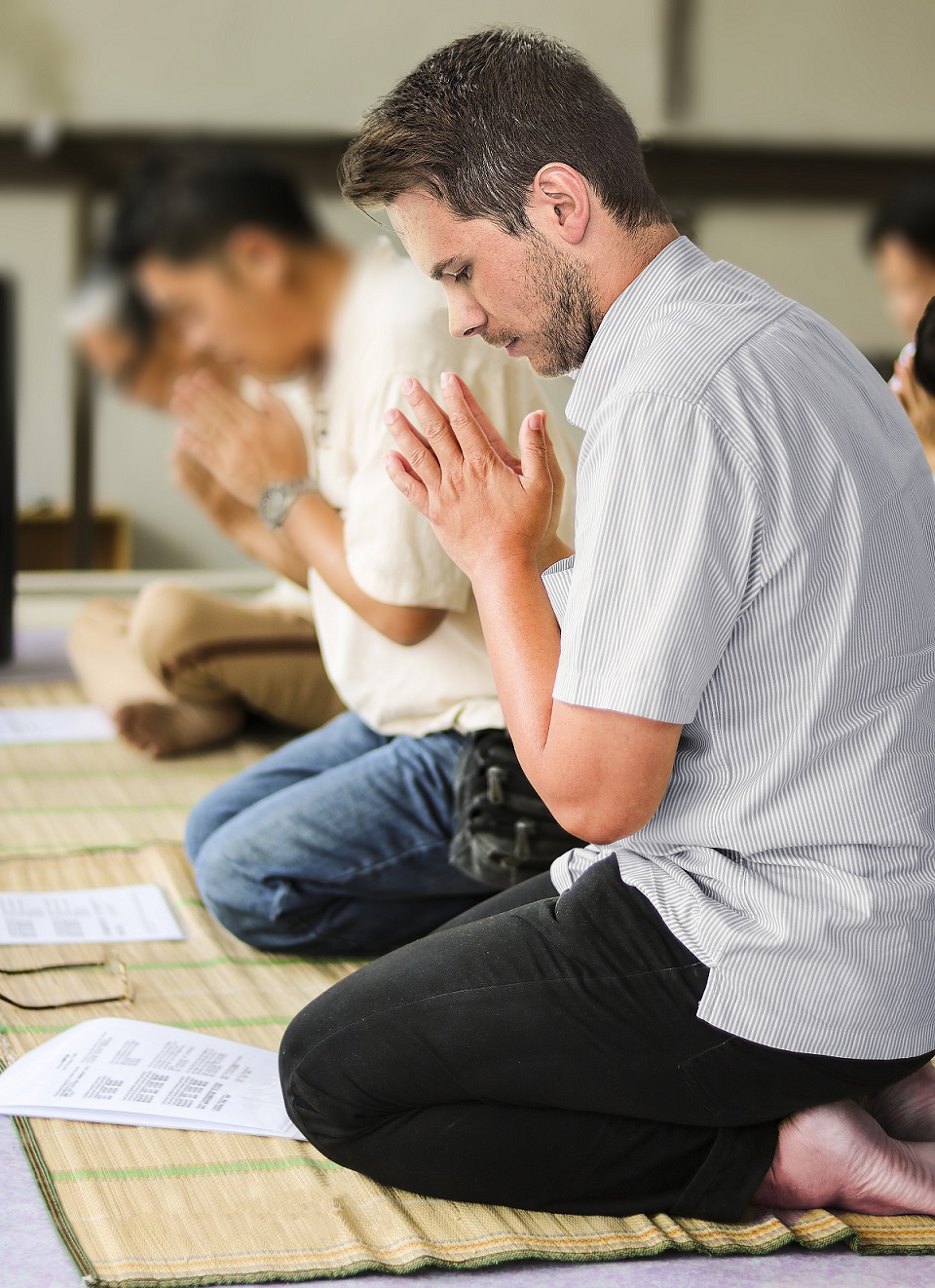
1. Cultural sensitivity in travel also includes environmental respect
When we think about local traditions, we often jump straight to food, clothing, greetings, and religious customs. Fair enough. Those are visible. But the way a community relates to land, water, waste, animals, sacred spaces, and natural resources is also part of its culture.
I did not always think about it that clearly. In my younger travelling years, I could admire a beautiful place and still treat it as scenery rather than someone’s living environment. That is an uncomfortable thing to admit, but it is true. Travel has a way of showing you that a postcard view is often someone else’s home, workplace, inheritance, or sacred ground.

In some places, a mountain is not simply a viewpoint. A river is not just a pretty backdrop for your photos. A beach is not just somewhere to leave your plastic bottle because “someone will clean it up.” Environmental care is not separate from cultural respect. In many destinations, the land is part of the local identity.
The easiest mistake is to arrive in a place and quietly promote yourself to main character. I have done that. Most of us have. The correction is simple, but not always comfortable: remember that you are visiting a place where other people are not extras in your travel story.
Simple ways to travel with more respect
- Use refillable bottles where local water safety allows it.
- Follow local recycling and waste rules, even when they are inconvenient.
- Stay on marked paths at heritage, religious, or fragile natural sites.
- Support local conservation efforts when they are transparent and community-led.
- Avoid treating sacred landscapes as props for dramatic social media poses.
The larger point is simple: do not separate “culture” from “place.” A destination is not only its buildings and festivals. It is also its fields, forests, rivers, courtyards, neighbourhoods, and the daily habits that keep them alive.
2. Photography: ask before you turn people into scenery
Photography is one of the great joys of travel. It helps us remember faces, streets, light, food, signs, doorways, and those tiny absurd moments that make a journey stick. However, it can also become one of the quickest ways to behave badly without meaning to.
I have lifted a camera too quickly. Not to be rude. Not to exploit anyone. Simply because the light was beautiful, the scene was alive, and my traveller brain shouted, “Capture it!” before my manners had properly put their shoes on. That is the problem. Bad travel behaviour is not always born from arrogance. Sometimes it is born from excitement moving faster than respect.
I have watched perfectly pleasant travellers lose their manners the moment a camera appears, and I cannot pretend I have always been innocent myself. The lesson is not complicated. Smile first. Ask first. And sometimes, put the phone down and let the moment belong to the people living it.
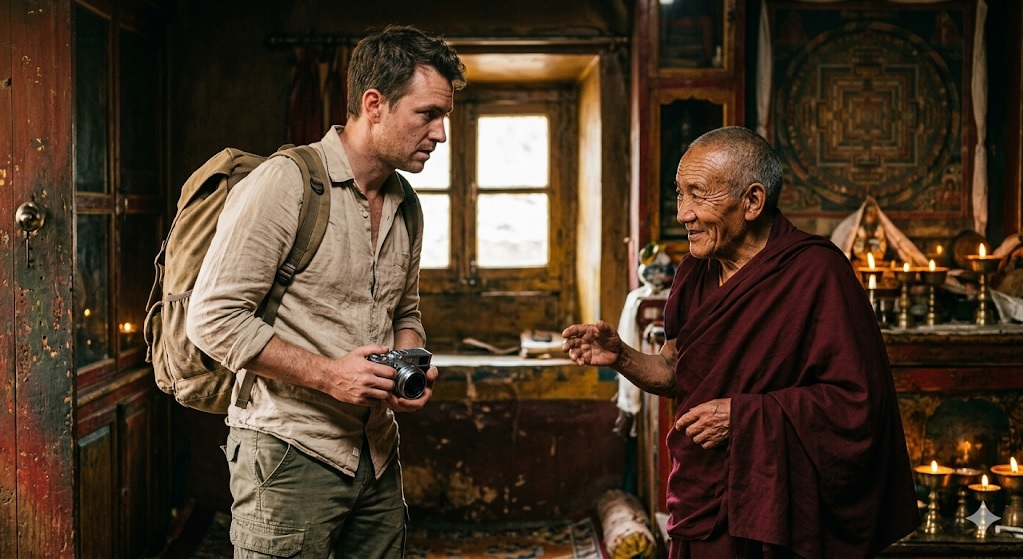
Here is the trap: visitors often photograph local people as if they are part of the architecture. A market vendor becomes “colour.” A child becomes “authentic.” A religious ceremony becomes “content.” Nobody says it that bluntly, of course, but that is what it can feel like from the other side of the lens.
Different cultures also have different views on sacred spaces, funerals, children, military sites, private homes, and religious rituals. In some places, photography may be openly welcomed. In others, it may be intrusive, offensive, or even forbidden.
Good photography manners when travelling
- Ask before photographing people, especially close-up.
- Respect “no photography” signs without looking for loopholes.
- Do not photograph poverty as a souvenir.
- Be especially careful around children, ceremonies, and religious spaces.
- When in doubt, enjoy the moment without recording it.
3. Time and punctuality: not every clock means the same thing
Time is one of those cultural subjects that can make travellers wonderfully smug. Some visitors arrive in a country with a rigid idea of punctuality and then spend the rest of the trip sighing dramatically because everyone else is “late.”
I understand the irritation because I have felt it. I like a plan. I like a schedule. I have spent enough of my professional life around departures, excursions, briefings, and river cruise timing to know the value of being where you are supposed to be when you are supposed to be there. But travel has also taught me that social time does not work the same way everywhere.

In some cultures, arriving exactly on time is a sign of respect. In others, social events begin more fluidly, and the relationship matters more than the clock. Neither system is automatically superior. They are just different systems.
Cultural sensitivity often begins when you stop assuming that your version of normal is the international standard.
How to handle cultural differences around time
- Be punctual for transport, tours, business appointments, and formal events.
- Ask a local host what “on time” really means for social gatherings.
- Do not mock local timing habits as laziness or disorganisation.
- Build breathing room into your plans when travelling somewhere new.
A little patience can save you a lot of irritation. Also, let us be honest, if you are travelling the world and your entire emotional stability depends on everything running exactly to your home-country timetable, you may need a cup of tea and a small personal meeting with yourself.
4. Cultural appreciation vs appropriation: know the difference
This subject can become loud very quickly, so let us approach it like adults. Cultural appreciation means learning from, respecting, crediting, and supporting the people connected to a tradition. Cultural appropriation happens when we take pieces of someone else’s culture, strip away the meaning, and use them for decoration, profit, or attention.
I have learned to be careful here because enthusiasm can disguise itself as respect. You see something beautiful. You admire it. You want to join in, wear it, buy it, photograph it, or bring it home. None of that is automatically wrong. However, the question is whether you are entering the tradition with understanding or simply borrowing the prettiest part and leaving the meaning behind.

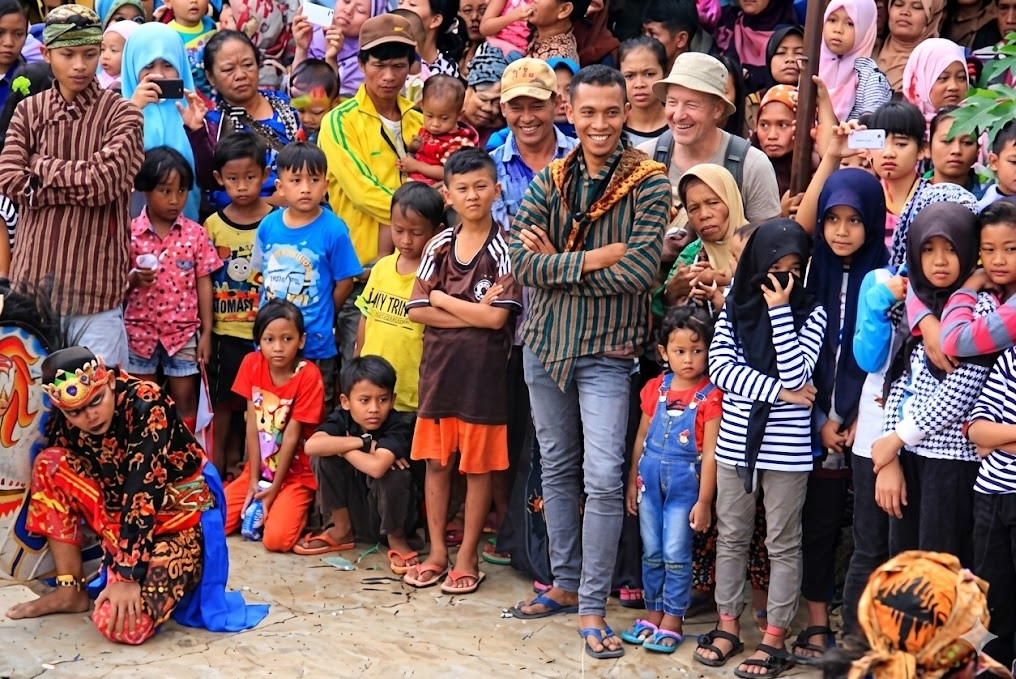
The difference is not always simple. A visitor buying a locally made scarf from a craftswoman is not the same as a company mass-producing sacred symbols with no context. Wearing traditional clothing at the invitation of a host is not the same as turning ceremonial dress into a party costume.
A practical test before joining in
- Was I invited to participate, or am I inserting myself?
- Do I understand what this clothing, ritual, food, symbol, or performance means?
- Am I supporting local makers, guides, artists, or communities?
- Would this still feel respectful if the people connected to it were standing beside me?
Cultural sensitivity in travel does not mean avoiding every local tradition because you are afraid. That would be a sad little way to travel. Rather, it means entering traditions with context, gratitude, and permission where permission matters.
5. Tipping and financial etiquette: money has manners too
Tipping customs vary wildly across the world. In some countries, tipping is expected and forms a real part of workers’ income. In others, it is not expected at all. In a few places, it can even feel awkward or mildly insulting.
I have got this wrong in both directions. I have overtipped because I was nervous and wanted to be seen as generous. I have also stood there doing mental arithmetic like a confused meerkat because I had not checked the local custom properly. Neither moment made me feel like a sophisticated man of the world, let me tell you.
It is not only the amount that matters. It is the way money is offered. A tip can feel kind, awkward, insulting, discreet, showy, expected, or completely unnecessary depending on where you are. That is why financial etiquette deserves as much attention as clothing or greetings.
Before you arrive, check the basics
- Is tipping expected in restaurants, taxis, hotels, tours, or salons?
- Is service already included in the bill?
- Should tips be given in cash or added to a card payment?
- Is it better to tip discreetly?
- Are there situations where tipping is not appropriate?
Also remember that bargaining has cultural rules too. In some markets, it is expected and even enjoyed. In others, haggling aggressively over a tiny amount of money can make you look cheap, not clever. There is a difference between negotiating and treating people like sport.
6. Local humour: what is funny at home may land badly elsewhere
Humour is one of the great bridges between people. It can also be a spectacular little trapdoor. Sarcasm, teasing, political jokes, dark humour, religious jokes, and jokes about gender or family roles do not travel equally well.
This is another one I have had to learn personally. I enjoy humour. I enjoy the little sideways comment. I enjoy deflating pomposity when it gets too pleased with itself. But humour is cultural luggage, and sometimes yours does not fit in the overhead locker.
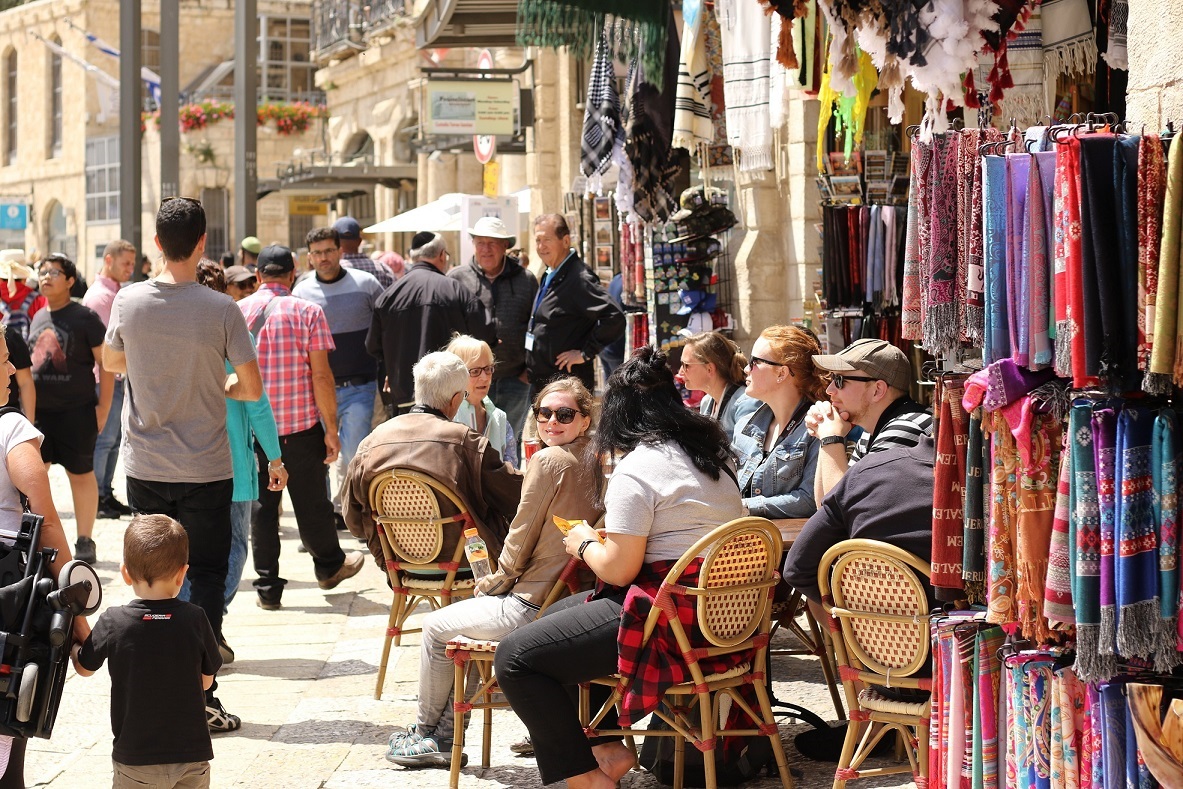
I have learned that my funniest self needs brakes when I am in someone else’s country. Read the room first. Let the locals set the humour temperature. Laugh with people, not at them. That one habit saves you from many unnecessary little disasters.
Even when people speak the same language, humour carries cultural baggage. Tone, timing, hierarchy, age, class, history, and local tensions can all change how a joke is received. What sounds playful to you may sound rude, arrogant, or strangely aggressive to someone else.
Safer humour when travelling
- Keep jokes light until you understand the local tone.
- Avoid mocking religion, politics, tragedy, poverty, accents, or social customs.
- Be careful with sarcasm, especially across language barriers.
- Let local people set the humour temperature first.
7. Gender roles and social expectations: observe before assuming
Gender roles and expectations can differ sharply around the world. Some differences may feel small, such as greeting customs, seating arrangements, or dress expectations. Others may affect how people interact in business, public spaces, religious sites, restaurants, or family settings.
This is delicate territory, and it deserves honesty. Travel does not require you to switch off your values. It also does not give you permission to walk into every situation as though you have been appointed global referee. I have had to learn the difference between noticing, understanding, disagreeing, and performing outrage for my own comfort.

In practical terms, pay attention to how locals greet one another, how personal space works, whether touch is appropriate, and what clothing is expected in religious or traditional spaces. If you are unsure, ask quietly and respectfully.
Small gestures that show respect
- Dress more conservatively in sacred or traditional settings when required.
- Do not assume handshakes, hugs, or cheek kisses are always welcome.
- Watch how local people behave before copying or interrupting.
- When travelling as a couple or group, notice local expectations around public affection.
Conclusion: travel better by noticing more
Cultural sensitivity in travel is not about becoming a perfect international diplomat with wrinkle-free linen and a permanent solemn expression. Thank heavens. It is about noticing more. It is about pausing before you photograph, joke, tip, bargain, dress, arrive late, or assume.
The best travellers I have met were not the ones who knew every custom before arrival. They were the ones who noticed quickly, apologised easily, laughed at themselves, and adjusted. That, to me, is cultural sensitivity in action.
You will still make mistakes. Everyone does. I certainly have. The difference is whether you travel with enough humility to learn from them. Most people are generous when they see sincere effort. What they tire of is arrogance dressed up as curiosity.
So, travel with open eyes. Ask better questions. Support local people. Respect sacred spaces. Laugh carefully. Tip thoughtfully. And when in doubt, slow down. The world usually gives better lessons when you are not charging through it like a shopping trolley with a broken wheel.
FAQ: Cultural sensitivity in travel
What does cultural sensitivity in travel actually mean?
Cultural sensitivity in travel means paying attention to local customs, beliefs, etiquette, social expectations, and sacred spaces before acting as if your home-country habits apply everywhere. It is practical respect, not stiff formality.
Is it rude to photograph local people when travelling?
It can be rude if you photograph people without permission, especially in private, sacred, vulnerable, or ceremonial settings. Ask first when the person is clearly identifiable. If the answer is no, accept it gracefully.
How do I know if tipping is expected in another country?
Research the destination before you arrive, then check local menus, bills, hotel notes, guide advice, or tourism information. Customs differ widely, so do not assume tipping works the same way it does at home.
What should I do if I accidentally offend someone while travelling?
Apologise simply, without turning it into a long performance. If appropriate, ask what you should have done instead. Most people respond well to sincere humility. Defensiveness usually makes the mistake worse.
Can I join local traditions without being disrespectful?
Yes, when you are invited, informed, and respectful. Support local people, learn the meaning behind the tradition, avoid treating sacred symbols as costumes, and take your cue from hosts or knowledgeable guides.
Join the conversation
Have you ever misunderstood a local custom while travelling? I certainly have. Share it in the comments — especially if it taught you something useful, embarrassing, or both.