Transit & Comfort
Air Travel Guide: Flights, Airports and Smarter Flying
This air travel guide is for real travellers: the excited ones, the nervous ones, the over-packers, the tight-connection gamblers, and the people who have discovered that airports can turn perfectly sensible adults into confused penguins with passports.
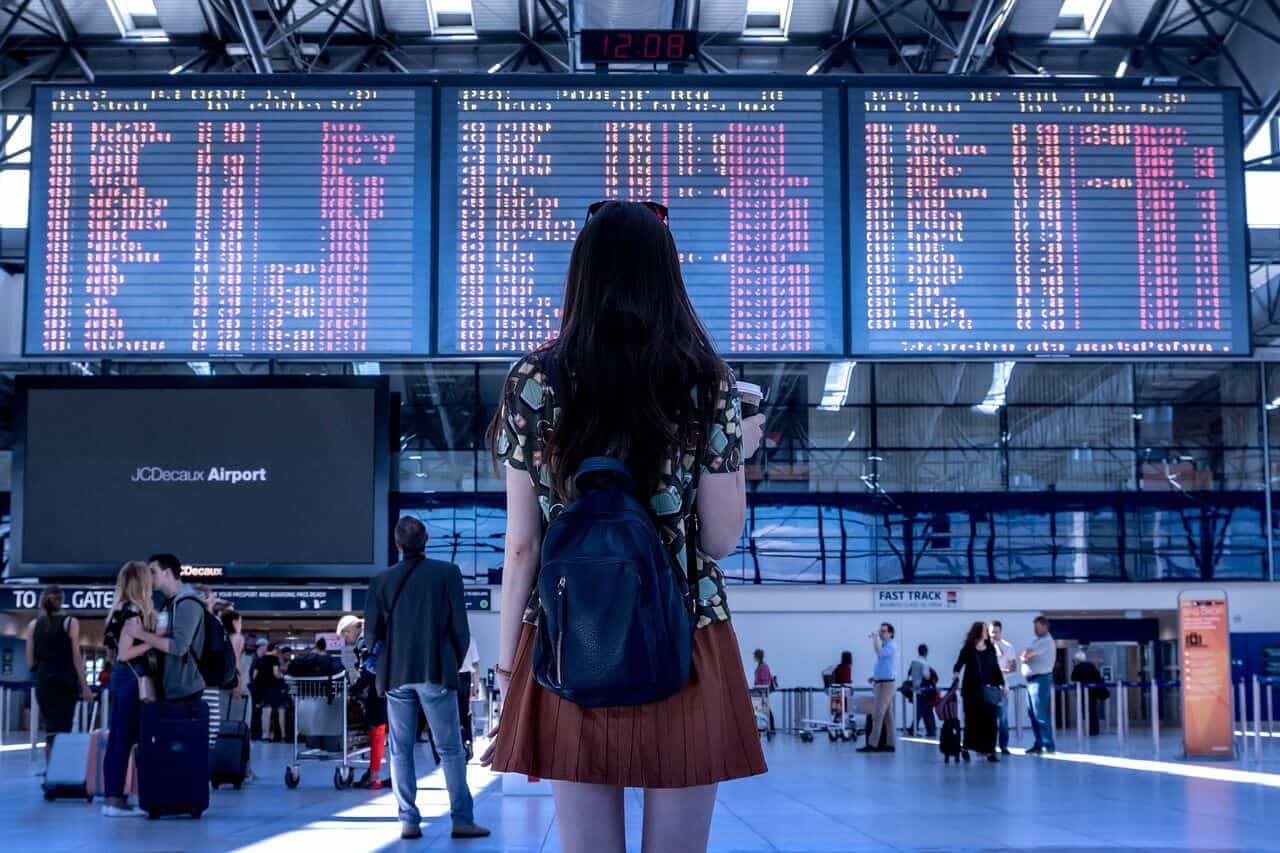
Quick Overview: What This Air Travel Guide Covers
Air travel can be thrilling, irritating, expensive, boring, confusing and occasionally miraculous — sometimes all before breakfast. This hub helps you choose better flights, handle airport day, manage connections, travel more comfortably, and deal with the human side of flying.
Book better flights
Look beyond the cheapest fare and check timing, baggage, arrival airport, and connection risk.
Survive airport day
Arrive with your documents, luggage, patience, and sense of humour still intact.
Handle connections
Understand layovers, transit airports, same-ticket bookings, and the danger of heroic timing.
Fly more comfortably
Plan seats, clothing, movement, sleep, hydration, and long-haul recovery with common sense.
Respect the nerves
Fear of flying is real. This hub gives nervous travellers calm, practical next steps.
Why Air Travel Deserves Its Own Guide
We often treat flying as “just the transport bit.” That is a mistake. A bad flight choice, a tight connection, an overweight bag, a missing document, or a panicked airport morning can spoil the first two days of a trip.
I have watched travellers arrive looking as if they have survived a minor war with a departure board. Often, the destination was not the problem. The travel day was.
This air travel guide is here to make that part easier. Not perfect. Airports are still airports. But easier, calmer, and less likely to produce a story that begins with, “You will not believe what happened to me at check-in.”
The Three Parts of Every Flight
A good flying experience starts long before boarding. Think of every flight in three stages: the decision you make before you book, the way you handle airport day, and how you recover when you arrive.
1. Before you book
This is where the damage is often done. Cheap flights can become expensive when you add bags, seats, strange airports, impossible connections, and arrival times that make no human sense.
2. Airport day
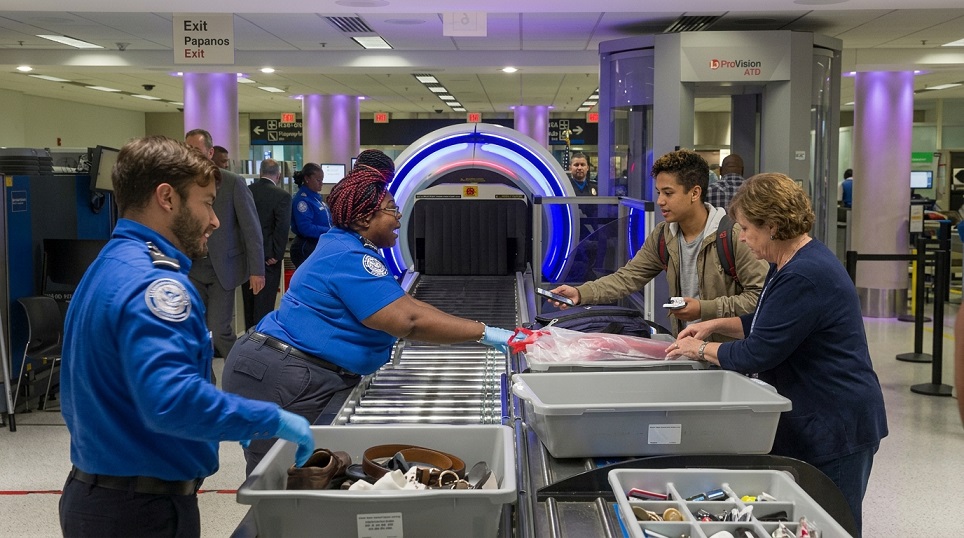
Airport day rewards preparation. Documents, liquids, medication, electronics, security lines, gate changes and boarding groups all become easier when you are not improvising under fluorescent lighting.
3. Arrival and recovery
A flight is not finished when the wheels touch the runway. You still need immigration, luggage, onward transport, hotel check-in, jet lag management, and possibly a strong cup of coffee.
Start With These Air Travel Guides
Use this section as your air travel doorway. Pick the guide that matches the problem in front of you, whether you are booking flights, preparing for airport day, planning a long-haul journey, or trying to calm the nerves.

Booking Flights Smarter
Cheapest is not always best. Learn how to compare flight times, baggage rules, airports, connections, and arrival stress before you click “buy.”
Read the guide →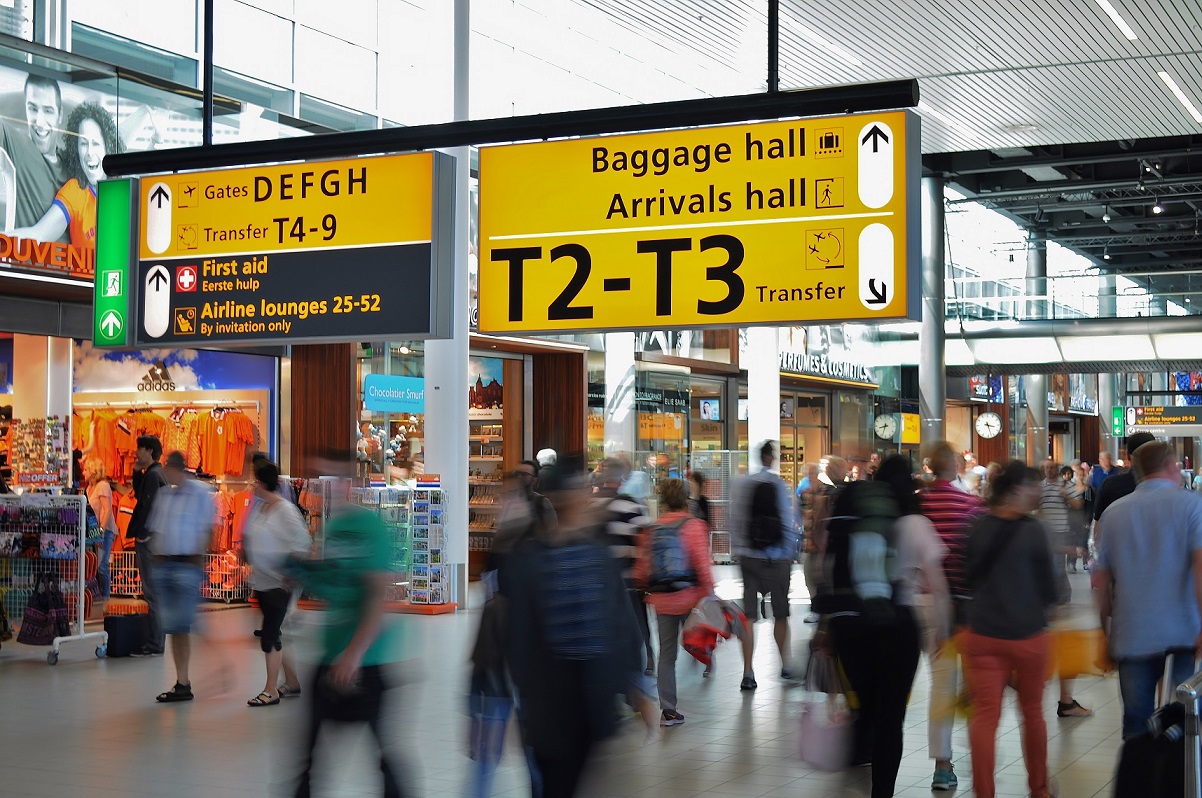
Airport Day Checklist
A calm step-by-step guide for check-in, documents, security, boarding, luggage, and the little things that catch travellers out.
Prepare for the airport →
Connections and Layovers
The little world of minimum connection times, transit checks, baggage transfer, and the phrase “we should make it” — which is not a travel plan.
Plan your connection →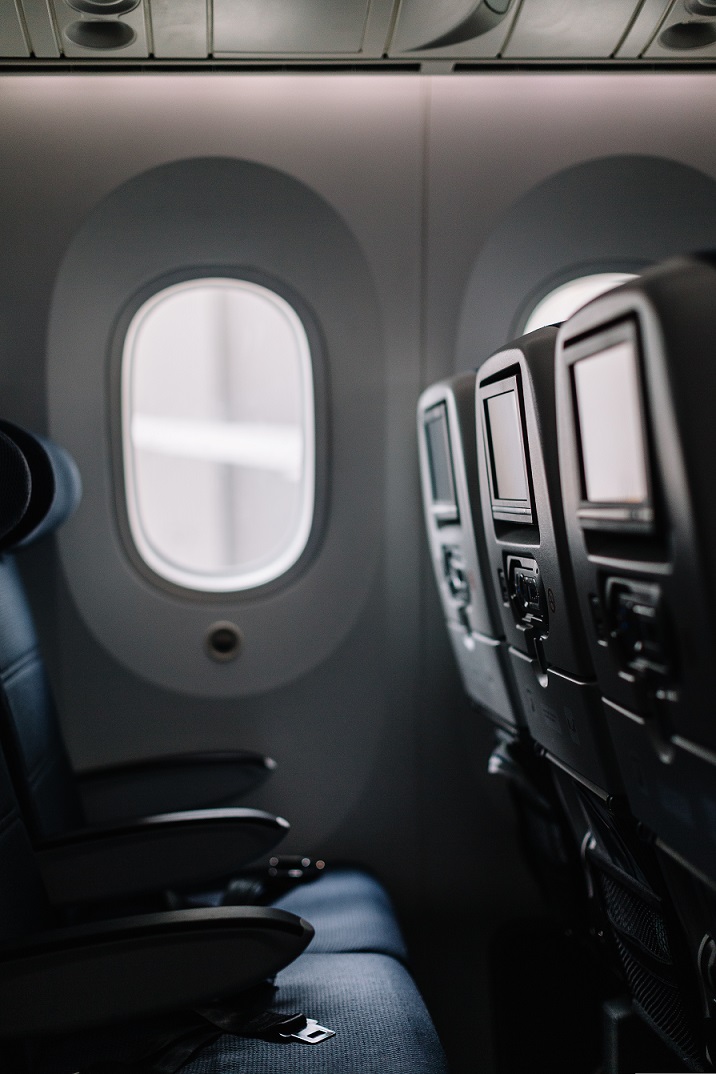
Long-Haul Flight Comfort
Seats, layers, sleep, hydration, stretching, noise, light, and the art of arriving slightly less like a folded napkin.
Fly more comfortably →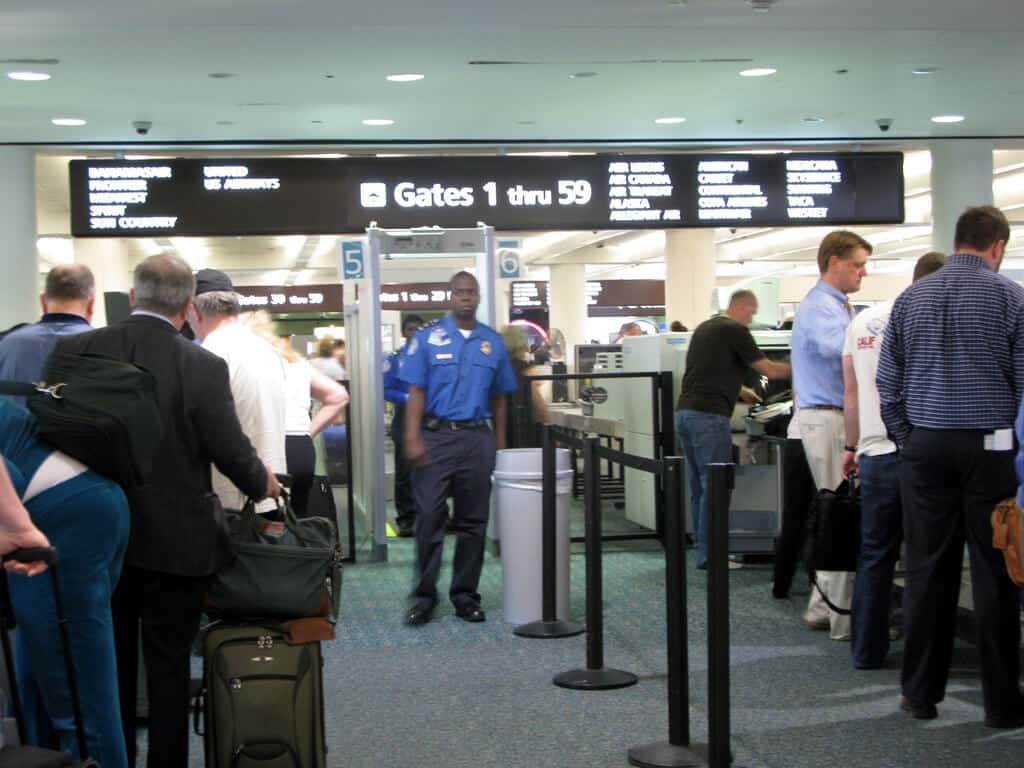
Carry-On Packing for Flights
What belongs in your cabin bag: medication, documents, valuables, chargers, layers, and the things you never want trapped in checked luggage.
Pack the cabin bag →
Delays, Cancellations and Missed Connections
What to do when the plan falls apart: airline apps, rebooking desks, travel insurance, receipts, documents, and keeping your temper out of the headlines.
Handle flight problems →The Human Side of Flying
Air travel is not only boarding passes, baggage tags and seat numbers. For many people, flying is emotional. Some are nervous. Some are overwhelmed. Some pretend they are calm while gripping the armrest like it owes them money.
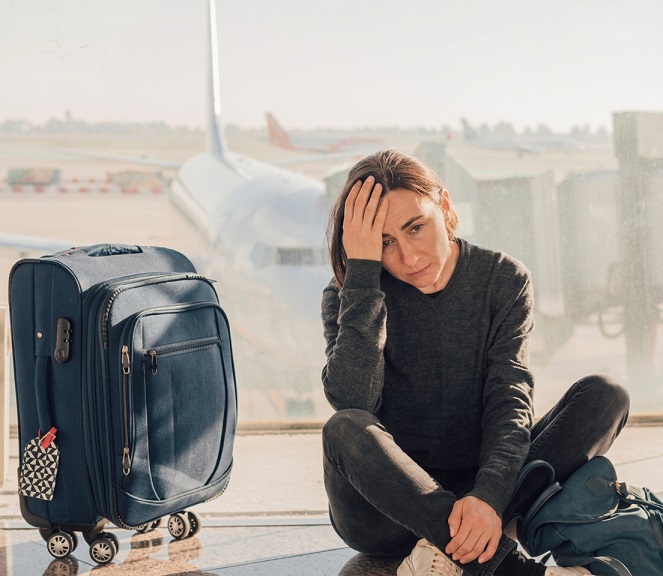
Fear of Flying: A Calm Guide for Nervous Travellers
Fear of flying deserves respect, not clichés. This guide helps nervous flyers prepare, understand the stress points, and take practical steps before and during the flight.
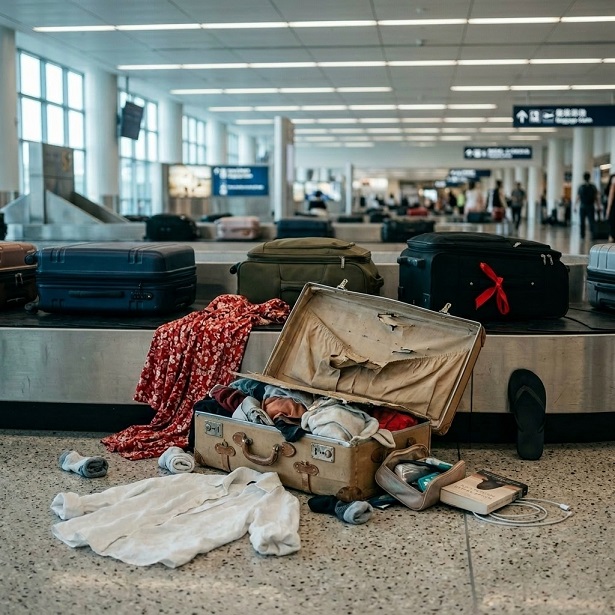
Air Travel Sagas: The Do’s and Don’ts We Discover the Hard Way
Personal stories, small disasters, airport behaviour, and the lessons we learn when flying reminds us that common sense sometimes misses the departure gate.
The Air Travel Mistakes I See Most Often
Most airport dramas are not caused by one giant mistake. They are caused by five small ones lining up like badly behaved schoolchildren.
Official Sources Worth Checking Before You Fly
Articles help you think clearly, but official sources help you confirm the rules. Always check the airline, airport, government entry rules, and your full route before you travel.
Where to Go Next
Air travel connects to the rest of your trip. Once your flight plan is sensible, check your documents, packing, insurance and arrival arrangements.
Visas & Entry Requirements
Same destination, different passport, different answer. Start here before booking international flights.
Check entry rules →Packing for Travel
Pack for the journey you are actually taking, not the fantasy version where every outfit gets worn.
Pack smarter →Transit & Comfort
Airports, trains, transfers, luggage, travel days and the unglamorous things that make travel work.
Visit the hub →Air Travel FAQ
How early should I arrive at the airport for an international flight?
As a general rule, give yourself more time than your most optimistic self thinks you need. International flights usually involve check-in, bag drop, security, passport control, walking distances and boarding deadlines. Your airline and airport will give the final recommended timing.
Is the cheapest flight always the best flight?
No. The cheapest flight can become expensive once you add baggage, seat fees, awkward airports, overnight waits, risky connections and arrival transport. A slightly more expensive flight can sometimes save money, time and sanity.
How much connection time do I need between flights?
It depends on the airport, airline, ticket type, immigration, baggage rules and whether both flights are on one booking. Same-ticket connections are generally safer than separate tickets. Tight connections are not brave. They are a gamble.
What should I always pack in my carry-on bag?
Keep your passport, travel documents, medication, valuables, phone, charger, essential toiletries, a spare layer and one emergency clothing item with you. Checked luggage is useful, but it should not contain anything you cannot cope without for a day or two.
What helps with fear of flying?
Preparation helps. Choose sensible flights, avoid unnecessary connection stress, learn what usually happens during take-off and turbulence, use calming routines, and tell the cabin crew if you are very nervous. If the fear is severe, professional support is worth considering.
What should older travellers consider before booking flights?
Look carefully at connection times, walking distances, arrival times, seat comfort, medication timing, airport assistance and recovery time after arrival. A convenient flight is often worth more than a bargain flight that leaves you exhausted.
Flying Does Not Have to Start the Trip With Drama
A good flight plan is not glamorous. It is documents checked, bags packed sensibly, connections chosen with mercy, and a traveller who arrives with enough energy left to enjoy the first day.