DESTINATIONS · SOUTH ASIA
Bhutan Travel Guide: Slow Mountain Days, Clean Air, and Routes That Actually Work
Bhutan rewards travelers who move slower, pack lighter, and stop trying to “cover everything.” I’d rather help you build one calm route that feels amazing than a rushed itinerary that burns you out by day three.
What Makes Bhutan Different
Bhutan isn't trying to be convenient. There are no domestic flights between valleys, limited roads, and everything takes longer than Google Maps suggests.
The country charges a $100/day Sustainable Development Fee (on top of your actual trip costs), which keeps crowds manageable but also means you're paying real money to sit in a van for 6 hours.
The payoff: You get genuine mountain air, valleys that aren't overrun, and a pace that actually lets you adjust to 8,000+ feet elevation. Most travelers feel the thin air immediately - headaches, fatigue, trouble sleeping. Bhutan's landscape basically forces you to slow down.
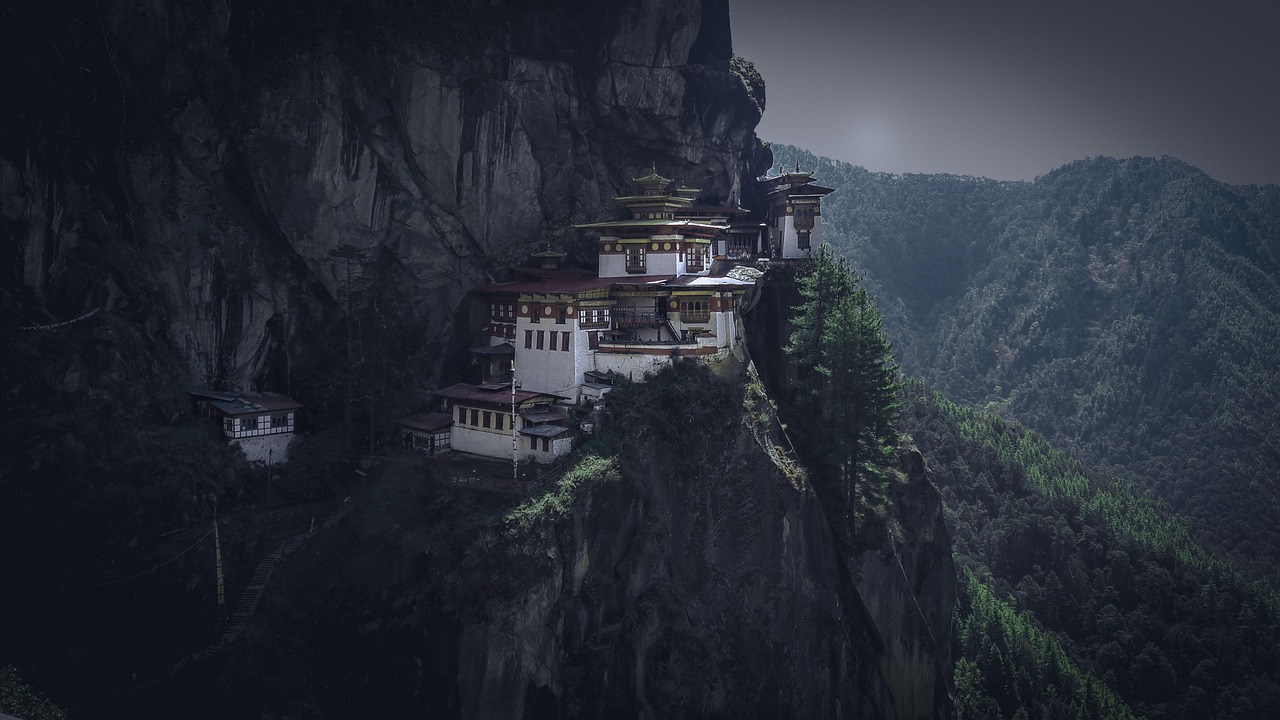
Bhutan in 60 Seconds
- Best for: travelers who value nature, calm pacing, mountain culture, and meaningful local experiences.
- Trip style: structured but peaceful; fewer destination jumps, deeper days in each valley.
- Ideal first route: Paro → Thimphu → Punakha (with optional Phobjikha extension).
- Reality check: road time is longer than map distance suggests, so rhythm matters more than mileage.
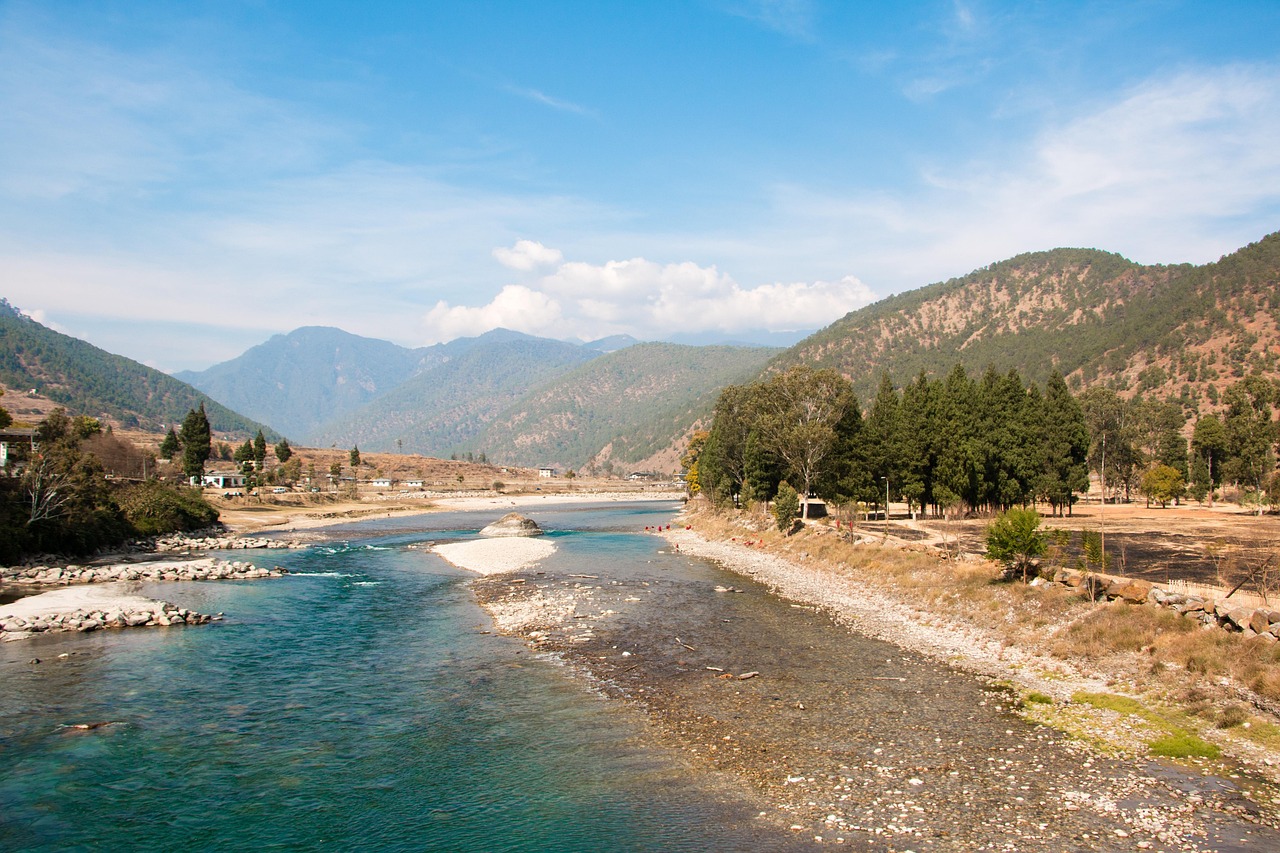
Trip Fit Snapshot
Best time to go
Spring (March–May) and autumn (September–November) are the easiest planning windows for clear mountain views and trekking comfort.
Budget feel
Midrange to premium compared with many regional neighbors; plan for comfort-first logistics over low-cost speed runs.
Ideal trip length
7–10 days for first-timers. You can do shorter, but you’ll feel rushed on mountain roads.
Effort level
Moderate. Terrain and altitude can add fatigue, so keep buffer time and hydration discipline.
The Major Destinations
This is the new core planning block. If you’re building your first Bhutan route, start with these six anchors and keep transfers realistic.

Paro
Gateway valley and home base for Tiger’s Nest day. Great first stop to adjust your pace on arrival.

Thimphu
Capital energy with museums, monasteries, and local markets. Good for culture context and logistics reset.

Punakha
Warmer valley rhythm, iconic dzong scenery, and a calmer pace that many travelers end up loving most.
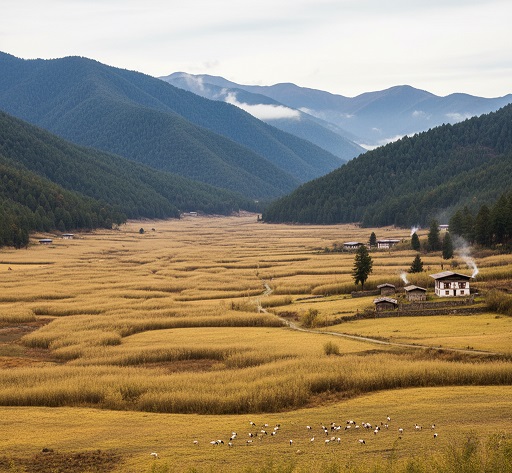
Phobjikha Valley
Wide glacial valley feel, nature-focused days, and a strong choice if you want slower, quieter travel.

Bumthang
A spiritual-cultural heartland with deeper monastery circuits. Best for longer itineraries with extra nights.
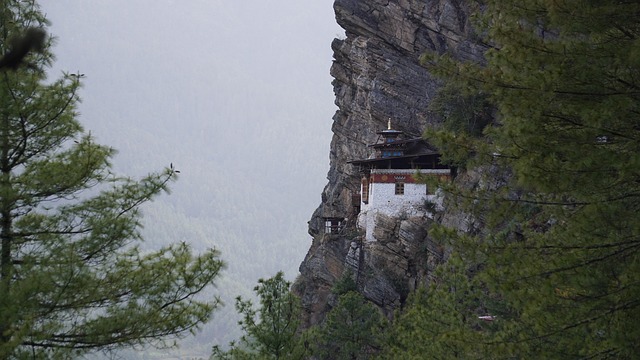
Haa Valley
Less-visited and atmospheric. Great for travelers who want understated mountain life beyond headline stops.
Daily Rhythm Comparison
| Route style | Who it suits | Typical pace | Risk of burnout |
|---|---|---|---|
| 2-base route (Paro + Punakha) | First-timers and slower travelers | Calm, flexible days | Low |
| 3-base classic (Paro + Thimphu + Punakha) | Most travelers | Balanced | Low to moderate |
| 4+ base extended circuit | Experienced long-trip planners | Road-heavy | Moderate to high |
Safety & Comfort: What Matters in Bhutan
- Road time: mountain routes can be slow and winding, so don’t stack too many transfer days.
- Altitude: ease in on arrival, hydrate aggressively, and keep your first 48 hours light.
- Weather shifts: mornings and evenings cool quickly in higher valleys.
- Respect local culture: modest dress and calm behavior in temples and dzongs go a long way.
- Travel insurance: include medical cover and trip interruption for mountain-weather delays.
Costs at a glance
- Budget: limited true backpacker style.
- Midrange: most realistic first-trip lane.
- Treat mode: premium lodges and guided trekking upgrades.
Use your energy budget with your money budget. In Bhutan, rushed movement costs both.
Seasons
- 🌸 Spring: clear views + trekking-friendly conditions.
- ☀️ Summer/Monsoon: greener landscapes, wetter roads, more variability.
- 🍂 Autumn: stable skies, popular travel window.
- ❄️ Winter: crisp air, colder mountain mornings, fewer crowds.
Logistics Lite
- Entry & permits: check current rules before booking flights.
- Getting around: private transfer and driver routes are common.
- Connectivity: decent in main towns, patchier in higher valleys.
- Packing: layer system beats bulky luggage.
Bhutan FAQs
Is Bhutan good for first-time South Asia travelers?
Yes — if you like slower, structured travel. It is calmer than many high-intensity routes in the region, but road time and altitude still require smart pacing.
How many days do I really need?
Seven to ten days is the practical sweet spot for a first visit without turning the trip into a transfer marathon.
Should I combine Bhutan with India or Nepal?
You can, but I’d only combine if your total trip is long enough. Otherwise, do Bhutan properly and keep the route clean.
What is the simplest first itinerary?
Paro → Thimphu → Punakha with two-night minimum stays where possible. Add one valley extension only if you still have buffer days.
Join the conversation
If you’re planning Bhutan, share your draft route and number of days in the comments. Travelers can compare pacing ideas and help each other avoid over-stacked itineraries.