SOUTHEAST ASIA LANE
Timor-Leste Travel Guide: Reef Water, Mountain Roads, and a Calm First Route
Timor-Leste is small on the map, but it feels big once you start moving. Distances look short, yet road time can stretch.
My simple structure: Dili as your anchor, one east or mountain extension, and one recovery day so your trip never turns into a transport grind.
The roads are the reason. What registers as 80km on Google Maps might take three hours on winding mountain passes or potholed coastal routes.
Infrastructure is improving but still patchy, so hiring a driver who knows the terrain matters more than renting a car and figuring it out yourself.The country rewards depth over breadth. Two well-chosen bases beat four rushed stops. Dili gives you cafes, museums, waterfront sunsets, and the only real urban energy in the country.
From there, choose one direction: east for beaches and diving (Atauro, Jaco Island), or mountains for coffee plantations and cool-climate villages (Maubisse, Aileu). Keep it linear, protect your energy, and you'll actually enjoy the places you reach.If you plan this as a sprint, you’ll miss the point. If you pace it, this country is unforgettable.
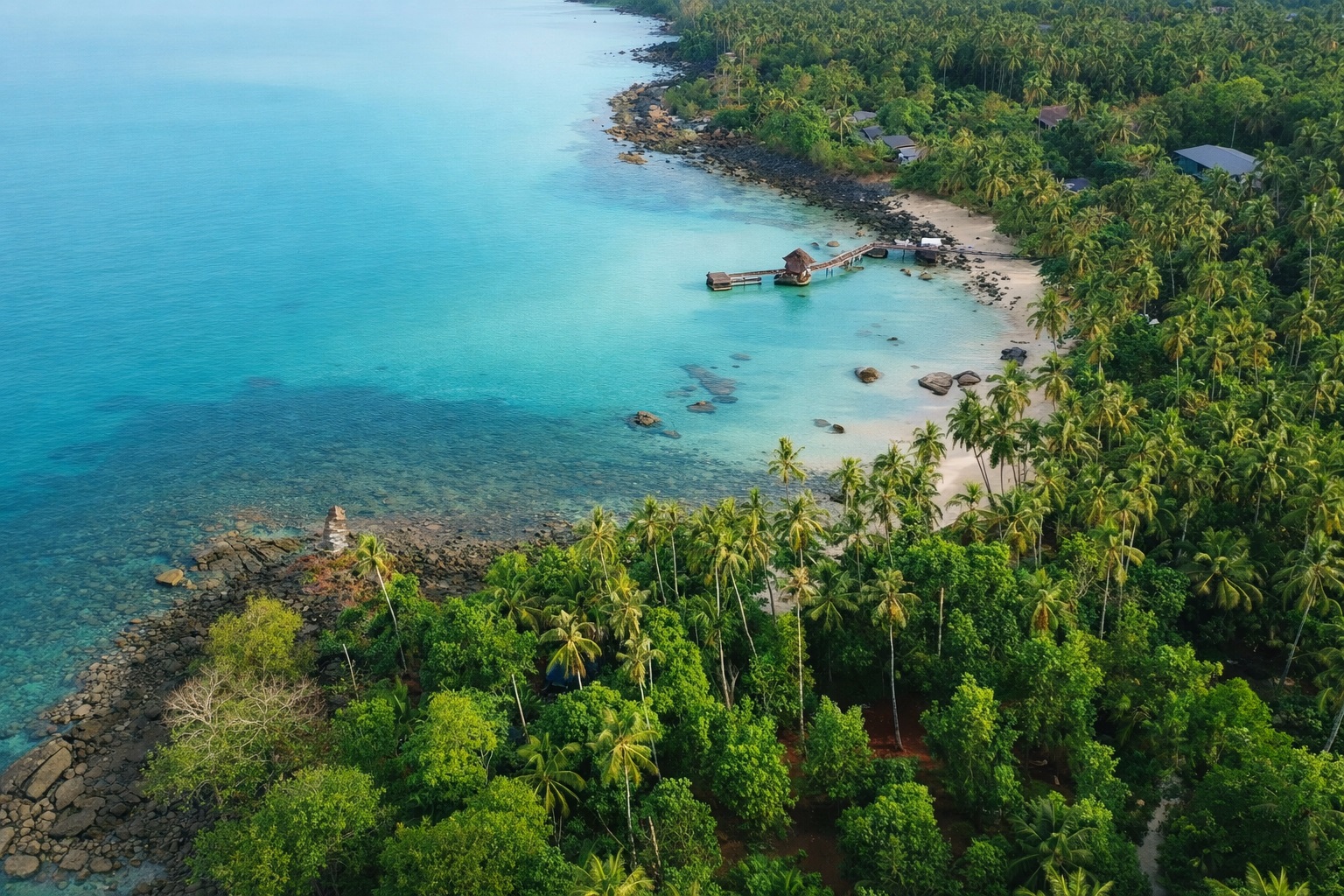
What makes Timor-Leste's coastline special isn't just the quality of the reefs—it's the absence of crowds, jet skis, beach clubs, and overdevelopment.
At a Glance (60-Second Scan)
Build this trip around one anchor and one extension. Keep transfer days light.
- Best first move: Base in Dili first, then branch out. The capital has the only international airport, reliable accommodation, and serves as your logistics hub for everything else.
- Ideal first trip: 7–10 days for a calm, realistic rhythm. Less than a week means you're mainly in Dili and Atauro. More than 10 days lets you explore deeper—mountains, eastern beaches, or multi-day treks.
- Classic mistake: Overstacking inland + coastal days without buffer. Trying to hit Atauro, Jaco Island, Maubisse, and Baucau in one week turns scenic travel into exhausting logistics.
- Big win: Pair one reef/coast day with one culture/history day.
- My rule: Every major move gets a lighter arrival evening. Three-hour mountain drive or ferry crossing means your evening is dinner and rest, not a packed itinerary.
- Cash is king: ATMs exist in Dili but are unreliable elsewhere. Bring USD (widely accepted) and withdraw maximum amounts when machines work. Cards are rarely accepted outside major hotels.
- Language bridge: Tetum and Portuguese are official languages, but Indonesian is widely understood (legacy of occupation), and English works in tourism zones. Learning basic Tetum phrases earns genuine smiles.
- Diving priority: If underwater experiences are your main draw, allocate 3-4 days for Atauro alone. Rushing in and out for one dive day undersells what makes this destination special.
- Transportation reality: Hire drivers through your accommodation or reputable operators. Public transport exists but is unpredictable. Solo car rental is possible but challenging—roads require local knowledge and high clearance vehicles.
- Timing matters: Dry season (May–November) is ideal for diving, snorkeling, and mountain roads. Wet season (December–April) brings landslides, ferry cancellations, and reduced visibility underwater, though the landscape turns brilliantly green.
Timor-Leste rewards patience more than speed. Under-plan slightly and your trip improves immediately.
Trip Fit Snapshot
- Ideal style: Coastal nature + meaningful local context. This isn't a beach resort vacation—it's about diving pristine reefs, understanding recent independence history, and experiencing a country still finding its tourism footing.
- Energy level: Low to medium, with selected active days. Most time is spent relaxed—beach mornings, slow meals, sunset watching—punctuated by diving trips, mountain hikes, or cultural site visits when you choose.
- First-timer friendly: Yes, if route is simple. Stick to Dili plus one extension (Atauro or mountains), avoid overcomplicating logistics, and you'll find it surprisingly straightforward despite the country's developing infrastructure.
- Budget vibe: Mid-range planning works best. Budget guesthouses run $10-20/night, local meals $3-8, while mid-range hotels cost $30-50/night with restaurant meals at $8-15 . It's pricier than Indonesia but still affordable—just don't expect backpacker-bargain pricing.
- Transport spine: Road transfers + local drivers + short hops. Public microlets cost $0.25-1 within cities, intercity minibuses run $3-10, while private car hire ranges $40-100/day . Hiring drivers through your accommodation is standard practice and removes the stress of navigating rough roads yourself.

The Major Destinations
Start with these anchors, then add depth only when your transfer plan is stable.
Dili
The capital is your practical base: airport access, waterfront evenings, museums, markets, and easier logistics. Keep 2–3 nights here at the start to settle your pace and handle planning on the ground.
Atauro Island
Best known for clear water, coral, and slower island rhythm. Great for diving/snorkeling days and digital detox energy. Treat it as a focused mini-stay, not a rushed day-collection exercise.
Baucau + East Coast Corridor
A strong eastbound extension with coastline scenery, village texture, and fewer crowds. Build this only if you’re comfortable with longer transfer blocks.
Maubisse + Highlands
Cooler mountain air, winding roads, and a different tempo from the coast. Great as a contrast leg after Dili, especially if you want landscape and slower evenings.
Vibe Check: Which Timor-Leste Are You Here For?
Reef + Water Days
Snorkeling/diving focus, softer schedule, and long sea-view pauses.
History + Culture Route
Museums, local context, neighborhoods, and meaningful guided perspective.
Coast + Highlands Balance
Mix marine days and inland mountain contrast with cleaner route logic.
Timor-Leste in Four Seasons (Text + Icons)
Quick planning read: conditions can vary by coast and elevation, so keep a flexibility buffer.
Shoulder Weather
Best for: flexible mixed itineraries with balanced conditions.
Dry Window
Best for: coastal movement, marine activities, and longer day plans.
Wet Period
Best for: slower country pace and conservative road planning.
Transition Weeks
Best for: adaptable routes with spare half-days for weather shifts.
Daily Rhythm Comparison (Timor-Leste Edition)
Coastal Day
- Early water activity block
- Midday shade + reset
- Sunset waterfront walk
- Early dinner + sleep
Highland Day
- Morning transfer/viewpoints
- Local lunch + village time
- Short late stroll
- Recovery evening
Transfer Day
- Move first, admin early
- Arrive + orient slowly
- One simple activity only
- Protect next day energy
Rob’s Tips: One Food Win + One Activity Win

Food pick: grilled fish + simple local sides
Keep one dinner intentionally local and unrushed. Ask for house specialties and eat where families eat.I recommend trying the Ikan Pepes.
The name describes the dish perfectly: "Ikan" means fish, and "Pepes" refers to the ancient Indonesian cooking method of using banana leaves as a wrapper for steaming or grilling.
It is a traditional Indonesian dish where fish is marinated in a rich spice paste, wrapped tightly in banana leaves, and then steamed or grilled.
In East Timor, their version is often creamier, incorporating coconut milk into the spice paste for a more "curry-like" consistency.
Activity pick: sunrise coast + late-day hill lookout
This combo gives you both marine calm and inland perspective without overloading your day.
Two great moments per day beats a rushed checklist every single time.
Safety: Suggestions and Warnings
Smart habits
- Plan long drives for daylight only.
- Use trusted drivers/transport contacts.
- Carry water, cash split, and offline maps.
- Keep marine activities with reputable operators.
- Respect local customs and slower community pace.
Warnings worth respecting
- Road time can exceed map expectations.
- Wet conditions can disrupt inland plans.
- Limited service coverage in remote areas.
- Check latest official advisories before departure.
Logistics Lite
Entry + visa
Route design
Dili base first, then one extension leg. Avoid multi-hop overstacking on short trips.
Money
USD is standard; keep smaller notes and cash layering for smoother day-to-day spending.
Tech prep
Costs: What Actually Moves the Budget
Where people overspend
- Reactive transport swaps
- Too many accommodation changes
- Stacked paid activities on same day
How to keep it sane
- Use 2 bases max on first trip
- Pre-book core nights, not every detail
- Choose one premium experience per base
Timor-Leste FAQs
How many days do I need for a first Timor-Leste trip?+
Seven to ten days is a strong first window with one anchor and one extension.
Is Timor-Leste good for first-time Southeast Asia travelers?+
Yes, if you keep logistics simple and avoid overstacked inland/coast jumps.
Should I prioritize coast or highlands?+
Start with coast + Dili rhythm, then add one highland leg for contrast.
Join the conversation
Are you planning a coast-first Timor-Leste route, or mixing Dili with a mountain extension? Share your draft itinerary and timing so other travelers can build from your plan.