SOUTHEAST ASIA LANE
Thailand Travel Guide: City Energy, Island Ease, and Routes That Actually Flow
Thailand is easy to love and even easier to overpack. The win is simple: build one clear route spine and leave breathing room.
My framework: one city anchor, one nature or beach contrast, and one flex day.
If you try to do Bangkok + North + Gulf + Andaman in one short trip, you spend more time moving than living.

Need the Gist? (60-Second Scan)
Thailand gets better fast when you limit internal jumps and commit to one dominant travel pace.
- Best first move: Choose one macro route (North + City, or Islands + City).
- Ideal first trip: 10–14 days for 2 zones max.
- Classic mistake: Trying to hit every bucket-list spot in one run.
- Big win: Keep one no-transfer day every 4–5 days.
- My rule: Night bus/flight days get lighter plans after arrival.
Thailand is simple when your route is simple. It becomes expensive and tiring when it isn’t.
- Strong tourist infrastructure across major corridors.
- Distinct north/city/island travel personalities.
- Weather patterns differ by region and coast.
- Excellent value when transport choices are disciplined.
60-Second Fit Check
- Ideal style: Flexible explorers who enjoy contrast.
- Energy level: Low to medium (higher with trekking/long transfers).
- First-timer friendly: Very, with a clean route.
- Budget vibe: Good value from backpack to comfort tiers.
- Transport spine: Flights + trains + buses + ferries.

The Thailand That Clicks: City Anchor + One Contrast + Buffer
The easiest winning structure is: Bangkok anchor + one contrast lane (north culture or south islands).
Example A: Bangkok → Chiang Mai/Pai rhythm → Bangkok out. Example B: Bangkok → one island cluster → Bangkok out.
My blunt take: if you’re on a two-week trip, don’t split both major coasts and the north unless you enjoy transfer-heavy travel.
Days 1–3 city anchor, Days 4–9 contrast lane, Day 10 flex/reset, Days 11–14 final stretch + departure.
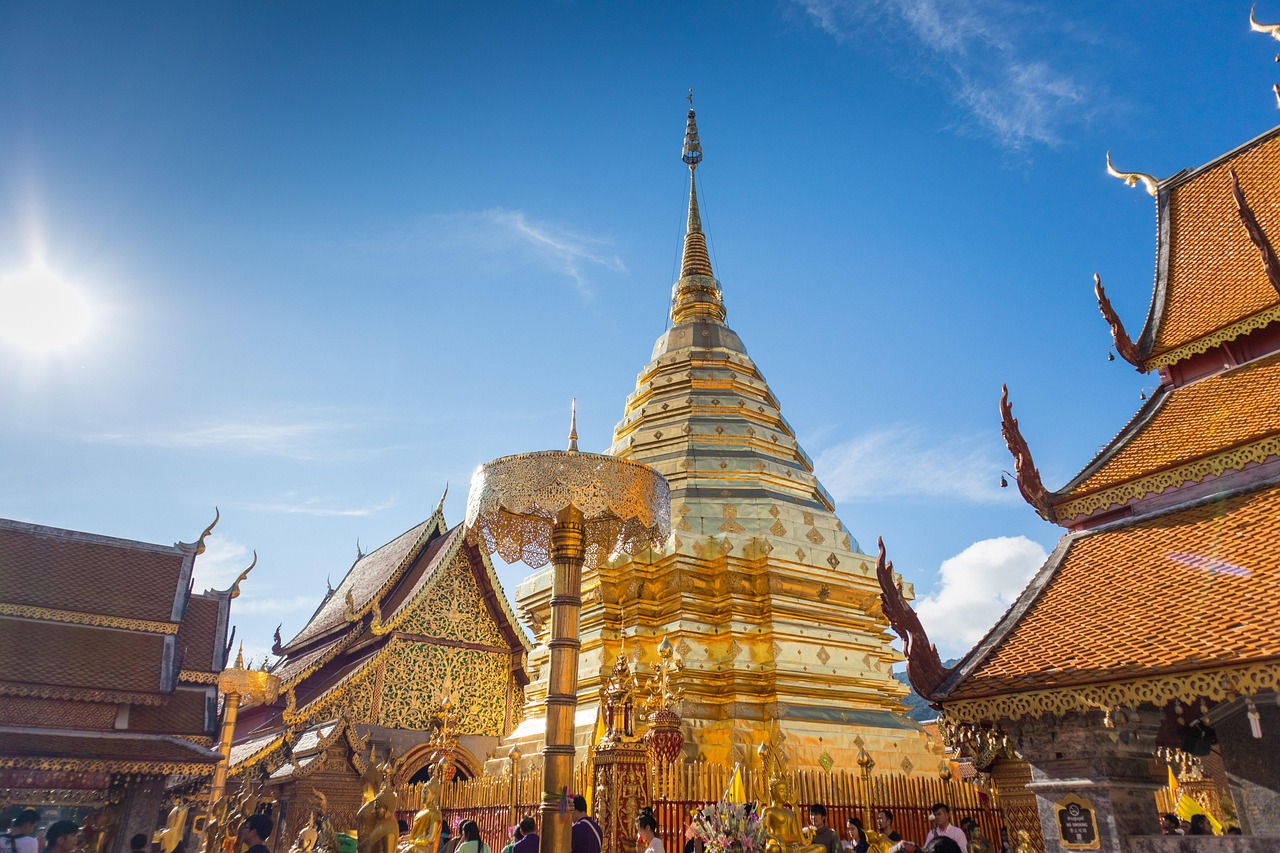
The Major Destinations
Start with these anchors, then add depth only when your transfer rhythm is stable.
Bangkok
Bangkok is your practical entry base: international air access, dense transport options, and enough urban variety to settle your pace before moving north or south. Use 2–4 nights to stabilize jet lag and lock your onward legs.
- Best for: first landing, logistics, food diversity.
- Trip logic: route planning from one efficient hub.
- Pacing tip: one major district + one calmer river/neighborhood block daily.
A strong Bangkok start prevents chaotic mid-trip re-planning.
Chiang Mai (North Thailand)
Chiang Mai gives you temple culture, Lanna identity, mountain framing, and a calmer tempo than Bangkok. It works as your contrast leg when you want heritage texture without constant high-intensity movement.
- Best for: temples, craft, old-city and hillside rhythm.
- Trip logic: place after Bangkok for a cleaner tempo shift.
- Pacing tip: early temple blocks, slower afternoons, one market night.
Chiang Mai is better with fewer checklist stops and more intentional mornings.
Phuket + Andaman Coast
Phuket is a practical southern gateway and Thailand’s largest island, with easy onward access to Andaman coastal legs. Use it as a structured base, then choose either active beach days or quieter north-coast pacing.
- Best for: island logistics, water activities, sea reset blocks.
- Trip logic: southern leg after city/culture intensity.
- Pacing tip: pick one beach zone and avoid daily cross-island churn.
South-coast hotspots are busier; north areas are typically calmer.
Isan (Khon Kaen Base)
If you want a less-touristed chapter, Isan gives you a different Thai rhythm and strong regional identity. Khon Kaen is a practical northeast base and commercial hub for inland exploration.
- Best for: lower-tourist-density routes and regional culture.
- Trip logic: add once the classic north/south spine is stable.
- Pacing tip: longer stays, fewer transport jumps.
Isan is where you go for depth, not speed.
Vibe Check: Which Thailand Are You Here For?
Choose your dominant mode first, then add one contrast mode.
City + Culture + Food Energy
Bangkok and heritage cities for markets, temples, neighborhoods, and food depth.
Northern Calm + Nature Flow
Chiang Mai and surrounding areas for softer pace, mountain air, and craft culture.
Island + Sea Reset
One island cluster for beach rhythm, marine activities, and recovery-friendly days.
Thailand in Four Seasons (Text + Icons)
No image here by design—fast planning notes only.
Cool-Dry Window
Best for: broad route flexibility and comfortable city/north exploration.
Hot Season
Best for: shorter active blocks, early starts, and midday shade strategy.
Rainy-Monsoon Window
Best for: slower itineraries and flexible transport timing.
Shoulder Mix
Best for: value seekers who can adapt day-by-day.
Gulf and Andaman conditions can differ. Align your island side with your specific travel months.
Daily Rhythm Comparison (Thailand Edition)
Pick one rhythm per zone. That’s how you keep energy and budget stable.
City Culture Rhythm
- Morning: temples/markets before peak heat.
- Midday: food + indoor reset.
- Late afternoon: neighborhood walk/cafe.
- Evening: street food + low-pressure roaming.
- Energy load: Medium.
Northern Slow Rhythm
- Morning: scenic drive/hike/temple.
- Midday: long lunch + rest block.
- Late afternoon: craft market or coffee route.
- Evening: calm dinner, earlier sleep.
- Energy load: Low to medium.
Island Reset Rhythm
- Morning: swim/snorkel/boat window.
- Midday: shade + hydration + admin.
- Late afternoon: beach walk / viewpoint.
- Evening: easy meal + sleep protection.
- Energy load: Low to medium.
Thailand rewards travelers who match pace to place instead of forcing one tempo everywhere.
Rob’s Tips: One Food Win + One Activity Win
Build memory anchors, not a blur.
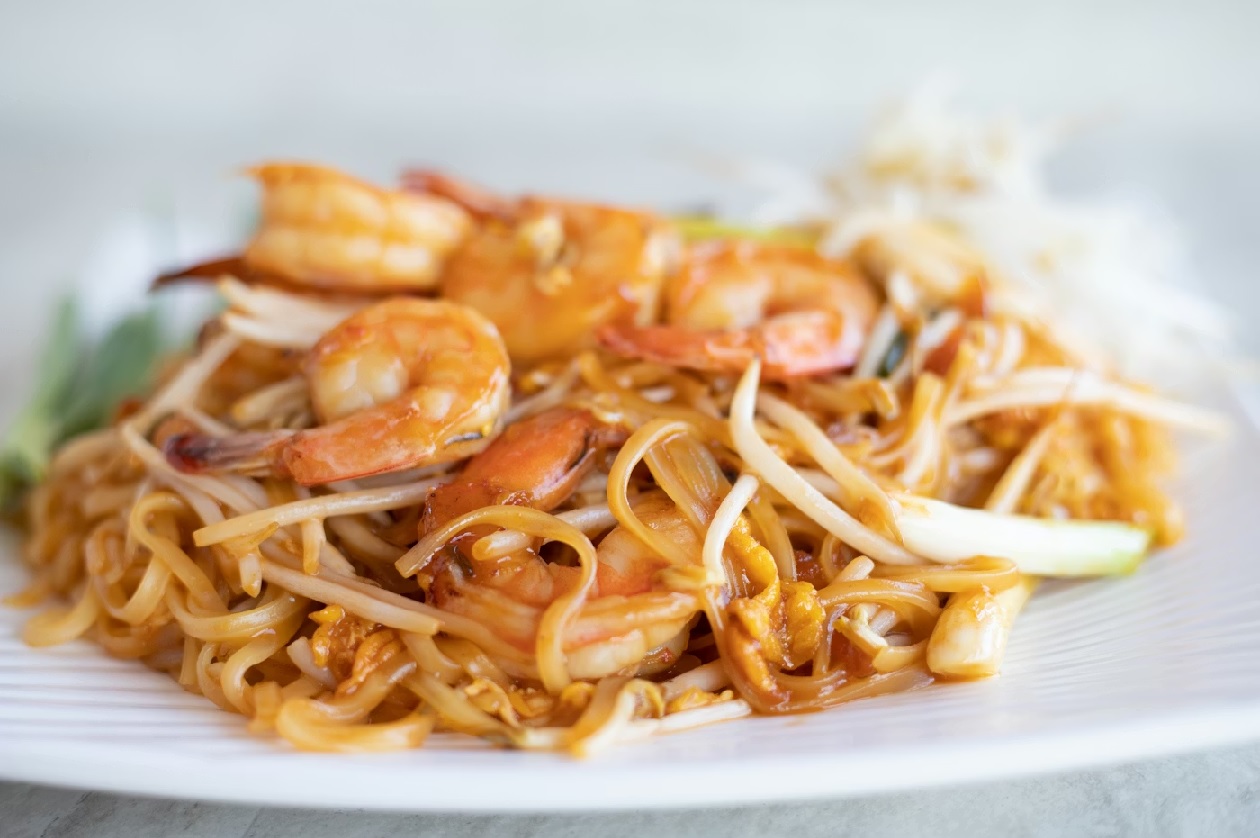
Food pick: Regional street-food circuit in one neighborhood
Instead of random grazing across the city, choose one district and sample 3–4 focused dishes. Better quality, better memory, less chaos.
Pad Thai How to Eat it Like a Local In a traditional Thai setting, the dish is usually served with a "condiment caddy" on the side so you can customize it to your personal taste: Crushed Peanuts: For texture and nuttiness. Lime Wedge: To squeeze over the top for a fresh hit of acidity. Dried Chili Flakes: If you want to increase the heat.Activity pick: Sunrise temple or coastal walk, then low-intensity afternoon
Early windows in Thailand are gold. You avoid heat, crowds, and forced spending from fatigue later.
One intentional food block + one intentional movement block per base keeps your trip crisp.
Safety: Suggestions, Warnings, and Calm Ground Rules
Most problems are avoidable with transport awareness, night-time judgment, and route discipline.
Smart habits
- Use licensed transport and confirm route/cost upfront.
- Keep valuables split between day carry and reserve.
- Hydrate hard in hot months, especially on travel days.
- Respect temple etiquette and local customs.
- Use reef-safe and sun-protection basics on island routes.
Warnings worth respecting
- Road and boat transfers can run longer than advertised.
- Night travel fatigue compounds quickly.
- Water activity risks rise in rough conditions.
- Tourist-heavy zones can have scam attempts—stay alert.
- Re-check official advisories before departure.
Thailand feels effortless when you stay a half-step ahead on logistics and energy management.
Official checks before departure
Women travelers: confidence plan
- Choose stays in active, well-lit neighborhoods.
- Use trusted ride options after dark.
- Keep arrival-day movement simple and daylight-based.
- If a situation feels off, move to busy public zones fast.
Logistics Lite
Set these once and the whole trip gets easier.
Entry + pre-arrival checks
Visa conditions depend on passport and length of stay—verify before booking internal legs.
Intercity + island movement
Thailand is connected well, but transfer stacking still drains time. Pick fewer, cleaner jumps.
Money + payments
- THB cash is still useful beyond major malls/hotels.
- Use bank ATMs where possible and track fees.
- Split cards/cash to reduce single-point failure.
Connectivity + admin discipline
- Download offline maps for each zone.
- Screenshot all tickets and accommodation pins.
- Do a 5-minute nightly logistics check.
Base Plans: 3 Thailand Structures That Work
Plan A: Bangkok + Chiang Mai (10–12 Days)
- Strong culture and food balance.
- Lower transport complexity than coast-splitting.
- Great for first-time rhythm and confidence.
Plan B: Bangkok + One Island Cluster (10–14 Days)
- City contrast with marine reset.
- Keep one coast only for cleaner flow.
- Ideal for mixed-energy travelers.
Plan C: North Focus + Light Bangkok (12–14 Days)
- Calmer pace with depth over breadth.
- Great for repeat visitors or slower travel styles.
- Excellent value when stays are longer.
Costs: What Actually Moves the Budget
Where people overspend
- Too many regional flights/ferries in one trip.
- Last-minute bookings in peak windows.
- Paying convenience premiums from poor planning.
- Over-scheduling paid activities without recovery days.
- Ignoring transfer-day food/transport leakages.
How to keep it sane (USD-first mindset)
- Set a daily USD target, spend in THB with tracking.
- Book anchors early; keep only selective flex days.
- Choose one premium splurge per zone.
- Protect low-spend recovery days.
Thailand stays budget-friendly when you control movement and pace.
Un-Googleable Thailand: Small Moves, Big Difference
Do admin before dinner, not before bed
Nightly logistics checks are easier before fatigue hits.
Use early hours for high-value experiences
Morning beats heat, crowds, and decision fatigue.
Keep one “known good” meal anchor per base
This reduces friction when long days hit unexpectedly.
Protect your final 24 hours
Avoid complicated intercity moves right before departure.
Gap Analysis: Is Thailand Right for Your Style?
You’ll love it if…
- You want culture + food + nature contrast.
- You prefer flexible pacing with strong infrastructure.
- You enjoy balancing comfort and value.
- You can commit to a simplified route plan.
Plan around it if…
- You dislike transport transitions entirely.
- You want one static place with zero movement.
- You’re trying to cover north + both coasts in one short trip.
Thailand is brilliant when your route is clear, your pace is realistic, and your buffer days are protected.
Thailand FAQs
Short answers to practical planning questions.
How many days do I need for Thailand?
Ten to fourteen days is ideal for two zones with a realistic pace.
Should I do both coasts and the north in one trip?
Usually no for first-timers on short trips. Two zones are cleaner and more enjoyable.
Is Thailand still budget-friendly?
Yes, especially when you reduce unnecessary transfers and plan anchors early.
What creates most trip friction?
Overpacked routes, too many transport legs, and no recovery days.
What should I verify before departure?
Visa/entry rules, weather by region, transport timings, and current travel advisories.
Join the conversation
Are you planning Thailand as city-food energy, northern calm, or island reset? Share your route idea and timing so other travelers can learn from your setup too.