SOUTHEAST ASIA LANE
Cambodia Travel Guide: Temple Depth, River Rhythm, and Routes That Stay Human
Cambodia lands hardest when you balance iconic sites with slower local rhythm—especially around Siem Reap and the river cities.
My framework: one anchor base, one contrast base, and one buffer day to absorb heat, transit, and energy dips.
If you sprint temples and buses back-to-back, everything blurs. If you pace Cambodia properly, it becomes one of the most meaningful trips in the region.
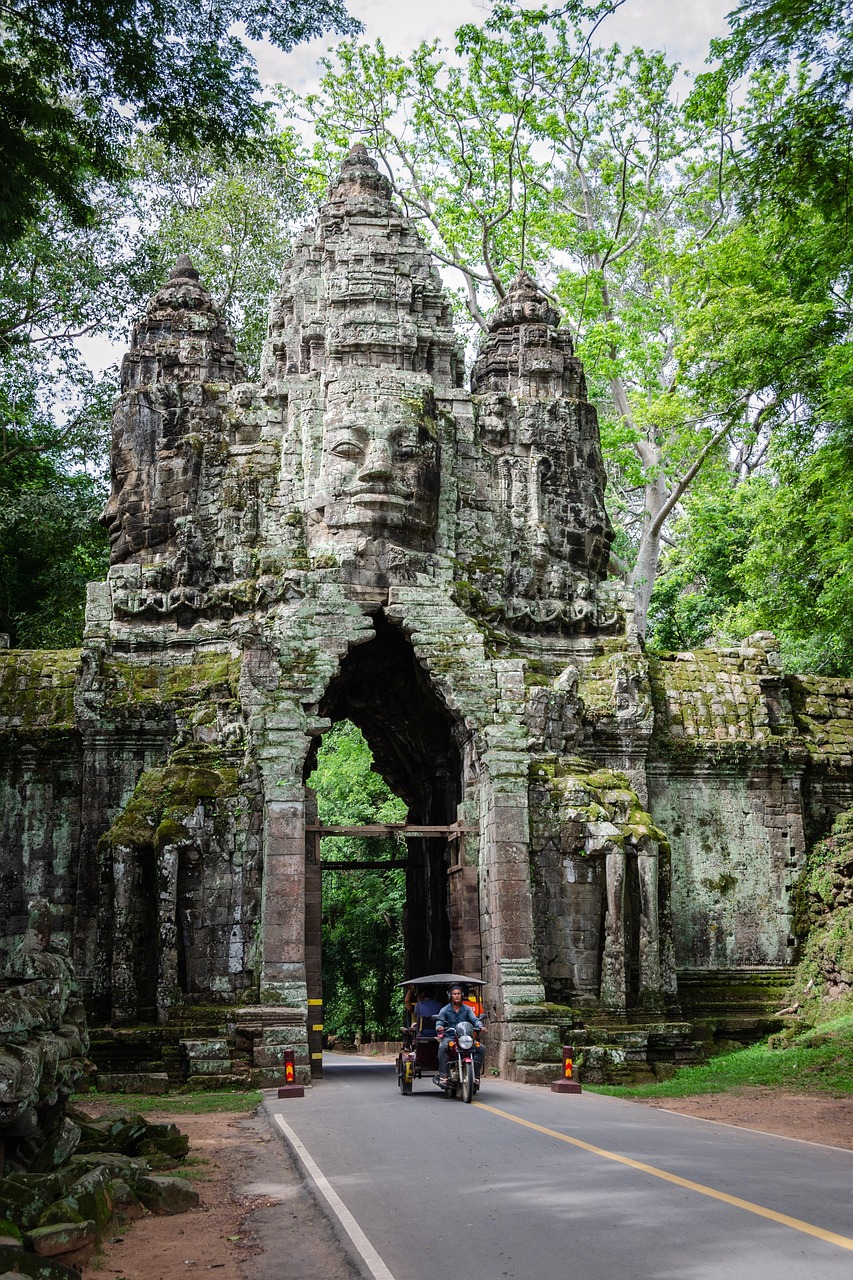
Quick Overview (60-Second Scan)
Cambodia is easier and richer when you slow the middle of your itinerary down.
- Best first move: Start in Siem Reap with a structured temple plan.
- Ideal first trip: 8–12 days for two bases + breathing room.
- Classic mistake: Temple overload with no recovery spacing.
- Big win: Alternate high-effort days with low-effort local days.
- My rule: Heat + transport days need lighter evening plans.
Cambodia is not just a checklist of famous ruins. Give it pace and context, and it hits differently.
- Angkor is vast—plan it as multiple sessions, not one mega-day.
- River and city life create a strong cultural contrast to temple zones.
- USD circulation is common in many tourism flows.
- Early starts improve comfort, crowd levels, and photo quality.
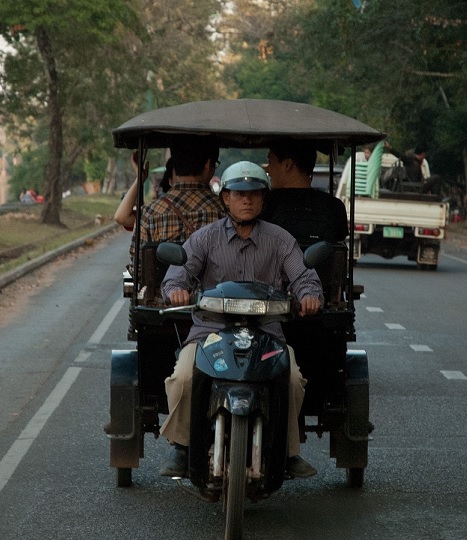
- Tuk-tuks are the standard temple transport—negotiate day rates, not per-trip.
- Temple pass photos are taken on-site—dress presentably when you buy your pass.
- Sunrise at Angkor Wat is iconic but crowded—consider sunset at Phnom Bakheng or Pre Rup instead.
- Hire a guide for at least one day—the context transforms what you're seeing.
- Peak season (Nov-Feb) means better weather but triple the crowds at major temples.
- Small temples like Banteay Srei and Ta Prohm reward afternoon visits when tour groups have left.
60-Second Fit Check
- Ideal style: Culture-first travelers with moderate daily energy.
- Energy level: Medium (can spike high on temple days).
- First-timer friendly: Yes, if route is simple.
- Budget vibe: Good value with premium spikes near major attractions.
- Transport spine: Flights + road transfers + local tuk-tuk rhythm.
The Cambodia That Clicks: Depth Over Speed
The structure that usually works best is: Siem Reap anchor + one contrast base (Phnom Penh, Kampot/Kep, or coast).
Use Angkor in layers: one sunrise/major circuit day, one focused temple day, one flex day. Then shift base and let Cambodia breathe.
My blunt take: if every day starts before dawn and ends with a long transfer, you won’t remember half of it.
Days 1–4 Siem Reap (layered temples), Days 5–8 contrast base, Day 9 buffer, Day 10 departure.
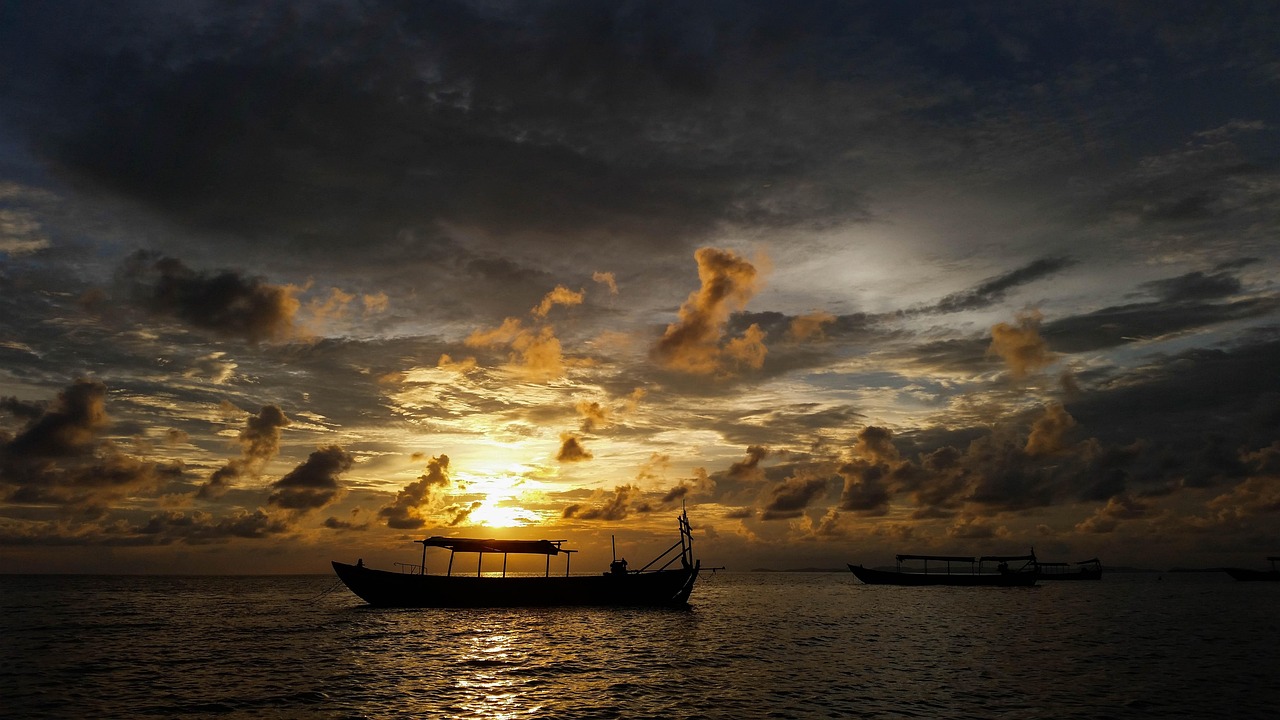
Vibe Check: Which Cambodia Are You Here For?
Pick one dominant lane, then add one contrast lane.
Temple + Heritage Depth
Early starts, guided context, and slower circuits around Angkor and beyond.
River-City + Culture
Markets, neighborhoods, food, and layered modern-historical perspective.
Slow South (Kampot/Kep/Coast)
Pepper farms, coastal air, and decompression after heavy sightseeing blocks.
The Major Destinations
Start with these anchors, then add depth only when your transfer rhythm is stable.
Phnom Penh
Phnom Penh is your best entry base for Cambodia: national museums, riverfront orientation, and strong onward transport links. Use it to set context before moving into temple-heavy or coast-heavy legs.
- Best for: first-night stability, history context, and logistics.
- Trip logic: start here, then pivot to Siem Reap or coast.
- Pacing tip: one history block + one lighter riverfront/evening block daily.
A grounded capital start makes temple and coast segments feel richer, not rushed.
Siem Reap + Angkor Zone
Siem Reap is the essential cultural anchor thanks to Angkor and easy tourism infrastructure. It deserves more than a one-day sprint: build in recovery time between major temple blocks.
- Best for: Khmer heritage depth and iconic archaeology.
- Trip logic: 3+ nights minimum for meaningful pacing.
- Pacing tip: sunrise/sunset windows + mid-day rest protect energy.
Angkor is not a checkbox; it’s a full rhythm block that rewards slow travel.
Kampot + Kep
Kampot and Kep are your calm contrast to Phnom Penh/Siem Reap intensity: riverside downtime, coastal air, and slower food-led travel days. Great as a late-trip decompression leg.
- Best for: lower-intensity pace and local flavor.
- Trip logic: place after temple or city-heavy blocks.
- Pacing tip: keep these days flexible and under-programmed.
These are rhythm destinations, not “see-it-all-in-one-day” stops.
Sambor Prei Kuk + Koh Ker Track
Once Angkor is covered, this route gives deeper archaeological context with fewer crowds. It’s ideal for repeat travelers or anyone who wants Cambodia beyond the standard circuit.
- Best for: advanced heritage travelers and second-pass routes.
- Trip logic: add only if you have enough buffer time.
- Pacing tip: treat as a focused extension, not a rushed side trip.
Cambodia is strongest as capital context + Angkor depth + one slower contrast leg.
Cambodia in Four Seasons (Text + Icons)
No image by design here—fast, clean seasonal planning.
Cooler-Dry Window
Best for: temple circuits, walking routes, and all-day exploration.
Hot-Dry Window
Best for: early-start itineraries with midday rest blocks.
Green/Wet Season
Best for: lush landscapes, lower crowds, and flexible scheduling.
Shoulder Transitions
Best for: mixed-value travel with adaptable day planning.
In Cambodia, heat management is a planning tool—not a comfort extra.
Daily Rhythm Comparison (Cambodia Edition)
Match your daily tempo to the setting instead of forcing one speed everywhere.
Temple Depth Rhythm
- Early morning: major site block before heat/crowds.
- Midday: rest, food, hydration, reset.
- Late afternoon: secondary temple or museum loop.
- Evening: simple dinner + next-day prep.
- Energy load: Medium to high.
City-Culture Rhythm
- Morning: markets and neighborhoods.
- Midday: indoor exhibits / cafe reset.
- Late afternoon: river walk / local food route.
- Evening: calmer social block, early sleep.
- Energy load: Medium.
Slow South Rhythm
- Morning: gentle activity (farm/coastal loop).
- Midday: shade + long lunch.
- Late afternoon: light movement + sunset.
- Evening: relaxed food and full recovery.
- Energy load: Low to medium.
Don’t run temple-intensity days back-to-back without recovery—you’ll flatten the experience.
Rob’s Tips: One Food Win + One Activity Win
Anchor memory through one intentional meal and one intentional movement block.
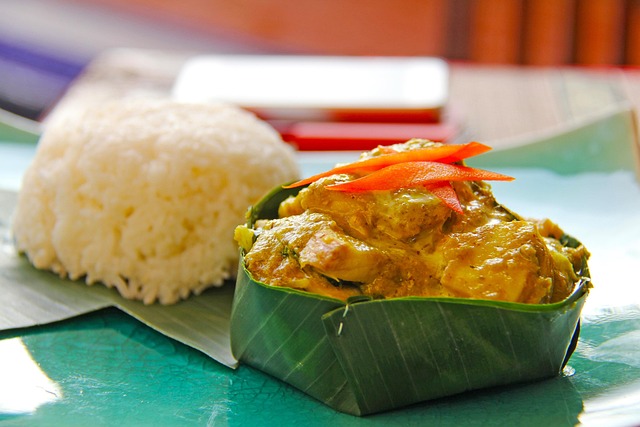
Food pick: Fish amok in a proper local setting
Skip rushed snack grazing for one real, slow meal. Ask where locals go for fish amok done right and give it time.
Activity pick: Sunrise temple outer-circuit walk
The cooler first hours change everything—comfort, photo light, and overall energy for the whole day.
One food anchor + one movement anchor gives your Cambodia trip structure and memory.
Safety: Suggestions, Warnings, and Calm Ground Rules
Most issues are avoidable with heat discipline, transport care, and normal street awareness.
Smart habits
- Hydrate aggressively on temple/long-walk days.
- Use trusted transport and agree fare before departure when needed.
- Protect valuables in crowded markets and transit points.
- Keep copies/screenshots of key docs and bookings offline.
- Respect local customs at religious sites (dress and behavior).
Warnings worth respecting
- Midday heat can quietly crush stamina and judgment.
- Night intercity transfers can add fatigue + friction.
- Rural road travel times can run longer than map estimates.
- Heavy rain windows can alter transport reliability.
- Re-check advisories before departure.
In Cambodia, pace discipline is part of your safety plan, not just comfort planning.
Official checks before departure
Women travelers: confidence plan
- Choose central stays with strong recent reviews.
- Favor daylight arrivals in new cities when possible.
- Use trusted ride options after dark.
- If a situation feels off, move to brighter, busier spaces quickly.
Logistics Lite
Set these once and the rest of the route flows better.
Entry + pre-arrival checks
Confirm visa requirements by passport and complete the correct arrival paperwork before departure.
In-country movement
Prioritize fewer, longer stays over frequent jumps. Cambodia rewards base depth.
Money + payments
- KHR is official; USD is still common in many traveler flows.
- Keep clean small notes for practical daily use.
- Split cash and card backups across separate locations.
Connectivity + admin discipline
- Download offline city maps and temple area pins.
- Screenshot all booking confirmations and ticket details.
- Run a 5-minute “tomorrow check” each evening.
Base Plans: 3 Cambodia Structures That Work
Plan A: Siem Reap + Phnom Penh (8–10 Days)
- Temple depth + city-cultural context.
- Best first-time all-rounder setup.
- Great for moderate-energy itineraries.
Plan B: Siem Reap + Kampot/Kep (9–12 Days)
- Iconic heritage plus slower southern decompression.
- Excellent contrast in pace and atmosphere.
- Works well with one protected buffer day.
Plan C: Phnom Penh + South Coast Focus (8–11 Days)
- Good for repeat visitors or temple-light preference.
- Combines urban texture with coastal breathing room.
- Lower intensity, strong reflection time.
Costs: What Actually Moves the Budget
Where people overspend
- Too many paid day tours in a row.
- Over-reliance on last-minute private transfers.
- Underestimating temple ticket + guide combinations.
- Switching bases too often.
- Fatigue spending on hot days with no rest rhythm.
How to keep it sane (USD-first mindset)
- Set a daily USD target, spend flexibly in KHR/USD mix.
- Book big-ticket anchors first, then fill around them.
- Use one premium experience per base block.
- Protect downtime to avoid burnout purchases.
Cambodia stays high-value when you reduce transfers and plan energy as carefully as money.
Un-Googleable Cambodia: Small Moves, Big Difference
Do temple admin the night before
Tickets, route order, and start time sorted in advance keeps mornings friction-free.
Plan one no-sightseeing half-day per base
It protects energy and increases the quality of your “big” days.
Use early hours for priority sites
Heat, crowds, and comfort all trend better in the first part of the day.
Keep your final 24 hours simple
Avoid complex transfer stacks right before departure day.
Gap Analysis: Is Cambodia Right for Your Style?
You’ll love it if…
- You want deep heritage with real emotional weight.
- You enjoy travel that balances reflection and movement.
- You can pace high-heat days intelligently.
- You value strong culture-per-dollar value.
Plan around it if…
- You dislike warm/humid conditions.
- You only enjoy ultra-fast checklist travel.
- You’re trying to stack too many destinations in one short trip.
Cambodia rewards travelers who trade speed for depth and keep their daily load realistic.
Cambodia FAQs
Short answers to practical planning questions.
How many days do I need for Cambodia?
Eight to twelve days is a strong first-trip window for two bases with breathing room.
Is Angkor possible in one day?
You can sample it in one day, but two to three layered sessions are far better.
Is Cambodia budget-friendly?
Yes, especially when you keep transfers simple and avoid overbooking tours.
What usually causes trip friction?
Heat mismanagement, temple overload, and too many base changes.
What should I verify before departure?
Visa/entry conditions, weather period, transport links, and current advisories.
Join the conversation
Are you planning Cambodia as temple-first, city-culture, or a slow south reset? Share your route idea and timing so other travelers can learn from your setup.