DESTINATIONS · COUNTRY GUIDE
Jordan Travel Guide
Jordan is one of the easiest places in the region to love quickly—if you plan it with the right rhythm. The win is not cramming sites. The win is pairing one comfortable city base with one high-contrast landscape leg.
My first-timer order is simple: arrival comfort → historic depth → desert contrast → clean exit. Do that, and the trip feels layered instead of rushed.
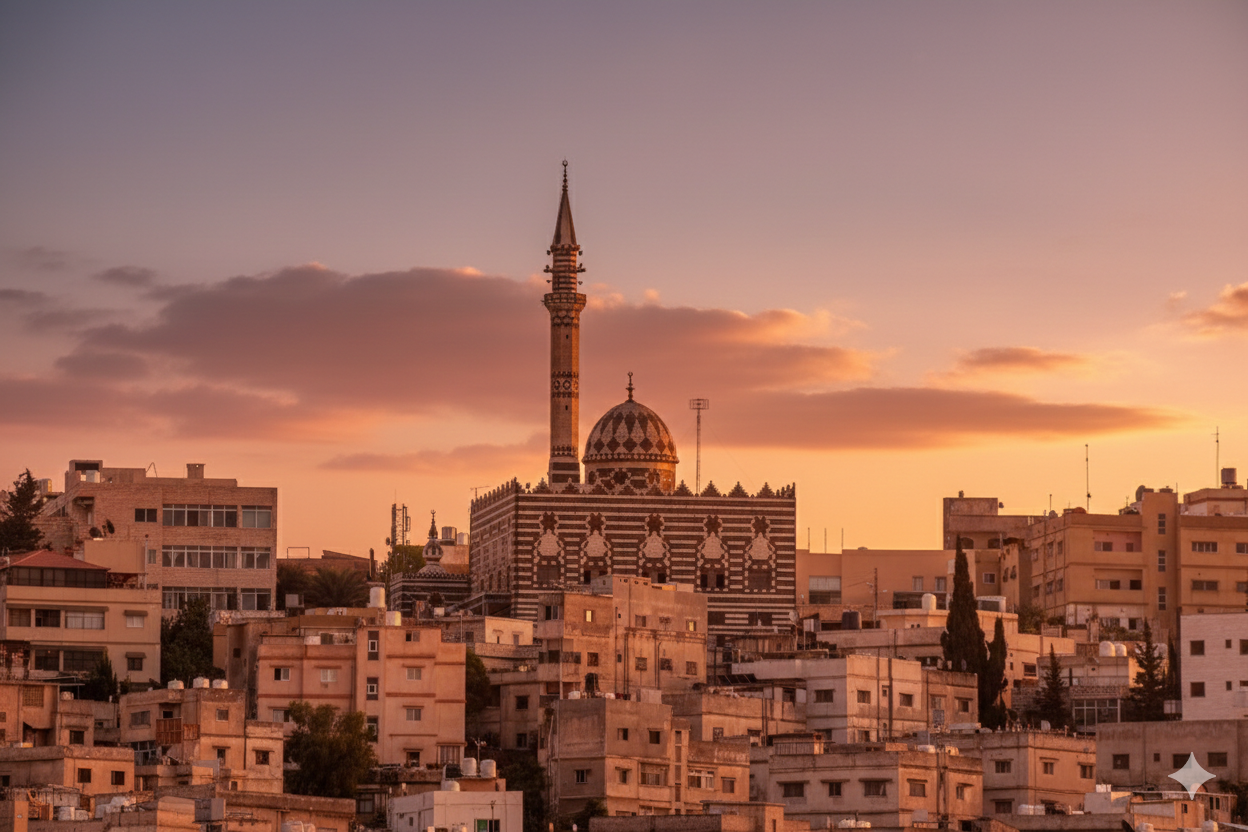
Jordan in 60 seconds
Trip fit
- Best for: history lovers, desert landscapes, food-led travelers, and first-time regional explorers.
- Travel style: city comfort + curated day flow is the cleanest first route.
- Pace rule: 2 bases for 7–10 days is usually the sweet spot.
- Mindset: respect, curiosity, and route discipline beat checklist speed.
- Trip shape: Amman + Petra/Wadi Rum is a proven starter pattern.
- Physical demand: moderate—Petra requires 4–6 hours of walking on uneven terrain; heat management matters April–October.
- Cultural prep: modest dress, basic Arabic phrases, and meal timing around prayer schedules smooth daily flow.
- Solo-friendly: very—locals are hospitable, tourism infrastructure is solid, and group tour options exist for shared experiences.
- Seasonal note: spring (March–May) and fall (September–November) deliver ideal temperatures; summer desert heat is intense, winter brings cold desert nights.
Cheat sheet
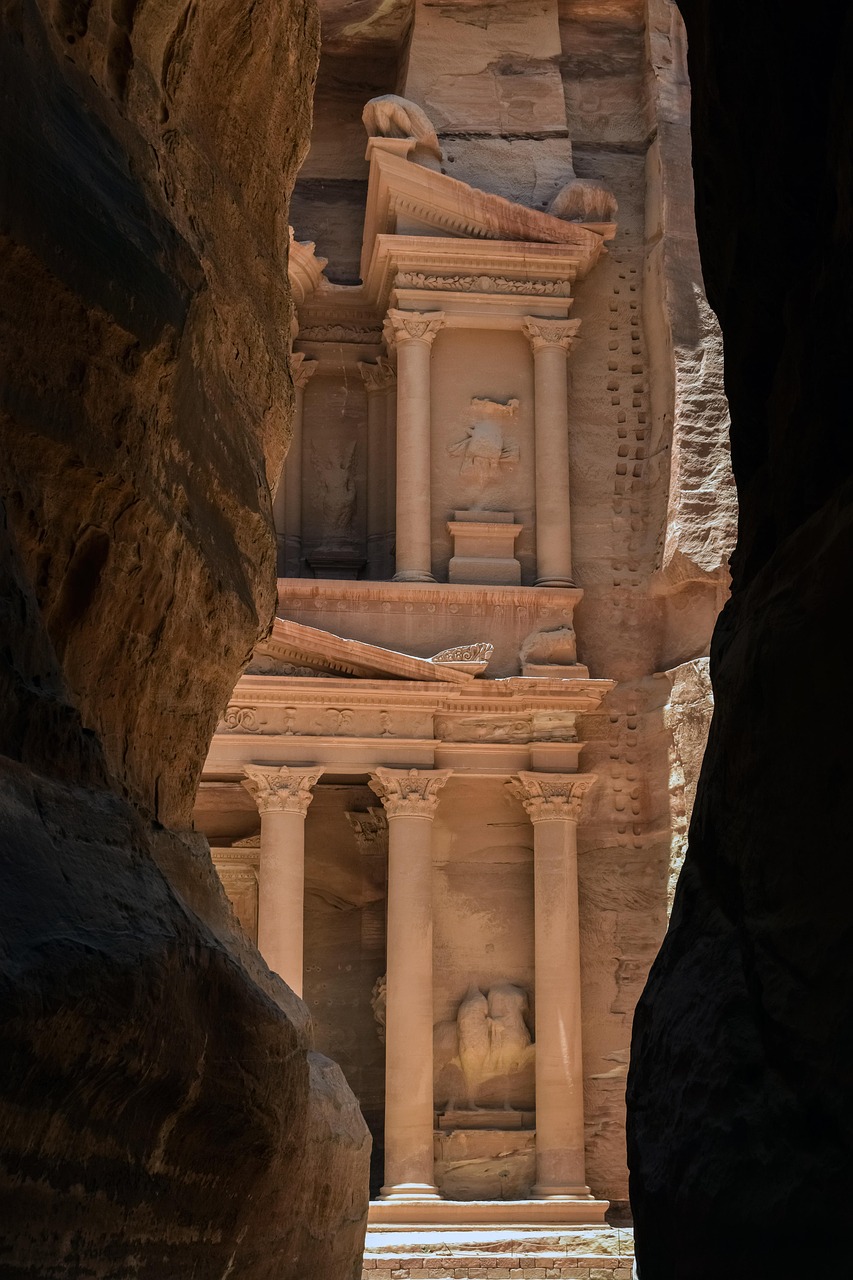
- Big landmark: Petra is a UNESCO World Heritage site and one of Jordan’s core cultural anchors.
- Desert contrast: Wadi Rum is a UNESCO mixed site with major natural and archaeological value.
- Planning tool: Jordan Pass can bundle Petra + 40+ attractions and may waive visa fees under conditions.
- Safety note: advisories change—use official government sources before and during your trip.
- Currency: Jordanian dinar (JOD); cards are common in cities, cash helps in smaller stops.
- Connectivity: SIM cards available at the airport; WiFi is reliable in hotels and many cafes.
- Transport backbone: private drivers or rental cars work best for multi-site routes; JETT buses connect Amman–Petra affordably.
- Food safety: tap water isn't drinkable—stick to bottled; street food is generally safe in busy spots.
Dreaming hook: why Jordan feels so complete so quickly
Jordan gives you range without chaos: Roman-era city layers, Nabataean heritage, desert silence, and a coastal reset. In one trip, you can move from old stone to red sand to sea breeze without breaking your planning brain.
What hits first
- Jordan feels welcoming for travelers who like structure and local context.
- The country is varied, but route design still matters more than distance on a map.
- Historic places reward early starts and longer windows, not quick photo sprints.
- Evening rhythm is often social and relaxed—great for food and neighborhood wandering.
What works best
- Anchor in Amman first if you want a soft landing and options.
- Use Petra + Wadi Rum as your contrast leg, then decide if you add Aqaba.
- Keep at least one buffer half-day for weather, energy, or traffic shifts.
- If time is tight, depth in two regions beats surface-level coverage of four.
Vibe check: is Jordan right for your trip style?
You’ll probably love it if…
- You like culture with context, not just landmarks.
- You enjoy balanced days: one headline experience + one easy local layer.
- You want a trip that feels meaningful without overcomplicated logistics.
- You’re open to early starts for major sites and slower evenings.
It may feel hard if…
- You prefer totally spontaneous, no-plan movement every day.
- You pack too many one-night stops into a short trip.
- You skip transport planning between key legs.
- You treat all Middle East countries as one identical travel context.
Best first-trip shape
- City anchor: Amman (arrival, recovery, route control).
- Contrast leg: Petra + Wadi Rum.
- Optional reset: Aqaba if you want a coastal decompression day.
- Exit cleanly: keep final night near your departure point.
Street smarts: practical safety without the drama
Jordan is often straightforward when you travel with situational awareness. The key is’nt fear—it’s current information and smart route decisions.
Practical safety habits
- Check official advisories before departure and again while traveling.
- Avoid demonstrations and border-proximate areas under active warnings.
- Use registered transport and keep offline copies of key docs.
- Share your day plan and ETA on longer transfer days.
- Carry a calm backup plan when conditions shift.
Culture + conduct basics
- Modest dress is a strong default, especially in religious and local settings.
- Always ask before photographing people.
- Respect site rules and local routines around prayer times.
- Hospitality is a strength here—kind, respectful behavior is noticed and returned.
- In busy tourist areas, keep normal anti-scam habits and price clarity.
Logistics lite: what to lock before you fly
Entry and documents
- Check passport validity and current visa pathway before booking flights.
- Jordan Pass can be great value if Petra is already in your plan.
- Buy key passes and confirmations before arrival where required.
- Keep digital + offline copies of bookings and IDs.
Arrival flow
- Book your first 1–2 nights in a connected district in Amman.
- Keep day 1 intentionally light for recovery and route calibration.
- Use day 2 to lock exact onward transfer timings.
- If your flight lands late, shift your main sightseeing by one morning.
Money + movement
- Cards are easy in major areas; keep cash for smaller stops and tips.
- Long transfer days are where itineraries usually crack—protect your energy budget.
- Don’t stack late arrival + pre-dawn departure on back-to-back days.
- Shorter route, better sleep, better trip decisions.
Where to go first: simple Jordan route logic
Amman (urban anchor)
Best base for your first nights: easy logistics, strong food scene, and clean onward routing.
Petra (historic depth)
Jordan’s headline heritage experience—give it real time, not a rushed pass-through.
Wadi Rum (desert contrast)
Big landscape payoff and a total energy shift from city rhythm.
Aqaba (coastal reset)
Optional final leg for sea-air decompression before departure.

Un-googleable secrets that make Jordan smoother
Timing secret
You get better days by planning around energy windows, not just site opening times: early start for big sites, midday recovery, evening food and local walks.
That simple rhythm keeps decision quality high for the whole trip.
Route secret
Jordan rewards fewer handoffs. Two strong bases usually outperform a hyper-ambitious string of one-night stops.
Less moving = better sleep, better site windows, and fewer logistics mistakes.
Gap analysis: common planning misses (and quick fixes)
Miss #1: too many stops
Fix: Keep one anchor + one contrast leg for most 7–10 day trips.
Miss #2: no recovery space
Fix: Add one buffer half-day between major transfer and major site days.
Miss #3: static safety assumptions
Fix: Re-check current official advisories throughout the trip, not only before departure.
Rob’s Pointers: a clean first Jordan route
My simple 8-night Jordan framework
- Nights 1–3: Amman base (arrival comfort + city rhythm).
- Nights 4–5: Petra-focused leg (historic depth done properly).
- Night 6: Wadi Rum experience (desert contrast).
- Nights 7–8: Aqaba or return toward departure city.
- Rule: keep one flexible half-day unbooked for adjustments.
This route stays rich, realistic, and forgiving—exactly what first Jordan trips need.
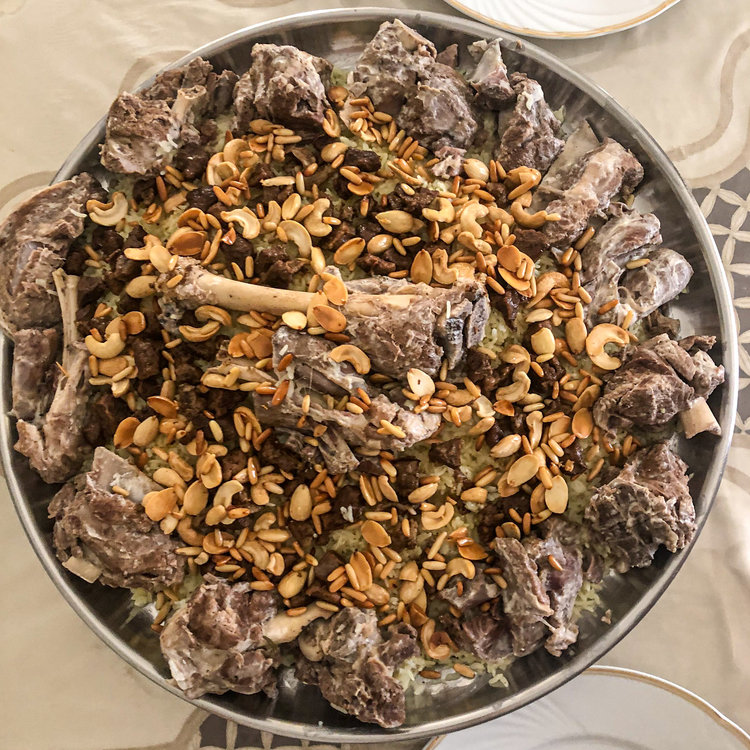
Food note: Try mansaf in a local setting if you can. It’s one of the fastest ways to connect with place and people.
Mansaf:is the national dish of Jordan and a central part of the country's culinary identity. It is a traditional Levantine dish that is deeply rooted in Bedouin culture, symbolizing hospitality and generosity. A classic Mansaf consists of three main components: Lamb: Large chunks of tender lamb are slow-cooked until they easily fall off the bone. Jameed: This is the most critical element. Jameed is a hard, dry yogurt made from ewe or goat's milk. It is reconstituted into a rich, tangy, and creamy sauce that the lamb is simmered in. Rice: The dish is served over a large platter of aromatic rice (often colored yellow with turmeric).Before you book: official checks
Use official sources for entry rules, advisories, and heritage updates.
Jordan travel FAQs
Yes. For many travelers, Jordan is one of the easiest entries to the region when you keep the route focused: one city anchor and one contrast leg.
7–10 days is a strong first window. It lets you include Amman plus Petra/Wadi Rum without overloading transfers.
Often yes if Petra is in your plan. It can include multiple attractions and may waive visa fees when conditions are met. Verify current rules directly before purchase.
Over-rotating on number of stops. Jordan rewards fewer bases with better timing and stronger experience quality.
Next step options
Pick one move, then refine. Momentum first, perfection later.
Join the conversation
Planning Jordan soon? Share your draft route in the comments and the trip length you’re working with. If you’ve already been, drop one “wish I knew this earlier” insight to help other travelers plan better.