OCEANIA LANE • PAPUA NEW GUINEA
Papua New Guinea Travel Guide: Reefs, Highlands
& Cultural Depth Done Right
Papua New Guinea is one of those places that rewards intention, not speed. It’s culturally rich, geographically wild, and absolutely memorable when you plan by route logic + trusted operators + realistic pacing.
My core rule here is simple: choose one primary experience lane, then add one supporting contrast. If your lane is reef/diving, add one culture day. If your lane is trekking/highlands, add recovery time and one coastal reset. That keeps the trip grounded and reduces avoidable friction.
Also, this destination requires practical planning discipline. Travel advisories from multiple governments currently flag elevated security risk in parts of PNG, so the winning approach is to build a smart route, stay flexible, and use reputable local providers for every major leg.
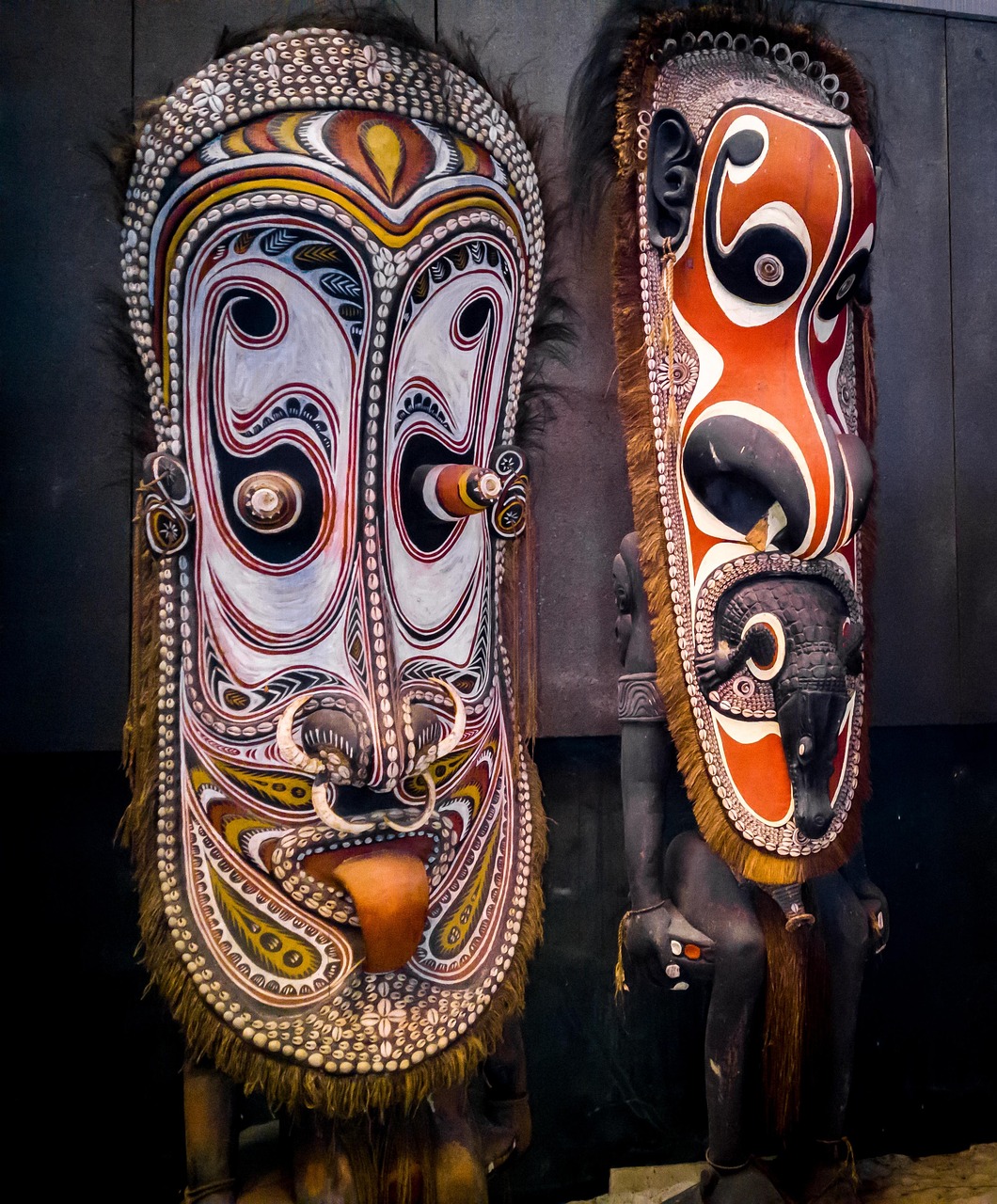
Need the Gist? (60-Second Scan)
If you only read one section, read this. PNG is extraordinary when you plan for realism, not checklist speed.
- Best first move: Pick one primary lane (reef/culture/trek) and one supporting contrast leg.
- When it clicks: When transfers are in daylight, with buffer days and trusted operators.
- Money truth: Costs jump when you add too many domestic hops and remote one-night stays.
- Easy win: Keep base count low and pre-book anchor logistics before you depart.
- Classic mistake: Treating PNG like a rapid city-break destination.
- Quiet flex: Fewer places + deeper local engagement gives better stories and less stress.
PNG rewards preparation and respect. If your route is calm, your experience is usually richer.
60-Second Fit Check
- Ideal trip length: 10–14 days for one lane, 15–21 days for a two-lane route.
- Best energy level: Medium to high, with deliberate recovery blocks.
- First-timer friendly: Yes, if you keep routing simple and use vetted support.
- Budget vibe: Mid-to-premium once remote legs and guides enter the plan.
- My rule: If your route looks “tight,” remove one transfer and protect quality.
Advisory levels and local conditions can shift quickly by province, so verify status before each leg.
The PNG That Clicks: One Core Lane + One Controlled Contrast
If you want PNG to feel coherent, build around this structure: one main lane + one contrast lane. Example: Tufi / coastal-nature focus + Port Moresby culture day. Or East New Britain nature/history + a short city entry/exit block.
Why this works: it gives you depth without constant reset fatigue. You get immersion, but you also keep logistics clean — which matters more in PNG than in easier transit destinations.
I’d rather see you experience fewer places properly than spend your whole trip moving bags. PNG is not a “rush-and-tick” destination; it is a “plan-and-feel” destination.
Day 1 Port Moresby settle-in → Days 2–6 one strong lane (reef/coast or cultural base) → Days 7–10 one contrast leg → final day buffer before international departure.

Vibe Check: Which Papua New Guinea Are You Actually Here For?
PNG has multiple personalities. Pick your dominant mode first, then add one support mode.
Reef & Coastal Nature PNG
You want marine life, coastal calm, and layered nature days. Think lower-friction rhythm, slower mornings, and fewer transfers.
Plan like: one coastal base + day excursions + weather buffer.
Culture & Human Story PNG
You’re here for cultural depth, lived tradition, and local perspective. This lane is strongest when you go with trusted local guidance and respectful pacing.
Plan like: pre-arranged ground support + intentional community etiquette.
Trek & Highlands PNG
You want mountain challenge and expedition energy. High reward, but also higher logistics and security sensitivity by area.
Plan like: licensed operator, current advisory checks, conservative timing.
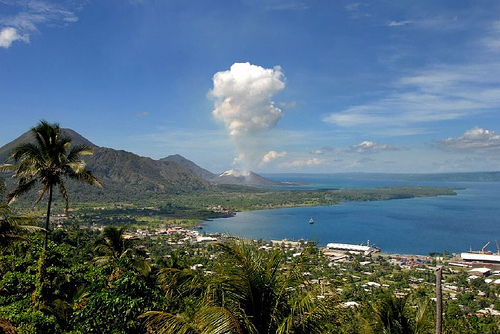
PNG Timing: Think Regional Weather Windows, Not One National Rule
- General pattern: PNG is tropical, with regional variability and humidity year-round.
- Often drier windows: Many routes are easier in mid-year shoulder-to-drier periods.
- Often wetter windows: Heavier rain periods can affect flight/road reliability in some areas.
- Best practice: Build your final timing around your exact provinces, not national averages.
In PNG, weather and logistics are connected. Add time buffer around important transfer days.
Safety: Non-Negotiables for a Smoother PNG Trip
This is where practical planning matters most. Read the advisory profile, then design for daylight logistics and low-friction movement.
Current advisory picture
- U.S. advisory is Level 3 (Reconsider Travel) due to crime, civil unrest, kidnapping, and unexploded ordnance.
- Australia advises high degree of caution, noting violent crime and unrest in parts of PNG.
- UK advises against all but essential travel in specific high-risk areas, including parts of Highlands and Bougainville.
Route discipline that actually helps
- Move in daylight wherever practical, especially on transfer days.
- Use pre-arranged transport and established accommodation partners.
- Avoid casual movement in unfamiliar areas after dark.
- Keep your itinerary shareable with a trusted contact.
Health and readiness
- Check destination-specific vaccine/health advice before departure.
- Smartraveller currently notes WHO-confirmed vaccine-derived polio detection and recommends checking booster status.
- Carry core meds and a small treatment kit in your carry-on.
On-ground behavior rules
- Dress and move respectfully in local communities.
- Ask before photographing people or sensitive places.
- Don’t flash gear/cash in busy transit settings.
- If a day feels unstable, pivot early and keep it simple.
Street Smarts: Small PNG Rules That Save Big Stress
- Treat transfer days as transfer days. Don’t overload them with major activities.
- Protect your first 24 hours. Keep day one low complexity and reset properly.
- Use operator quality as a filter. In PNG, provider quality changes outcomes quickly.
- Carry cash backup sensibly. Card acceptance can vary by area and business type.
- Download offline maps/docs. This saves time and anxiety when connectivity dips.
- Keep one free half-day every 3–4 days. Weather and energy both need buffer.
- Don’t chase every headline location. Depth beats coverage here.
- Finish strong, not exhausted. A calmer final third improves the whole trip memory.
PNG is one of those destinations where your planning behavior matters as much as your destination list.
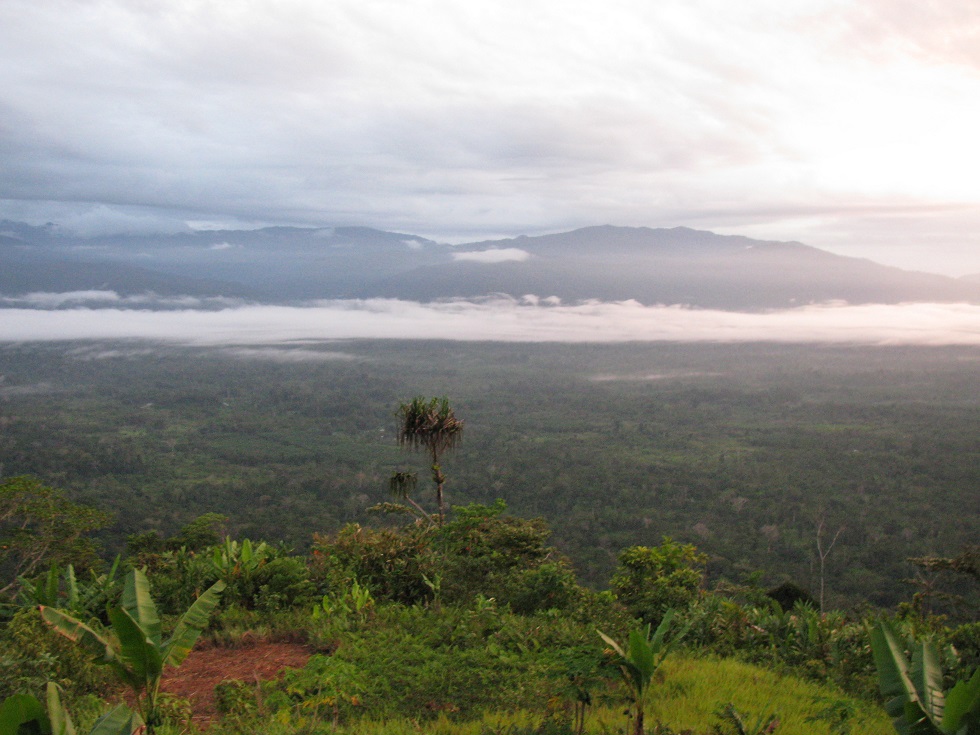
Logistics Lite
PNG gets much easier once five basics are locked: visa pathway, advisory checks, route simplicity, vetted transfers, and health prep.
Entry rules & visa pathway
Visitor visa details are published by PNG’s Immigration & Citizenship Authority, and eVisa options are available through official channels. Confirm your passport pathway before committing to non-refundable bookings.
Visas & entry requirements (site guide)Advisory checks are part of route planning
Don’t treat advisories as “optional reading.” Use them to shape where you go, how you move, and who you book with. Re-check shortly before each transfer leg.
Money, cashflow, and daily spend control
PNG uses the kina (PGK). Costs can escalate in remote legs, especially when movement is frequent. Keep base count modest and avoid unnecessary one-night hops.
Getting around
Plan key transfers early and give yourself timing margin. In PNG, “tight” itineraries are where stress begins.
- Prioritize fewer, stronger bases over frequent location switches.
- Use known operators for airport transfers and specialized routes.
- Keep a contingency option for weather or schedule changes.
Connectivity and documents
Keep passports, visa approvals, and core bookings available both online and offline. Save important contacts and route notes in two places.
Health setup before departure
Book a travel-health check before you fly, especially for longer or remote itineraries. Bring core prescriptions and practical first-line meds.
In remote contexts, prevention beats improvisation every time.
Base Plans: 3 Practical PNG Structures That Hold Up in Real Life
Pick one and commit. Route clarity is your best friend in PNG.
Plan A: Coast / Nature Focus + City Buffer
- Why: Strong visual reward with manageable complexity.
- Do: One coastal/nature base + Port Moresby entry/exit buffer.
- Rule: Protect the day before your international departure.
First-time PNG visitors who want depth without expedition overload.
Plan B: Culture-Led Route
- Why: Human story and place-based learning become the core memory.
- Do: One city orientation + one curated local-cultural region.
- Rule: Go with high-trust local partnerships.
You travel with context, not just coordinates.
Plan C: Trek Lane + Recovery Lane
- Why: Maximum challenge and meaning with a controlled structure.
- Do: Trek-focused block + recovery/coastal close-out.
- Rule: Do not compress this plan into a short timeline.
It keeps your body and logistics in sync with the mission.
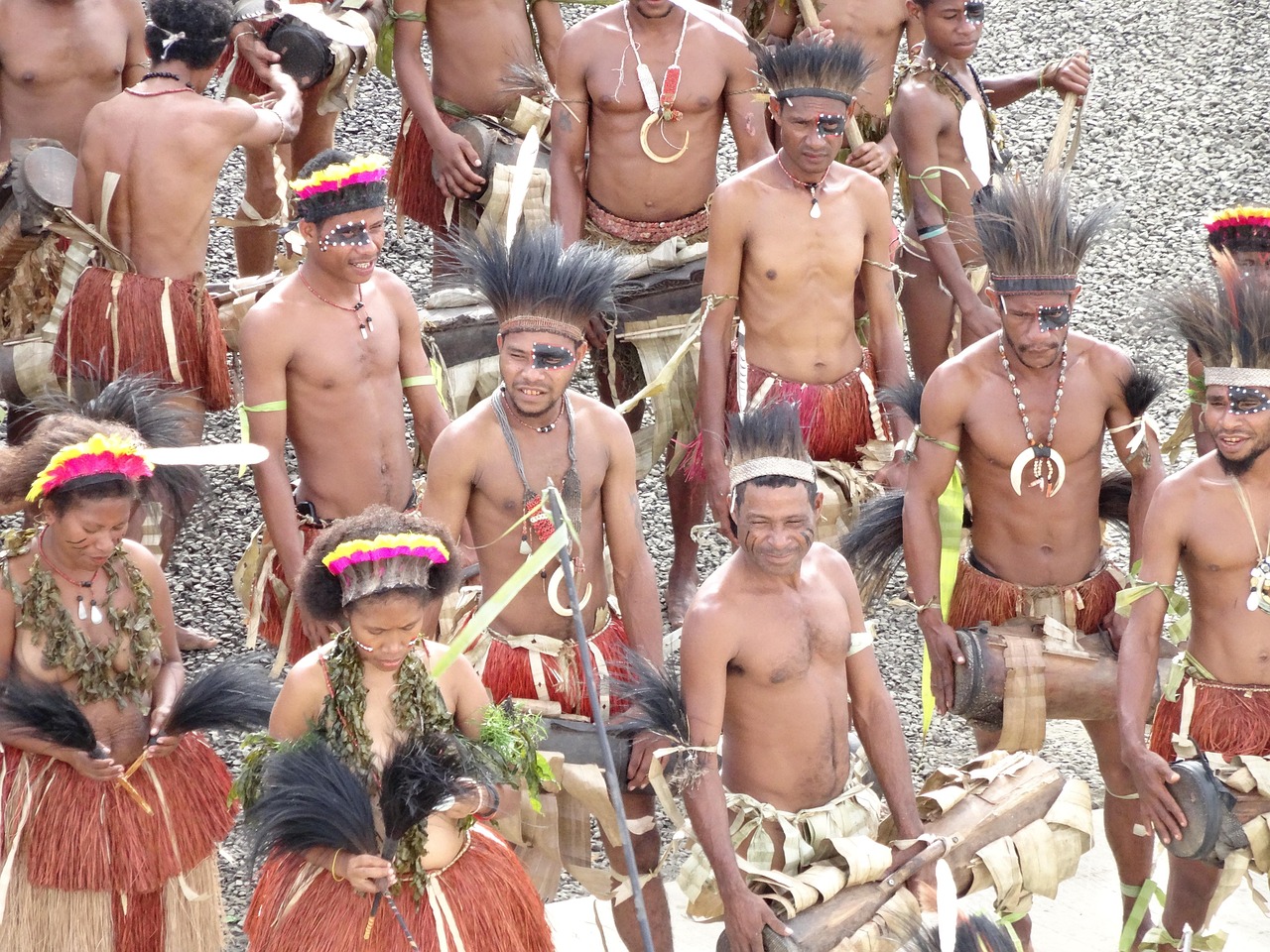
Costs & Pace: What Actually Moves the Needle in PNG
In PNG, your cost profile is shaped less by “cheap vs expensive mindset” and more by route complexity. Every additional transfer can compound spend, risk, and fatigue.
- Accommodation strategy: Fewer bases and longer stays often improve value and flow.
- Food strategy: Build simple daily routines where available to avoid convenience-cost creep.
- Transport strategy: Anchor flights/transfers first, then build activities around them.
- Activity strategy: Choose a few high-value experiences instead of paying for constant movement.
- Budget truth: Remote and specialist segments usually price higher than urban blocks.
PNG is not where aggressive itinerary stacking saves money. Usually it does the opposite.
🇵🇬 Papua New Guinea Daily Rhythm Comparison
How pace shifts energy, cost pressure, and trip quality
Pace bands are illustrative planning aids, not a quoted price guide.
Rob’s Choice: Sunrise in Tufi Before the Day Speeds Up
If you want one quietly powerful memory, do an early start in Tufi and let the landscape set your pace.
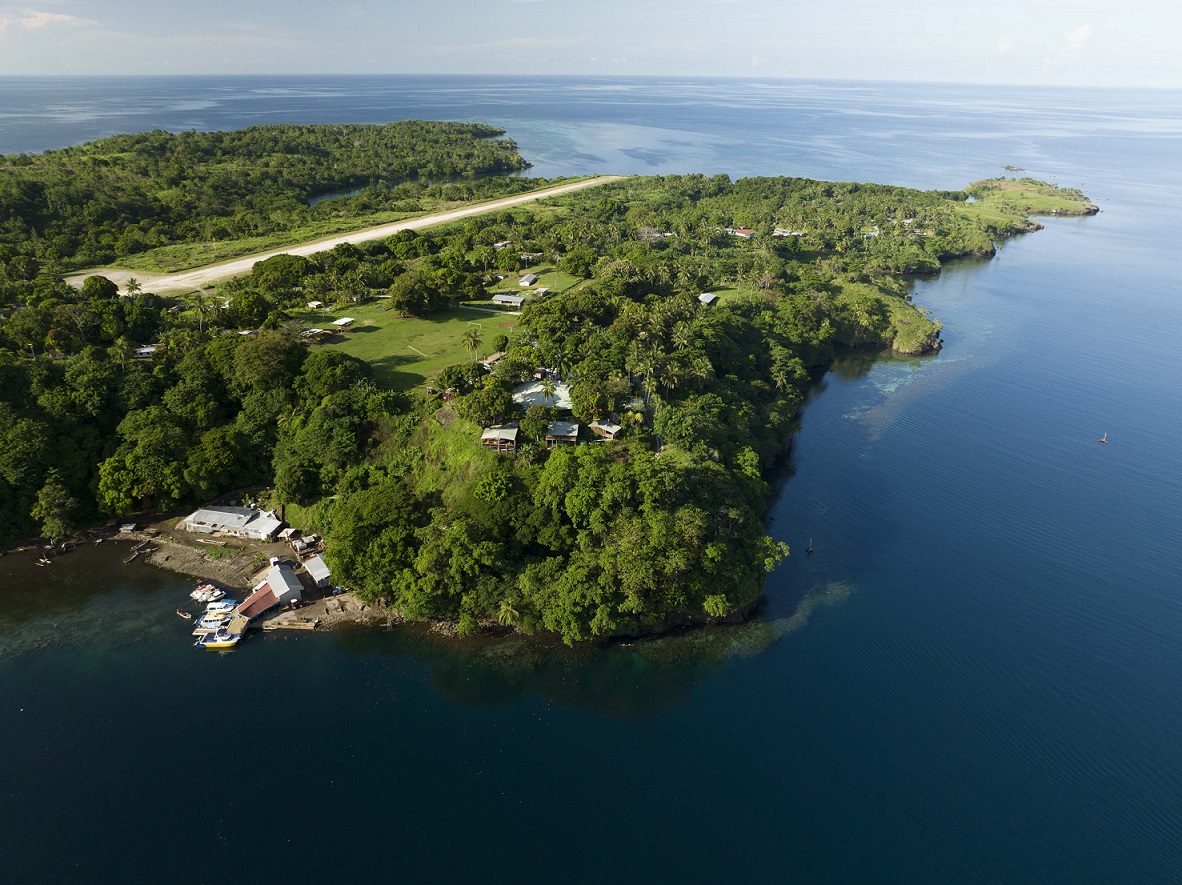
Do this once and you’ll understand PNG differently
Wake early, keep the plan light, and start with simple local movement — no rush, no checklist. When the day begins like this, everything else runs better.
Why this works: it puts your nervous system in the right place before the logistics kick in. In a destination like PNG, that mental reset is not a luxury — it’s part of smart travel design.
Keep your early-morning setup simple: hydration, light layer, offline essentials, and clear return timing.
Un-Googleable PNG: Small Moves That Change the Whole Trip
Not “secret spots.” Just practical behavior that keeps this destination smooth and meaningful.
Front-load your logistics notes
Keep one simple “today card” with transfer times, contacts, and backup options.
Build in a recovery block after major transfers
You enjoy PNG more when you stop forcing full-activity days after heavy movement.
Work through trusted local operators
In PNG, trusted partnerships remove a surprising amount of friction.
Keep your visible carry profile minimal
Quiet practical habits reduce stress in transit-heavy moments.
Leave one half-day unscheduled every few days
This gives you room for weather, delays, or genuinely good local opportunities.
Treat final-day positioning as non-negotiable
Being where you need to be before departure is one of the highest ROI decisions here.
Gap Analysis: Is Papua New Guinea Right for Your Trip Style?
Honest fit check — with fixes, not fluff.
You’ll love it if…
- You value meaningful depth more than high-speed landmark collection.
- You’re comfortable with practical planning and adaptive pacing.
- You want cultural and natural experiences that feel genuinely distinct.
- You can commit to fewer bases and stronger route logic.
- You’re willing to use local guidance where it matters most.
Plan around it if…
- You only have a very short timeline (fix: one-lane trip only).
- You want ultra-predictable transit everywhere (fix: add larger time buffers).
- You’re trying to squeeze too many regions into one pass (fix: cut one leg).
- You dislike uncertainty in route flow (fix: pre-book key anchors early).
- You prefer fully self-managed ground logistics (fix: hybrid with vetted local support).
PNG can be one of your most rewarding trips — if you respect complexity and plan with discipline.
Papua New Guinea FAQs
Quick answers to what travelers usually worry about first.
Is Papua New Guinea safe for tourists?
It depends strongly on where and how you travel. Current official advisories from multiple governments flag elevated risk in parts of PNG, so route choice, operator quality, and daylight logistics matter a lot.
Do I need a visa for Papua New Guinea?
Check PNG Immigration’s official visitor visa guidance and eVisa options based on your passport before booking fixed, non-refundable elements.
What’s the best first route for PNG?
One main lane (coast, culture, or trek) plus one contrast leg. Keep base count low and avoid stacking transfer-heavy days.
How many days do I need?
Ten to fourteen days is workable for one lane. Fifteen to twenty-one days is better for depth and calmer pacing.
Is PNG an expensive destination?
It can be, especially with remote logistics and frequent internal movement. Fewer bases and smarter sequencing usually improve value.
Should I travel independently or with operators?
A hybrid approach works well for many travelers: independent where straightforward, and vetted local operators for complex or sensitive legs.
What health prep should I do?
Get a pre-trip travel-health consultation, check vaccine status, and carry practical first-line meds plus your core prescriptions.
Can I combine reef, culture, and trekking in one trip?
Yes — but only with realistic pacing and a low base count. If the route looks tight, remove one transfer and quality goes up.
Join the conversation
Planning Papua New Guinea? Share your draft route, timeframe, and travel pace — and if you’ve already gone, add your most practical wins so other travelers can plan safer, calmer, and smarter.