OCEANIA LANE • VANUATU
Vanuatu Travel Guide: Volcano Drama,
Blue-Hole Calm & Island Rhythm Done Right
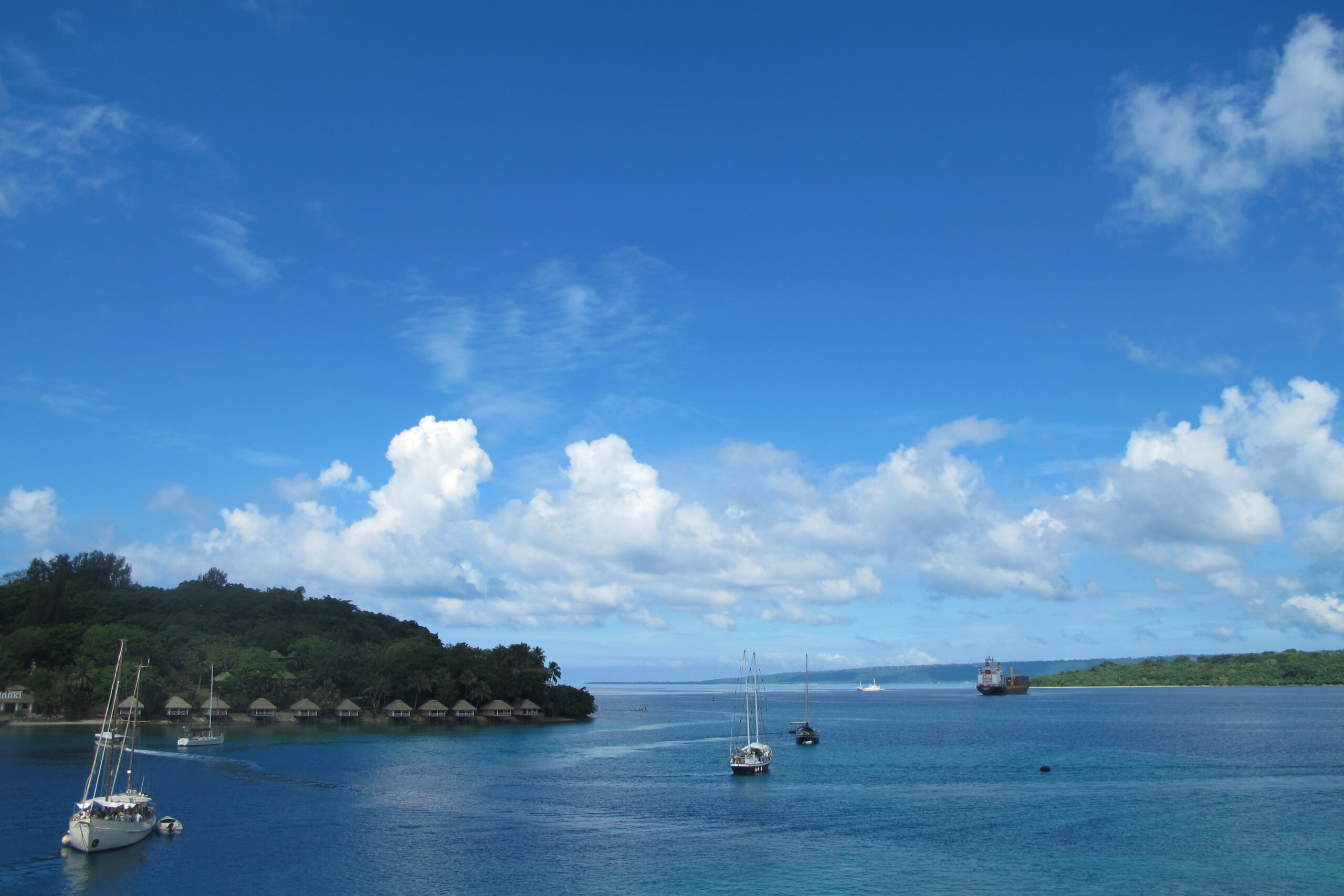
Vanuatu is one of those destinations that can feel magical or messy depending on your route logic. You’ve got volcanic power on Tanna, reef-and-blue-hole calm on Santo, and practical gateway flow through Efate/Port Vila.
My rule here is simple: build one anchor island, then add one contrast island. If your anchor is Efate convenience, add Tanna for raw nature. If your anchor is Santo water life, add Efate for logistics and culture. That one decision keeps your trip coherent and avoids transfer fatigue.
Vanuatu rewards slow, intentional pacing. Boats, flights, weather windows, and local transport all matter more than people think. So when your plan is built around energy and weather reality — not social-media checklists — this place delivers deeply.
Need the Gist? (60-Second Scan)
If you only read one section, read this. Vanuatu feels incredible when you keep your island count honest.
- Best first move: Pick one base island (Efate or Santo), then add one contrast island (Tanna or another outer island).
- When it clicks: When you stop forcing too many inter-island transfers into a short trip.
- Money truth: Vanuatu can be mid-range or high depending on island hops and accommodation style.
- Easy win: Front-load key domestic flights/boats, leave soft space around weather-sensitive days.
- Classic mistake: Treating ferry/flight days as full sightseeing days.
- Quiet flex: Local market mornings + one natural highlight often beat overbooked “activity stacks.”
Vanuatu is at its best with fewer bases, better weather awareness, and built-in recovery time.
60-Second Fit Check
- Ideal trip length: 8–10 days (good), 12–16 days (sweet spot), 3+ weeks for deeper island mix.
- Best energy level: Medium — active nature days balanced with slower island reset days.
- First-timer friendly: Yes, especially with Efate + one extra island.
- Budget vibe: Mid-range with premium spikes on inter-island logistics.
- My simple rule: If your plan has more than 3 bases in under 2 weeks, trim one now.
Climate and safety conditions can change quickly in Vanuatu, so official weather/geohazard and travel updates should guide final day-to-day decisions.
The Vanuatu That Clicks: Efate + One Contrast Island
If you want Vanuatu to feel smooth (not fragmented), use this structure: one practical hub + one experiential contrast. Example: Efate (Port Vila, local culture, easy logistics) + Tanna (Mount Yasur) or Santo (blue holes and reefs).
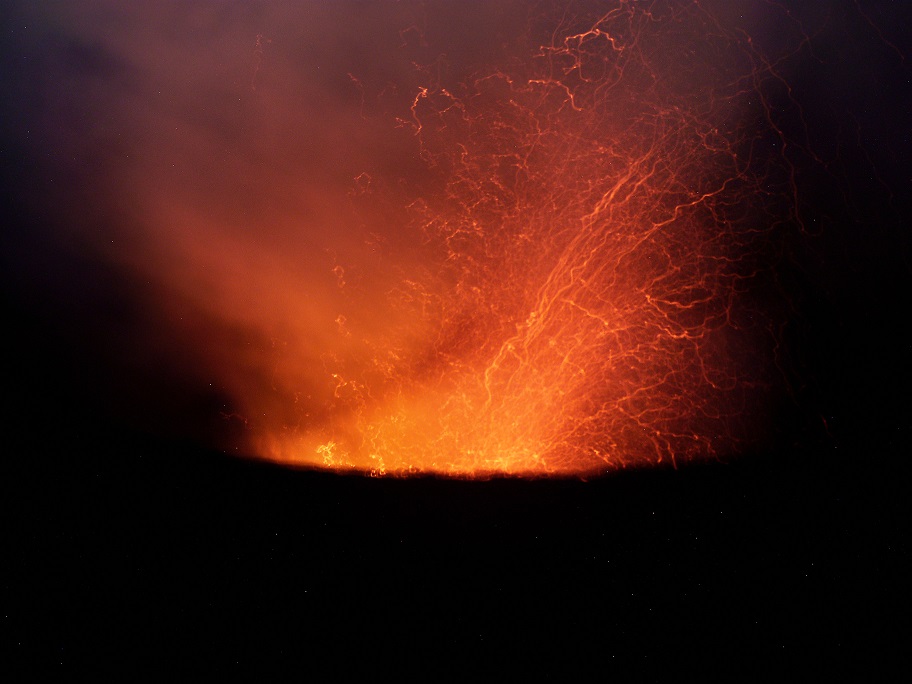
Why this works: you get variety without burning energy in constant transitions. Efate gives you operational ease. Tanna gives raw volcanic drama. Santo gives water-and-nature calm. Pick two well, and your itinerary feels grounded instead of rushed.
Personally, I’d always trade “more islands” for “better days.” Vanuatu rewards depth, patience, and local rhythm.
Days 1–4 Efate (Port Vila + market + coast day), Days 5–7 Tanna (Yasur timing with local guidance), Days 8–11 Santo (blue holes + beach + buffer day).
Vibe Check: What Kind of Vanuatu Trip Are You Actually Here For?
Vanuatu has distinct travel moods. Choose your primary one, then add a complementary second layer.
Water + Blue-Hole Vanuatu
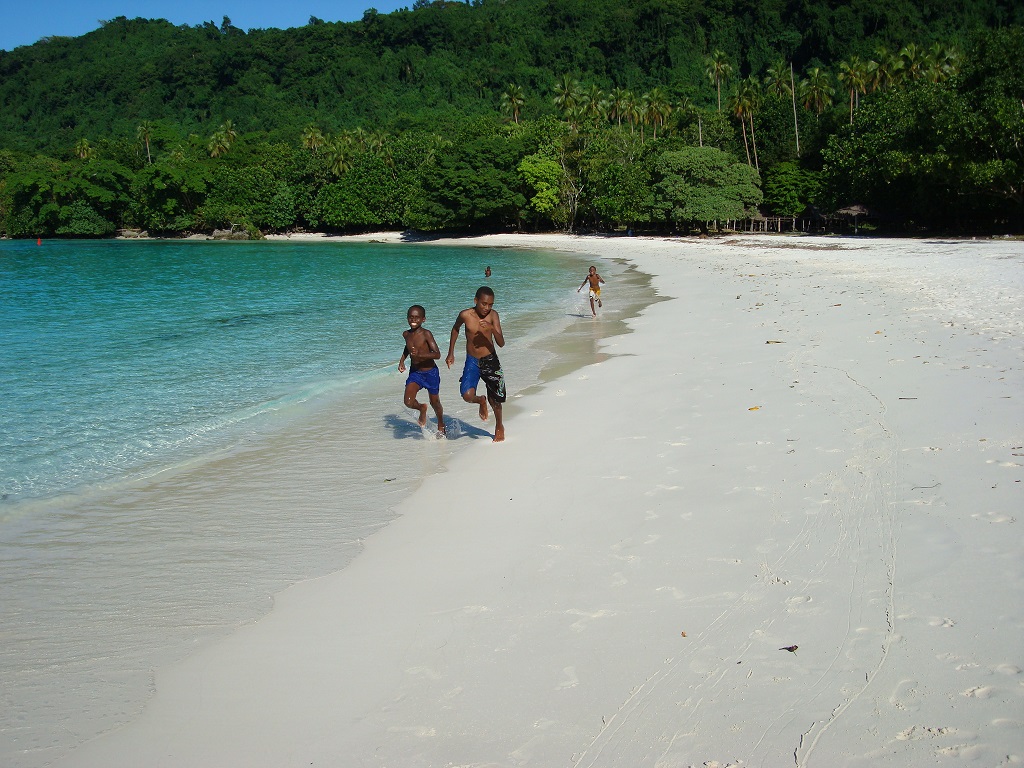
You want calm lagoons, snorkel windows, reef color, and freshwater swims. Santo and selected Efate days fit this beautifully.
Plan like: fewer moves, weather-aware half-days, and low-pressure activity pacing.
Volcano + Adventure Vanuatu
You want elemental landscape and active terrain. Tanna and Yasur can deliver unforgettable moments, with guidance and conditions checks.
Plan like: short focused leg + official geohazard updates + built-in fallback day.
Culture + Local Rhythm Vanuatu
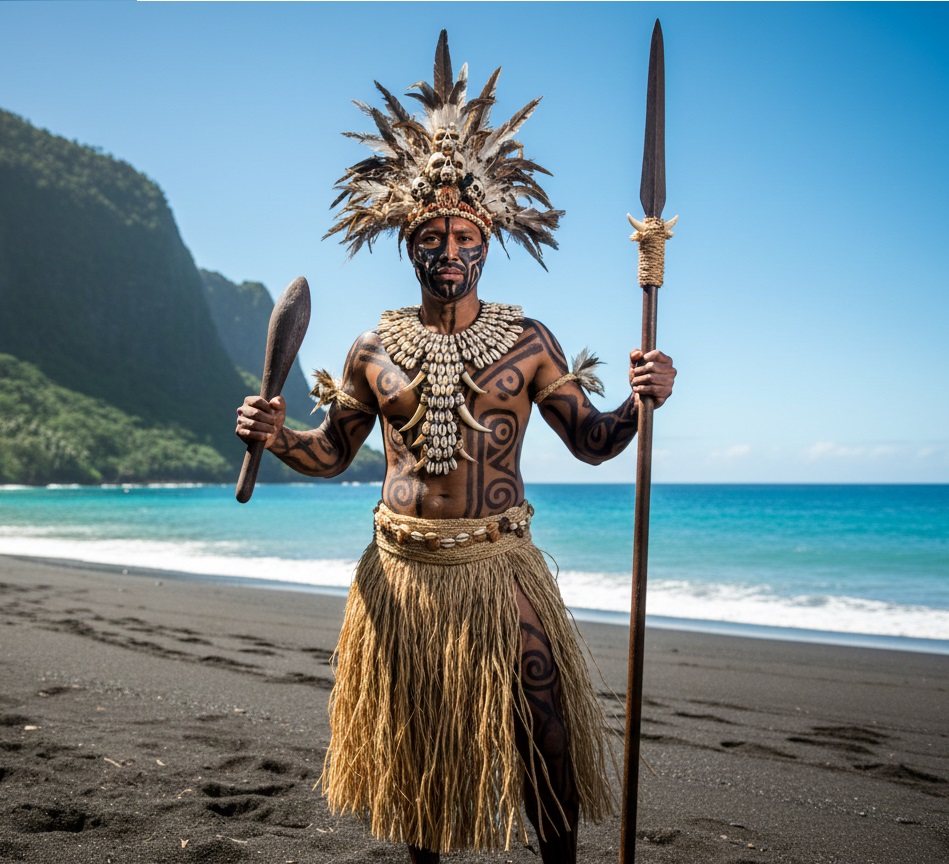
You want market mornings, village context, slower conversations, and less “performative tourism.” Efate gives you this if you keep the schedule breathable.
Plan like: one anchor base, gentle structure, and open local discovery blocks.
Vanuatu in Four Seasons: Timing Changes the Whole Trip
- Summer (Dec–Feb): Warm and humid with higher rain/cyclone risk windows.
- Autumn (Mar–May): Transition period; conditions can vary by week and island.
- Winter (Jun–Aug): Often drier, cooler-trade-wind period and popular for mixed itineraries.
- Spring (Sep–Nov): Strong shoulder period for water activities and multi-island pacing.
Tropical cyclone season is commonly treated as November to April, so monitor official updates before and during travel.
Safety: Stay Flexible, Stay Informed, Stay Calm
Vanuatu is rewarding, but nature is an active player here. Smart travel means daily awareness, not anxiety.
Natural hazards are real, so monitor official channels
- Vanuatu sits in an active earthquake/volcanic zone.
- Use VMGD updates for volcano, earthquake, weather, and marine warnings.
- Cyclone risk is typically higher during Nov–Apr windows.
- Keep one flexible day in your plan for weather or transport shifts.
Local security and civil disruption awareness
- Follow local advice around demonstrations or periods of tension.
- Avoid crowds if situations change quickly in town centers.
- Use registered transport and avoid isolated areas late at night.
- Keep copies of passport and insurance details offline.
Emergency setup that takes two minutes
- Police: 111 (or 1111 in some listings)
- Ambulance: 112
- Fire: 113
- Save your accommodation location in offline maps before major day trips.
Water and activity safety
- Check local sea/reef conditions before open-water plans.
- Use reputable operators for adventure or volcanic excursions.
- Hydrate aggressively on hot days and carry sun protection.
- Respect all local closures and warning notices.
Street Smarts: Small Vanuatu Rules That Prevent Big Friction
- Inter-island transfer days are real travel days. Don’t overbook them.
- Carry layered cash strategy. Cards work in hubs, but small cash helps in local settings.
- Dress respectfully beyond beach zones. Modest presentation is appreciated in many local contexts.
- Book high-demand experiences early. Keep backup timing in case of weather shifts.
- Respect local pace. Things can run slower; frustration never improves outcomes.
- Offline maps + screenshots. Network consistency can vary outside main areas.
- Give yourself reset time. Island quality drops fast when you force nonstop activity.
Most Vanuatu stress comes from over-planning islands and under-planning logistics buffers. Trim one move, add one buffer, and your trip quality jumps.
Logistics Lite
Vanuatu gets easier when you lock five basics early: entry, hazards, money, island transfers, and communication backup.
Entry rules & visa pathways
Vanuatu provides official visitor and visa application pathways through Immigration. Requirements vary by passport, so verify your exact status before booking non-refundable plans.
Visas & entry requirements (site guide)Hazards and weather planning
Vanuatu’s weather and geohazard context matters operationally. Check VMGD before volcano excursions, marine activities, and during storm periods.
Money, cards, and daily spend
Local currency is VUV (Vatu). In practical terms, mix card use in major areas with cash readiness for smaller transactions.
Inter-island transport reality
Domestic flights and boats define route quality. Prioritize transfer reliability first, then fill activity blocks around those anchors.
- Treat transition days as half-days at best.
- Avoid chaining multiple high-stakes moves in a row.
- Keep one contingency day when island-hopping.
Connectivity and backup habits
Keep offline copies of key documents, bookings, and route screenshots. On islands, simple backup habits outperform “perfect signal” assumptions.
Bring a small power bank and keep critical contacts in both phone and paper form.
Health and insurance basics
For island and adventure itineraries, active travel insurance and practical health prep are non-negotiable. Confirm coverage for the specific activities you plan to do.
Travel insurance & health (site guide)Base Plans: 3 Easy Ways To Build a Vanuatu Trip That Still Feels Good at Day 8
Pick one structure and commit. Vanuatu rewards clear route logic over island quantity.
Plan A: Efate + Santo
- Why: First-timer friendly blend of logistics, culture, and water highlights.
- Do: Port Vila base first, then Santo for blue holes, beaches, and snorkel rhythm.
- Rule: Keep one no-booking half-day on each island.
Couples, mixed-interest travelers, and anyone wanting a balanced intro to Vanuatu.
Plan B: Efate + Tanna
- Why: Maximum contrast: coastal ease + volcano intensity.
- Do: Build around Yasur timing with local operators and official alerts.
- Rule: Protect recovery time after active/late volcano windows.
You get iconic Vanuatu energy without trying to cover the whole map.
Plan C: One-Island Deep Dive
- Why: Lowest transfer friction and strongest local immersion.
- Do: Efate or Santo with 2–3 focused day blocks, not daily packing.
- Rule: Let weather and local recommendations shape final details.
Less movement means better sleep, better conversations, and better trip memory.
Costs & Pace: What Actually Moves the Needle in Vanuatu
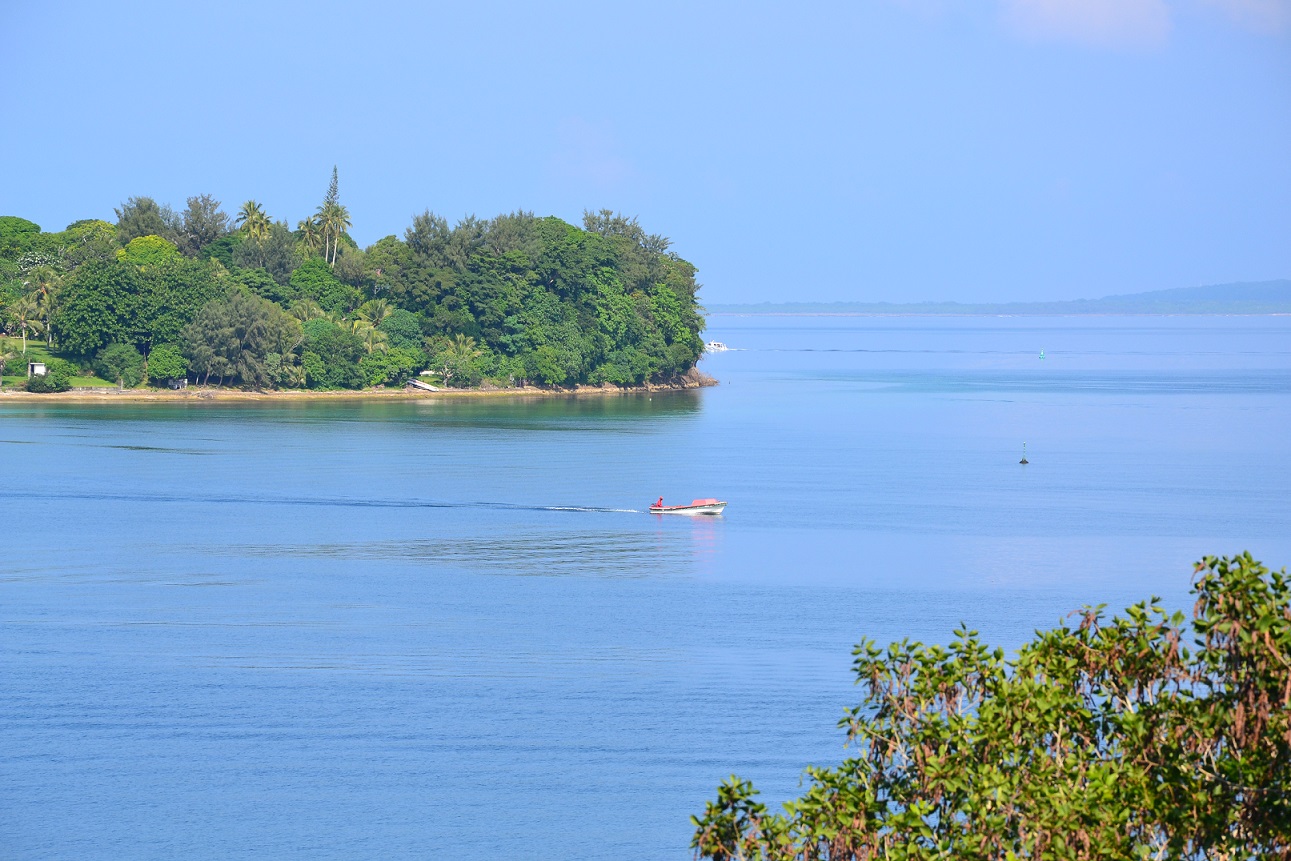
Vanuatu cost levels depend less on “cheap vs expensive destination” and more on how you move. Every extra island transfer can add compound cost and fatigue. Fewer bases and cleaner timing usually mean better value and better experience.
- Accommodation strategy: Simple guesthouses/homestays vs upscale island resorts create the biggest spread.
- Food strategy: Market breakfasts + local lunch spots + selective premium dinners keep budgets sane.
- Transport strategy: Lock core inter-island legs early; avoid ad-hoc high-cost fixes late.
- Activity strategy: Pair one major paid highlight with one low-cost nature/culture block each day.
- Illustrative daily range: Budget US$70–120, mid-range US$140–260, comfort US$300+ (style and island mix dependent).
If you chase too many islands, Vanuatu gets expensive and tiring fast. If you commit to rhythm, it gets richer and often better value.
🇻🇺 Vanuatu Daily Rhythm Comparison
How pace shifts both energy and spend
Costs are illustrative (USD-first) to show pace impact — not a quote.
Rob’s Suggestions: One Blue-Hole Morning + One Local Market Session
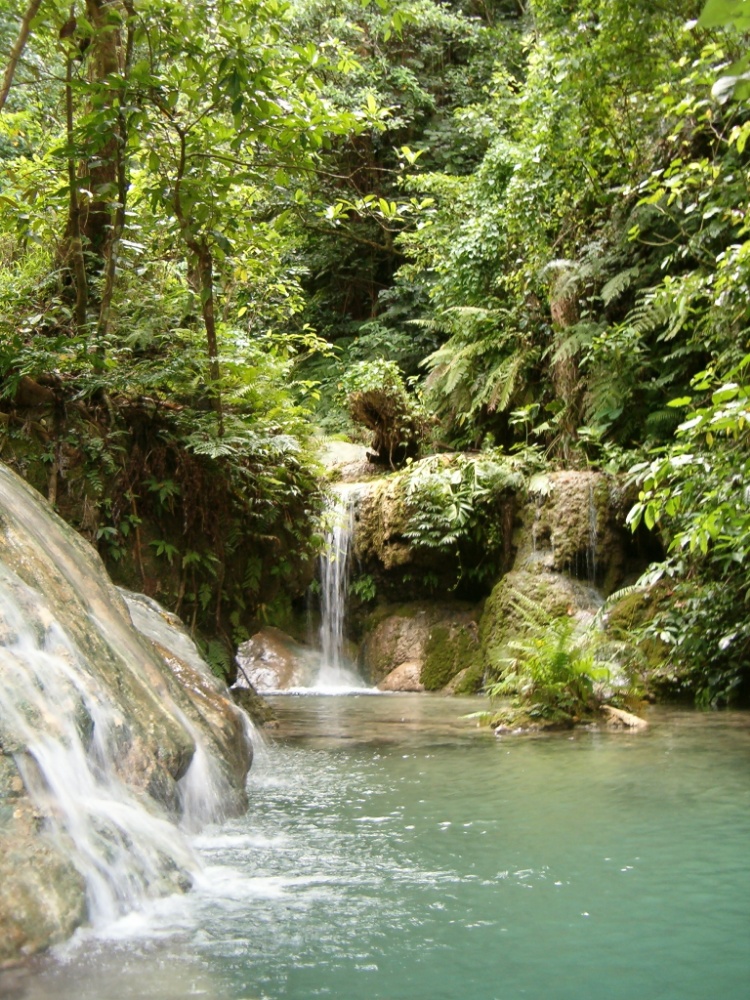
This combo is low-drama, high-reward, and gives you both natural calm and cultural texture.
Do this once and thank me later
- The blue hole swim gives you that pristine, "wow" nature moment that stays with you, but it's chill rather than adrenaline-heavy
- Following it with a market visit grounds the experience in real life — you see how people actually live, not just the tourist highlights
- The pacing is key: active morning, slower afternoon. You're not rushing between Instagram spots
For the blue hole:
- Go genuinely early (7-8am if possible) — fewer people, cooler temps, better light, and the water feels more private
- Don't overscheduled the morning. Let the swim be the thing, not one item on a checklist
- Bring water shoes if the approach is rocky, and maybe some fruit to eat there
For the market:
- Hit it mid-to-late morning when it's active but not peak chaos
- Bring small bills for buying things — actually buy produce, snacks, or small items rather than just photographing
- Ask vendors about what things are, how they're used. People tend to open up when you're genuinely curious
- Try something unfamiliar to eat
In local settings, respectful dress and patient pacing go a long way.
Un-Googleable Vanuatu: Tiny Choices That Change the Whole Trip
Not “secret spots” — just practical behaviors that improve outcomes fast.
Protect one weather buffer day
In island travel, this single decision prevents cascading stress and expensive re-plans.
Cash small, not just big
Having smaller denominations saves friction in markets, taxis, and smaller local transactions.
Choose depth over island count
Two islands done properly usually beats four islands done in transit mode.
Front-load essentials on day one
SIM/data plan, cash backup, water/sunscreen setup, and transfer confirmations reduce day-two chaos.
Book the headline moments, leave supporting days flexible
Lock key experiences early, then adapt around weather and local recommendations.
Respect local advisories without negotiating with reality
Hazard and weather notices are practical tools, not optional suggestions.
Gap Analysis: Is Vanuatu Right for Your Kind of Trip?
Honest fit check — with fixes, not fluff.
You’ll love it if…
- You want a real island feel, not just resort packaging.
- You enjoy nature-heavy days with cultural texture in between.
- You can plan with weather and transfer flexibility.
- You value depth and rhythm over maximum destination count.
- You’re happy to trade speed for quality.
Plan around it if…
- You hate schedule uncertainty (fix: fewer islands, bigger buffers).
- You need ultra-low costs (fix: longer stays, simpler lodging, fewer transfers).
- You only have a short timeline (fix: one-island deep dive).
- You want high-structure nightlife-heavy pace (fix: mix with another destination).
- You prefer rigid plans with no backup logic (fix: redesign with flexible windows).
Vanuatu is brilliant when you align with island reality. Force speed, and it fights you. Plan rhythm, and it rewards you.
Vanuatu FAQs
Quick answers to the questions people usually have before booking.
Is Vanuatu safe for tourists?
Generally yes with practical awareness. Follow official hazard and travel advice, especially around weather, volcano areas, and local disruptions.
Do I need a visa for Vanuatu?
It depends on passport and visit purpose. Use Vanuatu Immigration’s official tourist visa and visa application pages before booking fixed plans.
What’s the best time to visit Vanuatu?
Many travelers prefer the drier/trade-wind period, while Nov–Apr can carry higher cyclone risk. Check official updates before finalizing dates.
How many days do I need in Vanuatu?
Eight to ten days works for one island plus one contrast. Twelve to sixteen days gives much better pacing and flexibility.
Is Vanuatu expensive?
It can be moderate to high depending on inter-island transport and accommodation choices. Fewer bases usually improves value.
What emergency numbers should I save?
Save key local emergency contacts before arrival (commonly listed: police 111, ambulance 112, fire 113).
Can I combine volcano, beach, and culture in one trip?
Yes, and the easiest structure is Efate + one contrast island (Tanna or Santo), with transfer buffers and one flexible weather day.
Should I plan every day in advance?
Plan anchors in advance, not every hour. Lock high-value activities and transport first, then keep adaptive space for weather and local opportunities.
Join the conversation
Planning Vanuatu soon? Share your draft island mix, timeline, and pace. If you’ve already been, add your practical wins — especially transfer strategy, weather pivots, and what you’d do differently next time — so other travelers can plan smarter.