Africa Region Guide
North Africa
Medinas, desert horizons, and layered history from coast to interior
North Africa rewards travelers who like contrast: Roman ruins and modern boulevards, mountain villages and Atlantic or Mediterranean coasts, call to prayer and café culture all in the same trip.
My rule here is simple: don’t treat the region like one long checklist. Pick one strong anchor first (Morocco or Egypt, for most first-timers), then add one contrast leg once your rhythm settles.
Safety First — Plan for What’s Real
North Africa can be an extraordinary region to travel, and many routes are very workable. However, safety is not uniform across countries or border zones. I never recommend forcing an itinerary through high-risk areas just to “complete the map.”
Keep it simple and smart: build around lower-risk routes, skip clearly unsafe zones, and reassess official guidance before booking and before movement days.
| Country | Risk Level | Advisory Summary |
|---|---|---|
| Algeria | Level 2 | Increased caution overall; Level 4 for border regions. |
| Egypt | Level 2 | Terrorism threats; Do Not Travel to Sinai or Western Desert. |
| Libya | Level 4 | Widespread civil unrest, armed conflict, and terrorism. |
| Mauritania | Level 3 | Reconsider travel due to crime and terrorism risks. |
| Morocco | Level 2 | Exercise high caution due to terrorism risks. |
| Tunisia | Level 2 | Increased caution; avoid border areas with Libya and Algeria. |
Planning note: Treat this as a route-filter snapshot for planning logic. Final go/no-go decisions should always be rechecked against your official government advisories close to departure.
The Cheat Sheet — North Africa (60-Second Scan)
Quick orientation first: weather windows, route rhythm, money basics, and the few friction points worth planning around.
Fast facts
- Best timing: March–May and September–November for most routes
- Summer reality: inland/desert heat can be intense; pace and hydration become logistics
- Language flow: Arabic widely used; French common in parts of the Maghreb; English varies by destination
- Travel style: culture + history + markets + coast + desert contrast
- Transport pattern: mixed quality between countries; within-country planning matters more than in Europe
- Money pattern: local-currency cash remains useful even where cards are common in cities
In North Africa, smart pacing is a safety and comfort tool — not just a style preference.
Map
Africa regional overview
Use this as a visual anchor while planning your North Africa route.
Currencies in North Africa (quick reference)
- Morocco: Moroccan dirham (MAD)
- Algeria: Algerian dinar (DZD)
- Tunisia: Tunisian dinar (TND)
- Libya: Libyan dinar (LYD)
- Egypt: Egyptian pound (EGP)
- Mauritania: Mauritanian ouguiya (MRU)
Keep a two-wallet setup: daily spend cash separate from backup card/cash. It lowers stress on long days.

Which Countries Make Up North Africa?
On this site, North Africa is treated as a practical travel lane: shared climate logic, overlapping cultural rhythms, and routes that can be layered carefully.
Core North Africa set
You can absolutely combine countries in one long trip, but route logic is everything. Border policy, transport quality, and timing windows all shift by country.
My route logic for this lane
- First trip: Morocco or Egypt as the anchor
- Second layer: add Tunisia when you want a softer pace + strong heritage mix
- Avoid overstacking: big distances + heat + transfer time drain energy faster than expected
- Hard line: avoid active conflict zones entirely
Five countries on paper looks adventurous. Two countries done well usually feels better and keeps risk exposure lower.
Starter route templates
- 10–12 days: one-country depth route
- 14–18 days: one anchor + one contrast country
- 3–4 weeks: two bases + one flexible wildcard stop
Docs + admin reality
- Entry requirements can differ significantly by passport and country
- Carry both digital and printed copies of key docs
- Keep one offline copy of bookings and transfer addresses
Check current requirements close to departure, not just once at planning stage.
Vibe Check — How North Africa Feels
This lane is textured and expressive: layered urban life, strong hospitality traditions, and places where history sits in plain sight.
The atmosphere
North Africa can feel vibrant and intense in the best way — markets, calls to prayer, sea breeze streets, desert silence, and long social evenings. It’s not a passive region. You feel it.
Who this lane suits best
Travelers who enjoy culture-forward experiences, layered history, and sensory places where daily life and visitor life overlap closely.
Rhythm that works
- Morning: move early for key sites and transit
- Midday: lower intensity in hotter seasons
- Evening: social, walkable, and often your best mood window
Matching your day to local rhythm gives you better photos, better interactions, and fewer energy crashes.
Rob’s Pointers
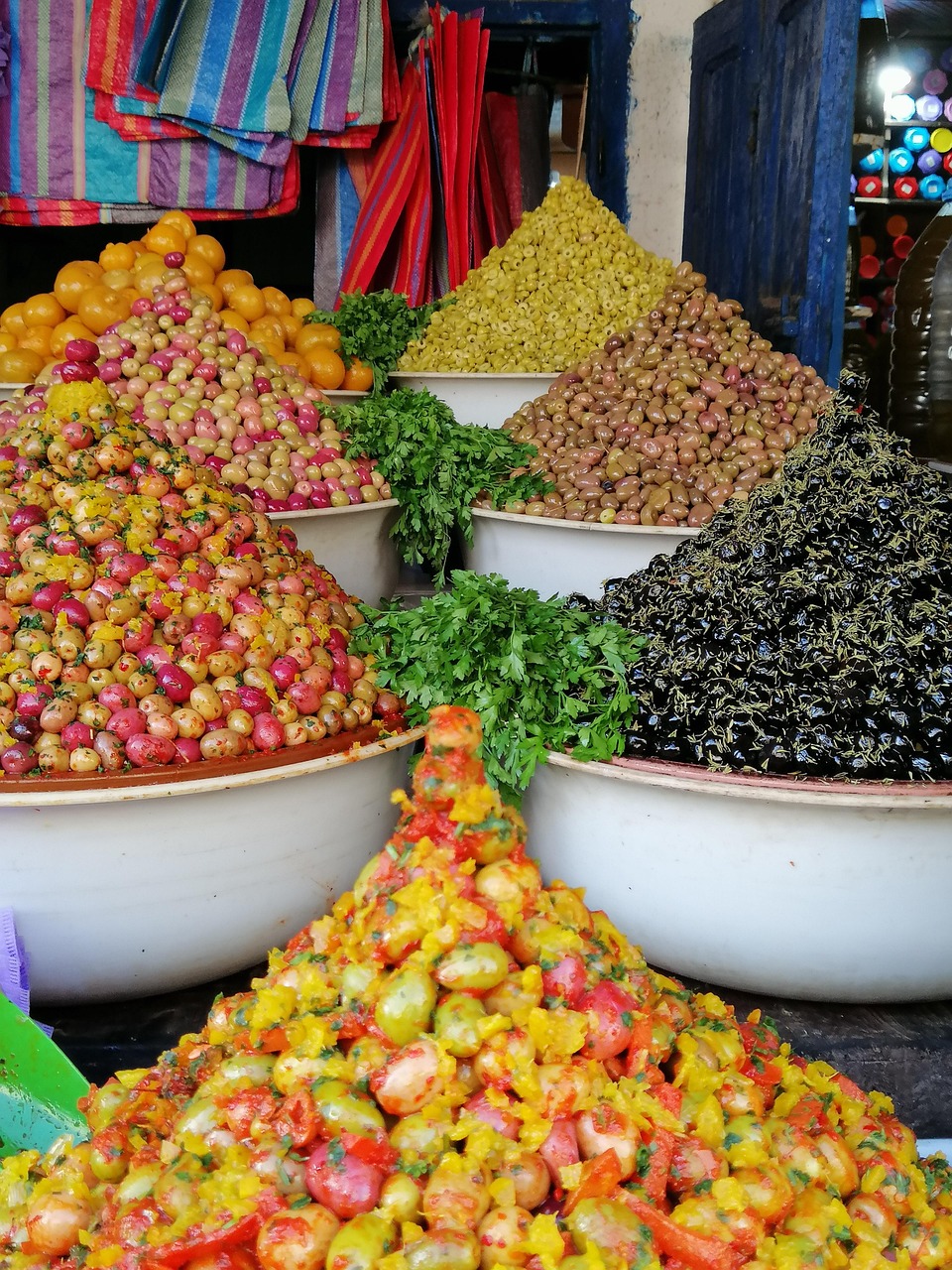
Build one memorable food ritual into each stop. Mint tea terrace, market breakfast, long dinner with local specialties — that ritual becomes your anchor.
- Choose one neighborhood food street per city
- Go early to markets for best atmosphere and fewer crowds
- Ask your host where locals actually eat after sunset
Street Smarts — Respectful, Calm, and Aware
You don’t need to overthink every interaction. A few consistent habits go a long way in this region.
Three moves that work almost everywhere
- Dress with context: lightweight, respectful coverage in conservative areas
- Negotiate calmly: friendly tone beats aggressive bargaining
- Pause before photos: ask when people are identifiable
Tone matters more than perfect words. A respectful opener changes how your day unfolds.
Safety snapshot (region-level)
- City basics: treat crowded transport/markets like any major city worldwide
- Night movement: use vetted transport late; avoid empty side streets
- Border/political context: conditions can change; verify advisories before and during travel
- Desert/coastal excursions: book reputable operators with clear safety protocols
Some countries/areas in this lane can shift quickly from a risk perspective. Re-check official advice close to departure.
Logistics Lite — Keep It Smooth
North Africa is very doable when you simplify transfer days and keep your planning stack realistic.
Movement basics
- Within-country: trains/buses vary by destination — check reliability before committing
- Between countries: flights are often cleaner than complex overland chains
- Arrival routine: pre-save address, local currency, and offline maps before landing
Connectivity + cash + comfort
- Use local SIM/eSIM where practical for maps/ride apps
- Keep smaller denomination cash for everyday transactions
- Front-load core bookings, then leave breathing room for local pivots
The Un-Googleable Stuff — Tiny Levers, Better Days
You’ll feel the difference when you work with local rhythm instead of forcing your old routine.
Timing upgrades
- Historic cores: go early for softer light and easier movement
- Markets: first wave or twilight, depending on city rhythm
- Photo quality: late afternoon often beats harsh midday sun
Social flow
- Choose one repeated café/tea stop and become a familiar face
- Ask for local timing advice before planning dinner/transit
- Build one low-plan block every 2–3 days for resets
In this lane, relationship pace often matters as much as itinerary pace.
The Gap — What People Forget to Plan
Most mistakes here are pacing mistakes, not destination mistakes.
Common friction points
- Trying to “collect” too many places in one run
- Ignoring heat and transfer fatigue in summer windows
- Assuming transport/admin rules are uniform across countries
Fix it fast
- Busy plan? Remove one stop and add one recovery day
- Too many transfers? Base longer and use day loops
- Overloaded days? Keep one “no-plan evening” every 2–3 days
A good North Africa trip is built on rhythm and respect. Once those are locked, everything gets easier.
Join the conversation
Planning a North Africa route soon? Share your draft path, timing window, or biggest question so other travelers can learn from it too.