NORTH AFRICA LANE
Morocco Travel Guide: Color, Culture, Coast, Desert — Without the Chaos Plan
Morocco can feel intense in the best way: old medinas, mountain routes, Atlantic breeze, mint tea stops, and long golden evenings. The key is rhythm, not rush.
My approach is simple: pick one anchor city, then build your trip in intentional loops instead of moving every night.
Pair city texture (Marrakesh or Fes), one nature lane (Atlas or Sahara edge), and one coast reset (Essaouira or Tangier side).
In a Nutshell (60-Second Scan)
Morocco works best when you run it as a rhythm: one deep city, one contrast lane, one reset lane.
- Best first move: Choose one anchor (Marrakesh or Fes).
- Ideal first trip: 7–10 days for depth without burnout.
- Classic mistake: Too many overnight transfers.
- Big win: Add one calm coastal day after medina-heavy days.
- My rule: Every 2 active days gets 1 slower half-day.
Morocco doesn’t punish beginners. It punishes rushed itineraries.
- Morocco is one of Africa’s three kingdoms.
- The Strait of Gibraltar narrows to about 14 km (≈ 9 miles).
- Mint tea is the national drink; pouring from height creates foam (a hospitality signal).
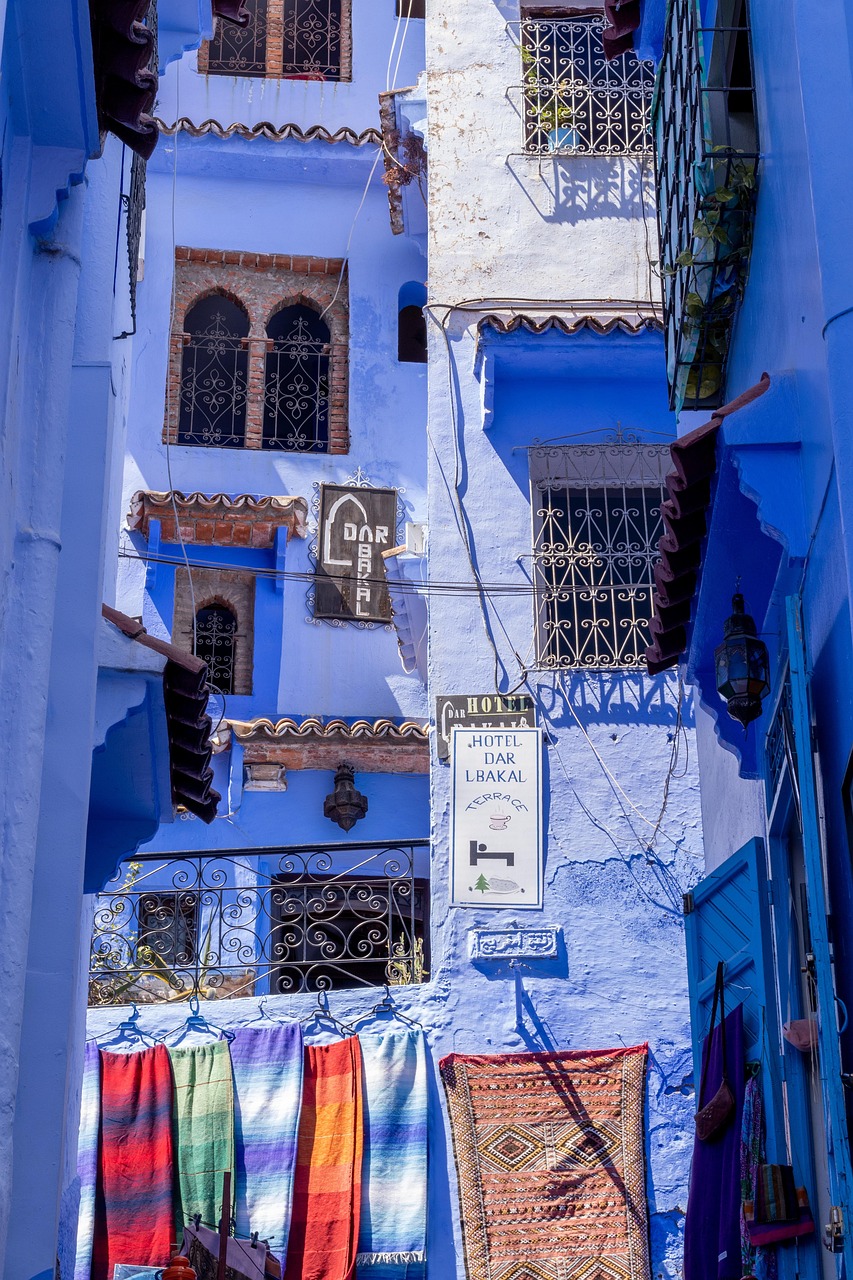
- Chefchaouen’s blue walls are now tradition as much as identity.
- Morocco has both Atlantic and Mediterranean coastlines.
- Morocco is a major global sardine exporter.
60-Second Fit Check
- Ideal style: Culture + food + contrast.
- Energy level: Medium (higher with mountain/desert legs).
- First-timer friendly: Yes, with clear route logic.
- Budget vibe: Flexible, often high value when planned early.
- Transport spine: Rail + targeted transfers.
The Morocco That Clicks: One Anchor, One Contrast, One Reset
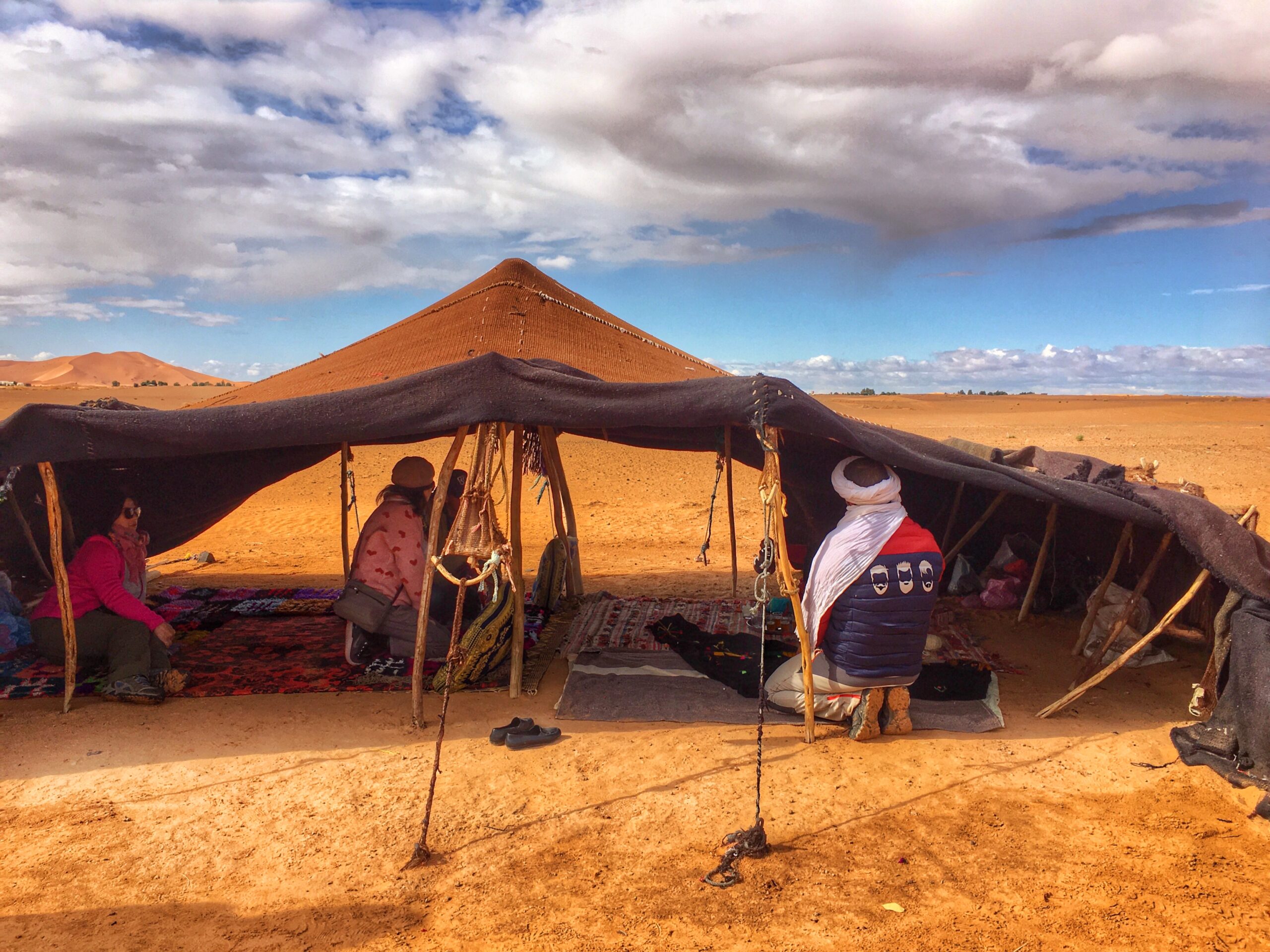
Use this frame and Morocco becomes clear: Anchor city + contrast day + reset day. The anchor gives orientation. The contrast gives excitement. The reset keeps your trip human.
Example: Marrakesh base, one Atlas/ksar contrast day, then an Atlantic reset in Essaouira. Or Fes base + Chefchaouen contrast + softer ending.
My blunt take: Don’t “do all of Morocco” in one trip. Do one coherent version of Morocco really well.
Day 1–3 city immersion, Day 4 contrast route, Day 5 recovery, Day 6–7 depth over quantity.
Vibe Check: Which Morocco Are You Here For?
Pick the lane first, then plan the route.
Medina + Craft + Culture
Souks, riads, architecture, hammam rhythms, and sensory city days.
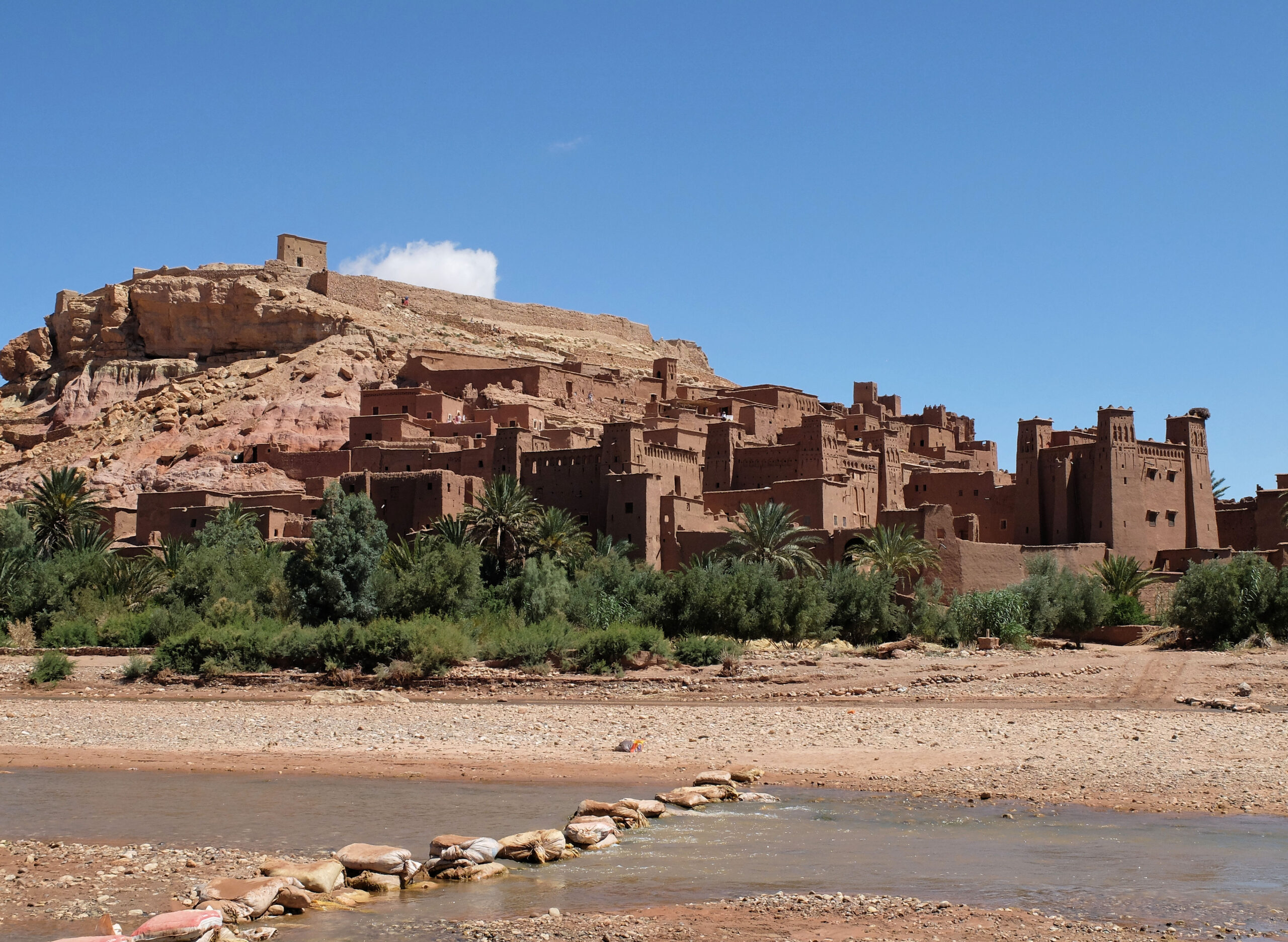
Mountain + Desert Contrast
Atlas drama, kasbah lanes, wide skies, and fewer urban friction points.
Atlantic Reset
Sea air, seafood rhythm, surf edge, and calmer end-of-trip energy.
Morocco in Four Seasons (Text + Icons)
No image placeholder here by design—quick scan, clean planning.
Spring
Best for: balanced weather, city walking, and mountain routes.
Summer
Best for: coast and north; inland medinas can be very hot midday.
Autumn
Best for: shoulder-season comfort and mixed itineraries.
Winter
Best for: many mild city days; inland/desert nights can be cold.
Pack for sun by day and cooler evenings—Morocco is a layer-smart destination.
Rob’s Recommendations: One Food Win + One Activity Win
One sensory food moment plus one movement-based memory.
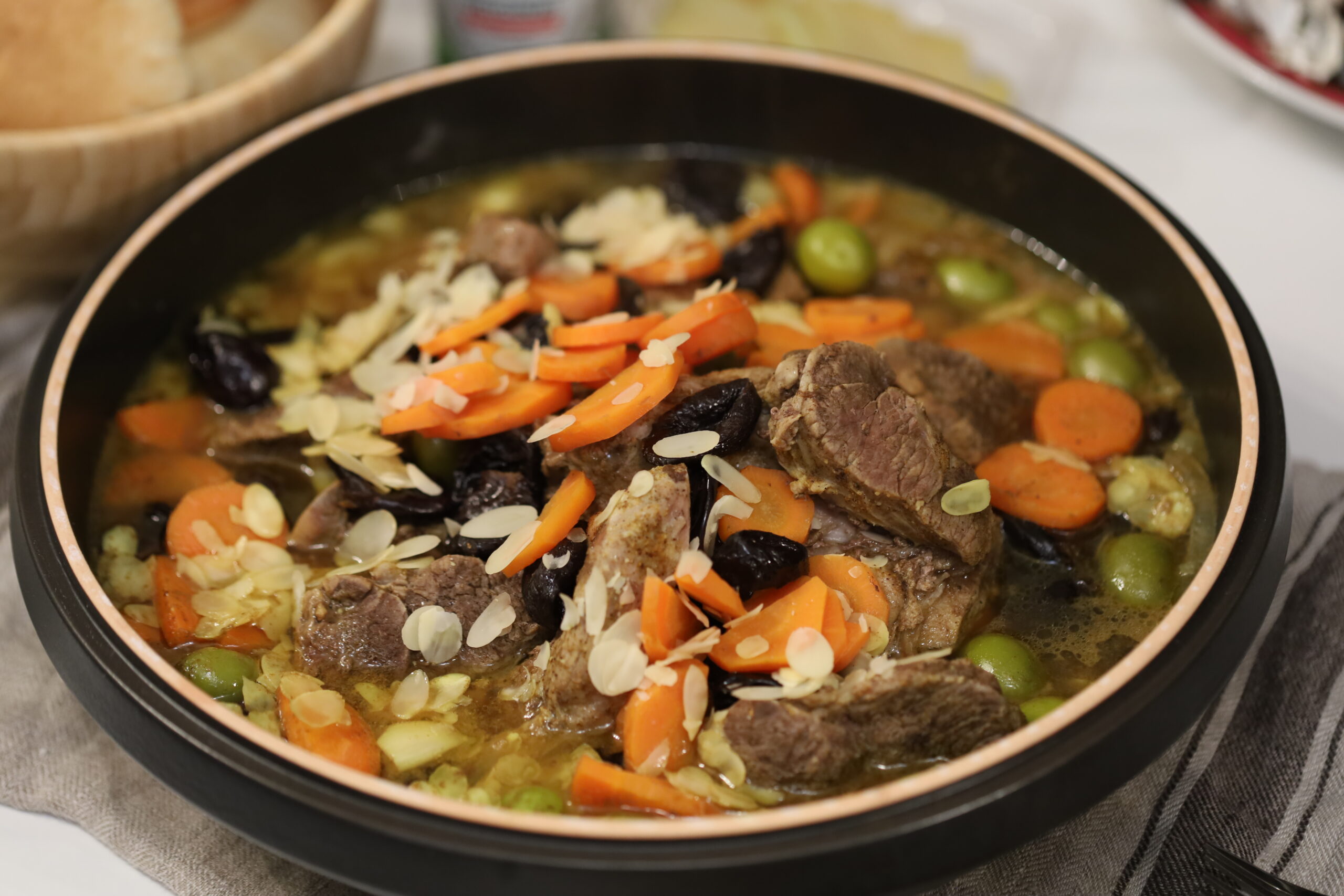
Food pick: Proper tajine night
Choose one intentional dinner where the kitchen takes time. Ask for the house specialty and local bread pairing.
Activity pick: Sunrise old-quarter walk
Go early once. You’ll catch softer light, bakeries opening, and daily rhythm before crowds build.
One food anchor + one active memory gives structure without checklist overload.
Safety: Suggestions, Warnings, and Calm Street Rules
Most friction is avoidable with a few practical habits.
Smart habits
- Use registered taxis and agree on fare/meter before departure.
- Keep valuables low-profile in dense markets and stations.
- Carry small cash + one backup card in a separate place.
- Save your accommodation pin offline before entering medina lanes.
- Use licensed guides where navigation gets complex.
Warnings worth respecting
- Avoid isolated routes very late in unfamiliar areas.
- Road days can be long—avoid fatigue-based driving choices.
- Mountain/desert weather can shift quickly; carry layers and water.
- Keep passport copies handy; don’t hand originals around casually.
- Re-check official advisories close to departure.
Calm, confident behavior and simple pre-planning removes most stress.
Official checks before departure
Women travelers: confidence plan
- Use well-reviewed stays in reliable areas.
- Do a daylight orientation walk on arrival.
- Dress with local context in mind where norms are conservative.
- If a situation feels off, move to busier streets or trusted venues.
Logistics Lite
Set these up once and the trip flows better.
Entry + visa rhythm
Rules vary by passport. Confirm official requirements before locking non-refundable bookings.
Rail + route backbone
Plan rail-first for major corridors, then add targeted transfers where necessary.
Money + payments
Morocco uses MAD. Card acceptance is common in cities, but cash is still important in many daily moments.
- Carry smaller denominations.
- Split payment methods between bags/pockets.
- Track ATM/FX fees to avoid silent leakage.
Connectivity + maps
- Download offline maps before medina days.
- Send yourself each overnight address pin.
- Use digital pins over handwritten directions.
African Region Currencies (Quick Reference)
Useful if your Morocco trip extends into other African lanes. Morocco itself uses MAD.
North Africa
Primary in Morocco: MAD
- Common lane codes: MAD, DZD, TND, LYD, EGP.
- Planning tip: Exchange what you need per border leg; avoid over-converting.
West Africa
Shared bloc: XOF (West African CFA franc)
- Also common: NGN, GHS, GNF, SLL, LRD, CVE, GMD.
- Planning tip: Check cash/card balance by country before intercity days.
Central Africa
Shared bloc: XAF (Central African CFA franc)
- Also common: CDF, AOA, STN.
- Planning tip: In remote areas, cash backup matters more than usual.
East Africa
Common lane codes: KES, TZS, UGX, ETB, RWF, BIF
- Also seen: DJF, SOS, ERN, SSP, KMF, SCR, MUR, MGA.
- Planning tip: Mobile money strength varies by country—check ahead.
Southern Africa
Regional anchor: ZAR
- Common lane codes: BWP, NAD, LSL, SZL, ZMW, MWK, MZN.
- Planning tip: Some currencies are closely linked to ZAR in practice.
For a multi-country Africa route, treat currency as a route-planning layer: withdraw per segment, keep a small USD/EUR reserve, and avoid carrying leftover cash across multiple borders.
Base Plans: 3 Morocco Structures That Work
Plan A: Marrakesh Anchor
- City immersion + one Atlas/ksar contrast day.
- Add coastal reset (Essaouira) if time allows.
- Strong first-timer setup.
Plan B: Fes + Blue North
- Deep old-city texture in Fes.
- Chefchaouen for visual contrast and calmer pace.
- Great for travelers who prefer depth over speed.
Plan C: Tangier Coast Loop
- Tangier + Tetouan + Asilah mix.
- Good Europe/North Africa combo leg.
- Balanced coast + culture + easier tempo.
Costs: What Actually Moves the Budget
Where people overspend
- Last-minute private transfers under time pressure.
- Too many one-night stays across long distances.
- Tourist-strip dining every meal.
- Unplanned shopping without a budget lane.
- Peak-season lodging booked too late.
How to keep it sane (USD-first mindset)
- Set a daily target range in USD, track actual spend in MAD.
- Book key route segments early.
- Pick one premium experience, skip five mediocre ones.
- Keep one free half-day every 2–3 days.
Morocco can be excellent value—distance and rushed decisions are what usually break budgets.
Un-Googleable Morocco: Small Moves, Big Difference
Do dawn once in your anchor city
Before full daytime volume, the city feels calmer, clearer, and more readable.
Protect your day-3 energy
That’s when overpacked plans start to hurt. Pre-schedule a lighter half-day.
Keep one trusted café as a reset point
Returning to a familiar place cuts decision fatigue immediately.
Ask locals for timing, not only location
In Morocco, “when” can matter as much as “where” for crowds, heat, and atmosphere.
Gap Analysis: Is Morocco Right for Your Style?
You’ll love it if…
- You enjoy contrast-rich cultural travel.
- You’re comfortable with adaptive pacing.
- You like food-driven days and textured city walks.
- You want one country with multiple distinct moods.
Plan around it if…
- You only want ultra-predictable environments.
- You dislike bargaining culture and dense markets.
- You’re trying to do coast + desert + mountains + all cities in one week.
Morocco rewards curiosity and pace control. It punishes checklist speed-running.
Morocco FAQs
Short answers to practical planning questions.
How many days do I need for Morocco?
Seven to ten days is a strong first-trip range for depth plus breathing room.
Do I need to rent a car?
Not always. Rail + planned transfers works well for many classic routes.
Is Morocco expensive?
It can be excellent value, but long transfers and late booking decisions increase costs fast.
Can first-time travelers do Morocco confidently?
Yes. Anchor-city planning, safety basics, and clean route logic make a big difference.
What should I check right before departure?
Passport entry rules, official advisories, route weather, and transfer confirmations.
Join the conversation
Are you building Morocco around medinas, desert contrast, or a coast reset? Share your route idea and what feels unclear so others can learn from your planning process too.