THE HEART-SHAPED LAND OF THE BALKANS
Bosnia & Herzegovina: Bridges, Coffee Culture
& Resilient History Done Right
Bosnia & Herzegovina is the ultimate "slow travel" secret. It’s where the Ottoman East meets the Austro-Hungarian West, resulting in a landscape of minarets, church spires, and mountain peaks. You don’t come here to rush a checklist; you come here to find a seat, order a coffee, and let the weight of history and hospitality settle around you.
My Bosnia approach is simple: don’t treat it as a day trip. Most travelers skim the surface with a quick bus ride to Mostar from Croatia. To do it right, you must stay overnight in Sarajevo, take the scenic train through the Neretva canyon, and head into the deep green hills of the north.
Straight talk: The scars of the 90s are visible, and the history is heavy—but the soul of the country is optimistic and warm. Aim for May to September for the best weather, but if you want the mountains to yourself, autumn is a masterpiece of gold and amber.
In a Nutshell (60-Second Scan)
Bosnia & Herzegovina is the heart of the Balkans. It’s a choose-your-own-adventure between medieval fortresses, emerald rivers, and urban resilience.
- Best first move: Sarajevo (3–4 days) + Mostar (2 days) — don't rush the commute.
- When it clicks: When you sit for 45 minutes over one Bosnian coffee and nobody asks you to leave.
- Money truth: Possibly the best value in Europe. You can dine like a king for €15.
- Easy win: Take the train from Sarajevo to Mostar. It’s one of Europe's most scenic rail routes.
- Classic mistake: Only visiting Mostar as a 3-hour day trip from Dubrovnik.
- Quiet flex: The waterfalls at Una National Park rival the famous ones in Croatia but with half the crowds.
Bosnia rewards depth over distance. Spend more time in Sarajevo than you think you need.
60-Second Fit Check
- Ideal trip length: 7–10 days (Sarajevo, Mostar, and a mountain detour like Jajce).
- Best energy level: Medium — Sarajevo is hilly, but the rhythm of life is delightfully slow.
- First-timer friendly: Mostly. Language is rarely an issue for the basics, though transport requires patience.
- Budget vibe: Budget-friendly. It is significantly cheaper than neighboring Croatia or Slovenia.
The Bosnia That Clicks: Sarajevo + The Neretva Canyon + Mediterranean Soul
If you want Bosnia to feel like soul food, build your trip around three anchors: Sarajevo for the urban mix, the Neretva River for the scenery, and Herzegovina for the stone villages and sun.
Sarajevo is the heart. You have the Baščaršija (Old Bazaar) where you eat ćevapi, and five minutes away you have the Austro-Hungarian boulevards. It’s a city of layers. To get the "wow" factor, leave the city by train toward Mostar. You’ll carve through mountains and follow the turquoise Neretva river.
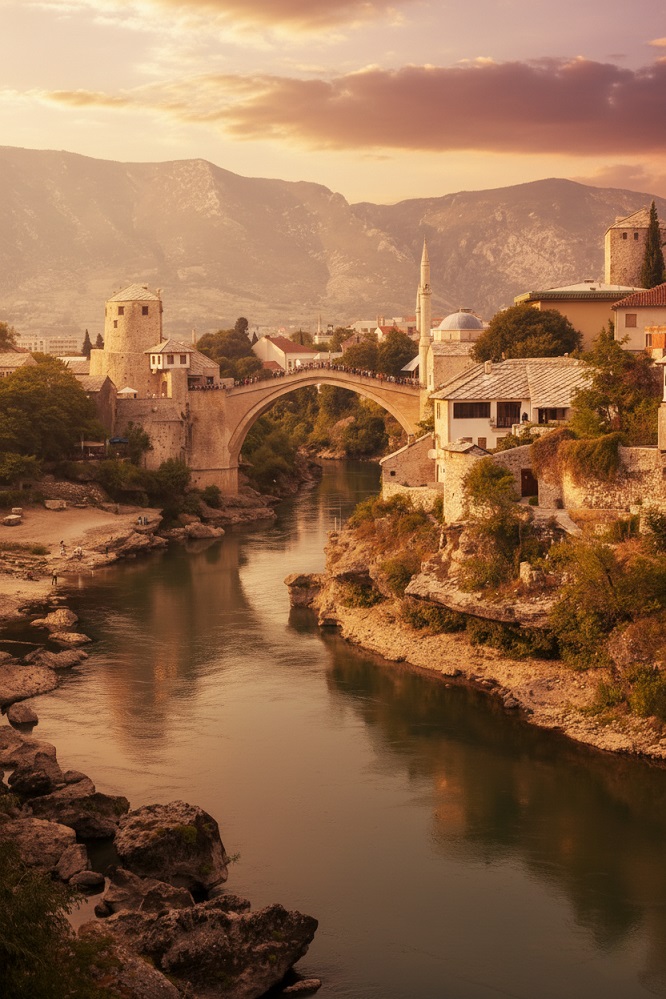
This train journey is genuinely one of Europe's most underrated scenic routes—book early, sit on the right side for river views, and bring snacks since the journey takes 2+ hours.Once south in Herzegovina, the air changes. It’s stone, wine, and Mediterranean warmth. Mostar is the star, but Blagaj (with its Dervish house) and the medieval stone town of Počitelj are the real rewards for staying an extra day.
Day 1–4: Sarajevo (Old Town, War Tunnel, Trebević Cable Car).
Day 5: The scenic train to Mostar. Day 6–8: Mostar base + day trips to Blagaj, Kravica Waterfalls, and Počitelj.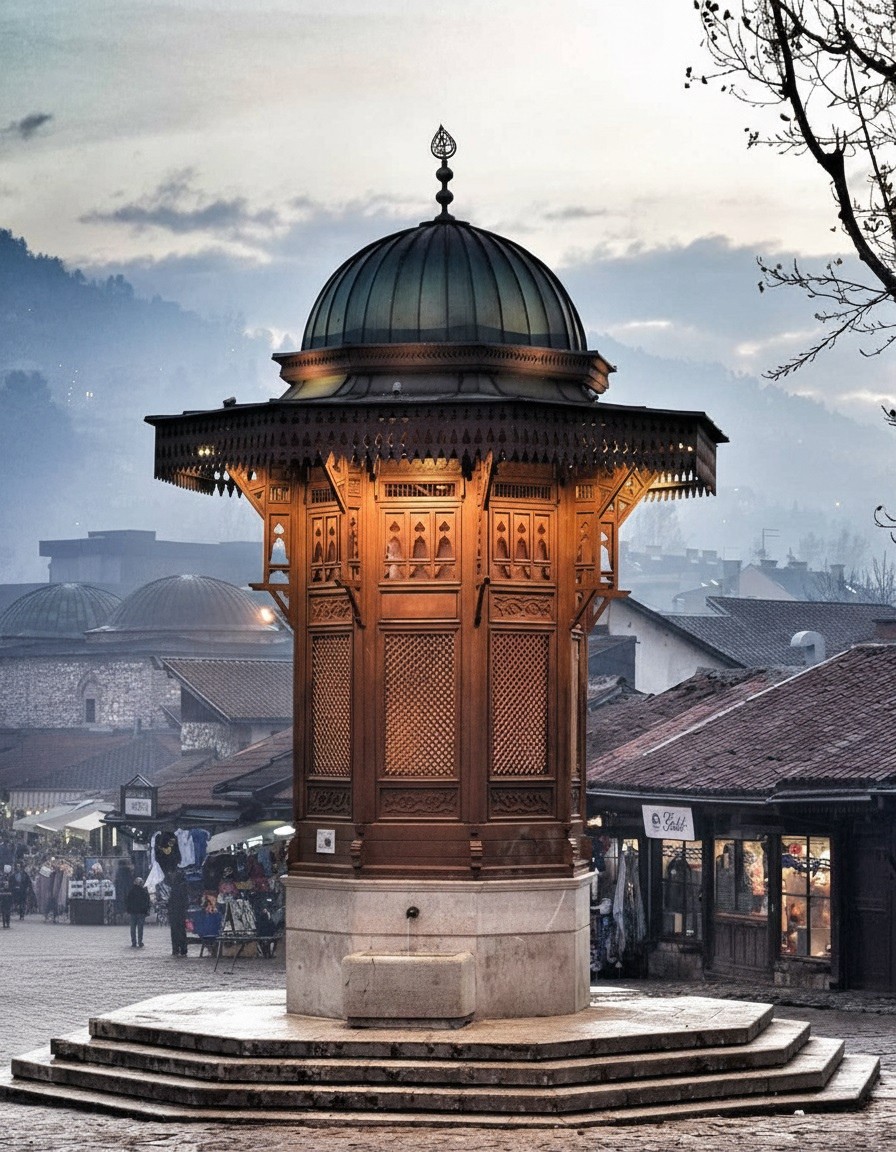
Vibe Check: What Kind of Bosnia Are You Here For?
The History + Resilience Bosnia (Sarajevo, War Tunnel)
You want to understand how a city survived a 1,425-day siege and came out with its humor intact. You’re here for the "Meeting of Cultures" and the emotional depth of the museums.
Plan like: 4 days in Sarajevo + a guided war tour.
The Scenic + Stone Bosnia (Mostar, Blagaj, Počitelj)
You’re here for the aesthetics: turquoise rivers against white stone, Ottoman bridges, and riverside dining. You want that Mediterranean Balkan sun.
Plan like: Mostar base + renting a car for Herzegovina loops.
The Deep Green Bosnia (Jajce, Una, Bihać)
You want the fortresses and the waterfalls. Jajce is the only city in the world with a waterfall in its center. This is for the "off-the-beaten-path" adventurers.
Plan like: North-Western loop + National Park hiking.
Bosnia in Four Seasons
🌸 Spring (April–June): High Water, Green Hills
- Weather: Fresh and blooming. Waterfalls are at their most powerful.
- Why it’s great: Perfect for hiking and Sarajevo city walks without the heat.
☀️ Summer (July–August): Festival Fever + Heat
- Weather: Mostar can be scorching (40°C+). Sarajevo is cooler.
- Why it’s great: The Sarajevo Film Festival (August) brings an electric energy.
🍂 Autumn (September–October): Rob’s Favorite
- Weather: Crisp air, warm days. The hills turn incredible colors.
- Why it’s great: Fewer tourists in Mostar, and the harvest season means great food/wine.
❄️ Winter (December–March): Olympic Slopes
- Weather: Cold and snowy. Sarajevo is famous for its nearby ski resorts (Jahorina/Bjelašnica).
- Why it’s great: Very cheap skiing and a cozy, "winter-wonderland" city vibe.
Street Smarts: Small Bosnia Rules
- Coffee is a ritual. Don't call it "Turkish." It's Bosnian coffee. Wait for the grounds to settle before pouring.
- Smoking is standard. Indoors. If you hate smoke, look for the very few non-smoking cafés or sit outside.
- Stay on the paths. When hiking in remote areas, stay on marked trails due to the legacy of landmines.
- Cash is king. Especially for bakeries (Pekara), small shops, and many guesthouses. Carry BAM.
- Learn 3 phrases: Hvala (Thank you), Dobar dan (Good day), Živjeli (Cheers!).
Things don't always run on time. The bus might be 20 minutes late. The coffee takes 10 minutes to prepare. Embrace the "ćejf"—the Bosnian philosophy of finding joy in the moment.

Rob’s Recommendations: The Sarajevo Ćevapi Showdown
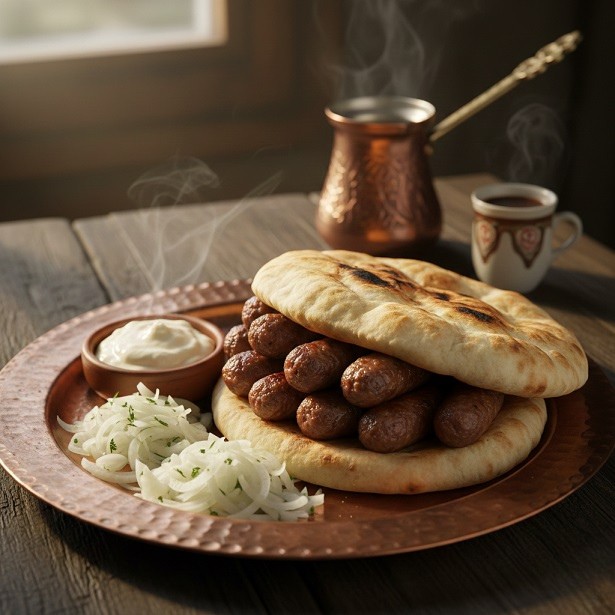
In Sarajevo, asking who makes the best ćevapi is like asking a local to pick a favorite child. It’s the city’s culinary heartbeat. Here is where I actually eat when I'm in town.
1. Ćevabdžinica Željo (I & II)
Named after the local football club, this is the "classic" choice. It’s fast, loud, and incredibly consistent. They serve their portions with onions and a dollop of kajmak (clotted cream). _____ My Tip: Order a glass of cold jogurt to cut the richness.
2. Ćevabdžinica Hodžić
Located in the heart of Baščaršija, Hodžić is the go-to for those who like their meat slightly more seasoned and their somun (bread) perfectly charred.
3. Ćevabdžinica Petica (Ferhatović)
A slightly more "classy" atmosphere. It’s run by the family of a legendary Yugoslav footballer and is famous for its secret family recipe that hasn't changed in decades.
Do not ask for ketchup or mustard. It is considered a culinary crime in Sarajevo. Stick to onions, kajmak, and perhaps ajvar. Trust the process.
Logistics Lite
Entry & Money
EU, US, and many other passports are visa-free. The currency is the Convertible Mark (BAM), pegged to the Euro (1.95 BAM = 1 EUR). ATMs are everywhere in cities.
Getting Around
Buses are the primary way to move between cities. The train is limited but the Sarajevo-Mostar leg is essential. Driving is safe but slow due to mountain terrain.
Costs & Pace
Bosnia is where your budget finally breathes. You can live very well here for much less than in Western Europe.
🇧🇦 Bosnia Daily Rhythm Comparison
Bosnia FAQs
Is Bosnia safe?+
How many days do I need?+
Do I need to worry about landmines?
In cities and major tourist areas, no. However, if you are hiking or exploring rural, off-the-beaten-path locations, it is essential to stay on marked paths and never enter abandoned buildings. De-mining is ongoing, but "The Rule of the Path" is the local standard for safety.
How does the Sarajevo-Mostar train work?
It’s one of the most beautiful rides in Europe. It runs twice daily (morning and evening). You can’t always buy tickets online effectively, so head to the station (Željeznička stanica) a day before or at least 45 minutes early. The views are best on the left side when heading from Sarajevo to Mostar.
What is the "dual-entity" system I keep hearing about?
Politically, the country is split into the Federation of Bosnia and Herzegovina and the Republika Srpska. For travelers, this is mostly seamless. You’ll notice the signs change from Latin to Cyrillic script, and the flag on government buildings might change, but there are no checkpoints or border stops between them.
Can I drink the tap water?
Yes, especially in Sarajevo. The city is famous for its public fountains (like the Sebilj). The water is cold, fresh, and perfectly safe. In fact, drinking from the fountain in the Old Bazaar is a local rite of passage—legend says if you drink it, you are destined to return to Sarajevo.
Join the conversation
Are you heading to Bosnia for the coffee culture or the mountain hiking? Drop your route below!