AUSTRIA, WHEN YOU WANT CLEAN AIR AND CULTURE IN THE SAME DAY
Austria: How To Do Cities, Lakes, and Alps
Without Burning Yourself Out
Austria is one of those places that can feel instantly “sorted” — reliable trains, tidy streets, and scenery that looks like it’s been edited. The danger is you try to squeeze the whole postcard rack into one trip.
My Austria rule is simple: pick your rhythm first. If you want coffeehouse mornings and museum afternoons, build around a city. If you want lake swims and quiet promenades, base near water. And if you want alpine days, give the mountains the respect of time + weather buffers. Austria rewards travelers who do fewer moves — and do them properly.
The country shifts beautifully between seasons, so timing matters. And while Vienna holds serious imperial weight, don’t sleep on Salzburg’s baroque charm or Innsbruck’s mountain-backed ease. The trains connect it all seamlessly — you won’t need a car unless you’re chasing very remote corners.

In a Nutshell (60-Second Scan)
If you only read one part, read this. Austria is easy — as long as you don’t turn it into a relocation marathon.
- Best first move: Choose one “anchor” (city / lakes / Alps), then add one supporting region — not three.
- When it “clicks”: The first day you do one plan… and then let the rest of the day breathe.
- Biggest trip-saver: Let trains do the work. Austria’s rail network is the calm way to move.
- Money truth: Austria uses the euro (EUR). Keep a little cash for huts, small bakeries, and “machine is down” moments.
- Quiet win: Most shops are closed on Sundays — plan snacks and basics ahead.
- Classic mistake: Treating mountain days like city days. Weather is a bossy manager — build buffers.
Austria rewards a simple formula: one anchor (museum / hike / lake loop), then ordinary joy (coffeehouse, park bench, bakery, slow stroll).
60-Second Fit Check
- Ideal trip length: 7–10 days (clean and calm), 10–14 if you add a proper mountain or lake leg.
- Best energy level: Medium — Austria shines when you mix “do” days with “breathe” days.
- First-timer friendly: Yes — especially if you keep base moves minimal and lean on trains.
- Budget vibe: Mid to treat-yourself, depending on season and whether you’re doing ski towns or shoulder-season cities.
- My simple rule: If you’re packing every second day, you’re paying extra to be tired.
Austria isn’t “quiet” because it’s boring. It’s quiet because it’s confident — and that calm is the luxury.
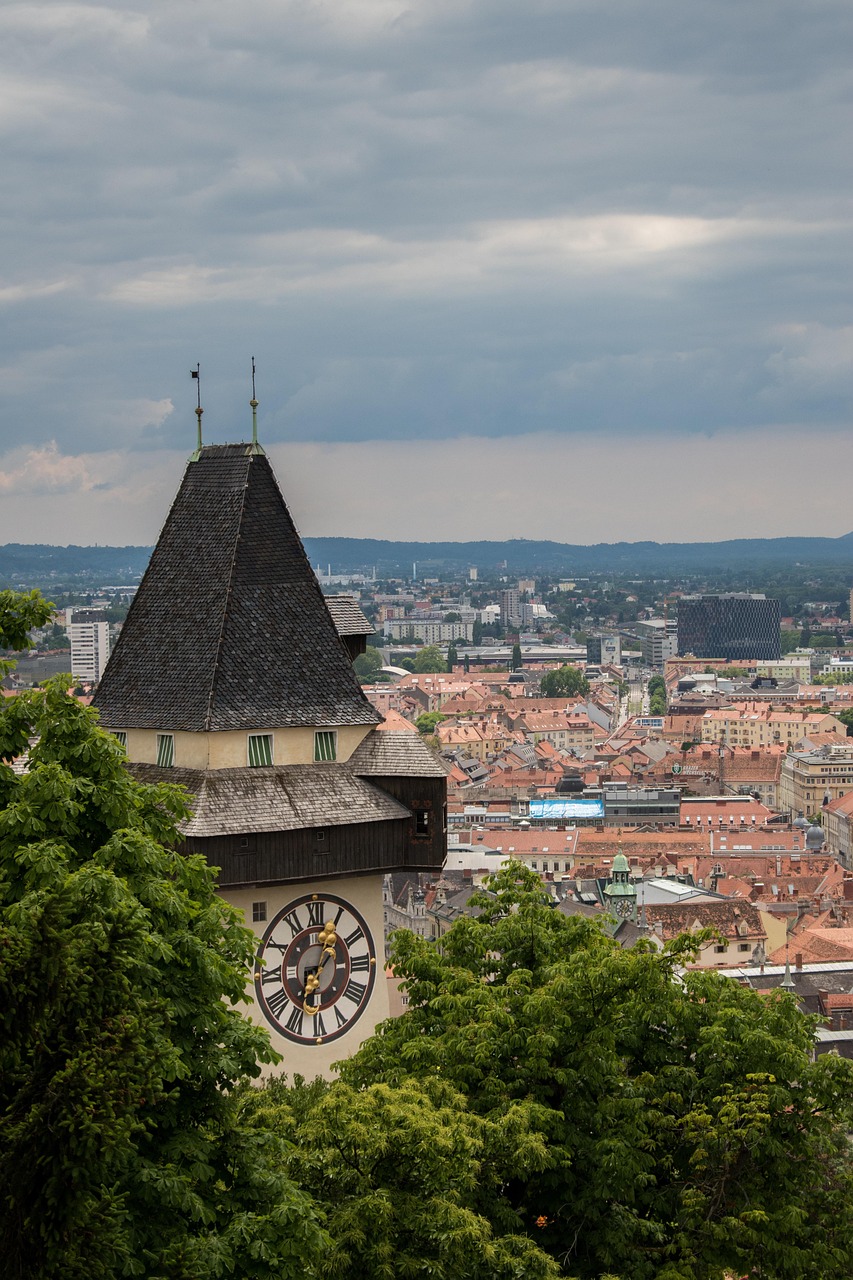
The Austria That Clicks: Graz + South Styria (Old Town Warmth, Wine Roads, and Easy Evenings)
If you want Austria to feel lived-in (not just “ticked off”), I love sending people toward Graz and the South Styrian wine roads. It’s a combination that gives you real city life and soft countryside without the pressure cooker crowds.
Graz is the kind of city where you can do a proper morning — a museum, a rooftop view, a slow coffee — and still feel fresh enough for a long evening walk. Then, when you’re ready to downshift, South Styria turns the volume down: vineyards, farm roads, and those golden-hour dinners that quietly steal the whole trip.
Graz is roughly a couple of hours by train from Vienna and close enough from Salzburg to slot in without derailing your route. Once you’re there, the Old Town is walkable, the Schlossberg funicular is quick, and most of what matters is an easy on-foot loop.
For South Styria, you’ll want wheels — either rent a car for a few days or book a wine tour that handles the driving. The region works best as overnights in small guesthouses or wine estates (not a rushed day trip), so you can linger over tastings, take vineyard walks at dusk, and wake up to farm breakfasts without racing the clock.
Base in Graz (walkable, easy transit), do one “anchor” each morning, and use afternoons for parks, neighborhoods, and a slow meal. Then add a day or two for vineyard-country wandering.
Vibe Check: What Kind of Austria Are You Actually Here For?
Decide how you want your days to feel first. Austria is flexible — but it’s best when you stop trying to do every version of it.
City culture (with coffeehouse recovery baked in)
You want museums, palaces, music, markets, and that elegant “even a normal street looks historic” feeling. The win is pacing your day like a wave: one big thing, then a softer afternoon.
Plan like: one anchor + one neighborhood loop daily.
Lakes + gentle hikes (calm, scenic, restorative)
You want promenades, swims, boats, and hills that give you views without punishing your legs. Austria’s lake regions are brilliant for “do a little, feel a lot.”
Plan like: stay put, day-trip lightly, repeat the same lake without guilt.
Alps (big air, big views, big weather mood swings)
You want cable cars, huts, mountain passes, and that clean, quiet satisfaction of an alpine day. This is where you build buffers and respect conditions.
Plan like: 2 bases max, start early, keep a backup plan.
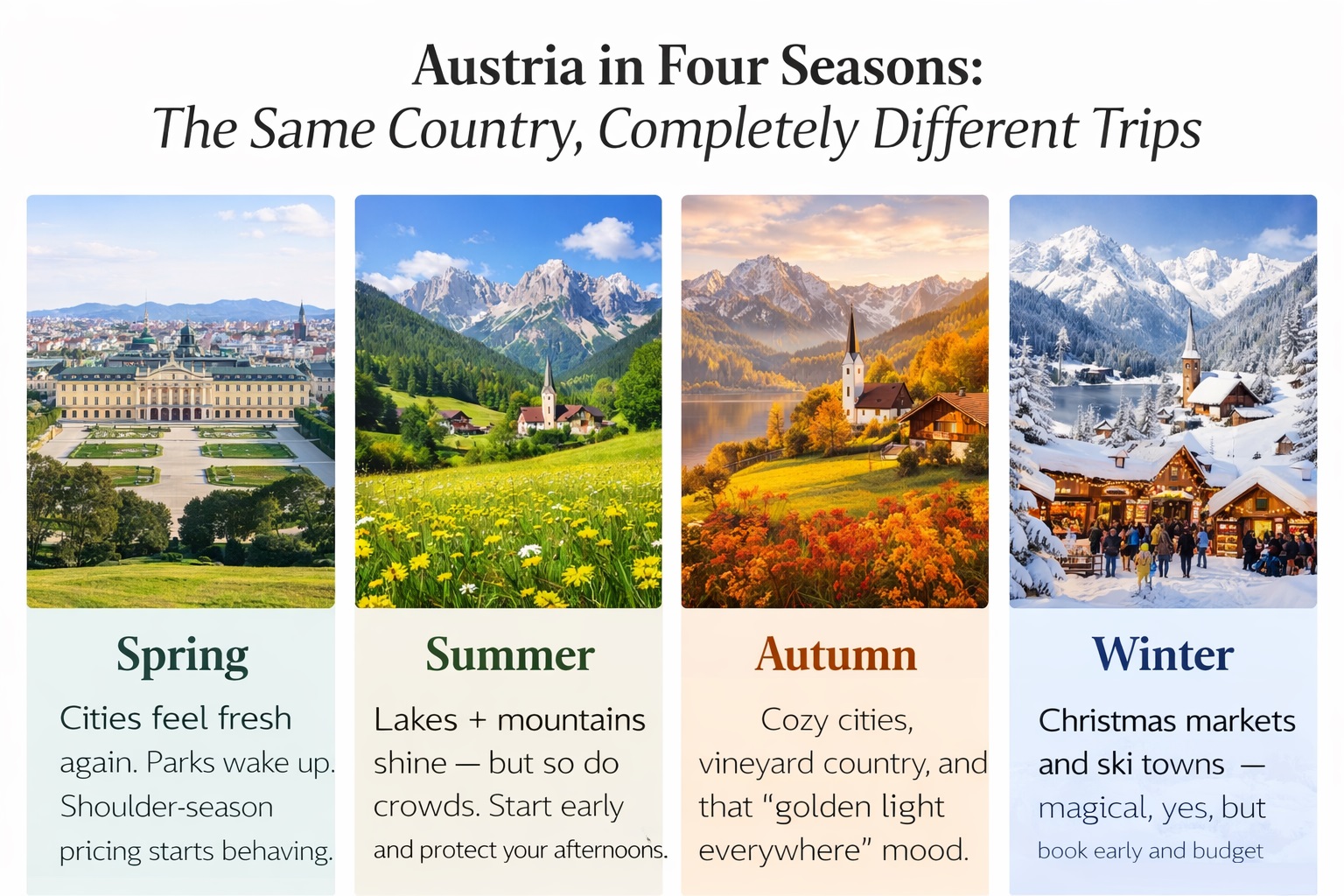
Austria in Four Seasons: The Same Country, Completely Different Trips
- Spring: Cities feel fresh again. Parks wake up. Shoulder-season pricing starts behaving.
- Summer: Lakes + mountains shine — but so do crowds. Start early and protect your afternoons.
- Autumn: Cozy cities, vineyard country, and that “golden light everywhere” mood.
- Winter: Christmas markets and ski towns — magical, yes, but book early and budget accordingly.
If you’re doing mountains, pack layers like it’s your job. Austria can give you sun in the valley and “why is it snowing?” up top on the same day.
Street Smarts: Small Rules That Save Big Stress
- Ticket rules are real. In some cities (like Vienna), certain tickets need to be validated/stamped before use. Read the ticket and follow the local flow.
- Sunday is not a shopping day. Most sales outlets are closed on Sundays and public holidays — plan basics ahead.
- Mountain safety isn’t optional. Start earlier than you think, check weather, and keep a backup plan if conditions turn.
- Cash still helps. Mountain huts and small places can be card-friendly… until they aren’t.
- Driving = rules. Motorways/expressways require a vignette, and winter conditions can trigger tyre requirements.
- Quiet culture. Austria tends to value calm public spaces. You’ll feel it on trains, in cafés, and in residential areas.
I’d do my “serious” thing early, then keep afternoons light. Austria is at its best when you still have energy for the evening stroll and a proper meal.
Logistics Lite
Austria is easy once you handle the modern basics up front: entry rules, border updates, money, power, “how to move,” and the driving fine print.
Entry rules & the 90/180 reality
Austria is in the Schengen Area. For many travelers, that means the familiar 90 days in any 180-day period short-stay limit across Schengen. Confirm your personal rules before you lock in a longer Europe route.
Visas & entry requirements (site guide)Border tech changes (EES / ETIAS)
The EU’s Entry/Exit System (EES) and the upcoming ETIAS travel authorisation can change border processing. Translation: allow extra buffer time on busy arrival days — and check official updates close to departure.
Money (EUR) & everyday pricing
Austria uses the euro (EUR). Prices can jump in peak winter season and in the most famous towns. Your best lever is still the same: when + where + how often you move.
Power + emergencies + the “save this now” list
Austria runs on 230V / 50Hz. You’ll commonly see Type C and Type F sockets — pack a travel adapter that covers those.
- General emergency (EU standard): 112
- Police: 133
- Ambulance: 144
- Fire brigade: 122
- Mountain rescue (super useful): 140
Getting around: train-first (most trips)
Austria’s trains make the country feel smaller (in a good way). For most classic routes, rail is the calm choice: cities, lake regions, and a lot of alpine gateways connect smoothly.
Driving: vignette + winter conditions + IDP note
If you drive, remember: motorways and expressways require a vignette. Also, in wintry conditions between 1 November and 15 April, vehicles must be suitably equipped (winter tyres when conditions require).
If you’re visiting from the U.S., you’re commonly advised to carry an International Driving Permit (IDP) in addition to your license.
Base Plans: 3 Simple Ways To Build An Austria Trip That Still Feels Good at 3pm
Pick one. You can sprinkle day trips later — the goal is a trip where you’re not constantly packing, paying, and recovering.
Plan A: City + lakes (8–12 days)
- Base 1: A city you’ll actually enjoy living in (4–6 nights).
- Base 2: A lake region base (4–6 nights) for calm days and scenic loops.
- Rule: Every “big culture day” gets a “soft lake day” after it.
You get contrast without turning the trip into a transit sport.
Plan B: Salzburg gateway + Tyrol air (7–11 days)
- Base 1: A culture gateway (3–5 nights) with day trips.
- Base 2: An alpine hub (3–6 nights) for cable cars, hikes, and slower evenings.
- Rule: Build a “bad weather day” plan in advance (museum/spa/old town).
If you want mountains without committing your whole identity to hiking boots.
Plan C: Graz + vineyard country (7–10 days)
- Base 1: Graz (walkable, relaxed, proper evenings) (4–6 nights).
- Base 2: A slow countryside base (2–4 nights) where “repeat the same road” is the feature.
- Rule: One anchor per day, then long lunch + golden-hour wandering.
You come home rested — with stories, not just receipts.
Costs & Pace: What Actually Moves The Needle in Austria
Austria can feel “pricey” when your plan forces convenience: last-minute stays in peak towns, taxis because you’re late, and rushed meals because you overbooked your day. The good news is: your plan can fix most of that.
- Base count: Fewer bases = fewer transfers = fewer “oops” costs (and less lost time).
- Season: Ski season and December markets can push prices up fast; shoulder seasons often feel calmer and better value.
- Transport: Rail is efficient — but constant day-tripping can still turn into “small costs that add up.”
- Food strategy: One proper sit-down meal beats endless snack spending. Bakeries + markets are a quiet superpower.
- Mountain days: Cable cars, hut meals, and gear needs can raise daily spend — plan them intentionally.
Austria doesn’t get expensive because it’s Austria. It gets expensive when your schedule forces you to buy speed, peak timing, and last-minute decisions.
🇦🇹 Austria Daily Rhythm Comparison
How your pace shapes your day (and your spend)
Prices are illustrative (EUR) to show the relationship between pace and spend — not a quote.
Un-Googleable Austria: Tiny Choices That Change The Whole Trip
These aren’t “hidden gems.” They’re the small behaviors that make Austria feel like a place you’re in — not just passing through.
Commit to one coffeehouse properly
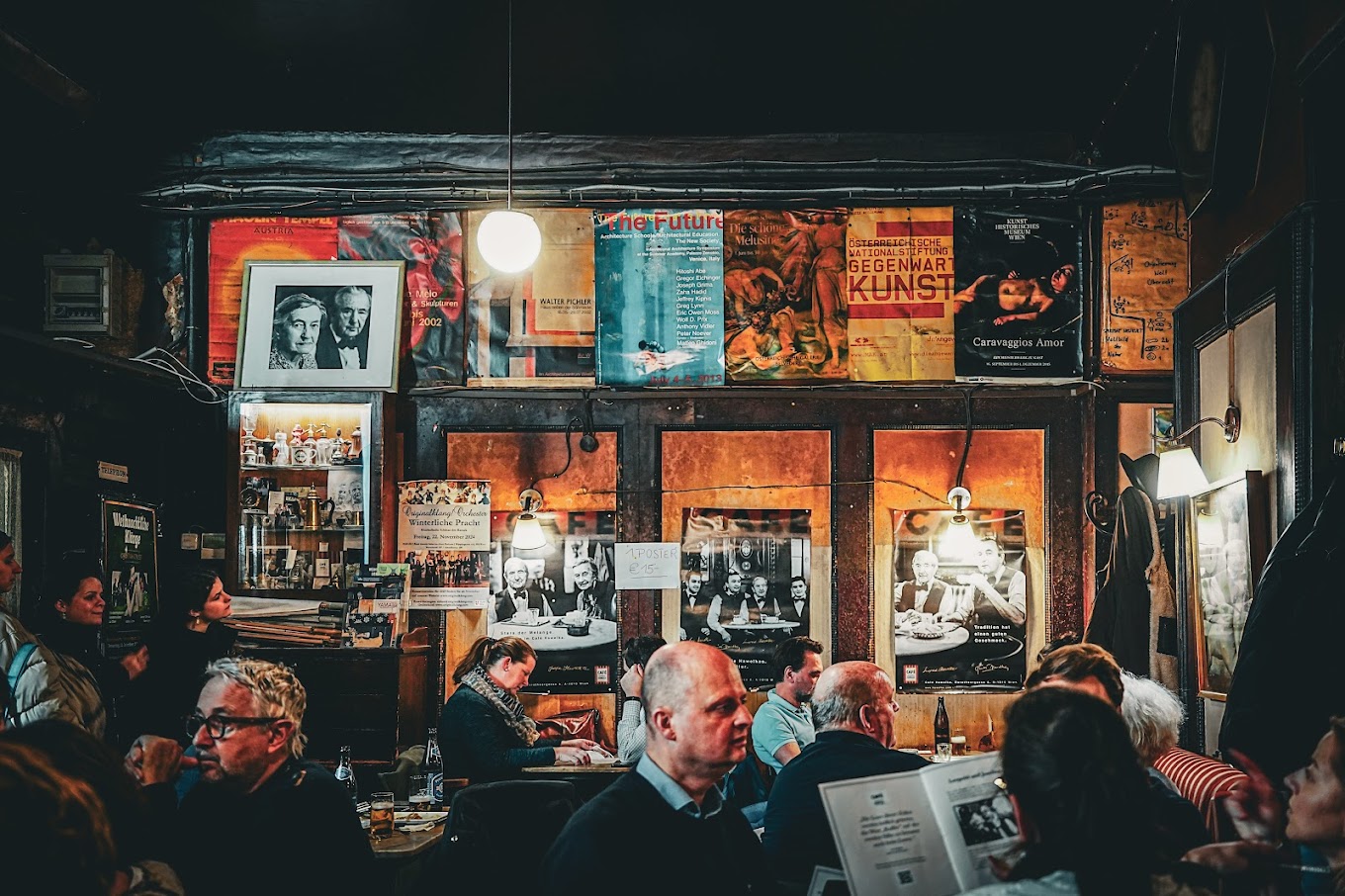
Not a takeaway sprint. A sit-down, a slice of cake, and twenty minutes where your brain stops “doing the trip.” Austria is very good at this kind of calm.
Start mountain days earlier than you want to
Mornings are clearer, trails are calmer, and weather is friendlier. If the mountains are on your list, treat the early alarm like a travel investment.
Do one “ordinary” loop daily
Park walk. Market browse. River promenade. Bakery run. Repetition turns a trip into a place you actually remember.
Pick one base and get good at it
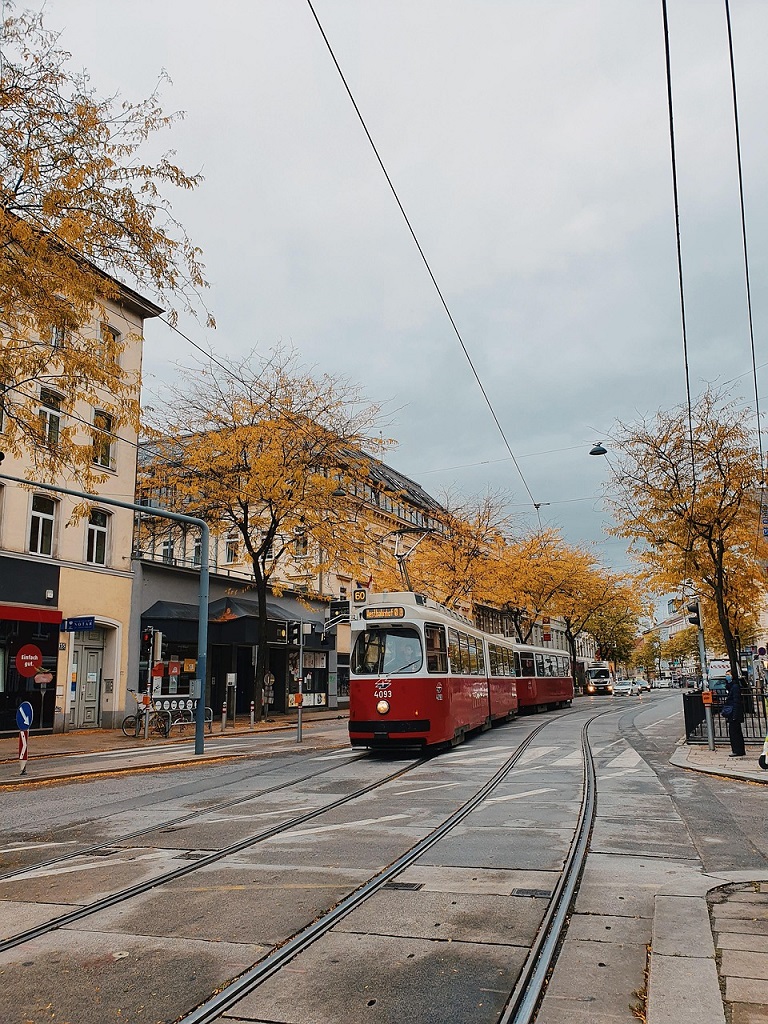
Know the tram line. Know the supermarket hours. Know your best evening stroll. Austria is smooth when you stop reinventing your day every morning.
Gap Analysis: Is Austria Right For Your Kind Of Trip?
Austria is brilliant — and it’s not one-size-fits-all. Here’s the honest part (with fixes, not judgement).
You’ll love it if…
- You like order, calm public spaces, and “things work” travel.
- You enjoy scenery that’s beautiful without being chaotic.
- You’re happy doing less per day — but doing it properly.
- You like a mix of culture + nature without needing a car for everything.
- You’re fine planning around season (especially winter pricing).
Plan around it if…
- You hate early nights in winter (solution: focus on cities + markets + indoor culture).
- You’re tight on budget in peak ski/December season (solution: shoulder season + smaller bases).
- You need constant high-energy novelty (solution: pick two contrasting regions, not four).
The best Austria trips aren’t the busiest ones. They’re the ones where you still have room to notice things.
Austria FAQs
Quick answers to the stuff people actually worry about.
Do I need a car in Austria?
Not for most classic routes. Cities, lake regions, and many alpine gateways are well-connected by rail and local transport. A car helps mainly for rural valleys, small wine roads, and places where you want maximum flexibility.
What’s the best time to visit Austria?
It depends on your “anchor”: spring and autumn are brilliant for cities and calmer travel, summer is great for lakes and hiking, and winter is magical for markets and snow sports (with higher prices).
What plug adapter do I need in Austria?
Austria is 230V/50Hz and commonly uses Type C and Type F sockets. A travel adapter covering C/F will keep you sorted.
What emergency numbers should I save?
Save 112 (general emergency). In Austria you’ll also see key numbers like 133 (police), 144 (ambulance), 122 (fire brigade), and 140 (mountain rescue).
Are shops really closed on Sundays?
Mostly, yes. Plan groceries and essentials ahead, especially if you’re arriving late Saturday or travelling on a Sunday.
If I drive in winter, do I need winter tyres?
In wintry conditions between 1 November and 15 April, vehicles must be suitably equipped, which means winter tyres when conditions require.
Join the conversation
Are you planning Austria for city culture, lake calm, or alpine days? Share your draft route and what you’re unsure about — and if you’ve got practical, real-world tips, help the next traveler build a smarter (and calmer) Austria trip.