ENGLAND, ONCE YOU STOP TRYING TO “DO IT ALL”
England: How It Actually Feels
(And How To Travel It Without Burnout)
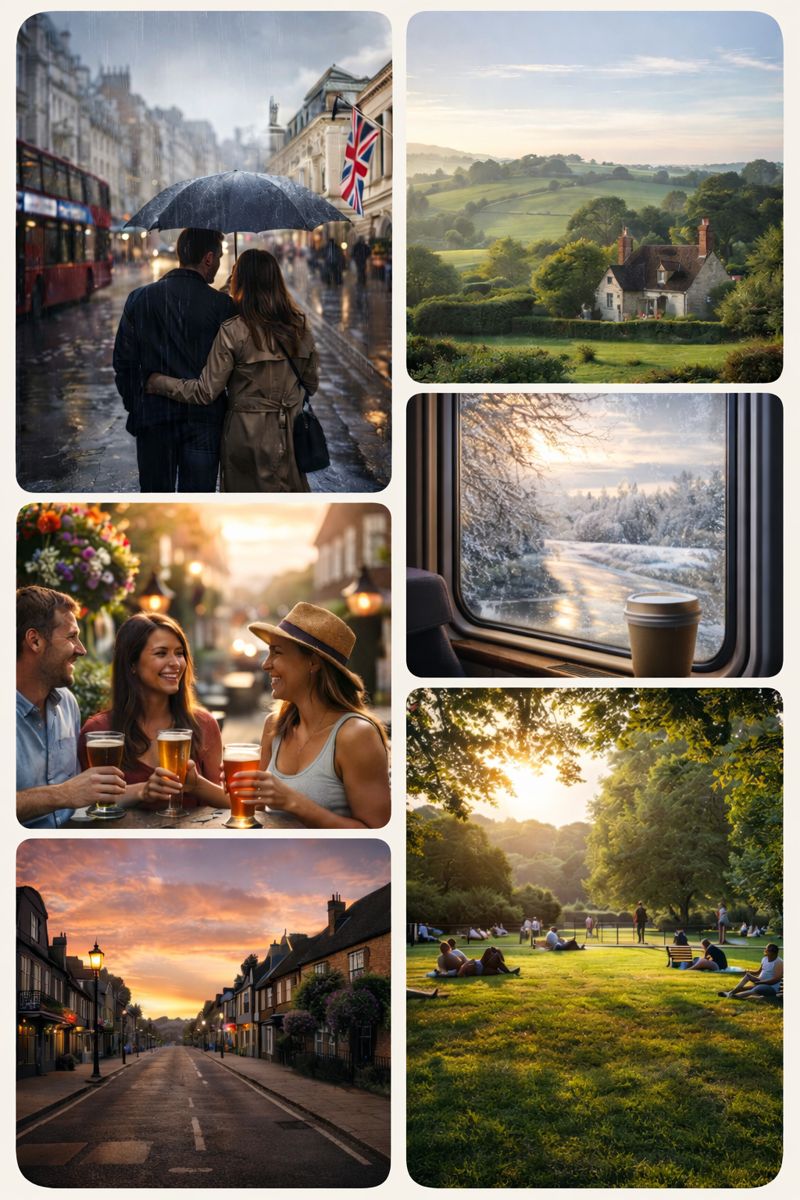
England looks “easy” on a map, so people over-pack the days, over-book the trains, and then wonder why the trip feels like a sprint. However, when you pick a couple of strong bases and travel like a local (not a checklist), it becomes weirdly addictive: market towns, coastal air, pub warmth, and those slow mornings where the country finally shows you what it’s about.

In a Nutshell (60-Second Scan)
If you only read one part, read this. England rewards smart bases, flexible days, and leaving space for “small moments.”
- Best first move: Pick two bases, not five. London + one regional base is the sweet spot.
- When it “clicks”: Usually after your first slow morning that isn’t scheduled to death.
- Biggest cost driver: Accommodation (especially in central London) + last-minute transport.
- Biggest trip-saver: One “anchor” pub/café you return to (it turns a city into a neighbourhood).
- Quiet truth: Weather isn’t a problem — rigid plans are.
- Timing truth: Distances look short, but door-to-door travel (stations, connections, walking) adds up fast.
- Keep the change: It’s mostly contactless, but small independents can still be cash-only (keep a little backup).
- Scale (so you plan sanely): England is about 50,301 sq mi / 130,278 sq km.
- Shocker: Some towns go quiet by 5pm — arrive earlier if you want “life” not just a photo.
England isn’t meant to be “completed.” Choose a vibe, choose a base, and let the days breathe.
Official England travel ideas (VisitEngland) • England facts & geography (Britannica)
England Is Not London
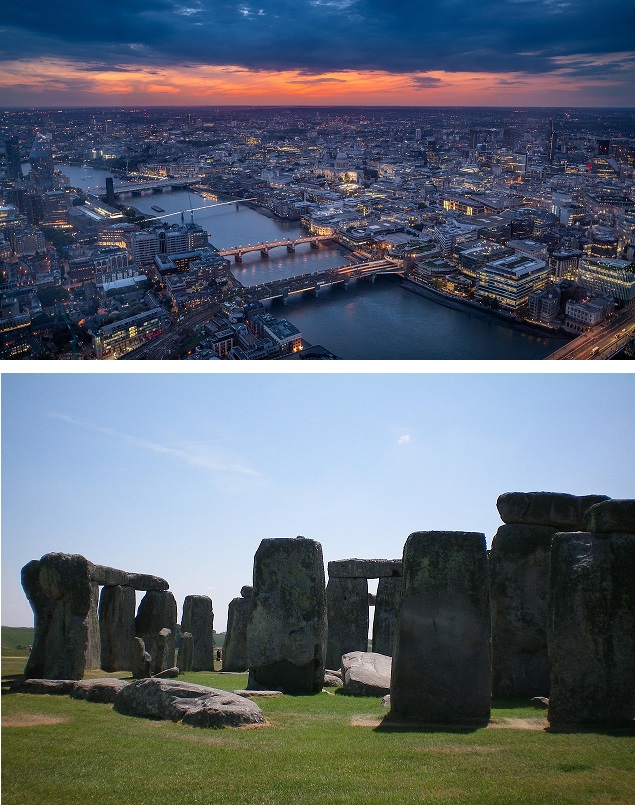
London is world-class — and it’s also the place where people accidentally “do England” without ever meeting England. The capital is global, fast, and constantly performing. Meanwhile, England’s real character shows up in the spaces between: market towns, village footpaths, seaside promenades, northern cities with grit and humour, and pubs that feel like living rooms.
If you want the trip to feel grounded, I plan it like this: give London its own time (proper neighbourhood days, not just landmarks), and then choose one regional base that matches the mood you’re after — countryside reset, coastal air, or a second city that feels completely different.
And yes, you can do Bath, Oxford, and Stonehenge in a single day from London. But you’ll mostly see station platforms, bus queues, and car parks. England rewards depth. Even two nights in the same place changes everything.
The rhythm matters too. I spent three days in the Lake District once, and on the second morning a woman at the bakery asked if I'd tried the footpath behind the church yet. We talked for twenty minutes about which hills were worth the climb and which pub did the better Sunday roast. That conversation — completely unremarkable, completely impossible to plan — taught me more about English life than any museum ever could. Same thing happened in a Manchester bookshop, a Yorkshire tea room, a Cornish harbourside. England doesn't announce itself the way London does. It accumulates in these small exchanges, in light hitting stone at odd hours, in overhearing strangers debate football like it's a matter of national survival.If you only do London, you’ve seen one version of England — not the one most people quietly fall in love with.
The England You Imagine — And The One You Meet
The postcard version exists, but the “I’m actually happy here” version usually shows up in ordinary moments and calmer pacing.
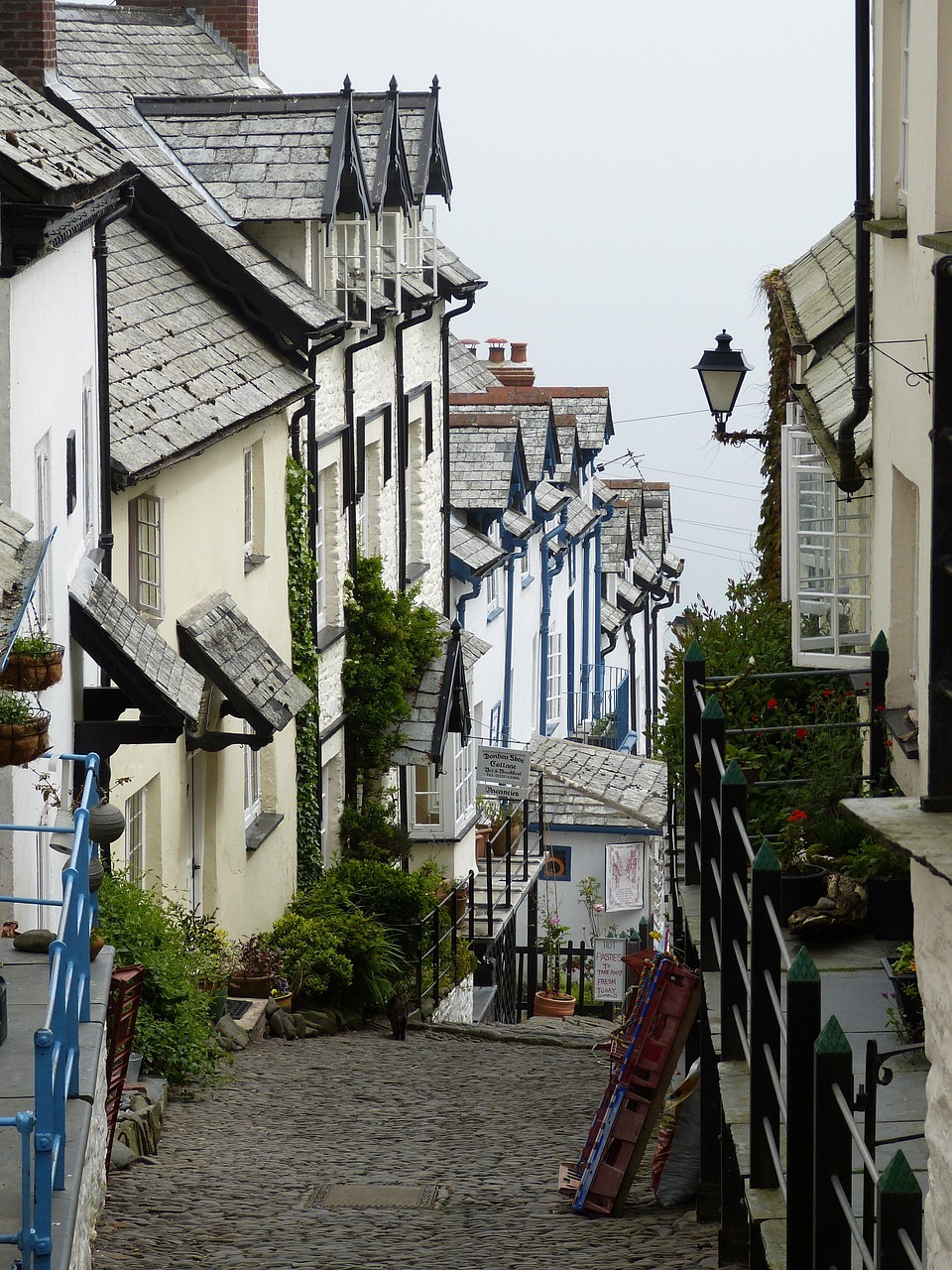
The imagined England is cottages, castles, pubs, and perfect villages where everything looks like a postcard. And yes, that version exists. However, the real magic is usually less “iconic” and more everyday: the banter, the warmth indoors when the weather is misbehaving, and the confidence of places that don’t need to impress you.
Here’s what catches people off guard: England moves slower than you think, and door-to-door travel is trickier than it looks. A “two-hour train” can eat half your day once you add station walks, connections, delays, and the fact that towns aren’t laid out like a grid. If you don’t build realistic structure, you create your own chaos: missed trains, pricey last-minute taxis, and that low-grade panic that kills the vibe.
England is a masterclass in “small-and-good.” When you stop trying to smash in four places in four days, you start noticing what actually makes the trip: the bookshop you didn’t mean to enter, the market stall you return to, and the local shortcut Google will never suggest.
England rewards repeat visits. Same café twice beats “ten highlights” once.
Field Notes: Small Truths That Save The Trip
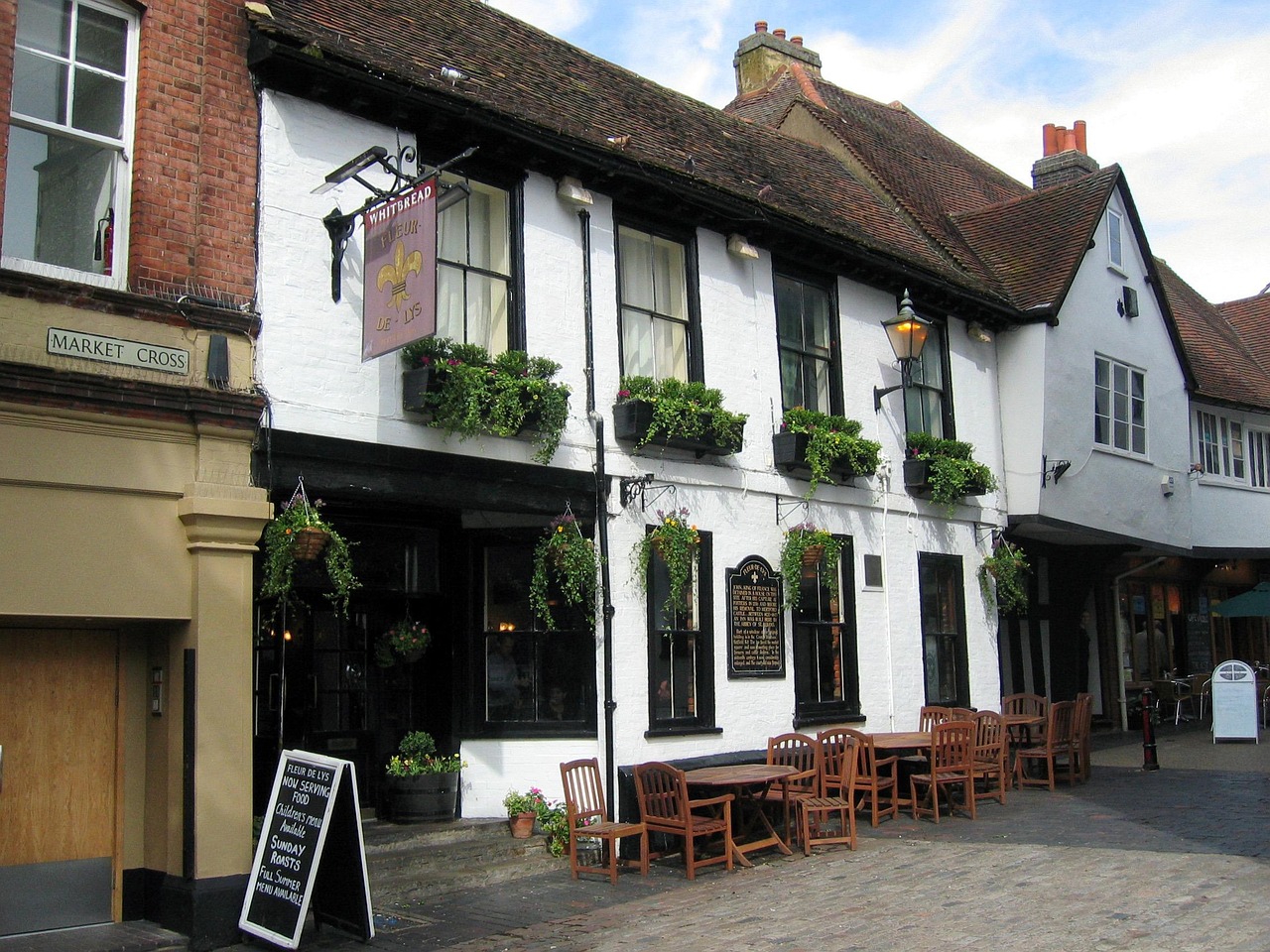
- If you’re moving bases every other day, you’re paying extra and enjoying less.
- Buffer time isn’t “wasted time” here — it’s how you beat delays, queues, and weather.
- One good neighbourhood beats ten quick highlights.
- Most “hidden gems” are just places you reach by slowing down.
- Tea stops aren’t quaint tourism — they’re how you survive the afternoon energy dip.
- Small towns can go quiet early — arrive in daylight if you want the full feel.
- Coastal wind makes “mild” temperatures feel cold. Always carry one extra layer.
Pick one city base and one “reset” base. Then do fewer attractions and more repeat visits. England warms up when you become a familiar face.
Rhythm: How England Actually Moves
England isn’t chaotic — it’s just allergic to rigid plans. Build in flexibility and the whole trip relaxes.
Days can start later than you expect, weather can reshuffle plans, and trains can be brilliant one minute and mildly chaotic the next. Still, once you plan for flexibility, the whole country becomes easier to enjoy.
Build your trip around anchors (a base, a few repeat spots, and one main goal per day) and you’ll feel calm, not chased.
Sunday is different
Sundays often feel quieter: shorter opening hours, slower town centres, and fewer “errand” options. Treat it like a reset day: a long walk, a museum, and a proper pub meal.
Cash still matters (sometimes)
Cities are very tap-and-go. However, smaller places can still go cash-only (markets, tiny cafés, rural buses). Keep a little backup so you’re not hunting for an ATM at the worst moment.
One main thing a day
Plan one “must.” Everything else becomes bonus, not pressure.
My personal snafu: try to tick off three cathedrals, two museums, and a castle before lunch, then spend the evening too exhausted to enjoy the pub I actually wanted to sit in. Pick your anchor — the one thing that matters — and let the rest of the day breathe around it..Layering is life
Weather swings are normal. You’ll be happiest when you’re prepared.
I learned this the hard way in the Peak District: started in sunshine, got caught in sideways rain by noon, then needed to peel off layers again by 3pm. A light waterproof jacket and something warm you can stuff in a bag will save you more often than you'd think.Evenings matter
Don’t burn out by 3pm. The best vibes often show up later.
Favourite England moments happened after 6pm — when day-trippers left and locals reclaimed their town centres. The pubs filled up with actual conversation instead of tourists checking maps. Be there or miss the part of the day when places actually feel like themselves.Daily Rhythm Comparison (Pick Your Pace)
This is the bit people skip — and then they wonder why England feels tiring. Choose a rhythm that fits your energy. (These are “pattern guides,” not strict schedules.)
Daily Rhythm Comparison
Fast city vs slow city vs countryside reset vs coastal air.
Use it: Choose one style per “base” and you’ll stop fighting the trip. Mix styles within the same day and you’ll feel like you’re always behind.
Logistics Lite
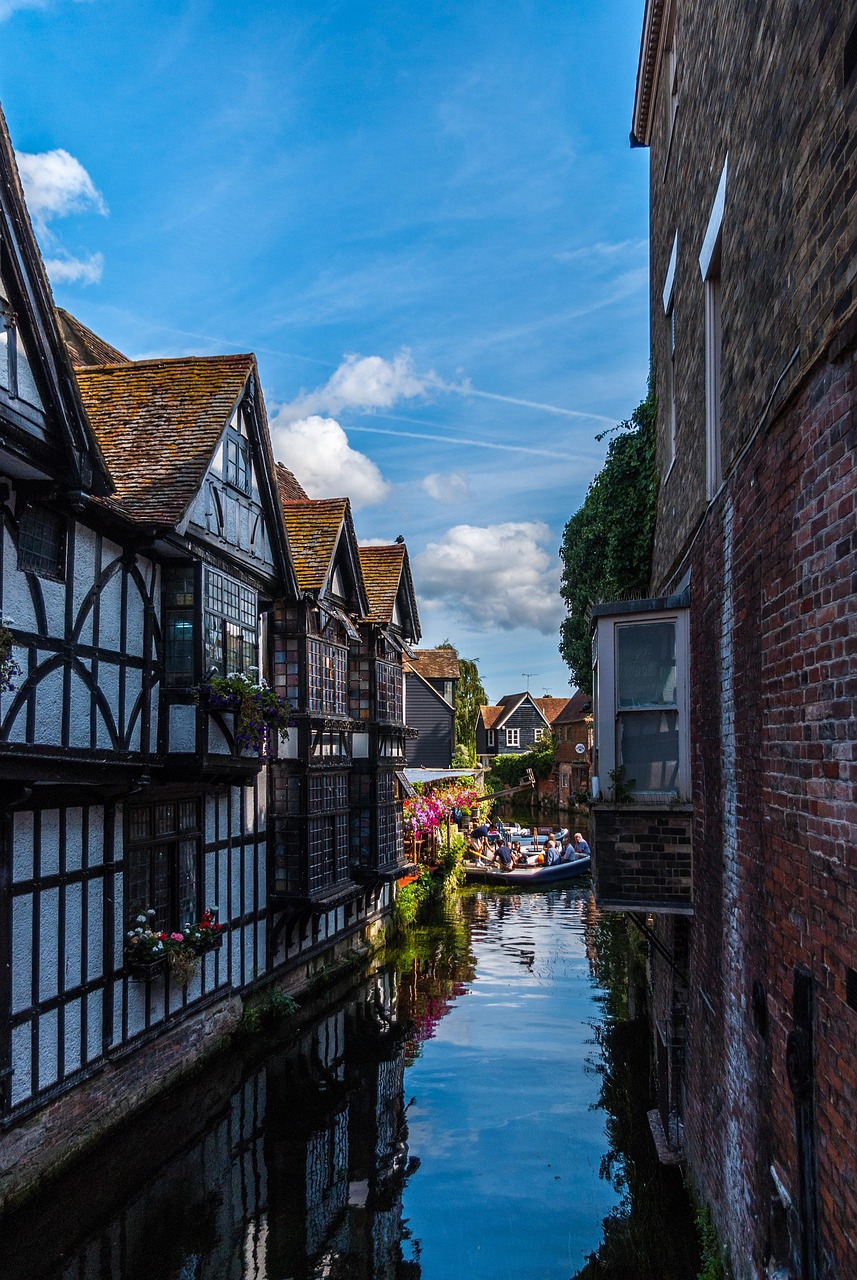
England is easy to travel — until you over-complicate it. These basics remove most of the friction.
Entry & documents
England uses UK immigration rules (same border rules as the rest of the UK). Check requirements before you buy non-refundable stuff. Some travellers may need a UK ETA.
Visas & entry requirementsOfficial UK ETA guidance (gov.uk)
Budget & pacing
Fast travel costs more. Fewer bases usually saves money immediately — less transport churn, fewer pricey “convenience” meals, and better accommodation value.
Cost guideGetting around
Trains are powerful, but timing matters. Book key rail legs early when you can, and plan the route so you’re not constantly “commuting.”
Travel logistics & transitNational Rail: Advance tickets
Comfort & recovery
Plan one recovery pocket every few days. England is best when you’re not operating on empty.
Plan for travelWhere To Go (Based on How You Want To Feel)
I’m not dumping a “Top 30 England attractions” list on you. Pick a vibe, then choose a base that supports it.
Big-city buzz (with depth)
Choose one city and do it properly. London works when you pick neighbourhood days (not just landmarks). For a different feel: Manchester, Liverpool, or York can be brilliant second bases.
Countryside reset
Stay somewhere slower: Cotswolds villages, Peak District edges, Lake District air (technically England’s northwest), or Northumberland quiet. Short walks, long lunches, early nights.
Coastal air
Pick a seaside base where “doing less” is the point. Cornwall has the drama, the Jurassic Coast has the walkable beauty, and the north has big skies and fewer crowds.
Costs & Pace: What Actually Changes Your Spend
England gets expensive when you move fast, because you pay “convenience prices” without noticing: last-minute rail, bad-value accommodation locations, and constant grab-and-go food. However, when you slow down, you start buying smarter and living better.
- Accommodation: Location and timing matter more than fancy amenities. In London, staying slightly farther out often saves a lot and still keeps you close by public transport.
- Transport: Rail pricing rewards planning. If you know your dates, book key legs early and travel Off-Peak when possible.
- Food: One proper sit-down meal a day often beats endless snacks. A good pub lunch that actually fills you up can be better value than three “small” purchases.
- Attractions: Mix paid highlights with free “life.” Parks, neighbourhood walks, markets, and many museums can be surprisingly good for your budget and your mood.
The cheapest England itinerary is usually the one with fewer bases.
England FAQs
Quick answers to the stuff people actually worry about.
Is England easy for first-time travellers?
Yes. The biggest trap is trying to do too much. Pick strong bases, build in buffer time, and the trip feels instantly calmer.
Do I need a car in England?
Not always. Cities and many routes are fine by train. However, rural pockets and coast-hopping are often easier with a car. Build the plan around your pace (and how much you enjoy “transport admin”).
What’s the smartest way to keep costs under control?
Fewer bases, less transport churn, and booking key rail legs earlier than you think you need to.
How many days do I need for England?
If it’s your first time: 7–10 days is a solid “London + one region” trip. For a deeper feel (and less rushing), 10–14 days is ideal.
Is England mostly cashless?
Big cities: mostly yes. Smaller towns: often yes, but it’s worth carrying a little backup for markets and independents.
Join the conversation
Are you doing England slowly, or are you tempted to cram it all in? Share what you’re planning (or stuck on), and drop your best “small moment” tips too. If you’ve got practical advice, help the next traveller out.